Baclofen (Lioresal) – Patient-Friendly Guide (UK)
Baclofen is a muscle-relaxing medicine used to treat certain conditions where muscles become stiff, tight or affected by spasm. It is widely used in the UK for conditions such as spasticity, and it works by acting on the nervous system to reduce the signal that causes muscle contraction.
This guide explains how baclofen works, how the body handles it, how it is typically taken, important safety information, and practical tips to help you use it effectively. It also covers possible interactions with alcohol and other medicines, plus commonly asked questions.
Basic product information
| Feature | Details |
|---|---|
| Generic name | Baclofen |
| Brand names (examples) | Often known as Lioresal in the UK (brand availability may vary) |
| Medicine type | Muscle relaxant; antispastic (spasm-reducing) medicine |
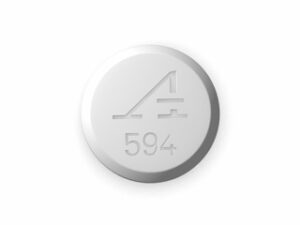
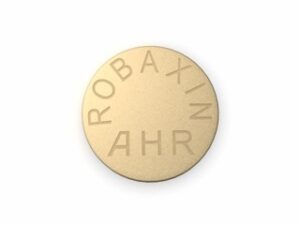
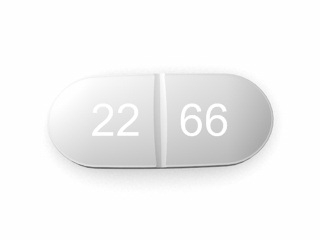
| Common forms | Tablets/capsules (form strengths vary by product) |
| Who it’s for | Adults and some children depending on indication and product guidance |
| Typical use | Reducing muscle spasm and stiffness in conditions involving spasticity |
If you are unsure which strength or form you have, check the pack label and the leaflet provided with your medicine.
How baclofen works (mechanism of action)
Baclofen works primarily by acting on the spinal cord. It is a GABA-B receptor agonist, meaning it mimics the effect of a natural inhibitory neurotransmitter (GABA) at specific receptor sites.
By enhancing inhibitory signalling, baclofen helps to:
- Reduce abnormal reflex activity that contributes to muscle spasm
- Decrease muscle stiffness and improve comfort and movement
- Lower the intensity and frequency of spastic episodes
The result is often improved mobility, easier movement of joints, and relief from painful spasms. Individual responses vary.
Pharmacokinetics (how your body handles it)
Pharmacokinetics describes what happens to a medicine in the body—absorption, distribution, metabolism and elimination.
- Absorption: Baclofen is absorbed after oral dosing. Peak levels generally occur within a few hours, depending on the formulation.
- Distribution: Baclofen can distribute into body tissues and crosses into the central nervous system to exert its effect.
- Metabolism: Baclofen is only partially metabolised in the body.
- Elimination: The medicine is mainly cleared by the kidneys. This means kidney function can strongly influence exposure and the risk of side effects.
- Half-life: Baclofen has a clinically relevant half-life that supports multiple daily dosing for many patients.
Kidney problems: Because baclofen is largely eliminated via the kidneys, people with reduced kidney function may need dose adjustments and closer monitoring.
Typical uses and indications in the UK
Baclofen is used to manage spasticity—a condition where muscles are abnormally tight and can spasm due to neurological disorders.
Common indications include:
- Multiple sclerosis (MS)–related spasticity
- Spinal cord injury–related spasticity
- Certain neurological conditions where spasm and muscle stiffness occur
- Offered supportive symptom relief as part of a broader management plan for mobility and comfort
The exact licensed indications can vary by product and formulation. Always refer to the pack and leaflet for your specific medicine.
How and when to take baclofen (timing and routine)
Baclofen is usually taken in divided doses throughout the day to maintain control of spasticity. The dose is commonly increased gradually at the start to reduce side effects.
When to take it
- Follow your dosing schedule as written on your pack label or instructions provided with the medicine.
- Many people take doses spread across the day (for example morning, afternoon, evening) and sometimes a dose at night if spasms interfere with sleep.
- If you feel drowsy, you may be advised to review timing with your prescriber/pharmacist to reduce daytime effects.
Starting and dose increases
Baclofen often requires gradual dose titration. This helps your nervous system adjust and can improve tolerability.
Important: Do not stop baclofen suddenly. Abrupt discontinuation can lead to withdrawal symptoms (see Safety Profile section).
Dosing basics (general guidance)
Dosing depends on your age, the condition being treated, kidney function, other medicines you take, and how well the medicine is tolerated. Therefore, only your clinician or prescriber can determine an individual dose.
Typical principles include:
- Start low and increase slowly if needed to achieve symptom control.
- Use the lowest effective dose that gives acceptable relief from spasticity while minimising side effects.
- Adjust for kidney function in people with renal impairment.
If you miss a dose, follow the advice in the leaflet for your product. In general, you should not take a double dose to make up for a missed one—ask your pharmacist for tailored advice.
Food interactions and effects of eating
Baclofen can usually be taken with or without food. However, individual products may differ. If the leaflet for your specific brand provides instructions, follow those.
- Absorption: Food may slightly affect absorption, but many patients can take baclofen as normal.
- Stomach comfort: If baclofen upsets your stomach, taking it with meals may help.
- Consistency: Try to take each dose the same way each day (e.g., always with food or always on an empty stomach) to keep your routine stable.
Alcohol and medicine interactions
Alcohol
Alcohol can increase the sedative effects of baclofen. This may lead to:
- Increased drowsiness or dizziness
- Slower reaction time and impaired coordination
- Higher risk of falls
- In more severe cases, breathing problems (especially when combined with other sedatives)
To reduce risk, it is generally recommended to avoid alcohol or keep it to a minimum and discuss your situation with a pharmacist.
Other sedating medicines
Baclofen may interact with medicines that depress the central nervous system. This includes:
- Opioid pain medicines
- Sleeping tablets and sedatives (e.g., benzodiazepines)
- Other muscle relaxants
- Some antidepressants or anti-histamines that cause drowsiness
Combining these can increase sedation, impair driving ability, and increase risk of respiratory depression. If you are taking any of the above, seek personalised guidance.
Medicines cleared by the kidneys
Because baclofen is cleared largely by the kidneys, medicines that significantly affect kidney function may influence baclofen levels. Let your healthcare team know about all medicines you take, including over-the-counter products.
Always check for interactions using your patient information leaflet or ask a pharmacist, especially if you start or stop any medication.
Safety profile: side effects and warnings
Like all medicines, baclofen can cause side effects. Many are dose-related and may improve when the dose is adjusted.
Common side effects
- Drowsiness or fatigue
- Dizziness
- Weakness
- Nausea
- Headache
- Sleep disturbances (sometimes)
Less common but important effects
- Low blood pressure, especially when standing (light-headedness)
- Confusion or agitation (more likely with higher doses, older age, or kidney impairment)
- Hallucinations (rare)
- Unsteadiness or falls
Serious side effects—seek urgent help
Contact urgent medical services or seek emergency advice if you experience:
- Severe drowsiness, inability to stay awake, or fainting
- Breathing difficulties, very slow or shallow breathing
- Severe confusion or unusual behaviour
- Allergic reaction symptoms (e.g., swelling of the face/lips, rash, breathing difficulty)
Withdrawal and stopping baclofen
Do not stop baclofen suddenly unless a clinician tells you to. Abrupt discontinuation may cause withdrawal symptoms, which can include:
- Agitation, confusion
- Hallucinations
- Seizures in severe cases
- Worsening spasticity
If baclofen needs to be stopped, it is usually tapered gradually.
Who should take extra care
- People with kidney impairment
- Older adults (higher risk of dizziness and falls)
- People taking medicines that cause drowsiness or affect breathing
- Anyone with a history of seizures or significant confusion
- People with swallowing difficulties, if sedation increases aspiration risk
Practical use tips (making treatment easier)
- Give it time: Baclofen often works gradually. If symptoms aren’t improving right away, don’t assume it’s ineffective— ask your pharmacist or clinician about expected timelines.
- Monitor your symptoms: Keep notes on spasm frequency, pain, mobility and sleep. This helps identify the best dose.
- Track side effects: Drowsiness or dizziness often improves after dose adjustments. Record when it happens and what dose you were taking.
- Safety first: Be cautious when walking, climbing stairs, or doing tasks requiring alertness, especially during the start of treatment or dose increases.
- Driving: If baclofen makes you drowsy or dizzy, you should not drive. Follow UK guidance and consult your healthcare team if unsure.
- Prevent falls: Use handrails, ensure good lighting, and take extra care standing up quickly.
- Storage: Keep tablets/capsules in the original pack, out of sight and reach of children, and at room temperature unless the label states otherwise.
Alternative options for spasticity
Spasticity can sometimes be treated using different medicines or non-medicine approaches. Which option is suitable depends on the cause of spasticity, severity, side effects, and your overall health.
Other medicines sometimes used
- Tizanidine (another antispastic medicine; can also cause drowsiness and may affect blood pressure)
- Dantrolene (used in some cases; requires monitoring in certain situations)
- Botulinum toxin injections (targeted relief for specific muscle groups, typically supervised by specialists)
- Intrathecal baclofen (a specialised delivery option for selected patients under specialist care)
Non-medicine approaches
- Physiotherapy and stretching routines
- Occupational therapy to support daily activities
- Orthotics and mobility aids where appropriate
- Regular exercise and safe movement strategies
Your clinician or therapist can discuss what may work best for your specific pattern of spasticity.
UK market and legal context (overview)
In the United Kingdom, baclofen products are regulated medicines. Availability through pharmacies depends on the product type and legal classification. For online pharmacies, supply is typically subject to standard checks and rules designed to ensure safe use.
The UK medicines regulatory framework is overseen by the Medicines and Healthcare products Regulatory Agency (MHRA), and healthcare standards and guidance may also be informed by organisations such as the National Institute for Health and Care Excellence (NICE) and specialist clinical bodies.
Safety information and product details are published in resources including the patient information leaflet and in official UK medicines databases. Always use the leaflet supplied with your specific product and confirm any uncertainties with a pharmacist.
Recent guidance and updates (how to stay current)
Medicines guidance can evolve as new safety information, prescribing practices or regulatory updates become available. While the core pharmacology of baclofen remains unchanged, it is important to stay up-to-date on:
- Advice about dosing adjustments in kidney impairment
- Recommendations about use with sedating medicines and alcohol
- Monitoring advice for older adults and those at higher fall risk
- Any changes to product leaflets or packaging
If you’re unsure whether anything has changed for your specific baclofen product, ask your pharmacist or check the current patient information leaflet included with your medicine.
Delivery and availability in the UK (online pharmacy)
Baclofen tablets/capsules may be available through UK pharmacies online depending on stock, manufacturer availability, and the product strength required.
What you can expect
- Stock checks: Most online pharmacies display availability and estimated delivery times at checkout.
- Packaging: Medicines are normally supplied in secure packaging to protect tablets/capsules.
- Delivery options: Delivery service speed can vary by provider and your location within the UK.
- Correct product: Ensure the strength and form match what you need (for example, tablet vs capsule and the mg strength).
If a particular strength is temporarily unavailable, the pharmacy may offer an alternative product that matches your treatment plan, or suggest a re-stock date.
FAQ – Baclofen (Patient Questions)
1) What is baclofen used for?
Baclofen is used to reduce spasticity (muscle stiffness and spasm) associated with certain neurological conditions such as multiple sclerosis or spinal cord injury.
2) How quickly does baclofen work?
Some symptom relief may be noticed after starting, but overall benefit often develops over days to weeks as your dose is adjusted. If you don’t feel any improvement, speak with your healthcare professional rather than increasing the dose yourself.
3) Can I take baclofen with food?
In many cases, yes. If your stomach feels unsettled, taking it with meals can help. Follow the instructions in your leaflet for your exact product.
4) Is baclofen safe with alcohol?
Alcohol may increase drowsiness and dizziness. For safety, it’s generally best to avoid alcohol or discuss appropriate limits with a pharmacist.
5) Can baclofen make me sleepy?
Yes. Drowsiness and fatigue are common, particularly when starting or after dose increases. Avoid driving or operating machinery if you feel affected.
6) What if I miss a dose?
Check your leaflet for instructions for missed doses. In general, don’t take a double dose. If you’re unsure, ask a pharmacist for advice.
7) Can I stop baclofen suddenly?
No. Baclofen should usually be tapered when stopping to reduce the risk of withdrawal symptoms and sudden worsening of spasticity.
8) Does baclofen affect kidney function?
Baclofen is mainly removed from the body by the kidneys. People with kidney impairment may be at higher risk of side effects and may require dose adjustments.
9) What interactions should I watch for?
Be cautious with medicines that cause sedation (such as opioids, benzodiazepines, and some sleep medicines), plus alcohol. Always check any new medication with a pharmacist.
10) Are there alternatives to baclofen?
Yes. Other antispastic medicines and therapies may be suitable depending on your condition and symptoms. Options include tizanidine, dantrolene in some circumstances, and targeted treatments such as physiotherapy or botulinum toxin injections.
Important: For personalised advice, always consult your healthcare professional and the patient leaflet that came with your medicine.