Robaxin (Methocarbamol) – Patient Information (UK)
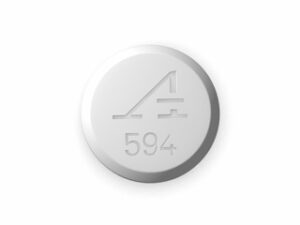
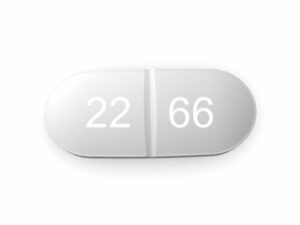
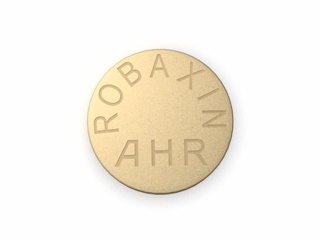
Robaxin is a medicine containing methocarbamol, used to relieve muscle spasm and discomfort. It works as a muscle relaxant and is often prescribed alongside rest and physiotherapy measures to help improve mobility and comfort.
This page explains how Robaxin works, when it’s typically used, how to take it, and important safety information. If you are unsure whether Robaxin is right for you, speak to a healthcare professional.
Basic product information
| Item | Details |
|---|---|
| Active ingredient | Methocarbamol |
| Medicine type | Muscle relaxant (centrally acting) |
| Common form | Tablets (formulations and strengths may vary by product) |
| How it helps | Reduces muscle spasm and associated pain; may improve comfort and movement |
| Who it is for | Adults and some adolescents/children depending on the specific product and guidance |
| Typical duration | Short-term use for acute muscle spasm; ongoing treatment depends on symptoms and clinician advice |
How Robaxin works (mechanism of action)
Methocarbamol is a centrally acting muscle relaxant. While it does not “cure” the underlying cause of a muscle spasm, it helps reduce spasm-related discomfort by acting on the central nervous system.
In general terms, methocarbamol can help:
- Decrease muscle spasm intensity
- Relieve pain caused by muscle tightness
- Promote relaxation of affected muscles
Many people feel effects within the first day, but the full benefit may depend on the cause of the spasm and the way your body responds.
Pharmacokinetics (how the body handles it)
“Pharmacokinetics” describes what happens to a medicine in the body—how it’s absorbed, distributed, metabolised, and eliminated. For methocarbamol, the following broad principles are commonly described in clinical information:
- Absorption: After taking tablets by mouth, methocarbamol is absorbed from the digestive tract.
- Distribution: It distributes through the body, including into tissues where it can exert its muscle-relaxing effects.
- Metabolism: It is metabolised in the liver into related compounds.
- Elimination: Metabolites are primarily cleared via the kidneys and excreted in urine.
Individual clearance may vary with age, liver and kidney function, and other medicines you take. If you have liver or kidney problems, your healthcare professional may adjust the plan accordingly.
What Robaxin is used for (indications)
Robaxin is used to treat symptoms caused by muscle spasm, for example when muscle tightness contributes to pain. It is typically used as part of management that may include rest, gentle movement, heat/cold, and physiotherapy advice.
Common reasons people are given a muscle relaxant include:
- Acute muscle spasms (e.g., after strain or awkward movement)
- Back pain where muscle spasm is contributing
- Neck pain and stiffness associated with spasm
- Shoulder or other musculoskeletal pain with spasm component
Robaxin is not a painkiller in the same way as paracetamol or ibuprofen, and it does not treat injuries directly. It can, however, help reduce spasm-related discomfort so you can move more comfortably.
Typical timing and how long it takes to work
Timing can vary by person, but many people notice improvement within the first day. To get consistent benefit, follow the dosing schedule provided with your product.
- First doses: You may feel drowsy or “lighter-headed” soon after taking it.
- Ongoing symptom relief: Benefits are usually assessed after several doses and over the first few days.
- Short-term use: Muscle spasm often improves with supportive measures; if symptoms persist, review with a healthcare professional.
If your symptoms worsen, you develop new symptoms (such as weakness or numbness), or you don’t improve as expected, seek medical advice promptly.
Dosing (adults and general guidance)
Dosing depends on the specific product strength, your age, and your clinical situation. Always follow the directions provided by your clinician or the patient information leaflet for your particular Robaxin pack.
General information about dosing frequency:
- Robaxin is commonly taken in divided doses throughout the day (to help maintain consistent symptom control).
- Many regimens are designed to reduce spasm while minimising side effects such as drowsiness.
- Your clinician may recommend a shorter course for acute spasm.
Practical tip: If you miss a dose, take it when you remember unless it is close to your next scheduled dose. Do not take a double dose to make up for a missed one.
How to take Robaxin (practical use tips)
- Follow the label or leaflet exactly: pay attention to tablet strength and number of tablets per dose.
- Take with water: swallow the tablet(s) with a full glass of water.
- Be cautious with driving: methocarbamol can cause drowsiness—avoid driving or operating machinery until you know how it affects you.
- Use supportive measures: gentle stretching, recommended physiotherapy, heat/cold packs, and maintaining light activity can complement treatment.
- Track your response: note how pain/spasm changes over 24–72 hours and whether side effects occur.
Food interactions
Food can influence how some medicines are tolerated. For methocarbamol, there are no widely established “must avoid” food rules for most people. However, practical guidance includes:
- Take consistently: if your product leaflet recommends taking with or after food, follow that advice.
- Minimise stomach upset: if you experience nausea, taking with a meal may help.
- Watch for interactions that involve other medicines: if you take Robaxin together with other drugs that interact with food (e.g., some antibiotics or anticoagulants), follow the guidance for those medicines as well.
Summary
There is typically no need for strict dietary restriction with methocarbamol, but follow the patient information leaflet for your specific product, especially if it provides advice on taking with food to reduce side effects.
Alcohol and medicine interactions
Alcohol can increase the risk of drowsiness and impaired coordination when taking centrally acting medicines such as muscle relaxants. This can raise the risk of accidents.
Alcohol
- Avoid alcohol: it is generally recommended to avoid or minimise alcohol while taking Robaxin.
- If you do drink, do so cautiously and be aware you may feel more sedated than usual.
Other medicines that may increase sedation
Tell your healthcare professional or pharmacist if you take any medicines that cause sleepiness, such as:
- Sedatives or sleeping tablets
- Some antihistamines (especially those that cause drowsiness)
- Opioid painkillers
- Other centrally acting muscle relaxants or tranquilising medicines
- Some medicines for anxiety or depression that can affect alertness
Combining medicines that affect the central nervous system can increase the chance of excessive sedation, dizziness, falls, or impaired driving ability.
Other potential interactions (always check)
Drug interactions can vary by product and by your personal medication list. Before starting Robaxin, it’s important to review all current medicines, including:
- Over-the-counter pain relief (paracetamol, ibuprofen, etc.)
- Herbal preparations (e.g., valerian, kava, or others that may affect sedation)
- Medicines for epilepsy, mood disorders, or severe pain
- Any treatments affecting liver metabolism
Safety profile: side effects and who should be extra careful
Like all medicines, Robaxin can cause side effects. Many people experience mild effects that resolve as the body adjusts. Some side effects can be serious—seek medical help if you have concerning symptoms.
Common side effects
- Drowsiness, tiredness
- Dizziness
- Headache
- Nausea or upset stomach
- Blurred vision (sometimes)
Less common but serious side effects
Stop taking the medicine and get urgent medical advice if you experience signs of a serious reaction.
- Allergic reaction: swelling of the face/lips, rash, itching, breathing difficulty
- Severe dizziness or fainting
- Unusual mood or confusion (especially in older adults)
- Severe weakness or symptoms that rapidly worsen
Special caution groups
- Older adults: may be more sensitive to sedation and fall risk.
- People with liver disease: methocarbamol is metabolised in the liver; dose adjustments may be needed.
- People with kidney disease: elimination may be affected; your clinician/pharmacist may adjust use.
- Those with breathing problems: combining sedating medicines may increase risk (especially with opioids).
- People taking multiple sedating medicines: increased drowsiness is more likely.
Indications vs. when Robaxin may not be suitable
Robaxin is used for muscle spasm-related discomfort. It may not be the best option if your symptoms are due primarily to other causes, such as nerve compression, severe injury, infection, or inflammatory conditions.
Seek urgent advice if you have symptoms such as:
- New weakness, numbness, or loss of coordination
- Loss of bladder/bowel control
- Fever, unexplained weight loss, or feeling very unwell
- Severe or worsening pain after an injury
Recent guidance and UK market/legal context
In the United Kingdom, medicines are regulated by the Medicines and Healthcare products Regulatory Agency (MHRA). Product information is made available via patient information leaflets and summaries of product characteristics for licensed medicines.
For guidance on safe use and monitoring, UK healthcare professionals follow:
- Local prescribing and medicines optimisation frameworks
- Pharmacovigilance updates (safety monitoring and risk minimisation information)
- Advice on sedation risk for medicines that affect the central nervous system
Availability and classification can vary by product form and strength. In the UK, you should use the exact product you’ve been advised about, and follow the leaflet included in your pack.
Delivery and availability in the UK
Online pharmacies in the UK may offer delivery of medicines subject to legal and regulatory requirements. Availability can vary by:
- Product strength and formulation
- Supply levels from wholesalers
- Local stock and delivery service times
When ordering, check:
- Whether the medicine is currently in stock
- Estimated delivery times during checkout
- Packaging and cold-chain requirements (if any—methocarbamol tablets typically do not require refrigeration)
- Payment and returns information provided by the pharmacy
If the product is out of stock, many online pharmacies offer alternatives or estimated restock dates. If you need it urgently due to significant pain, contact the pharmacy for guidance.
Alternative options
Depending on the cause of your muscle spasm, a clinician may consider other approaches. Alternatives can include:
Other muscle relaxants
- Tizanidine (may help spasticity-type symptoms; sedation risk can occur)
- Baclofen (more commonly used for certain spasticity conditions)
- Diazepam-type benzodiazepines (short-term use in select cases; strong sedation and dependence considerations)
Non-medicine options
- Physiotherapy and targeted exercises
- Heat or cold therapy
- Posture and ergonomic advice
- Gentle stretching and graded activity
Pain-relieving medicines (depending on your situation)
Some people use standard pain relief alongside a muscle relaxant. Whether this is appropriate for you depends on medical history (for example stomach ulcers, kidney disease, liver disease, or other conditions).
- Paracetamol
- Ibuprofen or other NSAIDs (if suitable)
Always check whether combining medicines is safe for you.
FAQ about Robaxin (Methocarbamol)
1) What is Robaxin used for?
Robaxin (methocarbamol) is used to relieve symptoms of muscle spasm and the discomfort associated with it. It is typically used short-term as part of a broader plan (rest and movement guidance).
2) How quickly does Robaxin work?
Many people notice improvement within the first day, though results vary. If you don’t feel any benefit after several days, or if symptoms worsen, contact a healthcare professional for review.
3) Can I drive while taking Robaxin?
Robaxin can cause drowsiness and dizziness. Avoid driving or operating machinery until you know how it affects you, especially after the first doses.
4) Can I take Robaxin with food?
Food advice depends on the product leaflet. For many people, taking tablets with or after food can help reduce stomach upset. Follow the leaflet for your specific pack.
5) Is Robaxin safe with alcohol?
It’s generally best to avoid alcohol while taking Robaxin, as alcohol can increase sedation and impair coordination.
6) What medicines should I avoid?
Be careful with medicines that also cause drowsiness or affect the central nervous system (for example sedatives, sleeping tablets, some antihistamines, opioid painkillers, and other muscle relaxants). Ask your pharmacist to check your specific list.
7) What should I do if I miss a dose?
Take it when you remember unless it’s close to the next scheduled dose. Do not take a double dose to make up for the missed one.
8) Who should be extra cautious?
Extra caution may be needed if you are older, have liver or kidney problems, have breathing difficulties, or take other sedating medicines. Discuss your situation with a healthcare professional.
9) Are there any red-flag symptoms?
Seek urgent medical advice if you develop weakness, numbness, loss of bladder/bowel control, fever, severe worsening pain, or signs of an allergic reaction (such as swelling of the face/lips or difficulty breathing).
10) What are common side effects?
Common side effects include drowsiness, dizziness, headache, nausea, and sometimes blurred vision. If side effects are severe or persistent, stop and seek advice.
Key takeaways
- Robaxin (methocarbamol) is a centrally acting muscle relaxant for muscle spasm.
- It may cause drowsiness—take care with driving and machinery.
- Avoid alcohol and be cautious with other sedating medicines.
- Use alongside supportive measures such as rest, gentle movement, and physiotherapy advice.
- If you experience severe side effects or red-flag symptoms, seek urgent medical help.