Benemid (Probenecid) — Patient-Friendly Guide (UK)
Benemid contains probenecid and is a medicine used mainly to increase the amount of uric acid removed through the kidneys. In the United Kingdom, it is used in specific conditions, particularly certain types of gout and for targeted purposes with other medicines. This guide explains how Benemid works, how it is taken, common interactions, important safety points, and practical tips for everyday use.
Always follow the instructions provided with your medicine. If you have questions about your personal situation—especially kidney disease, past kidney stones, or interactions with other medicines—speak to a healthcare professional.
Basic product information
- Medicinal product: Benemid
- Active ingredient: Probenecid
- What it does: Helps reduce high uric acid levels by increasing uric acid excretion in urine
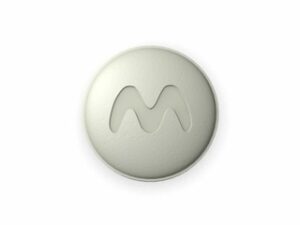
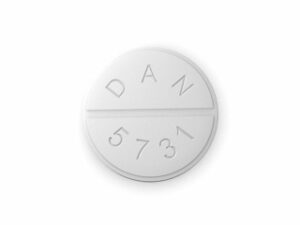
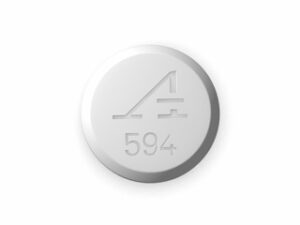
- Common forms: Tablets (strength varies by product presentation)
- Therapeutic areas: Gout/hyperuricaemia; medicine interaction support in selected uses
- UK availability: May be available via pharmacies depending on supply and prescribing/dispensing arrangements
How Benemid works (mechanism of action)
Probenecid is a uricosuric medicine. It mainly works in the kidneys by:
- Blocking transporters in the kidney’s tubules that normally reabsorb uric acid from urine back into the blood.
- Increasing uric acid excretion into the urine.
- Lowering blood uric acid levels over time, which can reduce the risk of gout flares.
Important: Because lowering uric acid takes time, Benemid is not usually a “quick fix” for an ongoing acute gout attack. Its role is often preventative or long-term.
Pharmacokinetics (how the body handles probenecid)
Pharmacokinetics describes what the body does with a medicine. Key points (typical for probenecid; exact values may vary by patient):
- Absorption: Probenecid is absorbed after oral dosing.
- Distribution: It distributes into body fluids and tissues.
- Metabolism: It is metabolised in the body to various metabolites.
- Excretion: Probenecid and its metabolites are eliminated largely through the kidneys. Its uric-acid–lowering effect depends on kidney transporter activity.
- Half-life: The duration of action can be sufficient for dosing schedules used in practice; clinicians may adjust based on kidney function.
Kidney function matters: Since both efficacy and safety depend on urinary handling of substances, reduced kidney function may change how well Benemid works and how safe it is.
Typical use and indications
In the UK, Benemid is used for specific medical purposes, most commonly related to gout and high uric acid levels.
1) Gout and hyperuricaemia
Benemid may be used to help manage chronic hyperuricaemia in people with gout, particularly when a uricosuric approach is appropriate.
It may be considered when:
- Uric acid levels remain high despite other measures
- Allopurinol or febuxostat are not suitable, not tolerated, or not effective (as decided by a clinician)
- There is a need for a uric-acid–lowering strategy that promotes urinary urate removal
2) Helping other medicines work as intended (specialised use)
Probenecid may be used to increase the levels of certain antibiotics or other medicines by reducing their renal clearance (the details depend on the specific medicine and situation).
Note: This “interaction” use is highly specific and depends on the other medicine involved and the clinical goal.
When to take Benemid (timing)
Follow the dosing schedule provided with your medicine. In general:
- Probenecid is usually taken by mouth with water.
- To support kidney clearance, many regimens aim for regular dosing throughout the day.
- For uric-acid–lowering, consistent daily use helps maintain effects.
Hydration tip: Because probenecid increases uric acid in urine, adequate fluid intake is often advised to lower the risk of urinary complications. Your healthcare professional will tailor advice for your circumstances (e.g., heart failure or fluid restrictions).
Food interactions
Many patients ask whether they should take Benemid with food. In general, probenecid can often be taken with or without food, but taking it with meals may help if you experience stomach discomfort.
Practical advice:
- If your stomach feels upset, try taking it with food.
- Stay consistent day-to-day for best routine.
Uric acid and diet still matter: Even though food does not typically “cancel” probenecid, diet choices can strongly influence gout. Reducing purine-rich foods and excess alcohol can improve overall control.
Alcohol interactions
Alcohol can aggravate gout by increasing uric acid production and/or reducing uric acid excretion. While Benemid is not “incompatible” with alcohol in the way some medicines are, combining alcohol with gout medicine may increase the likelihood of flare-ups.
- Recommendation: If you have gout, keep alcohol intake as low as possible.
- Watch for triggers: Beer and spirits may be more likely to trigger flares for some people.
- Seek advice: If you drink regularly, ask your clinician how that fits with your urate management plan.
Medicine interactions (important)
Probenecid can affect how the kidneys handle other substances, so interactions are possible. Below are common interaction themes; always confirm with a healthcare professional or pharmacist for your specific medicines.
Key interaction categories
- Other urate-lowering medicines: Combining strategies may be intentional, but requires monitoring to avoid safety issues and to ensure the plan works.
- Some antibiotics: Probenecid can change antibiotic levels by reducing renal clearance. This can be used therapeutically in selected cases, but it also means “casual” combination should be avoided unless planned.
- Medicines affecting uric acid handling: Other drugs may alter urate levels or compete for kidney transporters.
- NSAIDs and painkillers: These are often used for gout attacks or pain, but whether they are appropriate depends on your kidney function, stomach risk, blood pressure, and other factors.
- Warfarin and other medicines that require careful monitoring: Interactions are possible with many drugs; monitoring may be needed depending on your regimen.
- Diuretics: Some diuretics can raise uric acid; they may worsen gout for some people.
What to do
- Tell your pharmacist about all medicines you take, including over-the-counter products and herbal remedies.
- If you start an antibiotic or new medicine, ask whether you should adjust anything.
- Seek advice urgently if you develop symptoms of an allergic reaction or severe illness.
Dosing (how much to take)
Dose regimens vary by indication, kidney function, and clinical goals. For safety and effectiveness, use the dose you were given rather than estimating from general information.
Typical dosing pattern in gout/hyperuricaemia: Clinicians may begin with a lower dose and increase gradually (“dose titration”) to reduce the risk of uric-acid–related flare-ups and to find the lowest effective dose.
Kidney function and hydration: If kidney function is reduced, dosing may require adjustment and careful monitoring. Your clinician may also advise extra hydration and monitoring of urine and blood urate levels.
General dosing considerations
- Regular dosing: Probenecid is usually taken on a schedule.
- Monitoring: Blood uric acid levels may be checked periodically.
- Gout flares: Early in urate-lowering treatment, flares can occur; additional medicines may be used to prevent attacks during initiation (as clinically appropriate).
Because specific doses differ, check your label or the instruction leaflet provided by your pharmacy.
Safety profile (side effects and when to get help)
Like all medicines, Benemid can cause side effects. Many people experience no serious problems, but it’s important to know what to watch for.
Common or less serious side effects
- Stomach upset (nausea or indigestion)
- Headache
- Dizziness (occasionally)
- Flushing or rash (less commonly)
Important risks (seek advice promptly)
- Kidney stones or urinary problems: Probenecid increases uric acid in urine, which can raise the risk of stone formation in susceptible individuals.
- Allergic reactions: swelling of face/lips, breathing difficulty, widespread rash, or severe itching require urgent medical attention.
- Severe skin reactions: blistering, peeling skin, or mouth ulcers are emergencies.
- Blood or urine changes: symptoms such as persistent pain, blood in urine, or fever should be assessed.
When to stop and seek urgent care
If you experience symptoms suggestive of a serious allergic reaction, severe rash, or severe kidney-related symptoms, contact emergency services or urgent medical care immediately.
Practical use tips (getting the best from Benemid)
1) Stay well hydrated
A core practical step is maintaining adequate fluid intake unless you’ve been told to limit fluids. Hydration helps keep urine more dilute and may reduce the risk of urate stone formation.
2) Keep up with monitoring
- Attend follow-up appointments for blood urate checks.
- Report new symptoms early—especially urinary pain or changes.
3) Understand the “start-up” period
In urate-lowering therapy, gout attacks can temporarily increase at the start as uric acid levels shift. This does not mean the medicine isn’t working; it often means the body is adjusting. Your clinician may recommend preventive measures during initiation.
4) Track flares and triggers
Keep a simple log of flare dates and possible triggers (alcohol, dehydration, heavy meals, illness, or new medications). This can help refine lifestyle and treatment decisions.
5) Avoid “guessing” around medicines
Because probenecid can influence other drugs’ kidney handling, check with a pharmacist before starting new products—especially antibiotics, diuretics, or pain medicines.
Alternative options
There are other approaches for long-term management of gout/hyperuricaemia depending on your history, kidney function, and previous response to medicines.
Urate-lowering medicines
- Allopurinol (xanthine oxidase inhibitor)
- Febuxostat (xanthine oxidase inhibitor; suitability depends on risk profile)
- Lesinurad is not routinely used in many settings compared with older approaches (availability and guidance vary)
- Uricase options may be considered for select complex cases under specialist care
Non-medicine measures
- Weight management if appropriate
- Reducing purine-rich foods (e.g., certain meats and seafood)
- Limiting sugary drinks and excess fructose
- Hydration
- Alcohol moderation
Your best alternative depends on your urate levels, kidney function, prior stones, other medicines, and flare frequency.
UK market and legal/regulatory context (overview)
In the UK, the supply and use of medicines such as Benemid (probenecid) are governed by medicines legislation and professional prescribing/dispensing arrangements. Whether a medicine is available immediately or through specific routes can depend on:
- Product availability and supply chains
- Formulation strength and packaging
- Local pharmacy stock
- Clinical suitability based on patient factors (particularly kidney function)
In addition, UK clinical practice is shaped by guidance from relevant bodies and ongoing safety updates. Always check that you are using current information and that your treatment plan aligns with your clinicians’ recommendations.
Recent guidance and clinical updates (high-level)
Gout management in the UK has increasingly emphasised:
- Achieving and maintaining target urate levels for long-term control
- Structured initiation and flare prevention when starting urate-lowering therapy
- Individualising treatment based on kidney function, comorbidities, and risk of stones
- Reviewing interacting medicines (e.g., diuretics that may worsen hyperuricaemia)
These principles guide decisions about whether probenecid is appropriate and how it should be monitored.
Delivery, availability and what to expect (UK)
Availability of Benemid can vary based on stock levels and supplier supply. For online pharmacy services in the UK, typical expectations include:
- In-stock items: dispatched quickly according to your chosen delivery option.
- Low stock or temporary unavailability: delivery may take longer while the pharmacy sources stock.
- Substitutions: substitutions are usually only possible where permitted and clinically appropriate. Your pharmacy will advise you if an alternative product is needed.
Delivery note: Cold-chain delivery is not typically required for Benemid tablets. Store tablets as directed on the packaging (often at room temperature, away from moisture and heat).
If you need your medicine urgently: contact customer support to confirm current stock and delivery timelines.
FAQ — Benemid (Probenecid)
1) What is Benemid used for?
Benemid (probenecid) is used mainly to help lower high uric acid levels, particularly in gout/hyperuricaemia in suitable patients. It may also have specialist “interaction” uses where adjusting the kidney handling of certain medicines is beneficial.
2) How long does it take to work?
Urate-lowering effects build over time. For gout prevention, benefits generally require consistent use over weeks to months. Early during treatment, gout flares can still occur while uric acid levels adjust.
3) Can I take Benemid for an acute gout attack?
Benemid is not typically used as a rapid treatment for a sudden acute gout flare. Acute flares are usually managed with other targeted treatments. Your healthcare professional can advise the best approach for your current symptoms.
4) Does food affect Benemid?
Food usually does not have a major effect on how probenecid works. Taking it with meals may improve tolerance if you experience stomach upset. Follow the instructions on your label or leaflet.
5) What drinks should I avoid?
Alcohol can trigger gout in many people. It’s best to keep alcohol to a minimum. Also aim for good hydration with water unless you have been advised otherwise.
6) Can Benemid cause kidney stones?
It can increase uric acid in urine, which may raise the risk of stones in susceptible individuals. This is one reason hydration and appropriate monitoring are important.
7) What kidney problems mean Benemid may not be suitable?
Reduced kidney function, history of urate stones, or certain kidney conditions may affect suitability and dosing. A clinician should assess kidney function and your medical history before starting.
8) Are there important medicine interactions?
Yes. Probenecid can interact with medicines that are eliminated by the kidneys or those affecting uric acid handling. Always tell your pharmacist about all your medications, including non-prescription products.
9) What side effects should I report urgently?
Seek urgent help for signs of an allergic reaction (e.g., swelling, breathing problems), severe or blistering rash, or possible kidney-related symptoms such as severe flank pain, blood in urine, or fever.
10) Are there alternatives if I can’t take Benemid?
Alternatives for gout/hyperuricaemia may include other urate-lowering medicines such as allopurinol or febuxostat, depending on your health profile. Non-medicine lifestyle strategies are also important.
Summary
Benemid (probenecid) is a uricosuric medicine that helps lower blood uric acid by increasing uric acid removal through the kidneys. It is used for specific gout/hyperuricaemia situations and may support certain specialist uses involving other medicines. Because kidney function, hydration, and medicine interactions are important, it’s essential to use Benemid exactly as directed and to keep up with monitoring and follow-up. If you notice severe symptoms, urinary problems, or signs of allergy, get medical help promptly.