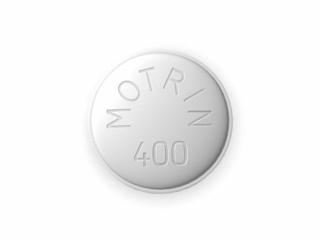

Motrin (Ibuprofen) – Patient-Friendly Guide (UK)
Motrin is a brand name that contains ibuprofen, a medicine from the non-steroidal anti-inflammatory drug (NSAID) family. It is commonly used to help relieve pain, fever and inflammation. This guide explains how it works, how to take it safely, what to expect, and when to seek medical advice.
Important: Always read the information leaflet supplied with your product and follow the dosing instructions on the label or those provided by a clinician. Different strengths and formulations exist.
At a glance
- Active ingredient: Ibuprofen
- Type: NSAID (painkiller/anti-inflammatory)
- Helps with: pain, fever, inflammation
- Available as: tablets/capsules/liquid in various strengths (depending on product)
- Common uses in the UK: headache, period pain, dental pain, back pain, muscle aches, colds/flu symptoms with fever
- Key safety points: may affect the stomach, kidneys, and cardiovascular risk; avoid in certain conditions
Basic product information
Motrin contains ibuprofen. It reduces pain and inflammation by affecting pathways that produce “prostaglandins” in the body. In the UK, ibuprofen is widely used and is available both over-the-counter and in different strengths depending on the product.
Typical strengths (examples)
Products can vary; common OTC strengths include 200 mg tablets and some smaller-dose formats. Higher strengths and different formulations may be available depending on supply route and local regulations.
How Motrin works (mechanism of action)
Ibuprofen works by inhibiting cyclo-oxygenase (COX) enzymes (COX-1 and COX-2). This decreases the production of prostaglandins, which contribute to:
- Pain (by sensitising pain pathways)
- Inflammation (swelling and inflammatory response)
- Fever (resetting temperature regulation in the brain)
The result is analgesic (pain-relieving), anti-inflammatory and antipyretic (fever-reducing) effects.
Pharmacokinetics (what the body does to ibuprofen)
Pharmacokinetics describes absorption, distribution, metabolism and elimination. While individual responses vary, the main features are:
- Absorption: Ibuprofen is absorbed through the stomach and small intestine. Taking it with food may slow absorption, but can improve stomach comfort.
- Onset of action: Many people notice pain relief within 30–60 minutes. Fever relief may also begin within this window.
- Peak levels: Blood levels typically peak about 1–2 hours after a dose for standard formulations.
- Metabolism: Primarily metabolised in the liver.
- Elimination: Metabolites are mainly excreted by the kidneys.
- Half-life: Approximately 2 hours (may vary by person and formulation).
What it’s used for in the UK (indications)
Motrin is typically used for:
- Pain relief: headache, migraine (where appropriate), dental pain, sore throat pain, period pain (dysmenorrhoea), back pain, muscle and joint aches, sprains and strains
- Fever: fever associated with colds and flu-like illnesses
- Inflammation-related discomfort: some inflammatory conditions that cause pain and swelling
If your symptoms are severe, persist beyond a few days, or you are unsure whether ibuprofen is appropriate, seek advice from a pharmacist or healthcare professional.
Typical use and timing
For many adults, ibuprofen is taken as needed for symptom relief. However, some products are designed to provide short-term scheduled dosing. Always follow the exact instructions on your specific pack.
General adult dosing principles (check your product label)
- Start low: Many OTC regimens begin with a lower dose (often 200 mg per tablet), then adjust based on symptom relief.
- Spacing: Doses are usually separated by at least 4–6 hours depending on the product strength and local guidance.
- Maximum daily dose: This depends on whether you are using OTC or higher-dose options. Do not exceed the maximum stated on your product pack.
Children: Dosing for children must be based on age and weight and should follow the product’s child dosing guide. Do not guess. Use the supplied measuring device for liquids and follow the leaflet.
Dosing information (adults and children)
Because Motrin products come in different strengths, the safest approach is to follow the dosing instructions printed on your pack or the product leaflet. Below is a general overview commonly seen with ibuprofen products in the UK.
| Group | Typical approach | Important notes |
|---|---|---|
| Adults | Start with a dose appropriate to the product strength (often 200 mg), then repeat only if needed. | Maintain spacing between doses (often 4–6 hours). Do not exceed the maximum daily dose stated on the pack. |
| Children | Dose is based on body weight and age according to the leaflet. | Use the correct formulation (tablets vs liquid). Seek pharmacist advice if unsure. |
| Older adults | Use the lowest effective dose for the shortest possible time. | Increased risk of stomach side effects and kidney issues—consider asking a pharmacist for suitability. |
Stop and get advice urgently if you experience symptoms of serious side effects (examples listed below).
How to take Motrin (practical use tips)
- Take with water. Swallow tablets whole unless your pack instructs otherwise.
- Use the lowest effective dose for the shortest time needed.
- Do not combine with multiple NSAIDs (e.g., ibuprofen with naproxen or diclofenac). You may be advised that ibuprofen can be taken with paracetamol, but always check your specific product guidance.
- Track how many doses you take, especially if you’re using other cold/flu medicines that may also contain pain/fever ingredients.
- Consider stomach protection strategies if you’ve previously had indigestion, ulcers, or GI bleeding. Ask a pharmacist—your situation may require specific advice.
Food interactions and what to expect
Food can affect how quickly ibuprofen is absorbed. In general:
- With food: may reduce stomach irritation and may be preferable if you have a sensitive stomach.
- On an empty stomach: may work a bit faster for some people, but can increase the risk of indigestion or nausea.
If your stomach feels uncomfortable, taking ibuprofen with a meal or snack may improve tolerability. Avoid taking it with alcohol (see below) and avoid additional NSAIDs.
Alcohol interactions
Combining NSAIDs with alcohol can increase the risk of stomach irritation and gastrointestinal bleeding. Alcohol may also worsen certain side effects such as dizziness or nausea.
If you choose to drink alcohol, consider:
- Taking ibuprofen with food (if appropriate for your product)
- Keeping alcohol amounts low
- Avoiding frequent or heavy alcohol use while taking NSAIDs
If you have a history of ulcers or bleeding, it’s best to speak to a pharmacist before using ibuprofen.
Medicine interactions (important)
Ibuprofen can interact with other medicines. Always check with a pharmacist if you take any regular medication. Particular attention is needed for:
Common interaction categories
- Other NSAIDs (e.g., aspirin for pain, naproxen, diclofenac): increases risk of stomach bleeding and kidney problems.
- Blood thinners (e.g., warfarin): may increase bleeding risk.
- Antiplatelet medicines (e.g., clopidogrel): may raise bleeding risk.
- Corticosteroids (e.g., prednisolone): higher risk of stomach ulceration or bleeding.
- SSRIs/SNRIs (antidepressants): may increase gastrointestinal bleeding risk.
- Diuretics and some blood pressure medicines (e.g., ACE inhibitors, angiotensin receptor blockers): NSAIDs can affect kidney function, especially if dehydrated.
- Lithium: NSAIDs may increase lithium levels, raising toxicity risk.
- Methotrexate: ibuprofen may affect methotrexate clearance and increase side effects, especially at higher doses.
- Low-dose aspirin: do not stop aspirin without medical advice. Some combinations may affect bleeding risk.
Also beware of “hidden” ibuprofen in combined cold/flu products. Check labels so you don’t take the same ingredient twice.
Safety profile (who should be careful)
Like all medicines, Motrin (ibuprofen) can cause side effects. Many people tolerate ibuprofen well when used correctly, but some risks are more serious. The risk increases with higher doses, longer use, older age, dehydration, and certain medical conditions.
Common side effects
- Indigestion, heartburn
- Nausea
- Stomach pain
- Headache or dizziness (occasionally)
- Minor fluid retention (in some people)
Serious side effects – seek urgent advice
- Signs of stomach or bowel bleeding: black/tarry stools, vomiting blood, severe persistent stomach pain
- Allergic reactions: swelling of face/lips, wheezing, severe rash
- Breathing problems, especially if you’ve had asthma triggered by aspirin/NSAIDs
- Kidney problems: reduced urination, swelling of feet/ankles, unusual tiredness
- Severe skin reactions (rare): blistering, peeling rash, fever
- Chest pain or sudden breathlessness (rare): could indicate a cardiovascular event—seek emergency help
Conditions where ibuprofen may be unsuitable
Avoid or seek professional advice before using ibuprofen if you have any of the following (or similar conditions):
- Current or previous stomach ulcers or GI bleeding
- NSAID or aspirin allergy, or asthma that worsens with NSAIDs
- Severe heart failure or recent significant cardiovascular events (risk assessment needed)
- Significant kidney disease or dehydration (e.g., ongoing vomiting/diarrhoea)
- Some clotting disorders or active bleeding risk
- Uncertain pregnancy stage—see below for key pregnancy notes
Pregnancy and breastfeeding (UK guidance overview)
NSAIDs including ibuprofen are generally not recommended in the later stages of pregnancy. If you are pregnant, trying to conceive, or breastfeeding, it’s important to check the product leaflet and seek advice where appropriate. Use only if advised and follow dosing instructions closely.
Recent guidance and important risk awareness
In the UK, ibuprofen has long been used for self-care. However, like all NSAIDs, it carries recognised risks. Public-facing guidance over recent years has emphasised:
- Using the lowest effective dose for the shortest duration
- Not exceeding the maximum daily dose
- Extra caution for people at higher risk of stomach bleeding, kidney problems or cardiovascular events
- Checking for drug interactions and “double dosing” from combination products
- Consulting a pharmacist if symptoms persist or worsen
If you are taking ibuprofen more frequently than expected for symptom control, or if it doesn’t help, it may indicate a different condition that needs assessment.
When to seek medical or pharmacy advice
Speak to a pharmacist or clinician if:
- Your pain lasts longer than a few days or keeps returning
- Your fever lasts more than several days or is very high
- You have symptoms such as severe abdominal pain, blood in stools, breathlessness, or an allergic reaction
- You are using other medicines that may interact (especially blood thinners, steroids, or other NSAIDs)
- You have medical conditions affecting the stomach, kidneys, heart, or asthma
Alternative options
Depending on your symptoms and personal health history, alternatives may include:
- Paracetamol (acetaminophen): helps pain and fever; generally gentler on the stomach than NSAIDs, but dosing must not exceed the daily maximum (and caution is needed with liver disease and alcohol).
- Other NSAIDs: some people use naproxen or diclofenac under guidance, but they carry similar NSAID risks.
- Non-medicine measures: rest, hydration, heat/cold packs, gentle movement, or specific treatments for conditions like sore throats and minor injuries.
- Topical pain relief (for some aches): gels/creams may help localised musculoskeletal pain with lower systemic absorption.
A pharmacist can help choose the most suitable option and prevent unsafe combinations.
UK market/legal context for Motrin (ibuprofen)
In the United Kingdom, ibuprofen products are widely available through pharmacies and other retailers, with many preparations classified for self-care at lower strengths. Higher strengths and specific formats may be supplied under additional rules. Labelling and pack instructions reflect the intended use for pain and fever relief.
Medicines are regulated to ensure quality, safety and appropriate information for consumers. Always follow the instructions on your specific product packaging and leaflet.
Delivery and availability (online pharmacy)
Motrin (ibuprofen) is commonly stocked and may be available as:
- OTC packs in standard strengths
- Different formulations (for example, tablets/capsules or liquids depending on the brand)
Delivery timeframes can vary based on the supplier, location, and stock status. When ordering online, check:
- Estimated delivery window shown at checkout
- Packaging and dispatch details
- Age restrictions and any product-specific requirements
If you need urgent relief and delivery is delayed, consider an alternative suitable product available locally.
FAQ about Motrin (ibuprofen) – UK
1) Is Motrin the same as ibuprofen?
Yes. Motrin is a brand name that contains ibuprofen. Different Motrin products may vary in strength and formulation, so always check the label for the exact dose.
2) How quickly does it work?
Many people start to feel relief within 30–60 minutes. Peak effects may occur around 1–2 hours after dosing (for standard formulations).
3) Can I take Motrin on an empty stomach?
It’s possible, but it may irritate the stomach. If you notice indigestion or nausea, take it with food or after a meal. If you have a history of ulcers or bleeding, ask a pharmacist first.
4) Can I take it with alcohol?
It’s safest to avoid or limit alcohol while taking NSAIDs. Alcohol increases the risk of stomach irritation and bleeding. If you do drink, keep amounts low and ensure you take with food.
5) Can I combine Motrin with paracetamol?
Often, ibuprofen and paracetamol can be used together for pain/fever, but only when used correctly. Always check the dosing instructions on each product to avoid exceeding daily limits. If you’re unsure, ask a pharmacist.
6) What should I do if I miss a dose?
If you are taking it on a schedule, take the next dose when due as per the product instructions. Do not take extra to make up for a missed dose.
7) What is the maximum daily dose?
The maximum depends on the specific Motrin product strength and whether it’s OTC or a different formulation. Always follow the maximum daily dose printed on your pack. Do not exceed it.
8) Who should avoid ibuprofen?
You should avoid ibuprofen or seek advice if you have a history of stomach ulcers/bleeding, NSAID allergy, certain kidney problems, or NSAID-triggered asthma. Pregnancy (especially later stages) and active bleeding risk also require caution—check the leaflet and seek advice.
9) Does ibuprofen affect the kidneys?
It can, particularly in people who are dehydrated, have kidney disease, or take interacting medicines. If you notice reduced urination or swelling, stop and get medical advice urgently.
10) When should I stop taking Motrin and get help?
Stop and seek urgent advice if you develop signs of allergic reaction, severe stomach pain, vomiting blood, black stools, difficulty breathing, or chest pain/breathlessness. For ongoing symptoms, consult a pharmacist or clinician.
11) Is ibuprofen safe for children?
Children can take ibuprofen, but dosing must be correct for their age and weight and must follow the product leaflet. Never use adult dosing for children without guidance.
12) Can I use Motrin for period pain?
Ibuprofen is commonly used for period pain because it helps reduce inflammation-related prostaglandins. Use the lowest effective dose and follow pack instructions; if pain is severe or unusual, seek advice.
Summary
Motrin (ibuprofen) is a widely used NSAID for pain, fever and inflammation. When taken correctly—using the lowest effective dose, spacing doses appropriately, and avoiding unsafe combinations—it can provide effective, timely symptom relief. Because it can affect the stomach, kidneys, and (in some people) cardiovascular risk, it’s important to follow UK pack instructions and seek advice if you have medical conditions or take interacting medicines.