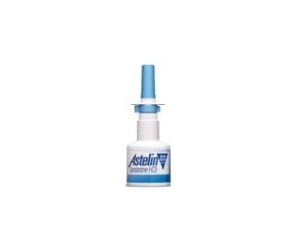
Rhinocort (Budesonide) – Patient Guide (UK)
Rhinocort contains budesonide, a corticosteroid medicine used to treat inflammation in the nose. It is commonly used for hay fever (allergic rhinitis) and other forms of rhinitis where nasal inflammation causes symptoms such as sneezing, blocked nose, and runny nose. This guide explains how Rhinocort works, how to use it, what to expect, and key safety information for adults and children in the United Kingdom.
Quick product overview
| Feature | What Rhinocort is |
|---|---|
| Active ingredient | Budesonide |
| Medicine type | Nasal corticosteroid (anti-inflammatory) |
| Common uses | Allergic rhinitis (hay fever), non-allergic rhinitis, inflammatory nasal symptoms |
| Typical onset | Some relief may begin within 24–48 hours; full effect may take several days |
| How it’s taken | Spray into the nose (usually once or twice daily depending on age/condition) |
| Brand name | Rhinocort |
How Rhinocort works (mechanism of action)
Budesonide is a topical corticosteroid. When sprayed into the nose, it reduces local inflammation by:
- Decreasing inflammatory chemicals released during allergic reactions.
- Reducing swelling and irritation in the nasal lining.
- Improving nasal airflow by treating congestion caused by inflammation.
- Helping control symptoms such as sneezing and runny nose.
Unlike decongestant sprays that may work quickly but can cause rebound congestion if overused, Rhinocort is designed for longer-term control of nasal inflammation.
Pharmacokinetics (how the body handles it)
After use, budesonide mainly acts where it is sprayed in the nose. Some of the medicine may be swallowed and absorbed through the digestive tract, but it is processed by the liver.
- Local nasal action: The effect on the nasal lining is the key benefit.
- Systemic absorption: Overall absorption is relatively low compared with oral steroid therapy.
- Metabolism: Budesonide is largely broken down in the liver into less active metabolites.
- Elimination: Metabolites are removed from the body mainly via the kidneys.
Because budesonide is a steroid, you should use it consistently as directed and avoid doubling doses to “catch up”.
What Rhinocort is used for (indications)
Rhinocort is used to treat symptoms caused by inflammation inside the nose. In the UK, it is commonly used for:
- Allergic rhinitis (hay fever): sneezing, runny nose, blocked nose, nasal itching.
- Non-allergic rhinitis: nasal symptoms not necessarily linked to allergy (for example, persistent congestion or irritation).
- Seasonal or perennial symptoms: can be used when symptoms are present, and for planned seasonal use as advised.
If you have symptoms that are severe, persistent, or mainly associated with infection (e.g., high fever, facial pain, or pus-like discharge), seek professional medical advice—steroid nasal sprays may not be appropriate for all causes of rhinitis.
Typical dosing (how much to take)
The dose depends on age and the product strength/format. Always follow the instructions provided with your specific Rhinocort product and the guidance from your healthcare professional or pharmacist.
General dosing approach (adults and adolescents)
- Starting dose: Usually given once daily in each nostril or sometimes split across the day, depending on symptom control.
- Maintenance: Once symptoms improve, the dose may be reduced to the lowest effective amount.
Children
- Children may need a different dose based on age and product strength.
- Use only the age-appropriate Rhinocort formulation and dosing instructions.
Important: Do not increase the dose beyond what is recommended for your age or symptoms. If symptoms are not improving, it may take a few days for full benefit, but you should consult a clinician if there is no improvement after a reasonable period or if symptoms worsen.
Timing: when to use Rhinocort and when you’ll feel better
Rhinocort works by reducing inflammation, so it may not provide instant relief. Many people notice improvement within 24–48 hours, while the best effect can take several days.
- Best time: Choose a time you can keep consistent (often morning or evening), based on when symptoms are worst.
- Consistency matters: Using it daily during the allergy season tends to work better than using it only when symptoms become severe.
- Before bedtime: If congestion or drip worsens overnight, using the spray in the evening may help.
If you miss a dose, use it when you remember unless it is close to the next dose time. Do not take extra doses to make up for a missed spray.
How to use Rhinocort correctly (practical tips)
Correct technique helps the spray reach the nasal lining and improves results.
Before you start
- Gently blow your nose to clear mucus.
- Check the spray instructions for your exact device and strength.
- If it’s a new bottle or you haven’t used it for a while, you may need to prime the device (follow the leaflet).
Using the nasal spray
- Position your head: Keep your head upright (not tilted far back).
- Insert the nozzle: Place the nozzle into one nostril while keeping the other nostril partly closed.
- Breathe gently: Start a gentle inhale through your nose as you press the pump.
- Direct the spray: Aim slightly outwards (towards the ear), not straight up the middle of the nose.
- Repeat: If your dose requires more sprays, repeat in the same nostril following the leaflet.
- Wipe and store: Wipe the nozzle and replace the cap. Clean as directed by the manufacturer.
After using
- Avoid blowing your nose immediately after spraying if possible.
- If you feel the spray goes down your throat, this can happen—sip water if needed.
- If you experience dryness, consider using saline nasal rinses (as appropriate) to improve comfort.
Food interactions
There are no specific food interactions that require dietary changes for Rhinocort when used as directed. Small amounts of the spray may be swallowed, but this does not typically cause clinically meaningful food-related effects.
If you have reflux or swallowing difficulties, you may notice the medication’s taste or sensation in the throat—this usually improves with correct technique.
Alcohol and medicine interactions
Alcohol
Rhinocort is not known for direct interactions with alcohol in the way some oral medications are. However, if alcohol worsens your nasal symptoms (for example, via irritation or congestion), you may find symptoms feel worse after drinking.
Other medicines
Interactions can occur when medicines affect how budesonide is processed in the body (particularly in the liver). Some medicines may increase budesonide levels, potentially raising steroid-related side effects.
- CYP3A4 inhibitors: Certain medicines (e.g., some antifungals such as ketoconazole/itraconazole; some antibiotics/anti-HIV medicines) can increase budesonide exposure.
- Other corticosteroids: Using additional steroid medicines (including tablets, injections, or other nasal/oral steroids) can increase overall steroid load.
- Immunosuppressive medicines: If you take medicines that affect the immune system, ask a pharmacist or clinician for advice, especially if you have infections.
Always tell a healthcare professional or pharmacist about all medicines you use, including over-the-counter products and herbal remedies.
Safety profile and side effects
Rhinocort is generally well tolerated. Because it delivers a steroid to the nasal tissues, most side effects are local. Systemic side effects are less common than with oral steroids, but caution is still important—especially with high doses or long-term use.
Common side effects
- Dry nose or throat irritation
- Sneezing immediately after spraying
- Headache
- Nosebleeds (epistaxis)
- Nasal discomfort or burning sensation
Less common but important risks
- Nasal ulcers or damage to nasal lining: This may occur, particularly if technique is poor or the dose is too high.
- Eye problems: Long-term steroid use in any form (including nasal) may rarely be associated with cataracts or glaucoma. This is more relevant when high doses are used over long periods.
- Systemic steroid effects: Uncommon with nasal use, but risk rises with higher doses, prolonged use, or interacting medicines. Examples can include effects on growth in children and hormonal effects.
- Infections: Corticosteroids can sometimes mask symptoms of infections; rarely they may make infections worse. Seek advice if you develop fever or worsening symptoms.
When to seek urgent medical advice
- Severe or worsening nosebleeds
- Signs of a serious allergy (e.g., facial swelling, breathing difficulties)
- Severe pain, ulceration inside the nose, or persistent symptoms
- Symptoms of a significant infection (e.g., high fever) while using nasal steroids
Use in children and growth monitoring
For children, clinicians often use the lowest effective dose and monitor growth when nasal steroids are used regularly for long periods. If you have a child using Rhinocort, discuss ongoing treatment duration with a healthcare professional.
Practical “do’s and don’ts”
Do
- Use it daily during flare-ups or allergy seasons, not only when symptoms are at their worst.
- Follow correct spraying technique (head upright, aim slightly outward).
- Clean the nozzle as directed to avoid blockage and ensure consistent dosing.
- Consider saline sprays/rinses if your nose feels very dry (and if appropriate for you).
Don’t
- Don’t stop abruptly without guidance if you’ve been using it continuously for a long time.
- Don’t use higher doses than advised to “speed up” results.
- Don’t share your nasal spray with others.
Alternative options for nasal allergy and rhinitis (UK)
Depending on your symptoms and medical history, other treatments may be considered. Alternatives include:
- Other nasal corticosteroid sprays: There are multiple steroid sprays available in the UK (different active ingredients and schedules).
- Antihistamine tablets or nasal sprays: Useful for sneezing, itching, and runny nose; some people prefer a combination approach.
- Leukotriene receptor antagonists: Sometimes used for people with allergic conditions, especially if asthma is also present.
- Barrier methods: Saline and barrier sprays may help reduce allergen exposure for some individuals.
- Allergy management: Measures like keeping windows closed during high pollen times and using air filtration can reduce triggers.
Your pharmacist can help you choose an option based on symptom pattern (blocked vs runny nose), age, and other conditions.
Market and legal context in the United Kingdom
In the UK, availability of medicines can vary by strength, product format, and regulatory classification. Many nasal sprays containing corticosteroids are made available either via different supply routes or under specific pharmacy/pharmacy-led guidance depending on the product and patient group.
For the most up-to-date information on product availability and supply route, check the specific listing on the online pharmacy website. UK regulations also require that patients receive clear instructions on appropriate use, storage, and safety information.
Recent guidance and best-practice considerations
Current allergy and rhinitis practice commonly emphasises:
- Anti-inflammatory treatment as first-line for significant nasal symptoms: Nasal corticosteroids are often recommended for moderate to severe rhinitis, particularly when nasal blockage is prominent.
- Correct technique: Many “treatment failures” are due to poor spraying technique or inconsistent use.
- Step-up/step-down: Use the lowest effective dose, adjusting based on symptom control.
- Individualised plans: People with asthma, frequent infections, or special circumstances may need tailored advice.
If symptoms persist, clinicians may review diagnosis, assess technique, check for contributing factors (e.g., viral infections, irritants, deviated septum), or consider combination therapy.
Delivery, availability, and storage (UK online pharmacy)
Rhinocort is typically available through UK pharmacies, including online. Availability can vary by:
- Pack size and formulation (adult vs children versions)
- Strength of the spray
- Current stock levels and supplier supply
Delivery: Delivery times depend on your location and the pharmacy’s dispatch schedule. Your order confirmation should provide an estimated delivery window.
Storage: Store according to the leaflet instructions, usually at room temperature, away from direct heat and sunlight. Keep out of reach of children.
Frequently Asked Questions (FAQ)
1) When will Rhinocort start working?
Many people notice improvement within 24–48 hours. For full symptom control, it may take several days. For seasonal allergies, starting before the pollen season can be beneficial.
2) Is Rhinocort safe for long-term use?
It is designed for ongoing management of nasal inflammation. Many patients use nasal corticosteroids for longer periods, but it’s important to use the lowest effective dose and have regular review if symptoms are persistent, especially in children.
3) Can I use Rhinocort if I have a nosebleed?
Mild nosebleeds can occur. If you experience nosebleeds, check your spraying technique and consider using the nozzle correctly and gently. If nosebleeds are frequent, heavy, or persistent, seek advice from a healthcare professional.
4) What if I also use a saline spray?
Saline sprays are often used to moisturise the nose and can be used alongside Rhinocort. For many people, saline can be used first, then Rhinocort after the nose is cleared. Follow the specific instructions on each product.
5) Can I use Rhinocort with other allergy medicines?
Often, yes—depending on what other medicines you use. Some people benefit from combining a nasal steroid with an antihistamine. However, check potential interactions with any regular medicines, especially those that may affect steroid metabolism.
6) Will Rhinocort cause weight gain or acne like steroid tablets?
With nasal use, systemic effects are much less common than with oral steroids. Local side effects like dryness or nosebleeds are more typical. If you notice unexpected symptoms, speak to a pharmacist or clinician.
7) Are there any food or drink restrictions?
No specific dietary restrictions are typically required. Alcohol is not known to directly interact with Rhinocort, but it may worsen symptoms in some individuals.
8) What should I do if I miss a dose?
Use it when you remember unless it’s close to the next dose. Do not take extra sprays to make up for a missed dose.
9) Can Rhinocort be used during pregnancy or breastfeeding?
Budesonide is one of the more commonly used nasal corticosteroids during pregnancy and breastfeeding, but the best choice depends on your personal circumstances and symptom severity. Ask a pharmacist or clinician for advice.
10) When should I stop and get medical advice?
Seek advice if you develop severe nose pain, frequent heavy nosebleeds, signs of infection, or if your symptoms don’t improve after using Rhinocort correctly for a reasonable time.
Summary
Rhinocort (budesonide) is a nasal corticosteroid designed to reduce inflammation in the nose, helping control symptoms of allergic rhinitis and certain inflammatory nasal conditions. It works best when used consistently, with benefits often starting within a couple of days. By using the correct technique and staying alert for side effects, many people achieve effective, long-term symptom relief.