

Orapred (Prednisolone) – Patient Guide (UK)
Orapred contains prednisolone, a corticosteroid medicine used to reduce inflammation and calm overactive immune responses. It may be prescribed for a wide range of conditions, from allergic reactions to inflammatory disorders and certain autoimmune diseases.
This guide explains how Orapred works, how it’s typically taken, what to watch for, and where to find practical UK-specific information about availability and safety.
1) Basic product information
- Medicinal ingredient: Prednisolone
- Medicine type: Corticosteroid (glucocorticoid)
- Common uses: Inflammatory and immune-mediated conditions
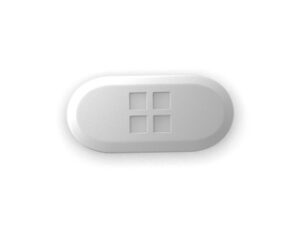
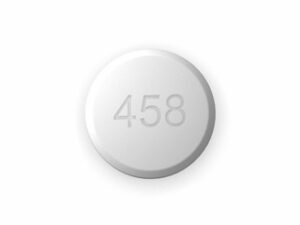
- How it’s supplied: Often available as an oral medicine (commonly as tablets or liquid depending on product formulation)
- Brand name: Orapred
- Market: Used in the UK for appropriate clinical indications
Note: Different strengths and formulations exist. Always check your specific pack for the exact strength, dosing instructions, and expiry date.
2) What prednisolone does (mechanism of action)
Prednisolone is a synthetic steroid that reduces inflammation through several interlinked actions:
- Suppresses inflammatory cell activity (including certain white blood cells and mediators).
- Reduces production of inflammatory substances such as prostaglandins and leukotrienes.
- Decreases immune system activity by affecting cytokines and other immune signalling pathways.
- Stabilises cell membranes and reduces tissue swelling.
In practical terms, this can reduce symptoms such as pain, swelling, redness, itching, breathlessness, and flare-ups in conditions driven by inflammation or an overactive immune response.
3) Pharmacokinetics (how the body handles it)
Pharmacokinetics describes what happens after taking a medicine—absorption, distribution, metabolism, and excretion.
- Absorption: Prednisolone is absorbed from the gut after oral administration.
- Distribution: It distributes into body tissues and binds to plasma proteins (mainly corticosteroid-binding proteins).
- Metabolism: Prednisolone is metabolised mainly in the liver.
- Elimination: Metabolites are excreted largely via the kidneys in urine.
Clinical implication: Your prescriber may adjust dosing in some liver-related situations, and certain interacting medicines may change steroid levels or effects.
4) Typical use and why timing matters
Orapred is used for short-term flare control or longer-term management depending on the condition and severity.
Common timing approach
- Often taken in the morning to mimic the body’s natural cortisol rhythm and to reduce risk of sleep disturbance.
- If higher doses are used, your treatment plan may specify a specific split schedule (for example, morning and early afternoon).
Always follow your own plan based on your condition and dose. If you are not sure about when to take it, check with your pharmacist or prescriber.
5) Food interactions
Prednisolone is generally taken with food or after meals if it causes stomach upset.
- Food effects: Taking it with food can help reduce gastric irritation.
- Grapefruit: Some steroid metabolism can be affected by foods and drinks that inhibit liver enzymes. Grapefruit is not usually a strict prohibition for prednisolone, but it may be sensible to limit if you notice effects or if your clinician advised avoidance.
- Gastric protection: If you are at risk of stomach ulcers or have a history of ulcer/bleeding, your clinician may recommend additional protection (e.g., a stomach acid–reducing medicine).
Practical tip: If you’re prescribed once-daily dosing, many people find it easiest to take it with breakfast.
6) Alcohol and medicine interactions
Alcohol
Alcohol can increase the risk of stomach irritation and may worsen side effects such as mood changes, indigestion, and sleep disturbance. While moderate alcohol may be acceptable for some people, it’s best to discuss with a healthcare professional—especially if you take higher doses, have liver problems, or have a history of ulcers.
Medicine interactions (examples)
Prednisolone can interact with several medicines. The effect may be an increased risk of side effects, reduced steroid effect, or changes in blood sugar or blood pressure.
- NSAIDs (e.g., ibuprofen, naproxen): may increase risk of stomach irritation/ulcer when used with steroids.
- Anticoagulants (e.g., warfarin): steroid treatment can affect bleeding risk; monitoring (e.g., INR) may be needed.
- Diabetes medicines: steroids can raise blood glucose, requiring adjustments.
- Diuretics (water tablets): may contribute to low potassium; steroids can also lower potassium.
- Vaccines: response to vaccines may change; some live vaccines may be contraindicated while on higher doses or long courses.
- Enzyme-inducing medicines (e.g., some antiepileptics, rifampicin): may reduce steroid effect.
- CYP3A4 inhibitors (some medicines used for fungal infections or certain antivirals): may increase steroid effects.
- Immunosuppressants: combined immunosuppression can increase infection risk.
Important: This is not a complete list. Tell your pharmacist about all medicines you take, including over-the-counter products, herbal remedies, and supplements.
7) Indications (what Orapred is used for)
Prednisolone is used to treat conditions where reducing inflammation and immune activity is beneficial.
Depending on your individual circumstances, it may be used for:
- Allergic and inflammatory conditions (e.g., severe allergic reactions under specialist direction, inflammatory episodes)
- Asthma and wheeze during flare-ups or as part of a broader plan
- Autoimmune conditions (conditions where the immune system attacks the body)
- Inflammatory bowel disease (e.g., flare management)
- Rheumatologic disorders (e.g., inflammatory arthritis or related conditions)
- Skin conditions and severe inflammatory rashes (where appropriate)
- Some blood disorders where immune-mediated destruction is involved (specialist-led)
- Other inflammatory or immune-mediated conditions as determined by clinicians
Note: The exact indication and duration depend on the diagnosis, severity, and risk-benefit assessment.
8) Dosing (general guidance)
Dosing varies widely depending on the condition, severity, age, and whether the course is short-term or long-term. Your treatment plan is tailored to you.
General principles
- Use the lowest effective dose for the shortest possible time when appropriate.
- Do not stop suddenly if you’ve been taking it for more than a short course or at higher doses—your body may need time to restart natural steroid production.
- Tapering may be needed after longer courses.
How to take it
- Once-daily doses are commonly taken in the morning.
- If your dose is split, follow the schedule given to you.
- Swallow tablets whole with water, or use the liquid form exactly as measured (if applicable).
- If you miss a dose, take it when you remember unless it’s close to the time for the next dose. Avoid doubling unless advised.
Practical tip: Set a daily reminder. If you are using a liquid, use the oral syringe or measuring device supplied with the medicine to ensure accurate dosing.
9) Safety profile and when to seek help
Like all medicines, Orapred can cause side effects. Many are dose- and duration-dependent.
Common side effects
- Increased appetite
- Stomach discomfort or heartburn
- Changes in sleep (including restlessness)
- Mood changes (irritability, anxiety, or mood swings)
- Headache
- Fluid retention and increased swelling
Possible longer-term or higher-dose effects
- Increased blood sugar (may worsen diabetes)
- Weight gain and changes in fat distribution
- Higher blood pressure
- Reduced bone strength (osteoporosis), especially with prolonged use
- Increased infection risk
- Eye problems (e.g., cataracts, raised eye pressure) with long courses
- Muscle weakness
- Skin changes (thinning, easy bruising, slow wound healing)
Serious warnings – contact urgent medical help if
- Signs of a severe allergic reaction (e.g., swelling of face/lips, breathing difficulties)
- Severe infection symptoms such as high fever, chills, or worsening illness
- Severe stomach pain, black/tarry stools, or vomiting blood
- Severe headaches, vision changes, or eye pain
- New severe mental health symptoms (e.g., confusion, extreme agitation)
Why “tapering” matters
With sustained steroid use, the body’s natural cortisol production can reduce. Stopping suddenly may lead to adrenal insufficiency (which can be dangerous). Always follow a planned reduction schedule if one has been provided.
10) Practical use tips (making treatment easier and safer)
- Take it in the morning if possible to reduce insomnia or restlessness.
- Take with food if it upsets your stomach.
- Check your blood sugar more often if you have diabetes or pre-diabetes.
- Monitor blood pressure if you have hypertension.
- Stay hydrated and eat a balanced diet; steroids can increase appetite.
- Protect bones if you are on longer courses—your clinician may advise vitamin D, calcium, or bone-protective treatment.
- Vaccination advice matters—seek advice before vaccinations if you’re on higher doses or long courses.
- Reduce infection exposure where feasible; report infection symptoms promptly.
- Keep a steroid record (dose and duration). This helps if you need urgent medical care.
11) Alternative options
Alternatives depend entirely on the condition being treated. Your clinician may choose:
- Other corticosteroids (different steroid medicines, different schedules)
- Inhaled corticosteroids for some airway conditions (to reduce systemic effects)
- Non-steroidal anti-inflammatory drugs (NSAIDs) for certain inflammatory problems (not always suitable, especially with ulcer risk)
- Disease-modifying medicines (for chronic autoimmune/inflammatory disorders)
- Biologic therapies or other targeted immune treatments (for specific diagnoses)
- Supportive measures such as physiotherapy, trigger avoidance, allergy management, or topical treatments for skin
Discuss options with a healthcare professional if you experience troublesome side effects or if your condition doesn’t respond as expected.
12) UK market and legal context
In the United Kingdom, medicines containing prednisolone are widely used and regulated under UK medicines law and associated pharmacy practice requirements. Supply, access, and ongoing care are guided by national clinical standards and pharmaceutical regulation.
Because Orapred is a steroid with important safety considerations—particularly regarding infection risk, adrenal suppression, and interactions—appropriate patient selection and counselling are essential.
Good to know: Even when supply is available through pharmacies, steroid use should always align with an individual treatment plan and follow-up where appropriate.
13) Recent guidance and clinical monitoring (UK context)
Recent clinical practice in the UK continues to emphasise:
- Using the lowest effective steroid dose and reassessing the need regularly.
- Shortening duration where possible, particularly for inflammatory flares.
- Structured “step-down” plans where steroid courses extend beyond a short period.
- Infection awareness and patient education about early symptom reporting.
- Monitoring for effects such as blood pressure changes, raised blood sugar, bone health risk, and eye complications for longer courses.
If you are using prednisolone for weeks to months, ask your clinician what monitoring is recommended for you (for example, bone protection and periodic checks).
14) Delivery, availability, and how to prepare for purchase (online pharmacy)
Orapred availability can vary based on the specific formulation (e.g., tablets vs liquid), strength, and supplier stock. Online pharmacies in the UK typically provide:
- Real-time stock information where possible
- Standard and express delivery options depending on location
- Discrete packaging to protect privacy
- Customer support for questions about strength, dosing measurements, and storage
Before ordering:
- Check you have the correct strength and formulation for your intended use.
- Confirm your household can store it properly (as per label instructions).
- Plan how you’ll manage dosing reminders (especially if on a taper schedule).
Storage: Store in accordance with the instructions on the package. Keep away from excessive heat and out of reach of children.
15) Frequently Asked Questions (FAQ)
How quickly does Orapred work?
Many people notice improvement within hours to a couple of days, depending on the condition and dose. Some conditions respond more slowly. If there is no improvement within your expected timeframe, contact your healthcare professional.
Can I take Orapred every day?
Orapred is used on a schedule that depends on your diagnosis. Some people take once daily; others may take it less frequently or in short courses. Do not change your schedule without medical advice.
What should I do if I miss a dose?
If you miss a dose, take it when you remember unless it’s close to the next dose. Avoid doubling. If you frequently miss doses, speak with a pharmacist for practical strategies.
Can I stop Orapred suddenly?
If you have been taking prednisolone for more than a short course, you should not stop suddenly. A gradual reduction is often needed to allow the body to recover its natural steroid production.
Will Orapred affect my appetite and weight?
Yes. Increased appetite is common, and weight changes can occur—particularly with higher doses or longer courses. Eating balanced meals and monitoring portion sizes can help.
Does Orapred raise blood sugar?
It can. If you have diabetes or pre-diabetes, monitor your glucose closely and discuss dose adjustments with your clinician.
Is it safe to drink alcohol while taking prednisolone?
Alcohol may worsen stomach irritation and can affect mood and sleep. It’s best to keep alcohol moderate and discuss your personal situation with a clinician, particularly if you have ulcers or liver issues.
What vaccines should I avoid?
Vaccine advice depends on the dose and duration of steroid treatment and on vaccine type. Live vaccines may be unsuitable during higher-dose or prolonged steroid therapy. Ask your healthcare professional or pharmacist for guidance.
Are there food or drink things to avoid?
Taking prednisolone with food can help reduce stomach upset. There are no universal dietary restrictions, but interactions may exist with some medicines. If you have specific dietary habits or take herbal products, ask your pharmacist.
What side effects should I watch for urgently?
Seek urgent help for severe allergic reactions, signs of serious infection, gastrointestinal bleeding (e.g., black stools or blood in vomit), severe eye problems, or severe mental health changes.
Summary
Orapred (prednisolone) is an anti-inflammatory steroid used to treat a range of immune and inflammatory conditions. Taking it at the right time (often in the morning), using food to reduce stomach upset, and following a safe plan—especially if the course is longer—are key to effective and safer treatment.
If you have questions about interactions, side effects, or whether your symptoms are improving as expected, speak with a pharmacist or healthcare professional.