

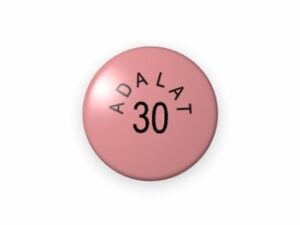
Aceon (Perindopril) – Patient-Friendly Guide (UK)
Aceon is a medicine containing perindopril, used to treat certain cardiovascular conditions. This page explains what it is, how it works, how it’s usually taken, and what to expect regarding safety, interactions, and practical day-to-day use in the United Kingdom.
Always follow the instructions provided by your healthcare professional or the product information leaflet. If you have any concerns—especially about side effects, interactions, or how to start—seek medical advice.
Basic product information
| Feature | What to know |
|---|---|
| Brand name | Aceon |
| Active ingredient | Perindopril (an ACE inhibitor) |
| Medicine type | Cardiovascular medicine – ACE inhibitor |
| Common uses | High blood pressure; reducing risk of certain cardiovascular events in selected patients |
| How it’s taken | By mouth, usually once daily |
| Key cautions | Can affect kidneys and potassium; may cause cough; not suitable in pregnancy |
What is Aceon (Perindopril)?
Perindopril belongs to a group of medicines called ACE inhibitors (Angiotensin-Converting Enzyme inhibitors). ACE inhibitors help widen blood vessels and reduce strain on the heart. They are widely used in the UK for conditions such as hypertension and to lower the risk of cardiovascular complications in appropriate patients.
Aceon is typically taken as tablets. The exact strength and dosing schedule may vary depending on your condition, age, and other medicines you take.
How Aceon works (mechanism of action)
Perindopril works by blocking ACE, an enzyme involved in the body’s renin–angiotensin–aldosterone system.
- ACE inhibition reduces formation of angiotensin II, a substance that narrows blood vessels.
- Blood vessels relax and widen, helping lower blood pressure.
- Less aldosterone is produced, which can help the body retain less salt and water.
- Over time, these effects can help the heart and blood vessels work more efficiently, improving outcomes for certain people.
Important note: Perindopril is taken to improve health outcomes over time. A symptom like “feeling fine” does not reliably indicate whether blood pressure and cardiovascular risk are fully controlled.
Pharmacokinetics (how the body handles the medicine)
Understanding pharmacokinetics can help explain timing and why certain effects appear after starting treatment.
- Absorption: Perindopril is absorbed from the gut after you take it by mouth.
- Conversion to active form: Perindopril is a prodrug. It is converted in the body into the active metabolite(s) that help reduce ACE activity.
- Distribution: The active metabolite circulates and acts on the ACE pathway.
- Elimination: The active metabolites are mainly eliminated via the kidneys. Therefore, kidney function is important when choosing dose and monitoring.
- Effect onset: Some blood pressure lowering may be noticed soon after starting, but full effect can take days to weeks. The cardiovascular risk benefits are generally assessed over longer periods.
Typical uses and indications in the UK
Perindopril is used for:
- Treatment of hypertension (high blood pressure).
- Reducing risk of cardiovascular events in selected patients with stable coronary artery disease and/or certain cardiac conditions, as considered appropriate by clinical guidance and product information.
Your healthcare professional will choose Aceon based on your diagnosis, medical history, blood pressure readings, kidney function, and other risk factors.
Dosing: how Aceon is commonly taken
Dosing varies by individual circumstances. Only adjust or change your dose on medical advice.
Typical starting and maintenance approach
- Starting dose may be lower in older adults or people with kidney impairment.
- Dose may be adjusted based on blood pressure, kidney function (creatinine/eGFR), and potassium levels.
- Some regimens involve gradual titration to a target or maximum tolerated dose.
Common dosing schedule
Perindopril is often taken , frequently in the morning or at a time aligned with your routine. Your specific instructions should follow the label or clinician guidance.
Timing: when to take Aceon
Many patients find it easiest to take Aceon at a consistent time each day.
- Consistency matters: Try to take it at the same time each day.
- If you miss a dose: Take it when you remember unless it’s close to your next dose. Do not double the dose.
- Long-term use: Aceon is typically used continuously to manage blood pressure and reduce cardiovascular risk.
Clinical note: If you experience dizziness, light-headedness, or fainting—particularly after the first dose or dose increases—contact your healthcare team promptly.
Food interactions
Food can influence how much medicine is absorbed for some ACE inhibitors. For perindopril, food may reduce absorption for the tablet formulation in some circumstances.
- Follow the product instructions and the advice given by your pharmacist.
- If you are unsure whether to take it before or after food, check your specific Aceon product leaflet or ask your pharmacist.
Practical tip: If your instructions say to take Aceon before meals, try to keep that routine. If it says with or after food, take it consistently that way to avoid fluctuations.
Alcohol and medicine interactions
Alcohol can interact with Aceon by increasing the risk of low blood pressure (dizziness or fainting).
- Be cautious with alcohol, especially when starting treatment or after dose increases.
- Ask your clinician if it’s safe to drink alcohol and what amount is reasonable for you.
Because you may also be taking other blood pressure medicines, alcohol can further compound the effect. If you feel unwell, stop drinking and seek advice.
Medicines that may interact with Aceon
Interactions are important because ACE inhibitors can affect kidney function and potassium levels. Always inform your pharmacist/clinician about all medicines and supplements you use, including over-the-counter products.
Common interaction considerations
- Potassium supplements or potassium-containing salt substitutes (risk of high potassium).
- Potassium-sparing diuretics such as spironolactone or eplerenone (may increase potassium).
- Diuretics (“water tablets”)—may increase the chance of low blood pressure or kidney changes, especially at start.
- NSAIDs (e.g., ibuprofen, naproxen, diclofenac) used regularly or at higher doses—can affect kidney function and reduce antihypertensive effect. Occasional single doses may be different, but ask advice if you use them often.
- Other blood pressure medicines—may increase blood pressure-lowering effect (sometimes beneficial, sometimes causing symptoms of low blood pressure).
- Lithium—ACE inhibitors can increase lithium levels; careful monitoring is needed.
- Some medicines for diabetes (insulin or tablets)—may increase risk of low blood sugar, though this depends on the regimen.
- Immunosuppressants and other agents affecting the immune system—may require closer monitoring.
Supplements and herbal products
Herbal remedies and supplements are not always harmless. Tell your healthcare team if you take:
- Potassium-containing supplements
- Salt substitutes
- Liquorice-containing products (may affect blood pressure/potassium balance)
Safety profile: side effects and who should be cautious
Most people tolerate Aceon well, but like all medicines it can cause side effects. Some effects are more serious and should be acted upon quickly.
Common side effects
- Dry, persistent cough (a well-known ACE inhibitor effect)
- Dizziness or light-headedness, especially when standing up
- Headache
- Feeling tired
Less common but important effects
- Low blood pressure (symptoms may include fainting, severe dizziness)
- Kidney function changes (may require blood tests)
- High potassium (may be asymptomatic but can be detected in blood tests)
- Rash or itching
Seek urgent medical help if
- Swelling of the face, lips, tongue, or throat (possible angioedema)
- Breathing difficulties or trouble swallowing
- Severe allergic reaction symptoms (hives, rapid swelling, collapse)
- Signs of severely reduced kidney function (e.g., marked decrease in urine output, severe weakness)
Who should be extra cautious
Your prescriber may be more careful or adjust your dose if you have:
- Kidney disease or reduced kidney function
- Very low blood pressure or a history of fainting
- Dehydration (e.g., vomiting/diarrhoea) or a recent illness with fluid loss
- Heart conditions requiring close monitoring
- Diabetes or electrolyte disorders
Practical use tips (getting the best results safely)
1) Keep up with blood tests
Because ACE inhibitors can affect kidneys and potassium, blood tests are commonly arranged after starting or changing dose. These tests help confirm it’s safe to continue and that the dose remains appropriate.
2) Stand up slowly
If you feel dizzy, rise gradually from sitting or lying positions. This can help prevent falls.
3) Don’t stop suddenly without advice
Aceon is intended for ongoing management. Stopping suddenly can worsen blood pressure control and cardiovascular risk.
4) Manage “sick days” carefully
If you develop vomiting or diarrhoea, become significantly dehydrated, or have a serious infection, contact your healthcare team for advice. During such episodes, ACE inhibitors may sometimes need temporary reassessment depending on your situation.
5) Use consistent lifestyle measures
Medicines work best alongside lifestyle changes such as:
- Reducing salt intake
- Regular physical activity appropriate for your condition
- Stopping smoking and limiting alcohol
- Maintaining a healthy weight
Alternative options (other medicines your clinician may consider)
If Aceon isn’t suitable due to side effects, interactions, or inadequate effect, clinicians may consider alternative medication classes.
Possible alternatives
- Other ACE inhibitors (e.g., enalapril, lisinopril, ramipril)
- Angiotensin receptor blockers (ARBs) (e.g., losartan, valsartan, candesartan), often used if ACE inhibitor cough occurs
- Calcium channel blockers (e.g., amlodipine)
- Thiazide-like diuretics (e.g., indapamide)
- Beta blockers in selected cardiac conditions
The best alternative depends on your diagnosis, other health conditions, kidney function, and current medicines.
Market and legal context for the UK
In the United Kingdom, cardiovascular medicines like perindopril are provided under the medicines regulatory framework overseen by the Medicines and Healthcare products Regulatory Agency (MHRA), and medicines are expected to meet the UK requirements for safety, quality, and effectiveness.
Medicines classification and supply rules are set in accordance with UK regulations, including requirements for safe supply processes and appropriate patient information. For online pharmacy purchase, delivery and documentation procedures are designed to ensure safe access to appropriate medicines.
Recent healthcare updates: National guidance is periodically updated based on new evidence. Ensure you follow current advice from your healthcare provider regarding blood pressure targets, monitoring, and choice of therapy for your specific cardiovascular risk profile.
Recent guidance and monitoring considerations (UK-facing)
While individual treatment decisions are personalised, current UK practice generally emphasises:
- Regular monitoring of blood pressure and relevant labs (kidney function and potassium) when starting or adjusting ACE inhibitors.
- Individualised dose titration—starting low in people at higher risk of side effects.
- Shared decision-making to balance benefits (blood pressure control and reduced cardiovascular risk) with risks (e.g., cough, electrolyte changes).
- Clear “what to do if unwell” plans for patients prone to dehydration or who develop vomiting/diarrhoea.
If you’re unsure whether your situation requires extra monitoring, ask your GP practice or pharmacist.
Delivery and availability (UK online pharmacy overview)
Availability may vary by supplier and stock levels. When ordering online, reputable UK pharmacies typically:
- Confirm the correct product strength and quantity
- Use secure packaging suitable for medicines
- Provide delivery time estimates and tracking information where available
- Include patient information resources with the order
Delivery times: These differ between suppliers and depending on your location in the UK. At checkout, you’ll usually see an estimated delivery window.
Storage: Store Aceon in a cool, dry place away from moisture. Keep it out of reach of children. Follow the storage instructions on the pack.
FAQ
1) What is Aceon used for?
Aceon (perindopril) is used for high blood pressure and to reduce the risk of certain cardiovascular events in selected patients, depending on the clinical situation.
2) How long does it take to work?
Some blood pressure reduction can occur soon after starting. However, medicines like perindopril are used long-term. Full effect and risk reduction are evaluated over weeks to months, depending on your treatment plan.
3) Should I take Aceon with food?
Food may affect absorption for some perindopril tablets. Follow the instructions in your product leaflet or the directions given by your pharmacist for your specific pack.
4) Why do I get a dry cough with Aceon?
Dry, persistent cough is a known side effect of ACE inhibitors. If it becomes troublesome, contact your healthcare professional. In some cases, an alternative medicine such as an ARB may be considered.
5) Can I drink alcohol while taking Aceon?
You should be cautious. Alcohol can increase the chance of low blood pressure and dizziness—especially when starting or after dose changes. If you want to drink, ask your clinician what’s appropriate for you.
6) What blood tests are needed?
Commonly, kidney function and potassium levels are checked after starting or changing the dose. Your clinician may also monitor other relevant parameters.
7) What if I miss a dose?
Take it as soon as you remember unless it’s close to your next scheduled dose. Do not double the dose.
8) Are there any serious side effects I should watch for?
Seek urgent medical attention for signs of angioedema (swelling of face/lips/tongue/throat), breathing difficulties, or severe allergic symptoms. Also contact your healthcare team promptly if you feel faint, have severe dizziness, or suspect kidney problems.
9) Can I take ibuprofen or other painkillers with Aceon?
Frequent or high-dose NSAID use (such as ibuprofen) may affect kidney function and reduce the blood pressure effect. It’s best to discuss regular painkiller use with your pharmacist or clinician, especially if you have kidney disease or are elderly.
10) What are the most common practical problems?
The most common issues are mild dizziness (especially early on), dry cough, and adjustments needed based on blood tests. If side effects interfere with daily life, speak to your healthcare professional rather than stopping on your own.
Disclaimer: This page provides general information for UK patients and is not a substitute for personalised medical advice. If you have questions about whether Aceon is right for you or how to take it safely with your current medicines and health conditions, consult a qualified healthcare professional.