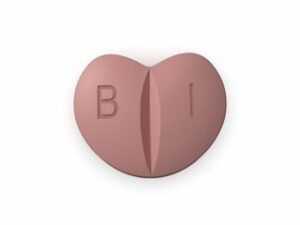

Zebeta (Bisoprolol) – Patient-Friendly Guide (UK)
Zebeta contains bisoprolol, a medicine used to help manage certain heart conditions. This page explains what Zebeta is, how it works, how to take it safely, and what to expect. It is written for people in the United Kingdom and includes UK-related practical information.
1) Basic product information
| Item | Details |
|---|---|
| Medicine | Zebeta |
| Active ingredient | Bisoprolol |
| Medicinal group | Beta-blocker (beta-1 selective) |
| Common forms | Tablets (strengths may vary by product pack) |
| How it’s used | Taken regularly to manage long-term conditions |
| UK medicines framework | Available through UK pharmacy supply channels in line with UK medicines regulations |
If you have any questions about the strength written on your pack, or how many tablets to take, refer to the instructions provided with your supply and speak to a pharmacist or clinician if anything is unclear.
2) How Zebeta works (mechanism of action)
Bisoprolol is a beta-1 (cardio-selective) blocker. In the body, it reduces the effect of adrenaline-like signals on the heart. This helps to:
- Lower heart rate (slower pulse)
- Reduce the force of contraction of the heart
- Decrease demand for oxygen in heart tissue
- Support steadier blood flow through heart circulation
The net effect is a decrease in the workload on the heart, which can improve symptoms and outcomes in appropriate conditions. Note: Beta-blockers are not “painkillers”—they help the underlying cardiovascular control.
3) Pharmacokinetics: how your body handles bisoprolol
Understanding pharmacokinetics can help explain timing and consistency. While individual absorption and response can vary, bisoprolol generally shows the following features:
- Absorption: Bisoprolol is absorbed after oral dosing.
- Peak effect: Peak blood levels typically occur within a few hours.
- Distribution: It circulates in the bloodstream and reaches target tissues (including heart tissue).
- Metabolism & elimination: It is eliminated from the body partly through the liver and partly through the kidneys. This dual route can matter for dose decisions in some people.
- Duration: The medicine is taken once daily for many indications due to its lasting effect.
If you miss a dose, the approach depends on how close the next dose is. See the “FAQ” section for practical guidance.
4) Typical uses and who Zebeta may be for
Zebeta is commonly used for cardiovascular conditions such as:
- Chronic heart failure (long-term heart weakness), usually as part of a broader treatment plan
- Angina pectoris (chest pain related to reduced blood flow to the heart), often to reduce frequency/severity
- High blood pressure in some cases (depending on individual clinical decision-making)
- Other heart rate and blood pressure control needs where a beta-blocker is appropriate
Use in any specific situation depends on your medical history, current medicines, and overall risk profile. Your pharmacist can help you understand how Zebeta fits with your other therapies.
5) Indications (conditions it treats)
In general terms, bisoprolol may be indicated for:
- Chronic stable heart failure (especially when the heart is not pumping effectively and symptoms persist)
- Prevention and symptom control of angina
- Hypertension (high blood pressure) where beta-blocker therapy is suitable
- Heart rhythm control in some contexts (where rate control is needed)
If you are unsure which indication applies to you, look at the label or ask your clinician/pharmacist.
6) Dosing: how to take Zebeta safely
The correct dose of Zebeta is individual. Beta-blockers are usually started at a low dose and then adjusted gradually to reduce side effects such as low heart rate or low blood pressure.
Typical dosing pattern
- Once daily is common for bisoprolol tablets.
- Many people take it at a consistent time each day.
- Dose changes are often based on heart rate, blood pressure, symptoms, and tolerance.
Important points about starting and adjusting
- Do not suddenly stop Zebeta unless a clinician instructs you to do so.
- Stopping abruptly can lead to rebound effects such as increased heart rate or worsening angina.
- If your dose needs to change, this should be done gradually under medical supervision.
Missed dose
If you miss a dose:
- Take it when you remember unless it is nearly time for your next dose.
- If it is close to the next dose, skip
- Do not double to make up for a missed tablet.
If you regularly miss doses, discuss with a pharmacist—there may be strategies to improve adherence.
7) Timing: best time of day to take Zebeta
Bisoprolol can usually be taken once daily. Choosing the right time helps you maintain consistent levels and avoid missed doses.
- Same time every day is recommended.
- Many people prefer morning dosing; others prefer evening dosing.
- If you feel dizzy or unusually tired after a dose, switching the time of day may help (ask a pharmacist first).
For people with heart failure, the dosing schedule should be coordinated with other heart medicines (some are taken once daily and others twice daily).
8) Food interactions: can you take Zebeta with meals?
Bisoprolol tablets can generally be taken with or without food. Food is not usually a major barrier to absorption.
- With food: Many people find taking bisoprolol with a meal reduces stomach discomfort.
- Without food: Some people prefer this for convenience.
The most important factor is consistency. Try to take Zebeta the same way each day.
9) Alcohol and medicine interactions
Alcohol
Alcohol may increase the risk of side effects with beta-blockers, especially:
- Dizziness or lightheadedness
- Low blood pressure
- Feeling faint (particularly when standing up)
- Fatigue
Keep alcohol within safe limits and be cautious when drinking for the first time since starting Zebeta. If you feel unwell, do not “push through”—sit or lie down and seek advice.
Other medicines that may interact
Some drug interactions can increase the risk of slow heart rate, abnormal heart rhythm, or blood pressure changes. Always tell your pharmacist about all medicines you take, including over-the-counter products and herbal remedies.
Common interaction categories include:
- Other heart medicines: e.g., certain calcium channel blockers (particularly those that slow the heart rate), and antiarrhythmics—may further slow heart rate or affect conduction.
- Blood pressure medicines: combining therapies can increase the chance of low blood pressure or dizziness.
- Diabetes medicines: beta-blockers can sometimes mask symptoms of low blood sugar (such as fast heartbeat). You may still get other symptoms like sweating.
- Clonidine (where used): stopping clonidine suddenly can cause blood pressure rebound; beta-blocker use may require careful coordination.
- Non-steroidal anti-inflammatory drugs (NSAIDs): frequent or high-dose use may affect blood pressure control in some people.
- Medicines affecting metabolism: some drugs can alter how bisoprolol is processed, changing exposure.
- Asthma/COPD medicines: beta-blockers can potentially worsen breathing in susceptible individuals, although bisoprolol is more beta-1 selective than non-selective beta-blockers.
This list is not exhaustive. If you are uncertain whether a medicine is safe with Zebeta, ask a pharmacist—many interactions can be avoided by adjusting timing or choosing alternatives.
10) Safety profile: side effects and what to watch for
Like all medicines, Zebeta can cause side effects. Many people experience none or only mild effects, particularly after the dose is stabilised. Side effects are more likely during dose increases.
Common side effects
- Slow heart rate (bradycardia)
- Dizziness or lightheadedness, especially when standing
- Tiredness or reduced exercise tolerance
- Cold hands and feet
- GI symptoms such as nausea or mild stomach discomfort
- Sleep disturbances in some people
Less common but important effects
- Shortness of breath or wheezing (particularly in people with asthma/COPD)
- Changes in mood (rarely reported)
- Low blood pressure
- Electrolyte or metabolic concerns indirectly via overall cardiovascular effects (clinician will monitor if needed)
Seek urgent medical advice if you get
- Fainting or severe dizziness
- Very slow pulse with weakness or collapse
- Chest pain that is new, severe, or worsening
- Severe allergic reaction (swelling of face/lips, difficulty breathing, hives)
- Marked breathing difficulty
Special safety notes
- Heart block / conduction problems: people with certain rhythm conduction disorders need extra caution.
- Diabetes: beta-blockers can mask warning signs of hypoglycaemia.
- Asthma/COPD: if you have respiratory disease, inform your clinician and pharmacist.
- Peripheral circulation issues: coldness or discomfort in fingers/toes may worsen.
If side effects occur, do not stop the medicine abruptly—contact your pharmacist or clinician for guidance.
11) Practical use tips (making Zebeta work well for you)
- Use a routine: pick a consistent time and link it to something daily (e.g., breakfast or brushing teeth).
- Monitor how you feel: dizziness, unusual fatigue, or shortness of breath should be noted—especially after dose changes.
- Know your numbers: if you have home monitoring, track pulse and blood pressure as advised.
- Be careful with “as needed” meds: tell clinicians about Zebeta before starting new medicines.
- Don’t stop suddenly: abrupt discontinuation can cause worsening cardiovascular symptoms.
- Keep follow-up appointments: dose adjustment for heart failure and angina may require periodic review.
12) Alternative options (if Zebeta isn’t suitable)
Different people require different beta-blockers or entirely different medicine classes depending on heart rate, blood pressure, kidney function, lung disease, and other medications. Options your clinician may consider include:
- Other beta-blockers: such as bisoprolol alternatives (e.g., metoprolol, nebivolol) depending on suitability.
- Non-beta-blocker treatments: for example, in heart failure or angina your clinician might use medicines from other classes.
- Rate/rhythm control strategies: in certain rhythm conditions, other approaches may be used.
- Optimising existing therapies: sometimes the plan is to adjust doses of existing medicines rather than switch.
Only change therapy under clinical guidance. Switching beta-blockers may require a careful conversion and monitoring period.
13) Market and legal context in the United Kingdom
In the UK, medicines are regulated to help ensure quality, safety, and effectiveness. Zebeta (bisoprolol) is supplied through recognised pharmacy supply chains and must meet UK regulatory requirements.
- UK medicines regulation: products are authorised and monitored via established UK frameworks.
- Pharmacy responsibilities: pharmacies must provide accurate information, counselling where appropriate, and support safe use.
- Medicines optimisation: NHS services often emphasise safe long-term use, adherence support, and monitoring.
If you’re buying online, use reputable UK pharmacy services and ensure the product details match what you need (e.g., strength and formulation).
14) Recent guidance and clinical considerations (UK context)
Clinical practice in the UK evolves based on evidence and professional guidance. Beta-blockers remain a key component in several cardiovascular treatment pathways, particularly for stable heart failure and angina.
Key principles commonly reinforced in guidance include:
- Start low and go slow: gradual dose titration to balance benefits with tolerance.
- Regular review: monitor heart rate, blood pressure, symptoms, and adverse effects.
- Multi-disciplinary care: heart failure care typically involves several medicines and lifestyle measures.
- Patient education: avoid abrupt stopping and understand when to seek help.
Your clinician/pharmacist may tailor advice based on your individual risk and comorbidities (e.g., asthma, diabetes, kidney disease).
15) Delivery and availability (online pharmacy)
Availability can vary by pack size and strength. When ordering online in the UK, reputable pharmacies usually provide:
- Clear product details: strength and pack contents
- Delivery options: standard and sometimes next-day services depending on location and stock
- Estimated dispatch times: typically shown on the website before checkout
- Customer support: contact details for delivery queries
To reduce delays, ensure your delivery address is correct and you can receive the package. If delivery requires a signature, plan accordingly.
16) FAQ
How long does it take for Zebeta to start working?
Some effects (such as reduced heart rate) may be noticed within hours. However, for conditions like angina and heart failure, the full benefit may take days to weeks as the body adjusts and doses are optimised.
Can I take Zebeta in the morning or at night?
Yes, many people take bisoprolol once daily in either the morning or the evening. Choose a time you can keep consistently. If you experience dizziness or tiredness, a pharmacist may advise adjusting the time (do not change without advice if you are also managing heart failure).
What should I do if I forget a dose?
If you forget and remember soon after, take it. If it is close to the next dose time, skip the missed dose. Do not double up. If you are unsure, ask a pharmacist—especially if you have heart failure.
Is Zebeta safe if I have asthma or COPD?
Bisoprolol is more beta-1 selective than some other beta-blockers, but it can still affect breathing in susceptible people. Inform your clinician and pharmacist about your respiratory condition. They may monitor you more closely or adjust therapy.
Will Zebeta affect my diabetes?
Beta-blockers can sometimes reduce or mask warning signs of low blood sugar, such as a fast heartbeat. Other warning signs (like sweating or shakiness) may still occur. Check your blood glucose as advised and discuss with your clinician.
Can I stop Zebeta once I feel better?
Do not stop abruptly. If you need to stop, it is usually done gradually under medical guidance to avoid worsening symptoms. Contact your pharmacist or clinician before changing your dose.
Are there foods or drinks I should avoid?
Food does not usually prevent bisoprolol from working. However, alcohol may increase dizziness or low blood pressure. Keep alcohol moderate and pay attention to how you feel.
What medicines should I avoid without asking first?
Tell your pharmacist about all medicines you take. Particular attention should be given to drugs that can slow the heart rate, affect blood pressure, treat abnormal heart rhythm, or treat asthma. Always check before starting new products.
What side effects are most likely?
Common side effects include tiredness, dizziness, a slower pulse, and cold hands/feet. If you develop severe dizziness, fainting, or breathing problems, seek urgent advice.
Does Zebeta interact with my other heart medicines?
It can. Many heart regimens include multiple medicines, and some combinations require monitoring. Your pharmacist can review your medicine list and help you understand what to watch for.
Final advice
Zebeta (bisoprolol) is widely used in the UK for conditions where controlling heart rate and reducing the heart’s workload can help. Take it consistently, avoid abrupt stopping, and seek advice if you experience concerning symptoms. If you want, share the other medicines you take and any key conditions (e.g., asthma, diabetes, kidney issues) with a pharmacist to ensure your plan is safe and well coordinated.