

Hytrin (Terazosin hydrochloride) – Patient Guide (UK)
Hytrin contains terazosin hydrochloride, a medicine used to treat certain urinary symptoms and, in some cases, high blood pressure. This guide explains how Hytrin works, how to take it safely, and what to expect. It is written for patients in the United Kingdom and aims to be clear and practical.
1. Basic product information
| Item | Details |
|---|---|
| Medicine name | Hytrin |
| Active ingredient | Terazosin hydrochloride |
| Medicine type | Alpha-1 (α1) adrenergic receptor blocker (alpha-blocker) |
| Common uses | Lower urinary tract symptoms (BPH); high blood pressure (in some situations) |
| How it comes | Oral capsules (strengths vary by product presentation) |
| Typical dosing approach | Started low and increased gradually to reduce “first-dose” effects |
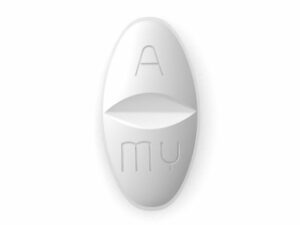
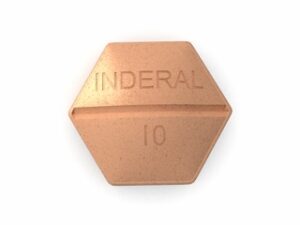
Note: If you are unsure about your strength or how your tablets/capsules should look, check the pack or ask a pharmacist.
2. What Hytrin does (mechanism of action)
Hytrin (terazosin) works by blocking alpha-1 adrenergic receptors. These receptors are found in smooth muscle, including:
- The bladder neck and prostate (relevant to enlarged prostate/BPH)
- Blood vessels (relevant to blood pressure control)
By relaxing smooth muscle:
- BPH symptoms may improve because the prostate and bladder outlet muscles relax, allowing urine to pass more easily.
- Blood pressure may decrease because blood vessels relax and widen, reducing resistance.
Important: Hytrin helps relieve symptoms but does not “cure” the underlying tendency for the prostate to enlarge. Many people benefit over time, especially as the dose is adjusted.
3. Pharmacokinetics (how the body handles Hytrin)
Pharmacokinetics describes absorption, distribution, metabolism, and excretion. While individual factors can vary, the key points include:
- Absorption: Terazosin is absorbed after oral administration. Peak blood levels are typically reached within a few hours.
- Distribution: It spreads throughout the body and can affect both urinary tract smooth muscle and blood vessels.
- Metabolism: Terazosin is metabolised mainly in the liver.
- Elimination: Metabolites are excreted primarily via the kidneys and through bile/fecal routes.
- Half-life: The active effect can last long enough for once-daily dosing in many regimens.
Why this matters for you: Your prescriber/pharmacist may recommend a specific time of day to reduce blood pressure drops, especially at the start of treatment.
4. Typical uses and indications in the UK
Hytrin is used for:
- Lower urinary tract symptoms due to benign prostatic hyperplasia (BPH) (often described as an enlarged prostate). Symptoms may include:
- Difficulty starting urination
- Weak urine flow
- Frequent urination (especially at night)
- Urgency or feeling you cannot fully empty your bladder
- High blood pressure (hypertension) in selected patients, usually as part of broader management depending on clinical need and tolerance.
When urgent assessment is needed: If you cannot pass urine at all, have severe pain, fever, or blood in urine, seek urgent medical advice.
5. How and when to take Hytrin
Timing
Many people are advised to take their dose at the same time each day. A common strategy—especially for the first dose or after dose increases—is to take it in the evening to reduce the risk of dizziness or fainting when standing up.
- First dose (“first-dose effect”): This can cause a larger blood pressure drop. Taking it at bedtime may help reduce the chance of fainting.
- Dose changes: The risk may increase again when the dose is increased.
Dose adjustment (titration)
Terazosin is typically started at a lower dose, then increased gradually. This helps the body adjust and reduces the likelihood of:
- Light-headedness
- Falls due to dizziness
- Unpredictable blood pressure changes
Food and drink
Taking terazosin with or without food can affect absorption for some people. For safety and consistency:
- Follow the instructions on your pack or from your pharmacist.
- If you notice dizziness after taking Hytrin, mention it to your pharmacist—timing and dose adjustments may help.
Practical “how to” tips
- Swallow capsules whole with water (do not crush or chew unless your pharmacist advises otherwise).
- Keep the medicine at room temperature, away from direct heat and moisture.
- If you miss a dose, take it when you remember unless it is close to the next dose. In case of uncertainty, ask a pharmacist.
- Do not double up to make up for a missed dose without advice.
6. Food interactions
There are no universal food restrictions, but meal timing may influence how quickly it starts working for some people. In practice:
- Taking it consistently at the same time relative to meals can reduce day-to-day variation.
- If you experience nausea, dizziness, or marked tiredness, try taking it in the evening and inform your pharmacist.
Grapefruit and similar products: There is no well-known “must avoid” grapefruit interaction for terazosin for all patients, but individual medicine interactions can occur. If you take other medicines metabolised by the liver, ask your pharmacist to review your full list.
7. Alcohol interactions
Alcohol can increase the risk of dizziness and low blood pressure when combined with Hytrin, especially during the first days of treatment or after dose increases.
- Limit alcohol or avoid it initially until you know how Hytrin affects you.
- Be cautious when standing up after drinking (slow rises from sitting/lying).
If you plan to drink alcohol, consider discussing a safe approach with a pharmacist, particularly if you:
- Are older
- Have heart problems
- Already experience low blood pressure
- Are taking medicines that also lower blood pressure
8. Medicine interactions (including common classes)
Hytrin can interact with other medicines that affect blood pressure or blood vessel tone. This may increase dizziness, fainting, or “orthostatic hypotension” (a blood pressure drop when standing).
Medicines that may increase the risk of low blood pressure
- Other blood pressure medicines (antihypertensives)
- Nitrates (e.g., angina treatments)
- Phosphodiesterase-5 (PDE5) inhibitors used for erectile dysfunction (e.g., sildenafil, tadalafil, vardenafil)
- These can also lower blood pressure and are therefore important to discuss.
- Other alpha-blockers or similar drugs
Medicines that may affect terazosin metabolism
Terazosin is processed mainly by the liver. Some medicines can influence liver enzymes and alter terazosin levels. If you take medicines for:
- Fungal infections (antifungals)
- HIV treatments
- Seizures (certain anticonvulsants)
- Depression or other long-term conditions
it is wise to request a full interaction check by a pharmacist.
Safety check before starting
Before taking Hytrin, it is helpful to share your current medicines list, including:
- Herbal products and supplements
- Over-the-counter cold/flu remedies
- Pain relief and anti-inflammatory medicines
- Any recreational drugs
9. Safety profile and important precautions
Like all medicines, Hytrin can cause side effects. Many people tolerate it well, but blood pressure-related effects are the most clinically important concern.
Common side effects
- Dizziness or light-headedness
- Headache
- Feeling tired or weak
- Low blood pressure, particularly when standing
- Swelling in the ankles/feet (peripheral oedema) in some patients
Serious side effects – seek urgent medical advice
- Fainting or severe dizziness
- Signs of allergic reaction: swelling of face/lips, breathing difficulty, severe rash
- Chest pain worsening or severe symptoms that could indicate a serious cardiovascular event
- Priapism (a prolonged painful erection) – if this occurs, urgent attention is needed
“First-dose” and postural hypotension
Terazosin can cause a sudden drop in blood pressure, especially:
- After the first dose
- After increasing the dose
- In people who are dehydrated or already have low blood pressure
How to reduce risk:
- Take the first dose (and any increased dose) at the time your pharmacist recommends—often at bedtime.
- Get up slowly from sitting or lying down.
- Avoid driving or operating machinery if you feel dizzy.
Fall prevention tips
- Keep pathways clear at home
- Use adequate lighting
- Consider a chair nearby when standing up quickly is unavoidable
Advice for eye surgery (important for men)
Alpha-1 blockers, including terazosin, can be associated with a complication called Intraoperative Floppy Iris Syndrome (IFIS) during cataract surgery. If you plan cataract surgery or have eye procedures:
- Tell your eye surgeon that you take Hytrin.
- Do not stop the medicine on your own—discuss with your clinician.
10. Practical use tips (getting the best results)
- Be consistent: take it at the same time every day.
- Track urinary symptoms: note changes in flow, urgency, and night-time urination—this helps assess whether the dose is right.
- Expect gradual improvement: some effects may be noticeable early, while fuller benefit may take days to weeks, especially as dosing is titrated.
- Hydration matters: dehydration can worsen dizziness and low blood pressure.
- Stand slowly: especially after taking the dose.
- Keep follow-ups: dose adjustments depend on symptom response and blood pressure monitoring.
11. Dosing overview
Dosing must be individualised. The following provides a general overview of how terazosin is often prescribed:
- Start low: treatment typically begins with a low dose to reduce the risk of dizziness and low blood pressure.
- Increase gradually: the dose is then increased in steps at intervals, depending on response and tolerability.
- Once daily dosing: many patients are on a once-daily regimen.
Important: Always follow the exact dose instructions on your specific pack or provided by your healthcare professional. If you have missed doses for several days, re-starting may require special caution—check with a pharmacist before resuming.
12. What to do if side effects occur
If you feel dizzy:
- Stop what you are doing and sit or lie down immediately.
- Do not drive or climb ladders until you feel fully steady.
- Speak to a pharmacist/doctor promptly, especially if it happens repeatedly.
If swelling in ankles/feet develops or worsens, inform your clinician. If you experience fainting, chest pain, or symptoms of allergy, seek urgent help.
13. Alternative options for BPH symptoms (UK)
If Hytrin is not suitable or not effective, several other treatment options may be considered by clinicians depending on your symptoms, prostate size, and overall health.
Common alternatives include
- Other alpha-blockers (similar purpose, different dosing and tolerability profiles)
- 5-alpha reductase inhibitors (help shrink the prostate in selected patients over time)
- Combination therapy for some people who have moderate to severe symptoms and evidence of prostate enlargement
- Other medicines in selected cases (depending on the symptom pattern)
- Non-drug options such as lifestyle measures and, when appropriate, procedural approaches
Lifestyle measures that may help:
- Reduce fluids close to bedtime (if night-time symptoms are troublesome)
- Limit caffeine and alcohol which can worsen urinary urgency
- Check whether constipation affects symptoms (managing constipation can help)
A clinician can guide you on which option fits your situation.
14. UK market and legal context (overview)
Hytrin (terazosin hydrochloride) is a prescription-only medicine in the United Kingdom. In online pharmacy services, this typically means:
- You should access the medicine via a regulated supply route.
- Pharmacy teams may request information to ensure it is safe for you (including interactions and suitability).
- Medicines should only be used as directed for your specific condition.
UK medicines are regulated under the Medicines and Healthcare products Regulatory Agency (MHRA) and within the wider regulatory framework for supply, labelling, and patient safety. Pharmacy suppliers must ensure medicines are genuine, sourced appropriately, and stored correctly.
Recent guidance note: UK clinical practice for BPH commonly emphasises symptom assessment, consideration of prostate size and overall health, cautious blood pressure monitoring with alpha-blockers, and attention to patient-specific risks such as postural hypotension.
15. Delivery and availability (online pharmacy)
Availability can vary depending on the chosen strength and formulation. When ordering online in the UK:
- Check the product strength on the listing to match your current medicine.
- Delivery options may include standard and tracked delivery.
- Some orders may require identity or medication-safety checks before dispatch (as part of regulated supply).
- Allow time for processing—especially if the order needs additional review.
Storage after delivery: Keep the medicine in its original packaging and store at room temperature, away from moisture and direct heat.
16. FAQ
How quickly will Hytrin start working?
Some people notice improvement in urinary symptoms within the first days, but meaningful benefits can take longer—especially as the dose is increased gradually. Your symptoms and blood pressure response guide adjustments.
Will Hytrin reduce my blood pressure?
It can. Hytrin relaxes blood vessels and may lower blood pressure. This is why starting low and taking the first dose at a safer time (often in the evening) may be recommended.
Can I drive after taking Hytrin?
If Hytrin makes you feel dizzy, you should avoid driving. For the first dose and after any dose increases, be extra cautious. If you feel steady, driving may be safer—however, always follow advice from your pharmacist and take personal circumstances into account.
What if I miss a dose?
Take it as soon as you remember unless it is close to the next dose. Do not double up. If you miss several doses in a row, speak to a pharmacist before restarting, because early dosing may need to be cautious.
Can I drink alcohol while taking Hytrin?
Alcohol may increase dizziness and low blood pressure. It’s best to limit alcohol, especially at the start of treatment or after dose increases.
Is Hytrin safe with other medicines for erectile dysfunction?
Some erectile dysfunction medicines (PDE5 inhibitors) can lower blood pressure. Combining them with alpha-blockers can increase the risk of dizziness or fainting. Always discuss this with a pharmacist/clinician before use.
Does Hytrin cause ejaculation or sexual side effects?
Alpha-blockers may affect sexual function in some people. If you experience distressing or persistent changes, consult your pharmacist or prescriber for advice.
Will Hytrin affect cataract surgery?
It can. Men taking or who have taken alpha-1 blockers may have a higher risk of a specific cataract surgery complication (IFIS). Tell your eye surgeon before surgery.
Who should take extra care with Hytrin?
Extra caution is usually needed if you:
- Have low blood pressure or frequent dizziness
- Are dehydrated or prone to dehydration
- Are taking other blood pressure–lowering medicines
- Are older and at higher fall risk
Are herbal supplements safe with Hytrin?
Not always. Some supplements may influence blood pressure or interact with liver metabolism. Check with a pharmacist before starting new supplements.
What symptoms should make me stop and seek urgent help?
Seek urgent advice if you faint, have severe allergic symptoms, or have chest pain that is severe or worsening. If you develop symptoms suggesting a serious reaction, do not wait.
Always follow the advice from your healthcare professional and read the patient information leaflet supplied with your medicine. If you have questions about your specific situation—such as interactions with your current medicines or what time of day is best for you—speak to a pharmacist.