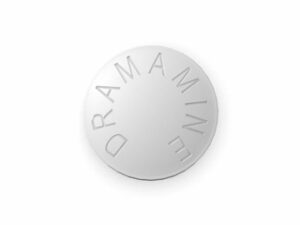



Antivert (Meclizine) – Patient Information (UK)
Antivert contains meclizine, an antihistamine medicine commonly used to help manage symptoms caused by disturbances in balance, especially vertigo (a spinning sensation) and motion-related nausea.
This guide is designed to be clear and patient-friendly. It explains what the medicine does, how it works, how to take it, what to watch for, and practical tips to help you use it safely.
Basic Product Information
- Medicine name: Antivert
- Active ingredient: Meclizine
- Medicine type: Antihistamine (H1 receptor antagonist) with anti-vertigo properties
- Common uses: Vertigo symptoms, nausea/vomiting related to inner-ear disturbance or motion sickness
- How it’s usually supplied: Tablets (strengths may vary by brand/product)
Always check the exact strength on your pack and follow the instructions given by your pharmacist or healthcare professional, or those on the leaflet supplied with your product.
How Antivert (Meclizine) Works (Mechanism of Action)
Meclizine is an antihistamine that helps reduce signals involved in dizziness and nausea. It works mainly by:
- Blocking histamine (H1) receptors in the brain and other tissues, which can reduce the body’s tendency to feel dizzy or nauseated.
- Reducing activity in brain pathways involved in balance and vomiting reflexes, helping to stabilise symptoms of vertigo.
- Calming nausea and motion sensitivity by acting on the balance-centre pathways, which can lessen spinning sensations and related vomiting.
The overall effect is to make you feel less dizzy, less nauseated, and better able to tolerate movement.
Pharmacokinetics (How the Body Handles Meclizine)
“Pharmacokinetics” describes what happens after you take a dose—how the body absorbs, distributes, metabolises, and eliminates the medicine. Specific details can vary by individual and formulation, but general patterns are:
- Absorption: Meclizine is absorbed through the digestive system after oral dosing.
- Onset of action: Many people notice symptom relief within about 1–2 hours, though timing can vary.
- Duration: Effects often last long enough for daily symptom control (commonly used several times per day depending on indication).
- Metabolism: The medicine is metabolised in the liver.
- Elimination: Metabolites and drug residues are eliminated primarily via the urine (and to a lesser extent other routes).
If you feel unusually sleepy, have dry mouth, or experience other side effects, it can mean higher sensitivity or slower metabolism.
What Antivert (Meclizine) Is Used For (Indications)
Antivert is typically used to relieve symptoms such as dizziness and nausea. Common indications include:
- Vertigo (spinning sensation), including vertigo related to inner-ear problems.
- Nausea and vomiting associated with vertigo.
- Motion sickness (to help prevent or reduce nausea/dizziness during travel).
Note: Antivert is aimed at symptom relief. If you have recurrent or severe vertigo, it’s important to seek medical assessment to understand the cause.
When to Take It: Timing and How Long It Takes to Work
Timing depends on whether you’re using it for ongoing vertigo symptoms or motion-related prevention.
For vertigo symptoms
- Take as directed—often on a regular schedule at first if symptoms are active.
- Some people benefit from taking a dose at the start of an episode, then continuing as advised.
For motion sickness (prevention for travel)
- Take the dose before travel or the trigger.
- Many clinicians/pharmacists recommend taking it about 30 minutes to 1 hour before you set off, but follow your product guidance.
If you’re planning a journey and you’ve never tried meclizine before, consider doing a test at home to see how it affects you—especially regarding drowsiness.
Food Interactions
Meclizine is generally taken by mouth and can usually be taken with or without food. However:
- Food usually does not significantly change absorption, but taking with food may reduce stomach discomfort for some people.
- If nausea is part of your symptoms, you may prefer a light snack with your dose.
For best tolerability, choose a method that helps you remember and keeps you comfortable—while always staying within the dosing instructions on your pack.
Alcohol and Medicine Interactions
Alcohol
Combining meclizine with alcohol can increase side effects, particularly:
- drowsiness
- reduced alertness
- slower reaction time
For safety, it’s strongly advisable to avoid alcohol while taking Antivert, or at least limit it and monitor how you feel.
Other medicines that may interact
Meclizine can also be more sedating when taken with other medicines that affect the nervous system. Inform a pharmacist or healthcare professional if you take any of the following:
- Other antihistamines (including allergy/cold medicines)
- Sleeping tablets or sedatives
- Opioid painkillers (e.g., morphine, oxycodone, codeine—especially at higher doses)
- Some antidepressants or anti-anxiety medicines
- Antipsychotic medicines
- Muscle relaxants
- Medicines with anticholinergic effects (can add to dry mouth, constipation, blurred vision, or urinary retention)
Even “non-drowsy” allergy medicines may contain ingredients that can contribute to sleepiness or other effects. Check labels carefully and ask a pharmacist if unsure.
Dosing: Typical Adult Use
Doses can vary depending on the product strength and the reason you’re taking it. Below are general adult dosing patterns often used for meclizine, but always follow your specific pack or pharmacist instructions.
| Use | Typical adult dosing approach | Timing guidance |
|---|---|---|
| Vertigo symptoms | Often taken in divided doses during the day (frequency depends on symptom control and product strength) | Start when symptoms begin; continue on schedule as advised |
| Nausea/vomiting with vertigo | Same dosing regimen as for vertigo, aiming for symptom relief | Take early in an episode if possible |
| Motion sickness (prevention) | Often taken as a single dose before travel or as directed by product instructions | Usually about 30 minutes to 1 hour before departure |
Missed dose: If you forget a dose, take it when you remember unless it’s nearly time for the next dose. Do not take a double dose.
Do not exceed the stated maximum dose on your pack or leaflet.
Safety Profile: Who Should Be Cautious
Like all medicines, Antivert (meclizine) can cause side effects. Many people tolerate it well, but some are more likely to experience problems. Use extra caution and seek advice if any of the following apply.
Common side effects
- Drowsiness or feeling “sleepy”
- Dry mouth
- Blurred vision
- Constipation
- Headache
- Fatigue
Less common but important effects
- Urinary retention (difficulty passing urine), especially in people with prostate enlargement
- Confusion (more likely in older adults)
- Palpitations or other changes in heart rhythm (seek advice if you notice irregular heartbeat)
- Allergic reactions such as rash, itching, swelling, or breathing difficulties (urgent)
When to get urgent help
Seek urgent medical advice if you experience:
- Signs of an allergic reaction (swelling of face/lips, difficulty breathing)
- Severe or persistent confusion, severe dizziness, or fainting
- Severe weakness, trouble speaking, or any symptoms suggesting a stroke (call emergency services)
Practical Use Tips (How to Take It Safely and Get More Benefit)
- Start with caution if you’re not used to it: Meclizine can cause drowsiness. Try it on an evening or when you can rest.
- Avoid driving and hazardous tasks until you know how you react. If you feel sleepy, do not drive.
- Stay hydrated and consider light meals if nausea is present.
- Use the lowest effective dose for symptom control, following pack instructions.
- Keep track of triggers: Note what brings on your vertigo (e.g., certain head movements, travel, stress) and discuss patterns with a pharmacist or clinician.
- Do not combine with multiple sedating products (e.g., cold/flu remedies plus antihistamines).
Driving, Machinery and Alertness
Meclizine may cause sleepiness and impair reaction times. In the UK, advice on medicines frequently includes warnings not to drive if you feel drowsy. Always check the product leaflet and consider:
- Do you feel sleepy after taking it?
- Are you starting a new batch/strength?
- Have you taken alcohol or other sedating medicines?
If you’re unsure, wait until you feel fully alert before driving or operating machinery.
Alternative Options for Dizziness and Nausea
Depending on the cause of your vertigo and nausea, there are different medication and non-medication options. Alternatives include:
- Other antihistamines sometimes used for vertigo or motion sickness (your pharmacist can advise based on your symptoms and other medicines).
- Anti-sickness medicines (antiemetics) for nausea/vomiting associated with certain conditions.
- Non-medicine strategies for certain vertigo types:
- Vestibular rehabilitation exercises
- Trigger avoidance and safe movement techniques
- For BPPV (benign paroxysmal positional vertigo), specific repositioning manoeuvres may be recommended by a clinician
If your vertigo is frequent, severe, or associated with other neurological symptoms, it’s important not to rely on symptomatic treatment alone.
UK Market & Legal Context (What You Should Know)
In the United Kingdom, the availability of medicines depends on classification and product licensing. For patient safety, medicines may be supplied through:
- Pharmacy (pharmacist-supplied) channels for appropriate products
- General sales where legally permitted for specific formulations
- Prescription-only pathways where required by UK regulations
Product availability and wording on packaging can differ between brands and suppliers. If you’re ordering online, ensure the item you choose matches the correct strength and formulation, and that it comes from a reputable UK supplier.
Recent emphasis in UK healthcare has continued to focus on:
- Appropriate use of sedating antihistamines (especially in older adults)
- Careful assessment of side effects such as drowsiness and anticholinergic effects
- Recognising red flags for dizziness/vertigo that require prompt medical evaluation
Recent Guidance and “Red Flags” for Vertigo
While treatment can help symptoms, vertigo may sometimes signal a condition that needs urgent assessment. Consider urgent medical advice if vertigo is accompanied by:
- Weakness or numbness on one side of the body
- Facial droop, difficulty speaking, or severe headache
- Chest pain, fainting, or severe breathlessness
- High fever, stiff neck, or severe illness
- New hearing loss or ringing with significant sudden symptoms
- Persistent vomiting with inability to keep fluids down
If you have recurrent vertigo, you may also benefit from assessment to identify triggers and whether treatments like repositioning manoeuvres or vestibular therapy are suitable.
Delivery and Availability (UK)
Online pharmacies in the UK typically offer ordering for common medicines depending on availability and supply chain. Delivery options may include:
- Standard delivery (often next working day or within 2–3 working days)
- Express delivery (where available)
- Tracking with proof of delivery
Availability can vary by strength and pack size. If your preferred strength isn’t in stock, the pharmacy may suggest an alternative formulation or timing.
Store the tablets as directed on the pack (typically at room temperature, protected from moisture and out of reach of children).
FAQ
1) Is Antivert (meclizine) safe to take for motion sickness?
Many people use meclizine to help prevent nausea and dizziness during travel. However, it can cause drowsiness. Check the leaflet for your specific product, avoid alcohol, and do not drive until you know how it affects you.
2) How quickly does it work?
Symptom relief often begins within about 1–2 hours. For motion sickness, taking it before travel (commonly 30 minutes to 1 hour) may help.
3) Can I take it with food?
Usually, yes. Food generally doesn’t significantly reduce effectiveness. If it upsets your stomach, taking it with a light meal or snack may help.
4) Can I drink alcohol while taking Antivert?
It’s best to avoid alcohol because it can increase drowsiness and impair alertness. If you do drink, do so cautiously and avoid driving or risky activities.
5) Will it make me sleepy?
Sleepiness is common. If this is your first time taking meclizine, test it when you don’t need to be alert (for example, at home). Avoid driving and machinery until you feel fully awake.
6) What if I’m already taking other medicines for nausea or allergies?
Some allergy/cold products contain antihistamines or other sedating ingredients. Combining multiple products can increase side effects. Ask a pharmacist if you’re unsure about ingredients or compatibility.
7) Who should be extra careful?
Extra caution is needed if you are older, have glaucoma, prostate enlargement/urinary retention issues, severe constipation, or take sedating medicines. If you have any medical conditions, ask a pharmacist for personalised advice.
8) How long can I take it?
For acute episodes (such as a travel journey or a short vertigo flare), use is usually short-term. For frequent or long-lasting vertigo, seek medical advice to address the underlying cause.
9) What should I do if I feel unwell after taking it?
If you experience severe drowsiness, confusion, difficulty urinating, or symptoms of an allergic reaction, stop taking the medicine and seek urgent medical advice. For mild side effects, speak to a pharmacist for guidance.
10) Are there non-drug options for vertigo?
Yes. Depending on the type of vertigo, options can include vestibular exercises and, for certain causes (like BPPV), repositioning manoeuvres performed or recommended by healthcare professionals.
Summary
Antivert (meclizine) helps relieve symptoms of vertigo and nausea, including symptoms linked with motion. It works by reducing activity in brain pathways involved in dizziness and vomiting. It may cause drowsiness and other anticholinergic side effects, so avoid alcohol, be careful with driving, and check interactions with other sedating medicines.
If your dizziness is severe, persistent, or accompanied by warning signs, seek urgent medical advice to ensure the cause is properly assessed.