
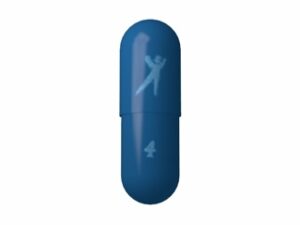

Dimenhydrinate (UK) – Patient Guide
Dimenhydrinate is an antihistamine medicine commonly used to help control symptoms of nausea, vomiting, and dizziness, particularly those related to motion sickness. In the UK, it is widely available over the counter in various strengths and pack sizes, depending on the product brand and formulation.
This guide explains what dimenhydrinate is, how it works, typical uses, how to take it, important safety information, and practical tips. It also covers interactions with food, alcohol, and other medicines, plus frequently asked questions.
Key product information
- Active ingredient: Dimenhydrinate
- Medicine type: Antihistamine (with anti-nausea/anti-vertigo effects)
- Common uses: Motion sickness, nausea, vomiting, vertigo symptoms
- Availability in the UK: Often available without prescription in pharmacies and online retailers (exact availability varies by brand and formulation)
- Form(s): Tablets, chewable tablets, and sometimes other solid forms (depending on the manufacturer)
Note: Always check the label or leaflet supplied with your specific product for the exact strength (e.g., mg per tablet) and dosing instructions.
How dimenhydrinate works (mechanism of action)
Dimenhydrinate is an antihistamine that helps treat symptoms of motion sickness and nausea by acting on parts of the brain involved in balance and vomiting reflexes.
- Blocks histamine (H1) receptors: This can reduce nausea and dizziness.
- Calms the “vomiting centre”: By affecting signals in the central nervous system, it may reduce the tendency to feel sick or vomit.
- Helps stabilise balance-related signals: This is particularly relevant for motion sickness and vertigo-type symptoms.
Because it works on the brain, it can also cause sleepiness in some people.
Pharmacokinetics: what the body does to the medicine
“Pharmacokinetics” describes how the body absorbs, distributes, metabolises, and eliminates dimenhydrinate.
- Absorption: After oral use, dimenhydrinate is absorbed through the gastrointestinal tract.
- Onset of action: For motion sickness, dosing is usually planned in advance because the benefit is greatest when taken before symptoms start.
- Distribution: As an antihistamine that can affect the central nervous system, it can cross into brain tissues (hence drowsiness).
- Metabolism: It is metabolised in the liver.
- Elimination: Metabolites and some drug are removed primarily via the kidneys.
- Duration: Effects typically last long enough to cover short trips, but duration varies by dose, age, and individual response.
Practical takeaway: For many people, dimenhydrinate is taken shortly before travel and may be repeated as advised on the package. Do not exceed the maximum dose stated on your product label or leaflet.
Typical uses and indications (when dimenhydrinate is used)
Dimenhydrinate is commonly used for the following indications:
- Motion sickness: Nausea, vomiting, dizziness during travel by car, boat, or plane.
- Vertigo-related symptoms: Dizziness and nausea that can accompany balance disorders.
- Acute nausea and vomiting: Relief of symptoms such as sickness or feeling queasy, in appropriate age groups as directed.
Important: If nausea/vomiting is severe, persistent, unexplained, or accompanied by red-flag symptoms (e.g., severe headache, chest pain, blood in vomit, dehydration), you should seek medical advice promptly rather than relying on an antihistamine alone.
Timing: when to take dimenhydrinate
Timing can make a big difference in how well dimenhydrinate works, particularly for motion sickness.
For motion sickness (travel)
- Take in advance: Consider taking it before starting travel, so symptoms are prevented rather than treated once they begin.
- Plan for drowsiness: Avoid driving or operating machinery if you feel sleepy.
For nausea/vertigo symptoms
- Follow product instructions: Take according to the dose schedule on your specific pack or leaflet.
- Do not exceed maximum daily dose: This helps reduce the risk of unwanted side effects.
Tip: If you’re trying it for the first time, consider taking a first dose at home to see how you respond—especially if you’re sensitive to antihistamines.
Dosing: typical adult and child guidance (check your product)
Dosing depends on the strength of the product and the person’s age. In the UK, many dimenhydrinate products provide clear age bands for safety.
| Group | Typical approach | Key point |
|---|---|---|
| Adults and older people | Often taken as individual doses with a minimum interval between doses (as stated on pack/leaflet). | Use the lowest effective dose; drowsiness can be a problem. |
| Children | Dose depends on age and product strength, usually with strict maximums. | Check age limits on the package. Do not give to children younger than permitted by the product. |
Always check: Your specific product’s mg strength and the dosing instructions for your age group. If you are unsure, speak to a pharmacist.
Food interactions
Dimenhydrinate is usually taken with or without food. However, certain practical considerations apply:
- Absorption: Food may slightly affect absorption, but this is generally not a major issue for symptom relief.
- Stomach upset: If you find tablets make you feel queasy, taking them with a small snack may help.
- Motion sickness planning: For travel, follow the timing on the pack/leaflet. Taking it too late may reduce effectiveness.
Gastrointestinal safety: If you experience worsening vomiting, severe abdominal pain, or inability to keep fluids down, stop self-treatment and seek advice.
Alcohol and medicine interactions
Alcohol: Avoid or limit alcohol while taking dimenhydrinate. Alcohol can increase the likelihood of drowsiness, dizziness, and impaired coordination.
Other medicines: Dimenhydrinate can interact with medicines that affect the brain or have antihistamine/anti-cholinergic effects. Increased side effects may include excessive sedation, confusion, dry mouth, or constipation.
Be especially cautious if you take any of the following
- Sleep medicines and sedatives
- Strong painkillers (opioids), which can cause drowsiness
- Other antihistamines (e.g., for allergy symptoms) to avoid doubling up
- Medicines for anxiety or depression that may cause sedation
- Anticholinergic medicines (for bladder symptoms or some stomach conditions) due to additive side effects
Practical advice: If you’re taking any regular medicines, ask a pharmacist to check compatibility before using dimenhydrinate—especially if you have other health conditions.
Safety profile: who should be careful
Like all medicines, dimenhydrinate can cause side effects. Many are dose-related and more likely at higher doses or in sensitive individuals.
Common side effects
- Drowsiness or sleepiness
- Dizziness (especially when you first start or after dose changes)
- Dry mouth
- Blurred vision or trouble focusing (in some people)
- Constipation
Serious side effects (seek urgent advice)
- Severe allergic reaction (e.g., swelling of the face/lips, breathing difficulty)
- Confusion, severe agitation, or unusual behaviour—more likely in older people
- Fainting or marked drowsiness that affects breathing or responsiveness
Populations requiring extra caution
- Older adults: Higher sensitivity to antihistamines; increased risk of confusion or falls.
- Children: Strict age-based dosing rules. Ensure correct dosing and avoid doubling up with other cold/allergy medicines.
- People with certain conditions: If you have glaucoma, urinary retention/prostate problems, severe constipation, or breathing problems, discuss suitability with a pharmacist.
- People taking multiple sedating medicines: Increased risk of drowsiness and impaired coordination.
Practical use tips (to get the best results)
- Test your response: If you haven’t used dimenhydrinate before, try it at home so you can judge how sleepy you feel.
- Plan for travel: Take it early enough to prevent symptoms, but follow the pack directions.
- Hydration matters: If you feel sick, sip water frequently. Nausea can worsen dehydration.
- Avoid driving: If you feel drowsy, do not drive or cycle and avoid hazardous activities.
- Check “double antihistamine” risk: Cold and allergy products may contain other antihistamines.
- Keep to one product: Don’t combine multiple motion sickness products unless a pharmacist advises it.
Alternative options (depending on symptoms)
Depending on the cause of your nausea or dizziness, different medicines or non-drug measures may be suitable.
Possible alternatives
- Other anti-nausea medicines: There are non-dimenhydrinate options used for motion sickness or vomiting (availability varies).
- Ginger: Some people find ginger helpful for mild nausea. Evidence is mixed but it can be a low-risk option for many adults.
- Acupressure wristbands: May help some people with motion sickness.
- Non-medicine strategies: Sit facing forward, look at the horizon, keep cool, and avoid heavy meals before travel.
Choosing an alternative: If symptoms are frequent or severe, or if they don’t match motion sickness (e.g., after head injury or with neurological symptoms), seek advice before switching products.
UK market and legal context
In the UK, the supply of dimenhydrinate products is governed by medicines regulations and depends on the specific product formulation and strength. Many dimenhydrinate products used for motion sickness and nausea are available from pharmacies and online retailers under appropriate conditions.
Key points for UK customers:
- Follow the package leaflet: Age limits, maximum daily dose, and contraindications are product-specific.
- Pharmacy advice: Pharmacists can help you choose the safest option, especially if you are taking other medicines or have underlying conditions.
- Safety warnings: Many products include warnings about drowsiness, driving, and interactions.
Recent guidance and safety considerations
Guidance around motion sickness and antihistamine use generally emphasises:
- Appropriate timing: Taking doses before symptoms during travel.
- Avoiding sedation hazards: Warnings about drowsiness and impaired driving/operating machinery.
- Preventing overdose: Not exceeding the maximum daily dose and not combining with other antihistamines.
- Special caution in children and older people: Monitoring for excessive sedation or paradoxical reactions.
Always check the current leaflet for your exact product as instructions can be updated by manufacturers.
Delivery and availability (UK)
Dimenhydrinate may be stocked by UK pharmacies and online retailers, typically for dispatch within standard delivery windows.
- Availability: Generally available for non-prescription purchase; stock can vary by brand and dosage.
- Delivery: Most online pharmacies offer tracked delivery and a choice of delivery speeds at checkout (subject to provider policies).
- Packaging: Medicines are usually supplied in manufacturer packaging to protect tablets and support traceability.
Storage: Store in a cool, dry place and keep out of sight and reach of children. Check the leaflet for any specific storage temperature or expiry guidance.
FAQ: Dimenhydrinate
1) Is dimenhydrinate the same as an antihistamine for allergies?
Yes. Dimenhydrinate is an antihistamine (H1). However, it’s often used for motion sickness and nausea because of its effects on the brain pathways involved in vomiting and balance—not only for allergic symptoms.
2) How soon does dimenhydrinate work?
It usually begins to work within a short time after taking a dose, but exact timing can vary by person and product formulation. For motion sickness, taking it before travel is typically recommended on the pack/leaflet to achieve better prevention.
3) Can I take it with food?
Often yes. If it upsets your stomach, taking it with a light snack may help. For motion sickness, still follow the timing guidance on the product label.
4) Will dimenhydrinate make me sleepy?
It can. Drowsiness is one of the most common side effects. If you feel sleepy, do not drive or operate machinery.
5) Can I drink alcohol while using dimenhydrinate?
It is best to avoid or limit alcohol because it can increase sedation, dizziness, and impaired coordination.
6) Can I take dimenhydrinate with other cold or allergy medicines?
Be cautious. Many cold and allergy products contain antihistamines. Doubling up can increase the risk of excessive drowsiness and other side effects. If you’re unsure, ask a pharmacist.
7) What if I miss a dose?
For planned travel, take it according to the schedule on the pack/leaflet. If you miss a dose and symptoms begin, follow the directions for treating symptoms—do not take extra doses to “catch up.”
8) Who should not take dimenhydrinate?
Suitability depends on age and medical history. Check the product leaflet for contraindications. Extra caution is needed for children (strict age limits), older adults, and people with specific conditions (such as certain eye, urinary, or bowel problems). A pharmacist can help you confirm safety.
9) How long can I use it?
Use it for the purpose on the label (for example, during travel). If nausea or dizziness persists beyond the expected period, or if symptoms are recurrent or unexplained, seek advice.
10) When should I stop and seek help?
Stop self-treatment and seek urgent medical help if you experience signs of a serious allergic reaction, severe confusion, fainting, or other alarming symptoms. For ongoing vomiting, dehydration symptoms, or worsening conditions, contact a healthcare professional promptly.
Summary
Dimenhydrinate is an antihistamine medicine used to relieve symptoms such as motion sickness, nausea, vomiting, and dizziness related to balance disturbances. It works by affecting pathways in the brain that influence nausea and motion-related symptoms. Many people experience drowsiness, so it’s important to plan timing, avoid alcohol, and be careful with driving or risky activities.
For the safest use, follow the instructions on your specific UK product pack and consult a pharmacist if you have questions, take other medicines, or have any relevant medical conditions.