
Asacol (Mesalazine) – Patient Guide (UK)
Asacol is a brand of mesalazine (also called 5-aminosalicylic acid or 5-ASA). It is used to treat certain inflammatory bowel conditions, most commonly ulcerative colitis (UC). This guide explains how Asacol works, how it is taken, key safety points, and practical advice for daily use in the United Kingdom.
Note: Always follow the instructions given by your healthcare professional and the medicine leaflet. Information below is general and may not replace personalised advice.
1) Basic product information
| Item | Details |
|---|---|
| Medicinal ingredient | Mesalazine (5-ASA) |
| Brand name | Asacol |
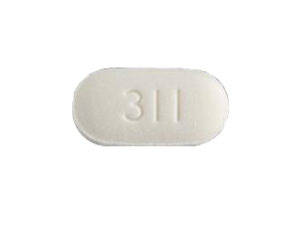
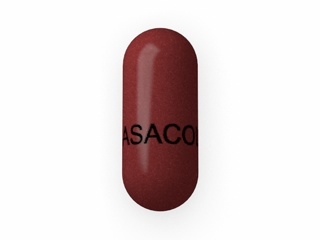
| Common form | Modified-release tablets |
| Where it acts | Intestine (primarily the colon/large bowel) |
| Typical goal | To reduce gut inflammation and help control flare-ups |
| UK availability | Mesalazine products are supplied through pharmacy channels; availability may vary by strength and formulation |
Important: Asacol is designed to release mesalazine in the gut. Different mesalazine brands and strengths may use different release mechanisms. Do not switch brands unless advised, as dosing schedules can differ.
2) How Asacol works (mechanism of action)
Mesalazine is an anti-inflammatory medicine that works locally in the intestine. While ulcerative colitis is linked to immune-driven inflammation, Asacol helps reduce the inflammatory process by:
- Reducing inflammatory mediators in the gut lining (including effects on pathways involved in inflammation).
- Antioxidant activity, which may help limit tissue damage caused by inflammation.
- Acting mainly where needed—in the colon—rather than circulating through the whole body.
Because its action is local, many patients experience relief over days, while maintenance effects develop with regular use.
3) Pharmacokinetics (how the body handles mesalazine)
Absorption and release: Asacol tablets are modified-release so that mesalazine is delivered to the lower gastrointestinal tract. The aim is to release the active drug at the right location to treat colonic inflammation.
- Metabolism: A significant portion of mesalazine is metabolised in the intestinal wall and liver to acetylated forms (often referred to as N-acetyl-5-ASA).
- Elimination: Mesalazine and its metabolites are primarily eliminated via the kidneys and also through bile/faeces to some extent.
Onset of benefit: Many people notice symptom improvement within days to a couple of weeks. Full response and stabilisation may take longer, depending on the severity of disease and whether other therapies are also used.
Kidney considerations: Because mesalazine is cleared largely by the kidneys, kidney function monitoring is important—particularly in people with pre-existing kidney problems.
4) Typical use in the UK
Asacol is used in ulcerative colitis in two main settings:
- Treatment of active disease (to control flare-ups).
- Maintenance of remission (to help prevent relapses).
It may be used alone or alongside other therapies depending on your condition and symptom severity. Your clinician may also recommend additional medicines such as corticosteroids, rectal preparations, or immunomodulators in certain cases.
5) Indications (what conditions it treats)
Mesalazine products like Asacol are indicated for:
- Ulcerative colitis for induction (bringing symptoms under control) and maintenance (keeping symptoms controlled).
Not for: Asacol is not typically the first choice for Crohn’s disease or for acute infections that mimic bowel inflammation. If you are unsure whether your diagnosis is UC, speak with your healthcare professional.
6) How to take Asacol (timing and dosing principles)
Dosing depends on the strength of the tablet, the purpose of treatment (flare vs maintenance), and your individual circumstances. Always use the regimen provided to you.
General timing guidance
- Many patients take Asacol tablets at times that suit their routine (often multiple times daily depending on the prescribed dose).
- Take the tablets at the recommended times to keep levels consistent.
- Do not crush or chew modified-release tablets unless your leaflet/clinician says you can. Crushing may alter release and reduce effectiveness.
With or without food?
In many cases, mesalazine modified-release tablets can be taken with or without food. However, some patients find that taking with food reduces stomach upset.
If you have been given specific instructions on your label—follow those first.
If you miss a dose
- Take it as soon as you remember.
- If it is close to your next dose, skip the missed dose and resume your schedule.
- Do not take double to make up for a missed dose.
Practical “how to” tips
- Swallow the tablet(s) whole with water.
- Stay well hydrated throughout the day unless you’ve been told to limit fluids for medical reasons.
- Use a phone alarm or pill organiser to improve consistency.
- Keep a simple symptom diary (bowel frequency, blood in stool, urgency, abdominal pain) to help your clinician monitor response.
7) Dosing overview (what patients commonly see)
Because doses differ by product strength and your treatment aim (active UC vs maintenance), the exact regimen must be confirmed by the prescriber/dispensing label. Below is a general overview of how mesalazine regimens are commonly structured in UC care.
- Active disease: higher total daily doses are often used initially, then reduced for maintenance.
- Maintenance: a stable daily dose is used to reduce relapse risk.
Always rely on your specific medication label. If you tell us your exact tablet strength (e.g., how many mg per tablet), we can help you interpret the dosing schedule on the packaging.
8) Food interactions
General food advice: Mesalazine modified-release formulations are designed to reach the colon. Large meals can affect how long tablets remain in the stomach for some people, so sticking to your usual routine can help.
In practical terms:
- If your tablet is upsetting your stomach, try taking it with food (unless told otherwise).
- Avoid changing your routine suddenly—consistency may support reliable release.
Gastrointestinal symptoms: If your symptoms are worsening after starting Asacol, do not assume food is the cause—contact your clinician. Flare-ups may require adjustment of therapy.
9) Alcohol and medicine interactions
Alcohol: There is no universally required “absolute ban” on alcohol for people taking mesalazine, but alcohol can worsen gastrointestinal symptoms (heartburn, diarrhoea, abdominal discomfort) and may trigger flare-ups in some individuals.
- If you choose to drink, consider moderate amounts and see how your body responds.
- Avoid alcohol during a flare if it clearly worsens symptoms.
Important interaction concept: The key interaction concerns come from other medicines (see below) rather than from alcohol itself. If you take other drugs regularly, check them for interactions with mesalazine and discuss any concerns.
10) Medicine interactions (what to watch)
Mesalazine can interact with certain medicines, and it may also affect kidney function. The most important safety checks involve kidney health and blood cell monitoring.
Common interaction areas
- Medicines that affect kidney function (e.g., some anti-inflammatories and other potentially nephrotoxic drugs): may increase risk of kidney problems.
- Azathioprine or 6-mercaptopurine: may increase risk of blood-related side effects in some combinations; monitoring is often needed when these are used together.
- Warfarin (and other anticoagulants): changes in clotting effects have been reported with some related medicines; extra monitoring may be required if you are on anticoagulation.
- Diuretics or medicines affecting renal handling: kidney monitoring may be recommended.
Always tell your pharmacist/clinician about:
- All prescription medicines
- Over-the-counter products (especially painkillers and anti-inflammatories)
- Herbal supplements
- Any recent changes in medicines
11) Safety profile (side effects and when to seek help)
Most people tolerate mesalazine well, but side effects can occur. Some reactions require urgent medical attention.
Common or mild side effects
- Headache
- Nausea or mild stomach discomfort
- Flatulence
- Diarrhoea (can be difficult to distinguish from disease symptoms)
Less common but important adverse effects
- Kidney problems (e.g., increased creatinine, reduced kidney function). This is why kidney tests may be done.
- Blood disorders such as unusual bruising or infections due to low blood counts (rare, but monitoring helps detect issues early).
- Allergic or hypersensitivity reactions (rash, fever).
- Chest pain, breathlessness, or swelling (seek urgent help).
Seek urgent medical help if you have
- Signs of a serious allergic reaction (swollen face/lips, difficulty breathing, widespread rash)
- Severe or persistent headache with fever or rash
- Unusual bleeding or significant bruising
- Very little urine, marked swelling, or sudden changes in kidney-related symptoms
Monitoring (typical UK practice)
Healthcare professionals often monitor:
- Kidney function (blood tests such as creatinine/estimated GFR)
- Full blood count (to check for blood cell changes)
- Sometimes urine testing if there are concerns
Follow the schedule recommended for your situation—monitoring frequency may vary with dose, duration of therapy, age, and existing medical conditions.
12) Practical use tips for better results
- Consistency matters: Take Asacol regularly as directed, even when you feel better (maintenance helps prevent relapse).
- Don’t stop suddenly: Stopping without advice may increase the risk of flare-ups.
- Use a daily routine: Pair doses with meals or brushing teeth—choose a habit that you can maintain.
- Keep an eye on symptoms: Track bowel movements, blood, urgency, and abdominal pain.
- Hydration: Dehydration can be a concern during diarrhoea. Drink fluids appropriately (within your clinician’s advice).
- Lab monitoring: Attend blood tests if your clinician has arranged them.
- Be cautious with NSAIDs: If you need pain relief, ask your pharmacist what’s suitable for you—some anti-inflammatories can stress the kidneys.
13) Alternatives to Asacol (other options)
There are different mesalazine formulations and other treatments depending on disease location, severity, and response.
Mesalazine alternatives
- Other modified-release mesalazine tablets (different brands)
- Rectal mesalazine preparations (suppositories and enemas) for disease affecting the rectum/lower colon
Non-mesalazine alternatives (used in some cases)
- Corticosteroids for acute control (short-term, as directed)
- Immunomodulators (in selected cases)
- Biologics for more severe or resistant disease
- Supportive care (e.g., diet advice, symptom management)
Choosing an alternative: The “best” option depends on where the inflammation is (extent of UC), current symptoms, past response, and safety profile. Your clinician will tailor the plan.
14) Market and legal context in the United Kingdom
In the UK, medicines containing mesalazine are widely used for ulcerative colitis. Supply may be through community pharmacies and specialist channels, and availability can vary by strength, formulation, and brand.
Medicines are regulated in the UK by the relevant authorities and must meet safety and quality standards. Ongoing monitoring and updates may occur through product information, including patient information leaflets and professional guidance.
Important note: If you have questions about a specific pack size, strength, or formulation, check the label and leaflet or ask a pharmacist.
15) Recent guidance and updates (what to know)
Ulcerative colitis management guidance evolves as new evidence becomes available. In recent years, UK practice has continued to emphasise:
- Confirming diagnosis and disease severity (often with colon assessment and biomarkers)
- Stepwise treatment based on response (induction then maintenance)
- Regular monitoring for safety and treatment effectiveness
- Patient-centred adherence support (education, consistent dosing, and timely review if symptoms change)
If your symptoms are changing or not improving as expected, discuss this promptly. Do not wait long if you have signs of a significant flare (e.g., increasing blood in stool, dehydration, fever, or marked weight loss).
16) Delivery and availability (UK online pharmacy)
Asacol availability can depend on the specific strength and pack size. When ordering online, you typically receive updates during checkout and confirmation of dispatch based on stock levels.
General delivery points:
- Orders may be dispatched from regional or central warehouses depending on availability.
- Delivery timeframes can vary by service level and location within the UK.
- Some items may be temporarily out of stock—your pharmacy may offer alternatives or restock dates.
Check your parcel: Ensure the medicine name, strength, and dosage form match your prescription/label instructions. If there is any discrepancy, contact customer support.
17) Asacol FAQ
1. What is Asacol used for?
Asacol (mesalazine) is used to treat and maintain remission in ulcerative colitis. It reduces inflammation in the colon and helps control symptoms such as diarrhoea and blood/mucus in stool.
2. How long does Asacol take to work?
Some people feel improvement in days. For others, it can take several weeks, especially for more significant flares. If there is no improvement or symptoms worsen, seek medical advice.
3. Can I take Asacol with food?
Many modified-release mesalazine tablets can be taken with or without food. If you experience stomach upset, taking with food may help—follow the directions on your label.
4. Should I drink alcohol while taking Asacol?
Moderation is sensible. Alcohol can worsen diarrhoea or trigger flare symptoms in some people. If you notice a clear pattern between drinking alcohol and symptom worsening, consider avoiding alcohol or discuss this with your clinician.
5. What if I miss a dose?
Take it when you remember unless it’s close to your next dose. Don’t take double doses to catch up.
6. Are there any medicines I should avoid?
Some medicines may affect kidney function or blood counts, and combining therapies may increase risks. Tell your pharmacist about all medicines and supplements, including over-the-counter painkillers and anti-inflammatories.
7. What side effects should I watch for?
Common effects include headache or mild stomach upset. Seek urgent help for signs of a serious allergy, severe illness, unusual bleeding, or kidney-related symptoms such as very little urine or marked swelling.
8. Do I need blood or kidney tests?
Many people have periodic monitoring of kidney function and blood counts as part of standard UC care with mesalazine. Follow your healthcare professional’s monitoring plan.
9. Can I switch to a different mesalazine brand?
It may be possible, but dosing schedules and release characteristics can differ. Switching should be done with advice to ensure you remain on an equivalent regimen.
10. Is Asacol suitable for everyone with bowel disease?
Asacol is mainly for ulcerative colitis. If you have Crohn’s disease or another condition, your treatment plan may differ. Confirm your diagnosis with your clinician.
18) When to contact your healthcare professional
Contact your healthcare team promptly if:
- Your symptoms significantly worsen (especially increased blood in stool, severe diarrhoea, fever, or dehydration)
- You develop a rash, swelling, breathlessness, or signs of allergy
- You experience new or persistent kidney-related symptoms (changes in urine output, unusual swelling, severe fatigue)
- You are planning major lifestyle changes, new medicines (including over-the-counter products), or if you become pregnant or plan a pregnancy
With correct use and monitoring, mesalazine medicines like Asacol can play an important role in controlling ulcerative colitis and supporting long-term remission.