Cefixime: Uses, How It Works, and Patient Information (UK)
Cefixime is an antibiotic medicine used to treat certain bacterial infections. This page explains what cefixime is, how it works, how it’s taken, and important safety and interaction information for people in the United Kingdom.
Always follow the instructions given by your prescriber and read the Patient Information Leaflet supplied with your medicine. Antibiotics only work against bacteria, not viruses such as colds and flu.
Quick product overview
| Category | Details |
|---|---|
| Medicine | Cefixime |
| Type | Antibiotic (cephalosporin; third-generation) |
| How it works | Stops bacteria building their cell walls |
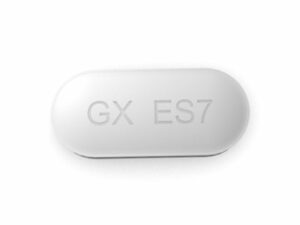
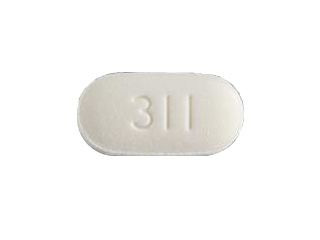
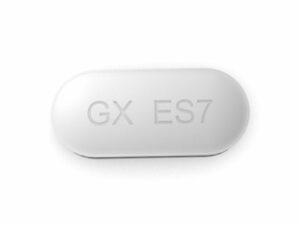
| Common forms (UK) | Tablets, capsules, and oral suspension (strength varies by brand) |
| Common uses | Selected ear, throat, chest, urinary and other bacterial infections (depending on local guidance and susceptibility) |
| Typical schedule | Often once or twice daily depending on the condition and dose |
What is cefixime?
Cefixime is a cephalosporin antibiotic. It is used to treat infections caused by bacteria that are susceptible to it. Like other antibiotics, it is not effective against infections caused by viruses.
Cefixime is available in different strengths and formulations. Your exact dose may differ based on:
- the type and severity of infection
- your age and kidney function
- local resistance patterns and susceptibility testing where available
- how well you respond to treatment
How cefixime works (mechanism of action)
Cefixime works by interfering with the formation of bacterial cell walls. Bacteria need strong cell walls to survive and multiply. Cefixime inhibits key enzymes involved in cell wall synthesis, which leads to bacterial death or stopping bacterial growth.
This antibiotic mainly targets susceptible Gram-positive and Gram-negative bacteria, depending on the strain and local resistance.
Pharmacokinetics: how the body absorbs and processes cefixime
Pharmacokinetics describes what the body does to a medicine—absorption, distribution, metabolism, and elimination.
- Absorption: Cefixime is absorbed after oral dosing. Food can affect the speed of absorption more than the total amount (see “Food interactions” below).
- Distribution: It distributes into body fluids and tissues to some extent, reaching infection sites depending on inflammation and the body’s characteristics.
- Elimination: Cefixime is eliminated mainly through the kidneys. People with reduced kidney function may require dose adjustments or additional monitoring.
- Half-life: The elimination half-life helps determine dosing frequency and is influenced by kidney function.
Your prescriber may consider kidney function when deciding the dose and duration.
Typical uses and indications in the UK
Cefixime is used for selected bacterial infections. The exact choice of antibiotic depends on clinical assessment, local antimicrobial guidance, and likely bacteria.
Common indications may include:
- Ear, nose, and throat infections such as some cases of middle ear infection or other bacterial infections where cefixime is suitable
- Respiratory tract infections such as certain episodes of bronchitis or other infections where bacterial causes are likely and susceptible organisms are expected
- Urinary tract infections (UTIs) caused by susceptible organisms
- Other bacterial infections depending on susceptibility and local guidance
If your symptoms do not improve or worsen, your healthcare professional may switch treatment or request additional tests.
When to take cefixime (timing and dosing schedule)
The most important factor is taking cefixime at the correct times and finishing the planned course. In many cases, cefixime is taken:
- Once daily (for some dosing regimens), or
- Twice daily (depending on dose and condition)
Tips for timing:
- Try to take it at regular intervals each day.
- Set reminders if you’re likely to forget doses.
- If you miss a dose, take it when you remember unless it’s close to the next dose—then skip the missed dose and continue as normal. Avoid doubling up unless advised.
Do not stop early even if you feel better—completion helps reduce the risk of relapse and resistance.
Dosing: what is the usual amount?
Dosing depends on age, the specific infection, and kidney function, and may vary between formulations (tablets, capsules, suspension). Always use the dose stated on your medicine packaging or in the instructions provided to you.
General dosing principles:
- Adults: Doses are commonly calculated as fixed amounts per day according to the infection and response.
- Children: Dosing is usually based on weight and age, and the oral suspension is often used for accurate measurement.
- Kidney impairment: People with reduced kidney function may need a lower dose or longer interval between doses.
For exact dosing, check the label and the leaflet for your particular product strength.
How to take cefixime (practical use)
Tablets/capsules
- Swallow with water.
- Do not crush or chew unless the leaflet or pharmacist advises it is suitable for your specific product.
Oral suspension
- Shake well before measuring each dose.
- Use the provided measuring device (syringe/spoon) for accurate dosing.
- Store according to the leaflet, and note any expiry after opening.
Course duration and expectations
- You may begin to feel better within 24 to 72 hours, but this varies by infection.
- If you do not improve after a few days, contact a healthcare professional for advice.
- Seek urgent help if you develop severe symptoms (e.g., breathing difficulty, swelling, severe rash).
Food interactions: can you take cefixime with meals?
Cefixime can generally be taken with or without food. Food may slow the speed of absorption but usually does not significantly reduce the total amount absorbed.
If you notice stomach upset, taking it with a meal or snack may improve tolerance.
Alcohol and medicine interactions
Alcohol
There is no well-known direct interaction between cefixime and alcohol that would require complete avoidance. However, drinking alcohol can:
- worsen dehydration or stomach irritation
- increase the risk of feeling unwell or missing doses
- conflict with other medicines you may be taking for symptoms
For best results, consider limiting alcohol while you’re unwell and follow any specific advice from your healthcare professional.
Other medicines (important interactions)
Always inform your pharmacist or prescriber about all medicines you take, including over-the-counter products and herbal remedies. Key interaction considerations include:
- Probenecid: May affect kidney excretion of some antibiotics and could increase cefixime levels in the body.
- Anticoagulants (blood thinners) such as warfarin: Antibiotics may increase bleeding risk in some people. Monitoring (e.g., INR) may be needed.
- Other medicines that affect kidney function: Since cefixime is eliminated by the kidneys, concurrent medicines that impact renal clearance may matter.
- Live bacterial vaccines: Antibiotics can sometimes interfere with treatment effectiveness of certain vaccines; timing advice may be required.
- Oral contraception: While cefixime is not a typical cause of contraceptive failure, severe diarrhoea or vomiting from illness or antibiotic-associated gut disturbance could reduce absorption of oral contraceptives. Use extra protection if you have significant diarrhoea/vomiting.
If you’re taking regular medication, it’s wise to check interactions with your pharmacist.
Safety profile: side effects and when to seek help
Common side effects
Many people have no problems, but cefixime may cause side effects. Common or expected side effects can include:
- diarrhoea
- nausea or abdominal discomfort
- headache
- vaginal yeast infection (in some people)
Less common but important side effects
- Allergic reactions (including rash, itching, swelling)
- Skin reactions that may be severe
- Severe diarrhoea (especially watery or bloody) which can indicate antibiotic-associated colitis
- Changes in blood counts (rare; may require tests in certain situations)
Seek urgent medical advice if you have
- difficulty breathing, wheezing, or swelling of face/lips/throat
- a widespread blistering rash, peeling skin, or severe skin reaction
- severe, persistent diarrhoea, especially with fever or blood/mucus
- unusual bruising, severe fatigue, or signs of a significant allergic reaction
Allergy considerations
Tell your healthcare professional if you have ever had an allergic reaction to:
- cephalosporin antibiotics (including cefixime and related medicines)
- penicillins (some people may be cross-reactive)
- any other medicines
Antibiotic stewardship: using cefixime responsibly
Antibiotic resistance is a growing concern. Taking cefixime only when it’s appropriate helps protect both you and the wider community.
- Do not use antibiotics for viral illnesses like colds.
- Complete the course as directed.
- Do not share antibiotics with others.
- Keep a record of which antibiotic you used previously, especially if you had side effects.
Practical use tips (to help you get the best results)
- Stay hydrated: Particularly if you have diarrhoea or fever.
- Monitor symptoms: Note whether fever, pain, or urinary symptoms are improving day by day.
- Take at consistent times: This maintains effective antibiotic levels.
- Use the correct measuring method: Especially for suspensions.
- Don’t double-dose: If you miss a dose, follow leaflet guidance.
- Know what “not normal” looks like: Stop and seek advice for severe allergic reactions or severe diarrhoea.
Alternative options (other antibiotics or treatments)
If cefixime is not suitable due to allergy, side effects, resistance patterns, or infection type, alternatives may include other antibiotics from different classes. The most appropriate choice depends on the suspected organism and location.
Possible alternatives that healthcare professionals may consider (examples):
- penicillin-based antibiotics (for susceptible infections)
- other cephalosporins
- macrolides (e.g., in certain respiratory or ENT infections)
- treatment based on culture and sensitivity results where available
If you were advised cefixime but feel it may not be working, contact your healthcare professional rather than changing antibiotics on your own.
UK market and legal context (overview)
In the United Kingdom, antibiotics are regulated medicines. Supply is governed by UK medicines legislation and pharmacy rules. Medicines must be supplied by appropriately authorised channels, and patients are expected to receive correct information about their use.
Local antimicrobial stewardship policies and guidance (such as those used by NHS services) influence which antibiotics are preferred for particular infections. Choice depends on factors including likely bacteria, resistance, patient history, and safety considerations.
For the most accurate and up-to-date advice, follow current guidance provided by NHS services and your healthcare team.
Recent guidance and resistance considerations (what matters now)
Antimicrobial guidance in the UK continues to emphasise:
- Appropriate selection of antibiotics based on infection type and severity
- Local resistance awareness and susceptibility where possible
- Shorter, targeted courses when clinically appropriate
- Reviewing treatment if no improvement occurs within expected timeframes
Because antibiotic resistance patterns vary, your healthcare professional may choose cefixime only when it is likely to be effective for the suspected bacteria in your situation.
Delivery, availability, and what to expect from an online pharmacy
Availability of cefixime products may vary by brand, strength, and formulation (tablets/capsules/suspension). An online pharmacy can typically offer:
- clear listing of product strengths and forms
- delivery options across the UK (subject to stock and shipping constraints)
- easy-to-access medicine information such as leaflet summaries
Delivery guidance: Delivery times depend on location and courier availability. Many pharmacies provide dispatch and tracking updates via email or account notifications.
Storage: Store cefixime according to the leaflet—often at room temperature, protected from moisture and heat. If using suspension, check for refrigeration or “after opening” expiry instructions.
Frequently asked questions (FAQ)
1) Is cefixime used for UTIs?
Cefixime may be used for some urinary tract infections caused by bacteria that are susceptible to it. The best antibiotic depends on your symptoms, urine test results (if done), and local resistance patterns.
2) How long does it take for cefixime to work?
Many people start to feel better within 24 to 72 hours. If there is no improvement after a few days or symptoms worsen, contact a healthcare professional for review.
3) Can I take cefixime with food?
Yes. Cefixime can usually be taken with or without food. Taking it with a meal may help if you experience nausea.
4) What should I do if I miss a dose?
Take it as soon as you remember unless it’s close to the next scheduled dose. If it’s almost time for the next dose, skip the missed one. Do not take a double dose unless instructed by your healthcare professional.
5) Can I drink alcohol while taking cefixime?
Moderate alcohol is not known to have a direct hazardous interaction with cefixime for most people, but alcohol may worsen how you feel and can aggravate stomach symptoms. If you’re unwell, limiting alcohol is usually sensible.
6) Who should be cautious with cefixime?
Extra caution may be needed if you have:
- a history of allergy to cephalosporins or related antibiotics
- kidney impairment (dose may need adjustment)
- a history of antibiotic-associated severe diarrhoea or colitis
7) What if I get diarrhoea during treatment?
Mild diarrhoea can occur. However, seek medical advice urgently if you develop severe watery or bloody diarrhoea, diarrhoea with fever, or symptoms that do not improve. This may require prompt assessment.
8) Can cefixime be used in children?
Cefixime may be used in children for appropriate infections, with dosing based on weight and age. Oral suspension is commonly used, and accurate measurement is important.
9) Are there medicines that should not be taken together with cefixime?
Certain medicines may interact, particularly those affecting kidney excretion or blood clotting. If you take medicines such as anticoagulants, or have a condition affecting kidneys, ask your pharmacist to check potential interactions.
10) What should I do if my symptoms don’t improve?
Contact a healthcare professional for reassessment. Your infection may be caused by a different organism, may be resistant, or may not be bacterial.
Important reminder
Antibiotics like cefixime should be used correctly to help ensure they work effectively and reduce the risk of resistance. If you’re unsure about how to take your medicine, discuss it with a pharmacist or healthcare professional.