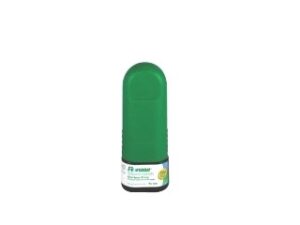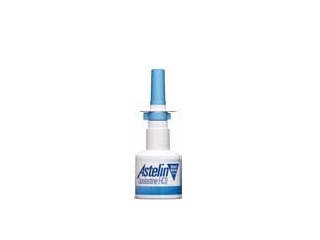
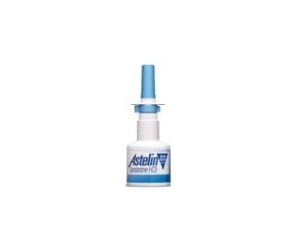
Astelin (Azelastine) Nasal Spray – Patient Information (UK)
Astelin (azelastine) is a medicine used to relieve symptoms of allergic rhinitis (hay fever) affecting the nose. It helps reduce sneezing, runny nose, and nasal itching, and can also ease congestion for many people. This guide explains how Astelin works, how to use it, what to expect, and key safety information—written for patients in the United Kingdom.
| Feature | What you should know |
|---|---|
| Active ingredient | Azelastine (often as azelastine hydrochloride) in a nasal spray form |
| Medicine type | Antihistamine |
| Main uses | Allergic rhinitis (including seasonal and perennial symptoms) |
| Common symptoms targeted | Sneezing, itching, watery/runny nose, nasal congestion |
| How it works | Blocks histamine (H1) receptors and helps reduce allergic inflammation |
| When it starts to work | Often within minutes; best effect may be seen over days of regular use |
Basic product information
Astelin contains azelastine, an antihistamine formulated for the nose. It is designed for local action in the nasal passages to relieve allergy-related symptoms.
In the UK, product names and availability may vary. If you are ordering online, check the exact product label for:
- Strength (mg/ml or mg per spray)
- Pack size
- Who it is suitable for (age limits may apply)
- Whether it is indicated for allergic rhinitis and/or other nasal conditions
How Astelin works (mechanism of action)
Allergic rhinitis occurs when your immune system reacts to allergens (such as pollen, dust mites, or pet dander). This reaction releases histamine and other inflammatory substances, which cause:
- sneezing
- nasal itching
- runny, watery discharge
- swelling and congestion
Azelastine is an antihistamine. It primarily works by:
- Blocking histamine H1 receptors in the nasal tissues
- Reducing inflammatory signalling associated with allergic reactions
- Helping calm the nasal lining, which can reduce symptoms quickly
Unlike some medicines that mainly prevent allergy symptoms from starting, azelastine can provide rapid symptom relief for many people.
Pharmacokinetics (how the body processes it)
After using a nasal spray, most of the medication acts locally in the nose. A small amount may be absorbed into the bloodstream.
- Absorption: Primarily local; limited systemic absorption occurs after nasal administration.
- Distribution: The absorbed portion distributes throughout the body, with active metabolites present.
- Metabolism: Metabolism occurs mainly in the liver.
- Elimination: The medicine and its metabolites are removed from the body via renal (kidney) and other routes.
In many patients, systemic exposure is relatively low compared with oral antihistamines, though individual sensitivity varies.
Typical uses and who it helps
Astelin is commonly used for allergic rhinitis. Allergic rhinitis can be seasonal (e.g., pollen) or perennial (e.g., dust mites).
Indications (what it is used for)
Depending on the exact UK product and label, azelastine nasal spray is used to relieve symptoms of:
- Allergic rhinitis
- Symptoms such as sneezing, itching, and runny nose
- Nasal congestion (for many patients, though response can vary)
Always follow the instruction leaflet supplied with your specific product. If symptoms are severe, persistent, or not improving, speak to a healthcare professional.
When and how to take it (timing)
Astelin nasal spray can be used once or twice daily, depending on age and symptom severity, as directed by your product packaging or healthcare advice.
- For quicker relief: You may notice improvement within minutes.
- For ongoing control: Consistent daily use during allergy season often gives better overall symptom control.
- Best time: Many people use it in the morning and/or evening. Choose times that match your symptom pattern (e.g., morning pollen exposure, evening indoor triggers).
Dosing guidance (typical adult and child dosing)
Dosing can vary between products and age groups. The table below provides general guidance; always check your specific package instructions for the exact dose.
| Patient group | Typical dosing approach (general) | Notes |
|---|---|---|
| Adults and adolescents | Usually 1–2 sprays per nostril, once or twice daily | Use the lowest effective dose for symptom control. |
| Children | Dose depends on age and product strength | Check label for age suitability and dosing. |
If you miss a dose, take it when you remember unless it is close to the next scheduled dose. Do not double to make up for a missed dose.
Practical use tips (how to use Astelin correctly)
Proper technique helps deliver medicine to the nasal lining and improves symptom control.
- Gently blow your nose if it is blocked (if appropriate for you).
- Shake the bottle if your product instructions require it.
- Remove the cap and check the nozzle.
- Prime the pump if required (some products need an initial spray before first use).
- Insert the nozzle into one nostril, keeping the other nostril partly closed.
- Aim the nozzle slightly outward (towards the ear), not straight up the middle of your nose.
- Breathe in gently through your nose as you press the spray.
- Repeat for the other nostril if your dose requires it.
- Wipe the nozzle after use and replace the cap.
- Avoid spraying too forcefully to prevent medication leaking out.
- Don’t sniff hard immediately after spraying.
- If you taste bitterness, it may be due to fluid draining into the throat. Tilting your head slightly forward rather than back can help.
- Keep the nozzle clean. If it becomes blocked, follow the leaflet cleaning instructions.
Food interactions
No specific food interactions are expected with azelastine nasal spray because it is administered in the nose and mainly acts locally. In general:
- You can take it with or without food.
- If you notice nausea or a bitter taste, try using the spray at a time when you are less likely to notice it (e.g., not immediately before very large meals).
Alcohol and medicine interactions
Azelastine is an antihistamine. Although nasal delivery typically results in lower systemic levels than oral antihistamines, some people can still experience side effects such as drowsiness or dizziness.
Alcohol
- Use caution with alcohol, especially if you have previously experienced drowsiness with antihistamines.
- Alcohol may increase the chance of feeling sleepy, dizzy, or less alert.
Other medicines
Interactions can occur with medicines that also cause drowsiness or affect the brain’s alertness. Consider extra caution if you take:
- sedatives or sleeping tablets
- strong pain medicines (opioids)
- some anxiety medicines
- other antihistamines (including tablets or other nasal sprays)
- medicines that can affect your ability to drive or operate machinery
If you take any regular medicines, including prescription and over-the-counter products, check the leaflet or ask a pharmacist for guidance.
Safety profile: side effects and when to seek help
Like all medicines, Astelin can cause side effects. Many are mild and improve as your body adjusts.
Common side effects
- Bitter taste or unpleasant taste in the mouth
- Nasal irritation (stinging/burning sensation)
- Headache
- Dizziness (less common, but possible)
- Dry nose
- Nosebleeds (occasionally, especially if the nose is irritated)
Less common but important reactions
- Allergic reactions such as rash, swelling, or breathing difficulty
Seek urgent medical help if
- You develop signs of a severe allergic reaction (e.g., wheezing, swelling of the face/lips, severe rash).
- There are severe or persistent symptoms after starting the medicine.
Driving and alertness
Some people report drowsiness or dizziness with antihistamines. Until you know how you respond, be careful when driving, cycling, or operating machinery.
Who should take extra care
You may need additional advice if you:
- are pregnant or breastfeeding
- have a history of frequent nosebleeds, severe nasal inflammation, or nasal surgery
- have liver problems (because metabolism occurs in the liver)
- are taking multiple medicines that affect alertness
- are using other nasal sprays, particularly steroid nasal sprays or decongestants
If any of these apply, speak to a pharmacist or healthcare professional for tailored guidance.
Alternative options for allergic rhinitis in the UK
If Astelin is not suitable, works insufficiently, or you want alternatives, there are several options commonly used for allergic rhinitis. Choice depends on symptom pattern (runny nose vs congestion), severity, and personal preference.
Common alternative medicine categories
- Intranasal corticosteroids (often first-line for persistent symptoms, especially nasal congestion)
- Oral antihistamines (may help sneezing/itching; drowsiness varies by type)
- Other intranasal antihistamines
- Barrier approaches such as saline rinses and allergen avoidance measures
- Decongestant nasal sprays for short-term relief only (avoid prolonged use due to rebound congestion)
Non-medicine measures (often very helpful)
- Reduce exposure to known allergens (e.g., keep windows closed during high pollen counts)
- Shower after outdoor exposure when pollen is high
- Wash bedding regularly if dust mites are a trigger
- Consider saline nasal irrigation to clear allergens and mucus
A pharmacist can help compare options based on your symptoms (particularly whether congestion is a main issue).
Market and legal context in the United Kingdom
In the UK, the availability and classification of medicines can differ between products and formulations. Some antihistamines and nasal sprays are available as pharmacy-only products, while others may be supplied under specified conditions. Online pharmacies in the UK typically operate within regulatory frameworks that require:
- appropriate patient information and safety checks
- relevant medicine compliance and quality standards
- clear product labelling and instructions
If you are unsure whether your specific Astelin product is suitable for self-care, check the product page and label details or consult a pharmacist.
Recent guidance and clinical approach (UK context)
Allergic rhinitis management in the UK commonly follows a stepwise approach:
- Identify triggers and consider avoidance strategies.
- For persistent symptoms, intranasal corticosteroids are often strongly considered.
- Antihistamines (oral or intranasal) can be used to relieve symptoms such as sneezing and itching.
- Many people use a combination strategy to target different symptoms.
While azelastine can provide fast relief, your best plan depends on your pattern of symptoms. If symptoms last beyond allergy season, worsen, or do not respond, it may be worth seeking medical advice to confirm the diagnosis (e.g., differentiate from infection, nasal polyps, or non-allergic rhinitis).
Delivery and availability (online pharmacy)
Availability can vary by supplier and stock levels. Typical UK online pharmacy delivery options may include:
- Standard delivery (several working days)
- Express delivery in some areas (subject to order cut-off times)
- Home delivery to your registered address
When ordering, it’s important to:
- Ensure the product matches the exact active ingredient and strength you need.
- Check expiry date and pack size.
- Store the spray according to the label instructions (keep away from excessive heat and out of reach of children).
If the medicine you receive looks different from expected (shape, size, strength, or label), do not use it—contact the pharmacy.
Storage and handling
- Keep the bottle at room temperature unless the leaflet instructs otherwise.
- Protect from direct sunlight and heat.
- Keep out of the sight and reach of children.
- Check expiry date before use.
Practical use checklist (for better results)
- Use consistently during high-symptom periods.
- Use correct technique for spray placement.
- Don’t combine with multiple similar sprays without advice.
- If nose is very blocked, consider saline to clear it first (if appropriate).
- Track triggers (pollen counts, dust exposure) to improve timing.
Frequently Asked Questions (FAQ)
1) How quickly does Astelin work?
Many people notice symptom improvement within minutes. For the best overall control during allergy season, regular use may be needed over several days.
2) Can I use Astelin every day?
It can often be used daily during allergy seasons or when symptoms persist, provided it matches the dosing instructions on the label and you tolerate it well. If symptoms continue despite correct use, seek advice.
3) Is it safe to use with other nasal sprays?
It depends on the other spray. Some people use azelastine alongside intranasal corticosteroids, but you should follow a plan from a pharmacist or healthcare professional to avoid overuse or incorrect sequencing.
4) Will it make me drowsy?
Some people may experience dizziness or drowsiness with antihistamines, though nasal administration is often better tolerated than oral forms. Until you know how it affects you, use caution with driving.
5) What if I taste bitterness after spraying?
This is relatively common. You can reduce it by tilting your head slightly forward, using gentle breathing during spraying, and avoiding sniffing hard right after application.
6) Can I use it for a cold?
Astelin is designed for allergic symptoms rather than typical viral colds. If your symptoms are new and you suspect infection (fever, severe facial pain, thick pus-like discharge), get medical advice.
7) What should I do if I get nosebleeds?
Mild irritation can happen. If nosebleeds are frequent or significant, stop using and seek advice. Ensure the nozzle is clean and use correct technique.
8) Can children use Astelin?
Children may be able to use azelastine nasal spray, but the age eligibility and dose depend on the specific product and strength. Always check the label and ask a pharmacist if unsure.
9) Is there a difference between Astelin and similar azelastine sprays?
There can be differences in formulation and strengths. Always check the active ingredient (azelastine), the strength, and the dosing instructions for your exact product.
10) When should I seek further medical advice?
If symptoms do not improve, worsen, or you develop new symptoms (such as severe nose pain, persistent nosebleeds, or suspected infection), consult a healthcare professional.
Summary
Astelin (azelastine) is an intranasal antihistamine used to relieve symptoms of allergic rhinitis in the UK, including sneezing, itching, and runny nose, and often congestion. It works by blocking histamine receptors and reducing allergy-driven inflammation. Many people experience relief quickly, and correct spray technique can improve results. As with all medicines, be mindful of potential side effects and interactions—especially alcohol and other medicines that may cause drowsiness.