Azelastine: Patient-Friendly Guide (UK)
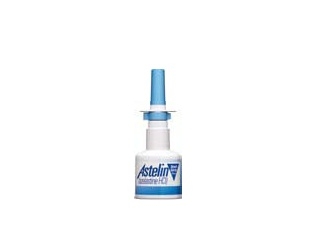
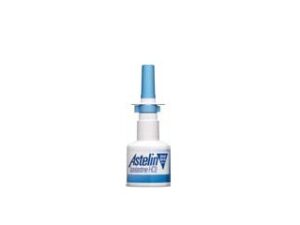
Azelastine is a medicine used to relieve symptoms of allergic conditions, particularly allergic rhinitis (hay fever) and related nasal symptoms such as sneezing, itching, and a runny or blocked nose. It works quickly and is available in different forms, most commonly as a nasal spray in the UK.
This guide explains how azelastine works, how it’s used, what to expect, and important safety information. It is written for patients and is designed to be helpful for everyday decision-making.
Basic product information
- Active ingredient: Azelastine (often as azelastine hydrochloride)
- Common forms: Nasal spray (and in some markets, eye drops)
- Therapeutic group: Antihistamine (H1 receptor antagonist) with anti-allergic properties
- Brand examples: May vary by manufacturer and availability
- Who it’s for: People with allergic nasal symptoms, including seasonal and perennial (year-round) allergies
Note: Product strength, dosing schedules, and pack size vary by formulation. Always follow the instructions that come with your specific product and any healthcare advice you have received.
How azelastine works (mechanism of action)
Azelastine is an antihistamine that blocks histamine H1 receptors. Histamine is one of the key substances released during allergic reactions, causing symptoms such as:
- sneezing
- itching (nose/eyes)
- runny nose
- nasal swelling and congestion
In addition to blocking histamine, azelastine has anti-allergic effects that help reduce inflammation within the nasal tissues. This multi-action approach supports symptom relief and can help control allergic triggers over time.
Onset: Many people notice symptom improvement relatively quickly after using azelastine nasal spray, with ongoing improvement over subsequent days when used consistently during an allergy episode.
Pharmacokinetics (how your body handles it)
Pharmacokinetics describes absorption, distribution, metabolism, and elimination. Exact figures can vary by route (for example, nasal vs eye use) and by individual factors.
Absorption
- Nasal use delivers azelastine locally to the nasal lining, with some absorption into the bloodstream.
- Because the drug is applied to the nasal mucosa, systemic exposure is generally lower than with some oral medicines, but it is not zero.
Distribution
- After absorption, azelastine and its metabolites distribute through the body.
Metabolism
- It is metabolised primarily in the liver.
- A major metabolite is produced and contributes to overall activity.
Elimination
- It is eliminated mainly through urine and faeces.
Practical takeaway: For most patients, standard nasal dosing is well-tolerated. If you have liver disease or take multiple medicines, it’s still important to discuss your overall regimen with a pharmacist or clinician.
Typical use (indications)
Azelastine is used to treat allergic symptoms, most commonly:
- Allergic rhinitis (hay fever), including seasonal symptoms
- Perennial allergic rhinitis (year-round allergies)
- Relief of nasal symptoms such as sneezing, runny nose, and itching
- In some formulations/markets, allergic conjunctivitis symptoms (if an eye drop preparation is being used)
Some people also use azelastine as part of a broader allergy plan (for example, alongside other non-medicinal measures and, where appropriate, other allergy medicines). Your choice of treatment depends on symptom pattern and severity.
When to take it and timing
Follow your product’s leaflet for the exact frequency and number of sprays per nostril. Typical patterns include once or twice daily dosing, depending on the formulation and age group.
Timing tips:
- If symptoms are worst in the morning, consider dosing that targets early-day relief.
- If symptoms worsen at night (for example, during sleep), dosing in the evening may be helpful.
- During a known high-allergen period (like pollen season), consistent daily use is often more effective than “only when needed.”
Using it for best effect: If you are using azelastine as directed, give it a few days to settle into your symptom routine, especially if your nasal inflammation is more persistent.
Food interactions
Food interactions are generally not a major concern with azelastine nasal preparations because the medicine is applied locally and systemic exposure is comparatively limited.
However, some medicines can interact indirectly (for example, via liver metabolism). For azelastine, clinically significant food interactions are not commonly highlighted.
Recommendation: Take your azelastine exactly as instructed. There is usually no need to adjust meals. If you notice unusual side effects after starting or changing your diet, speak to a pharmacist.
Alcohol and medicine interactions
Alcohol
There is no universally recommended “avoid alcohol” rule for azelastine nasal spray, but alcohol may increase the chance of side effects such as:
- feeling drowsy or unusually tired
- headache or dizziness in sensitive individuals
Practical advice: If you feel drowsy after using azelastine, it’s sensible to limit alcohol and avoid driving or operating machinery until you know how the medicine affects you.
Other medicines
Azelastine may interact with other medicines that cause drowsiness. Examples include:
- sedating antihistamines (some allergy and cold remedies)
- sleeping tablets or sedatives
- some antidepressants and antipsychotics that can have sedating effects
- certain pain medicines (opioids) that may cause sedation
In addition, because azelastine is metabolised in the body, medicines that strongly affect liver enzymes may alter exposure, although major interactions are not always expected with typical use.
What to do:
- Tell your pharmacist about all medicines you take, including over-the-counter products and herbal supplements.
- Be cautious if you combine azelastine with other sedating medicines.
- If you are taking multiple allergy products, confirm you are not doubling up on the same active ingredient.
Dosing (how much and how often)
Dose depends on the specific product and age. The following is a general guide and may not exactly match your leaflet.
Adults and adolescents
- Typical regimens often involve one or two sprays per nostril, once or twice daily, depending on the product strength and your symptoms.
Children
- Dosing for children varies by age and formulation. Use only the product strength that is indicated for your child’s age group.
- If you are unsure, ask a pharmacist or check the leaflet for the correct age-specific instructions.
Key dosing principles:
- Do not exceed the recommended number of sprays per day.
- Space doses roughly evenly through the day unless your healthcare professional advised otherwise.
- Use regularly during allergy seasons if symptoms persist.
Practical use tips (how to get the best results)
Correct technique can make azelastine more effective and reduce side effects.
Before using
- Gently blow your nose to clear mucus.
- Check the bottle is not blocked. If it’s a new bottle or hasn’t been used for a while, you may need to prime it (see the leaflet).
How to apply azelastine nasal spray
- Shake the bottle if your leaflet instructs you to.
- Insert the nozzle into one nostril (aim slightly outward, away from the centre of the nose).
- Breathe in gently through your nose as you press the spray.
- Repeat for the other nostril if required.
- Wipe the nozzle and replace the cap.
After use
- Try not to blow your nose immediately after spraying, if possible.
- Keep the nozzle clean to prevent blockage and maintain consistent dosing.
Taste or smell effects: Some people notice an unpleasant taste or smell after nasal antihistamines. This can happen if the spray drains down the throat. Using the technique above and aiming correctly can help reduce this.
Safety profile (side effects and when to seek help)
Azelastine is generally well tolerated. Like all medicines, it can cause side effects, though not everyone gets them.
Common side effects
- irritation or burning sensation in the nose
- nosebleeds (sometimes)
- headache
- unpleasant taste (more common with nasal sprays)
- dryness of the throat
Less common but important effects
- dizziness
- drowsiness or fatigue in some individuals
- allergic reactions (rare): rash, swelling, breathing difficulties
When to stop and seek urgent help
Get urgent medical advice if you develop signs of a serious allergic reaction, such as:
- swelling of the face, lips, tongue, or throat
- severe difficulty breathing
- widespread rash or fainting
Special caution
- Driving and machinery: If you feel drowsy or dizzy, avoid driving or operating machinery until you feel safe.
- Children: Use according to age-appropriate product instructions.
- Pregnancy and breastfeeding: Discuss with a healthcare professional if you are pregnant, trying to conceive, or breastfeeding.
- Liver problems: If you have significant liver disease, consult a pharmacist or clinician before regular use.
Indications vs symptom patterns: what azelastine is best for
Azelastine is especially helpful when you have allergic symptoms that include:
- sneezing and itching
- runny nose
- nasal discomfort that responds to antihistamines
If your main problem is mainly nasal blockage due to inflammation, you may find that different allergy medicines (such as nasal corticosteroids) are more effective for some people. Many allergy plans also use a step-up approach if symptoms aren’t well controlled.
Alcohol and medicine interactions (expanded)
Because azelastine is an antihistamine, combining it with other products that affect the nervous system can increase the risk of sedation or dizziness.
Be cautious if you use:
- other antihistamines (especially sedating tablets)
- sleep aids
- anti-anxiety or sedative medications
- cold/flu products that may contain antihistamine ingredients
How to reduce risk: Check labels for antihistamines, and if you’re unsure whether a product contains sedating ingredients, ask a pharmacist.
Alternative options
There are several treatment options for allergic rhinitis. The best choice depends on your symptoms, severity, and any co-existing conditions (such as asthma).
Non-medicine options
- Allergen avoidance where possible (e.g., keeping windows closed during peak pollen)
- Saline nasal rinsing to clear mucus and allergens
- HEPA filtration and regular vacuuming (where helpful)
Other medicines commonly used in the UK
- Intranasal corticosteroids (often first-line for persistent moderate–severe symptoms)
- Oral non-sedating antihistamines
- Ocular antihistamines if your main symptom is itchy, watery eyes
- Combination therapy in selected cases (for example, an antihistamine nasal spray plus a nasal steroid)
Speak to a pharmacist if you want guidance on selecting alternatives based on symptom pattern and age.
Market and legal context for the UK
In the United Kingdom, medicines are regulated and supplied under strict standards to ensure quality, safety, and appropriate use. Availability may depend on:
- whether a product is classified as pharmacy (P), general sale (GSL), or other categories
- brand and pack size
- the specific formulation (nasal spray vs eye drops, strength, and age indication)
Authorisation and marketing of azelastine products are subject to UK regulatory frameworks. Pharmacy supply typically includes patient information and product leaflets. If you are unsure whether your chosen product is suitable for you, a pharmacist can help you identify the safest option.
Recent guidance and practical expectations
Allergic rhinitis management commonly follows a stepwise approach:
- Confirm symptom pattern (seasonal vs year-round)
- Start with appropriate first-line therapy for the severity of symptoms
- Reassess after a short period to confirm you’re getting adequate control
- Consider adding or switching medicines if symptoms persist
Current best practice in the UK encourages:
- using the correct technique for intranasal sprays
- avoiding over-reliance on short-term relief products for long periods without review
- seeking professional advice if symptoms are frequent, severe, or affecting sleep/work
If symptoms continue: You may need evaluation for triggers, co-existing conditions (like sinus issues), or an alternative allergy strategy.
Delivery and availability in the UK
Availability of azelastine products can vary by brand and formulation. When sold by online pharmacies in the UK, products are typically supplied with:
- the patient information leaflet
- clear dosing instructions
- packaging that protects the medicine during transit
Delivery expectations: Delivery times depend on the supplier and courier service, and may vary across regions within the UK. Some orders may qualify for free delivery depending on the retailer’s offers or minimum order thresholds.
Storage: Store azelastine according to the label instructions. Keep away from excessive heat and out of reach of children.
Availability note: If your preferred strength or brand is unavailable, the pharmacy may offer an alternative formulation or equivalent option (subject to suitability and stock).
Frequently asked questions (FAQ)
1) How quickly does azelastine work?
Many people experience relief relatively quickly after using azelastine nasal spray. The degree and timing of improvement vary by person and by how consistent you are with daily use during an allergy episode.
2) Can I use azelastine every day during allergy season?
Yes, for ongoing allergic rhinitis symptoms, azelastine can be used daily as directed. If your symptoms persist despite regular use, speak to a pharmacist or clinician to review your plan.
3) Is azelastine the same as other allergy sprays?
Azelastine is an antihistamine. Other allergy sprays may be nasal corticosteroids, which work differently. Some patients benefit from different medicines depending on symptom type (sneezing/itching vs congestion) and severity.
4) Will azelastine cause drowsiness?
Some people may feel dizzy or drowsy, although it’s not experienced by everyone. If you notice drowsiness, avoid driving or operating machinery and discuss it with a pharmacist.
5) Can I take azelastine with other allergy medicines?
It depends on what you’re taking. Avoid duplication of antihistamines and check cold/flu products for hidden antihistamine ingredients. A pharmacist can help you combine treatments safely.
6) What if I get an unpleasant taste after using the nasal spray?
This can happen when medicine drains into the throat. Using the correct aiming technique (slightly outward, away from the centre of the nose) and breathing gently can help reduce it.
7) What should I do if I miss a dose?
Use it when you remember unless it’s close to the next dose. Do not take extra to make up for a missed dose. Follow your leaflet for specific instructions.
8) Can azelastine be used for children?
Yes, there are age-appropriate indications and dosing schedules for some formulations. Always use the product strength that is suitable for your child’s age and follow the leaflet carefully.
9) Are there any long-term safety concerns?
Many people use azelastine for seasonal or persistent allergy symptoms over extended periods under guidance. If you need treatment for long periods or symptoms are not controlled, a review is recommended.
10) When should I seek medical advice?
Seek advice if symptoms are not controlled, if you develop recurrent or severe nosebleeds, facial pain, fever, or if you have symptoms that suggest something other than typical allergies.
Summary table
| Topic | What you should know |
|---|---|
| What it is | Azelastine is an antihistamine used mainly for allergic rhinitis (hay fever) symptoms. |
| How it works | Blocks histamine H1 receptors and helps reduce allergic inflammation in the nasal lining. |
| Typical forms | Nasal spray (and in some preparations/markets, eye drops). |
| When it helps | Seasonal and year-round allergy symptoms such as sneezing, itching, and runny nose. |
| How to take | Use the number of sprays and frequency specified on your product leaflet. |
| Food interactions | Generally not a major issue for nasal use; take as directed with normal meals. |
| Alcohol | Alcohol may increase dizziness or drowsiness in sensitive individuals—use caution. |
| Other medicines | Be cautious when combining with other sedating antihistamines or medicines that cause drowsiness. |
| Common side effects | Local nasal irritation, headache, nosebleeds (sometimes), and an unpleasant taste. |
| Seek help | Urgent care for signs of serious allergy (swelling, breathing difficulty, widespread rash). |
Important: Always read the patient information leaflet provided with your azelastine product. If you have questions about suitability, dosing, or interactions, contact a pharmacist for advice.