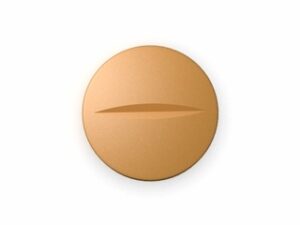
Beloc (Metoprolol) — Patient Information (UK)
Beloc contains metoprolol, a medicine used to help control heart rate and reduce strain on the heart. In the UK, metoprolol is widely prescribed for several cardiovascular conditions. This guide explains how Beloc works, how it is used, safety considerations, and practical tips to help you take it confidently.
| What is Beloc? | Beloc contains metoprolol (a beta-blocker). |
|---|---|
| Common uses | Angina, heart rhythm conditions, high blood pressure, and prevention/management of certain heart problems. |
| How it works | Reduces heart rate and helps lower blood pressure by blocking adrenaline (beta receptors). |
| How it may be taken | Tablets are usually taken once or twice daily depending on the specific product strength and formulation. |
| Key cautions | Do not stop suddenly; extra caution with asthma/COPD, diabetes, slow heart rate, and certain drug interactions. |
Basic product information
Beloc (metoprolol) is a beta-blocker. Beta-blockers help the heart beat more steadily and with less force. They are used for both symptom control (such as chest pain from angina) and longer-term protection in people at risk of cardiovascular complications.
Available forms and strengths: In the UK, metoprolol is commonly supplied as different tablet formulations (for example, immediate-release or modified-release, depending on the brand and preparation). The exact dosing schedule and tablet strength may differ. Always follow the dosing instructions supplied with your particular product.
Who it may suit: Many adults use metoprolol for heart-related conditions. Your clinician will assess your overall health, heart rate, blood pressure, and other medicines before recommending it.
How Beloc works (mechanism of action)
Metoprolol blocks beta-adrenergic receptors—primarily the beta-1 receptors in the heart. This leads to:
- Lower heart rate (slower pulse).
- Reduced force of contraction, which decreases the heart’s workload.
- Lower blood pressure, especially in people with hypertension.
- Improved rhythm control by slowing electrical signalling through the heart.
By reducing the heart’s demand for oxygen, metoprolol can help prevent or reduce angina symptoms. In certain cardiovascular conditions, it can also support long-term management by reducing strain on the heart.
Pharmacokinetics: how the body handles metoprolol
Pharmacokinetics describes how a medicine is absorbed, distributed, metabolised, and excreted.
- Absorption: Metoprolol is absorbed from the gastrointestinal tract. The rate and effect can vary by formulation (immediate-release vs modified-release).
- Onset: Some people notice effects on heart rate and blood pressure within hours, but steady benefits may take days to weeks depending on the condition being treated.
- Peak levels: Peak concentration timing depends on the tablet type. Modified-release forms generally smooth out drug levels over the day.
- Metabolism: Metoprolol is primarily metabolised by the liver, mainly via the enzyme system CYP2D6.
- Elimination: Metabolites are excreted largely via the kidneys (urine).
- Half-life: The half-life varies between individuals and formulations. Liver function and interacting medicines can influence drug levels.
Because metoprolol is processed by the liver and can be influenced by other drugs, it is especially important to consider drug interactions (see below).
Typical uses in the UK
Beloc (metoprolol) may be used to treat or help prevent the following conditions, depending on your personal medical history and the specific metoprolol formulation:
- High blood pressure (hypertension)
- Angina (chest pain due to reduced blood supply to the heart)
- Some heart rhythm problems (to help control heart rate/rhythm in appropriate cases)
- Heart failure management where appropriate as part of a broader treatment plan (only under specialist guidance)
- After certain heart events, in selected patients, to reduce strain on the heart
Important: The exact indication and suitability depend on factors such as the heart condition being treated, baseline heart rate, and other medicines you take.
When and how to take Beloc (timing)
How you take metoprolol depends on the specific product you have. In many cases:
- Immediate-release tablets may be taken once or twice daily (as instructed).
- Modified-release tablets are often taken once daily to provide steadier blood levels.
Consistency matters: Try to take your tablets at the same times each day. This helps maintain stable drug levels and reduces the chance of blood pressure or heart rate becoming uncontrolled.
If you miss a dose: Take it when you remember unless it is close to the time of the next dose. In general, do not take a double dose. If you are unsure, follow the instructions provided with your medicine or ask your pharmacist.
Do not stop suddenly: Stopping beta-blockers abruptly can cause symptoms such as chest pain, faster heart rate, or worse blood pressure control in some people. If stopping is needed, it should usually be done gradually under medical advice.
Food interactions and what to eat
Metoprolol may be taken with or without food. However, food can influence absorption for some formulations and people experience different side effects depending on whether they take it on a full stomach.
Practical advice:
- If you experience nausea or stomach upset, consider taking it with food.
- Maintain a consistent routine (for example, always with breakfast) to make effects easier to predict.
Grapefruit and some herbal products: While grapefruit is more notorious with some other medicines, always check with your pharmacist about specific foods or supplements—especially those that may affect liver enzymes.
Alcohol and medicine interactions
Alcohol: Drinking alcohol can worsen low blood pressure, cause dizziness, and increase the chance of feeling faint—particularly when you first start metoprolol or if your dose changes.
- Limit alcohol until you know how metoprolol affects you.
- Avoid heavy drinking, especially if you already have dizziness, low pulse, or low blood pressure.
Other medicine interactions (important):
Metoprolol interacts with various medicines. Some interactions can slow heart rate, reduce blood pressure too much, or change metoprolol levels in the body.
Medicines that may increase effects on heart rate or blood pressure
- Other rate-slowing medicines (e.g., some calcium channel blockers used for heart conditions)
- Antiarrhythmics (medicines for rhythm problems)
- Digoxin (used for certain heart conditions)
- Clonidine (stopping clonidine suddenly can be risky; tell your clinician about all changes)
Methoprolol level-changing medicines
- CYP2D6 inhibitors can raise metoprolol blood levels, potentially increasing side effects (for example, some antidepressants and antipsychotics).
- Some anti-malaria medicines and other agents can also affect metabolism in certain cases.
Medicines that can mask signs of low blood sugar
- Diabetes medicines: Beta-blockers may reduce warning signs of hypoglycaemia (such as fast heartbeat). This does not remove low blood sugar itself, so monitoring remains important.
Non-prescription and supplements
- Some cough/cold medicines may contain ingredients that affect heart rate or blood pressure. Check labels and ask your pharmacist.
- Always tell your pharmacist about supplements or herbal products.
Seek urgent help if you develop severe dizziness, fainting, breathing difficulty, or unusually slow heart rate.
Dosing: what to expect
Dosing is individual. The correct dose depends on the condition being treated, your age, kidney and liver function, baseline heart rate, and how you respond to treatment.
In practice, metoprolol treatment often starts at a lower dose and is gradually adjusted (titrated) until the desired effect is achieved.
Typical dose ranges (general guidance)
Because products and formulations vary, the following provides general expectations rather than a personal dosing plan. Always use your own prescribed instructions.
- High blood pressure / angina: Metoprolol doses are commonly adjusted over days to weeks.
- Heart rhythm control: Doses may be different and sometimes require closer monitoring.
- Heart failure: Dosing typically follows a specific gradual approach and should be managed carefully.
Monitoring may include:
- Blood pressure readings
- Heart rate (pulse)
- Symptoms such as dizziness, fatigue, breathlessness, or chest pain
- Blood tests if other medicines are involved or if kidney/liver function changes
If you feel unwell after a dose: Note the time you took it and the symptoms. Your pharmacist or prescriber may adjust the dose or timing.
Safety profile: who should take extra care?
Beloc (metoprolol) is generally well tolerated by many people, but like all medicines it can cause side effects. Some effects are related to its heart-rate and blood-pressure lowering action.
Common side effects
- Feeling tired or low energy
- Dizziness or light-headedness (especially when standing)
- Headache
- Nausea or stomach discomfort
- Cold hands and feet
- Sleep disturbances in some people
Less common but important
- Slow heart rate (bradycardia)
- Worsening of heart failure symptoms if not appropriately started/adjusted
- Shortness of breath or wheezing (particularly in people with asthma or some lung conditions)
- Depression or mood changes (reported by some patients)
- Skin reactions (rare)
When to get urgent medical help
- Fainting or severe dizziness
- Severe shortness of breath or wheezing
- Chest pain that is new, worsening, or not improving
- Very slow pulse or palpitations with feeling unwell
Cautions and special circumstances
- Asthma/COPD: Beta-blockers can sometimes make breathing symptoms worse. If you have asthma, discuss risk carefully; do not adjust dosing without advice.
- Diabetes: Watch for hypoglycaemia and note that warning signs may be less noticeable.
- Heart block or very slow pulse: Metoprolol may be unsafe in some rhythm conduction problems.
- Poor circulation: It may worsen symptoms in some people with peripheral vascular disease.
- Liver disease: Could affect drug metabolism.
- Older age: Side effects like dizziness may be more common—your dose may need adjustment.
Practical use tips (getting the best results)
- Measure your pulse and blood pressure: If advised, keep a log. This can help your clinician adjust your dose safely.
- Be careful when standing up: Rise slowly, especially during the first few days or after a dose increase.
- Keep appointments: Regular checks ensure your heart rate and blood pressure remain in a safe range.
- Carry an up-to-date medicine list: Include metoprolol and any other cardiovascular medicines, diabetes medicines, and inhalers.
- Don’t run out: If you’re near the end of your supply, arrange repeat medication in good time to avoid missed doses.
- Use a consistent routine: Taking it at the same time each day can reduce missed doses and side effects.
Alternative options (if metoprolol isn’t suitable)
If Beloc (metoprolol) is not tolerated or not appropriate, clinicians may consider other treatments depending on the condition being treated.
Other beta-blockers
- Alternative beta-blockers may be used, sometimes with different properties or dosing frequency.
Non-beta-blocker options
- Calcium channel blockers (for blood pressure or angina in selected patients)
- ACE inhibitors / ARBs (often used for blood pressure and certain heart conditions)
- Antianginal medicines (depending on symptoms and risk factors)
Important: Alternatives depend heavily on your diagnosis and health profile. Always discuss changes with your pharmacist or clinician.
Market and legal context in the UK (overview)
In the UK, medicines such as metoprolol are regulated under the Medicines and Healthcare products Regulatory Agency (MHRA) framework. Availability, packaging, and supply arrangements are designed to ensure safe use and accurate dosing.
Online pharmacies operating in the UK must follow legal requirements for medicines supply and customer safety checks. You may be asked to complete a health questionnaire to confirm suitability, appropriate use, and to provide safety information such as dose timing and interaction checks.
Safety reporting: If you experience side effects, you can report them through the UK’s Yellow Card scheme via the MHRA website. Reporting helps improve understanding of medicine safety.
Recent guidance and updates (what to consider)
Guidance for cardiovascular medicines evolves based on clinical evidence and safety monitoring. For beta-blockers like metoprolol, key ongoing themes in modern UK practice include:
- Individualised dosing with careful monitoring of pulse and blood pressure.
- Avoiding sudden withdrawal (taper when stopping is planned).
- Checking drug interactions, especially with medicines that alter heart rate or liver metabolism.
- Special caution in asthma/COPD and diabetes.
If you have been told to change your dose, confirm the new schedule clearly and do not adjust it yourself unless instructed.
Delivery and availability (UK online pharmacy)
Beloc (metoprolol) may be available through regulated UK online pharmacies in line with standard UK supply practices. Availability can vary by product strength and formulation, so dispatch times may differ.
What to expect when ordering online:
- Inventory checks: Many pharmacies verify stock before confirming dispatch.
- Packaging: Medicines are supplied in secure, protective packaging with clear labelling.
- Delivery: Orders are typically delivered by tracked courier services.
- Customer support: If there are dosing or packaging questions, a pharmacist can usually advise.
Keep your original packaging: Store tablets according to label instructions and keep them away from heat and moisture.
Storage instructions
- Store at room temperature unless the label says otherwise.
- Keep in the original container to protect from light and moisture.
- Keep out of reach and sight of children.
- Do not use after the expiry date on the pack.
FAQ about Beloc (Metoprolol)
1) What is Beloc used for?
Beloc (metoprolol) is used for heart-related conditions such as high blood pressure, angina, and certain rhythm/heart rate problems. It may also be part of management after specific heart events or in certain heart failure situations, depending on your individual care plan.
2) How long does it take to work?
Some effects on heart rate and symptoms may be noticed within hours to days. For blood pressure and angina prevention, benefits may build over days to weeks. Your clinician will monitor response and adjust dosing if needed.
3) Can I take metoprolol with food?
Yes—metoprolol can usually be taken with or without food. If you get stomach discomfort, taking it with food may help.
4) Will it slow my heart rate?
Yes. Metoprolol is designed to lower heart rate. If you feel faint, unusually weak, or you notice a very slow pulse, contact a healthcare professional promptly.
5) Is it safe to drink alcohol?
Alcohol can increase dizziness and lower blood pressure. Keep alcohol modest and avoid heavy drinking, particularly when starting or after dose changes.
6) What happens if I miss a dose?
If you miss a dose, take it when you remember unless it’s close to the next dose. Do not take a double dose. If you’re unsure, ask your pharmacist.
7) Can I stop Beloc suddenly?
Do not stop suddenly unless a clinician specifically advises. Stopping beta-blockers abruptly can cause problems such as worsening chest pain or changes in heart rate and blood pressure. Doses are usually reduced gradually.
8) What drug interactions should I watch for?
Tell your pharmacist about all medicines, including cough/cold products and supplements. Particular caution is needed with other rate/blood pressure-lowering medicines, certain rhythm medicines, digoxin, diabetes medicines, and drugs that affect liver enzymes (including CYP2D6 inhibitors).
9) Does metoprolol affect asthma?
It can. If you have asthma or other lung disease, discuss with a clinician. If you develop wheezing or breathing difficulty, seek medical advice urgently.
10) What side effects are most common?
Tiredness, dizziness, headache, and cold hands/feet are among the more common effects. If side effects are severe, persistent, or worsening, speak to a healthcare professional.
Summary
Beloc (metoprolol) is a beta-blocker commonly used in the UK to manage cardiovascular conditions such as high blood pressure, angina, and certain rhythm or heart rate issues. It works by blocking adrenaline effects on the heart, leading to a slower heart rate and reduced cardiac workload. Like all medicines, it requires sensible use—particularly regarding dose timing, avoiding sudden stopping, and being alert to interactions and side effects.
If you have questions about your specific product (for example, tablet strength or modified-release vs immediate-release), consult your pharmacist for advice tailored to your situation.