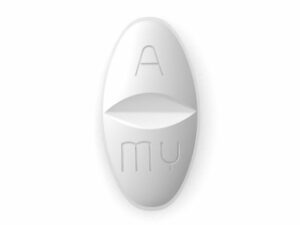


Losartan Potassium (Losartan) – Patient Information (UK)
Losartan is a medicine widely used in the United Kingdom to treat high blood pressure and certain heart and kidney conditions. This guide explains what the medicine does, how it works, how it is typically taken, and what to consider for safety and everyday use.
Quick overview
| Topic | What to know |
|---|---|
| Generic name | Losartan (as losartan potassium) |
| Common uses | High blood pressure; protection of the kidneys in certain patients; heart failure in selected cases |
| How it works | Blocks angiotensin II (an ARB medicine), helping relax blood vessels |
| Typical dosing frequency | Usually once daily |
| Common side effects | Dizziness, tiredness, headache; occasionally changes in blood tests (e.g., potassium) |
| Key precautions | Pregnancy, kidney problems, high potassium, dehydration/low blood pressure, interactions with certain medicines |
Basic product information
- Medicine name: Losartan (losartan potassium)
- Drug class: Angiotensin II receptor blocker (ARB)
- Available strengths: Common tablet strengths include 12.5 mg, 25 mg, 50 mg and 100 mg (availability can vary by brand/manufacturer)
- Administration: Usually tablets taken once daily
Losartan is commonly supplied as oral tablets. You can take it with or without food (more details below).
How losartan works (mechanism of action)
In the body, angiotensin II is a hormone-like substance that causes blood vessels to tighten and promotes salt and water retention. Together, these effects can raise blood pressure and increase strain on the heart and kidneys.
Losartan blocks the angiotensin II type 1 (AT1) receptors. By preventing angiotensin II from acting on these receptors, losartan helps:
- Relax blood vessels → lower blood pressure
- Reduce resistance in the circulation → makes it easier for the heart to pump
- Support kidney protection in certain conditions, particularly where protein in the urine is present (in line with clinical indications)
Because losartan is an ARB, it is sometimes chosen if someone cannot tolerate an ACE inhibitor (another type of blood-pressure medicine) due to side effects such as cough—this decision is individual and guided by clinicians.
Pharmacokinetics (how the body handles losartan)
Pharmacokinetics describes how the medicine is absorbed, processed, and removed from the body.
- Absorption: Losartan is absorbed after you take a tablet by mouth. It is then metabolised (broken down) in the liver.
- Active metabolite: Losartan is converted to an active metabolite (often described as EXP 3174 in pharmacology literature) that contributes to overall blood-pressure effect.
- Distribution: It distributes throughout the body and exerts its effects by blocking AT1 receptors.
- Metabolism: Mainly hepatic (liver) metabolism.
- Elimination: Excretion occurs via the kidneys and bile/intestinal route. Amounts may differ between people.
- Duration: Although levels vary, losartan’s receptor-blocking activity supports once-daily dosing in many patients.
If you have liver or kidney impairment, your clinician may consider dose adjustments and closer monitoring, including blood tests.
Typical uses and indications (UK)
Losartan is used for several cardiovascular and kidney-related conditions. Indications can vary by patient profile and local clinical practice.
Common indications
- High blood pressure (hypertension): To lower blood pressure and reduce risk of complications.
- Kidney protection in certain patients with diabetes: In people with type 2 diabetes, hypertension, and evidence of kidney disease (often including protein in the urine), losartan may be used to help slow progression.
- Heart failure (selected patients): Losartan may be considered in some patients with heart failure who are not able to tolerate certain other treatments, depending on individual circumstances and guidance.
- Hypertension with left ventricular hypertrophy: In some patients, losartan is used as part of blood pressure management and risk reduction.
Your specific reason for taking losartan matters for dosing targets and monitoring. Always follow your healthcare professional’s plan.
When and how to take losartan (timing and consistency)
Losartan is generally taken once daily. Taking it at about the same time each day helps maintain steady control.
- Best time: Choose a time that suits your routine. Some people prefer evening or morning depending on how they feel; what matters most is consistency.
- Starting effect: You may start to notice lower blood pressure within days, but maximum benefit may take several weeks.
- Don’t skip doses: If you miss a dose, take it when you remember unless it’s close to your next dose—then skip and continue normally.
If you’re unsure what to do after a missed dose, check the patient leaflet provided with your medicine or ask a pharmacist.
Food interactions
Food does not usually require special timing for losartan. You can take it with or without meals.
- Eating does not typically affect the medicine’s ability to work in a clinically significant way.
- If your stomach feels unsettled when you take it, some people find taking it with food improves comfort.
Alcohol and medicine interactions
Alcohol
Alcohol can worsen side effects related to blood-pressure lowering, such as dizziness or light-headedness, especially when you first start losartan or after a dose increase.
If you drink alcohol, consider:
- Keeping to safe limits and avoiding binge drinking.
- Being extra cautious when getting up quickly (to reduce fall risk).
- If you feel faint, avoid alcohol until your symptoms are discussed with a healthcare professional.
Other medicine interactions (important)
Losartan can interact with certain medicines, and some combinations may increase the risk of kidney problems or alter potassium levels. Always review your current medicines with a pharmacist or clinician.
Medicines that may need extra care
- Potassium supplements or salt substitutes containing potassium: May increase potassium levels, which can be dangerous.
- Diuretics (especially potassium-sparing types): Examples include spironolactone or eplerenone. Some combinations are appropriate but require monitoring.
- NSAIDs painkillers: Non-steroidal anti-inflammatory drugs such as ibuprofen, naproxen, and diclofenac may reduce kidney support in some patients and can raise risk of kidney issues when combined with ARBs.
- Other blood-pressure medicines: Combining multiple blood-pressure-lowering drugs can increase the risk of low blood pressure.
- Medicines affecting the renin–angiotensin system: Avoid combining an ARB with another ARB or an ACE inhibitor unless specifically instructed, due to increased risks (e.g., kidney effects and high potassium).
- Lithium: Losartan may increase lithium levels—this combination requires specialist monitoring.
- Some immunosuppressants or drugs affecting potassium: Monitoring may be needed depending on your regimen.
If you’re taking over-the-counter painkillers, check labels and speak to a pharmacist—NSAIDs are a common source of interaction.
Dosing: typical starting dose and how it’s adjusted
The correct dose of losartan depends on the condition being treated, your overall health, and blood test results (kidney function and potassium). Dosing strategies should follow UK prescribing guidance and the product’s Summary of Product Characteristics.
General dosing principles
- Start low, adjust as needed: Clinicians often start with a lower dose and increase if needed for blood pressure control.
- Once daily: Most regimens are once daily.
- Monitoring: Blood tests are commonly repeated after starting or increasing dose to check kidney function and potassium.
Common dose ranges (examples)
The exact regimen should be confirmed with your clinician or the leaflet supplied with your medication. Typical adult dosing patterns in many settings include:
- Hypertension: Often starts at 50 mg once daily; may be adjusted depending on response. Some patients may start at 25 mg (especially if older, frail, or at higher risk of side effects).
- Renal protection in type 2 diabetes with protein in the urine: Often targets similar blood-pressure control, with dosing adjusted according to response and tolerance.
- Heart failure: Dose is typically titrated carefully and gradually.
If you have kidney impairment or liver impairment, a clinician may recommend a lower starting dose and closer monitoring.
Safety profile: side effects and when to seek help
Most people tolerate losartan well, but like all medicines it can cause side effects. Some effects are mild and improve over time, while others require urgent assessment.
Common side effects
- Dizziness or light-headedness (particularly when standing up)
- Low blood pressure symptoms (feeling faint)
- Headache
- Tiredness or weakness
- Occasionally abdominal discomfort or nausea
Less common but important risks
- High potassium (hyperkalaemia): This can affect heart rhythm and may be detected through blood tests. Symptoms can include muscle weakness or palpitations, but it is often asymptomatic.
- Kidney function changes: Mild changes can occur, especially in people who are dehydrated, have renal artery stenosis, or are taking certain interacting medicines.
- Allergic-type reactions (rare): Seek medical help if you develop swelling of the face, lips, tongue, or throat, or have trouble breathing.
- Severe dizziness/fainting: Could indicate excessively low blood pressure.
When to seek urgent medical advice
Contact urgent medical services or seek emergency help if you experience:
- Swelling of face/lips/tongue, difficulty breathing, or severe allergic reaction symptoms
- Fainting, severe dizziness, or symptoms of shock
- Signs of very high potassium (for example, significant palpitations, severe weakness), especially if advised by your clinician
- Severe reduced urine output with feeling unwell
For non-urgent concerns, contact your GP or pharmacist. If you are ever unsure, it’s appropriate to seek advice promptly.
Practical use tips for everyday life
- Check your blood pressure: If you have a home monitor, follow guidance on how to measure consistently (same arm, seated rest, avoid caffeine/exercise right beforehand).
- Know your blood test plan: Ask when you should have kidney function and potassium checked, especially after starting or dose changes.
- Stay hydrated: Dehydration can increase the risk of low blood pressure and kidney problems. If you are ill with vomiting/diarrhoea, seek advice about temporary medication adjustments.
- Be careful with “natural” products: Some supplements can affect potassium levels or blood pressure.
- Stand up slowly: Dizziness is more likely at the start of therapy or after dose increases—get up gradually.
- Keep a medication list: Include all prescriptions, over-the-counter medicines, and supplements for interaction checking.
Missed doses and restarting
If you miss a dose, take it when you remember unless it’s close to the next scheduled dose. Do not take a double dose to make up for a missed tablet.
If you miss multiple doses or are unsure, ask a pharmacist for guidance based on your situation.
Special populations and key precautions
Pregnancy and breastfeeding
Losartan is not suitable during pregnancy. It may harm the developing baby, especially in later pregnancy. If you become pregnant while taking losartan, seek urgent advice from your clinician promptly to discuss safer alternatives.
If you are breastfeeding, discuss suitability with your healthcare professional. ARBs are often reviewed carefully because not all agents are considered equally appropriate during breastfeeding.
Kidney problems
- People with reduced kidney function may require dose adjustments and more frequent blood tests.
- Dehydration and certain medicines (notably NSAIDs) can increase kidney-related risks.
Dehydration, vomiting/diarrhoea, “sick day” considerations
If you become very unwell with vomiting or diarrhoea, your blood pressure may drop and your kidney function can temporarily worsen. In such situations, some people may need medication review. Follow “sick day” advice from your clinician or local guidance.
History of angioedema
If you have previously experienced angioedema (swelling) with any similar blood-pressure medicine, notify your clinician. You should also seek urgent help if swelling occurs again.
Alternative options (if losartan is not suitable)
There are several other treatment options depending on your condition, other health conditions, and tolerability. Alternatives may include:
Blood-pressure and kidney-related alternatives
- Other ARBs: e.g., candesartan, valsartan, irbesartan (choice depends on individual factors)
- ACE inhibitors: e.g., enalapril, lisinopril (not used in pregnancy and may cause a cough in some people)
- Calcium channel blockers: e.g., amlodipine
- Thiazide-like diuretics: e.g., indapamide or chlorthalidone (depending on clinical plan)
- Beta-blockers: e.g., bisoprolol, for certain heart conditions (where appropriate)
If you need a change due to side effects or blood test abnormalities, a clinician will assess the safest option. Do not switch without advice.
UK market and legal context (pharmacy information)
Losartan is widely available in the UK and is typically provided through community pharmacies for eligible patients, following established NHS and clinical pathways. Medicines in this category are regulated to ensure quality, safety, and accurate information for patients.
In the UK, product availability can vary by manufacturer and strength. Pharmacies may supply different branded or generic forms that contain the same active ingredient, losartan potassium.
Recent guidance (general themes)
- Monitoring: Ongoing emphasis on checking kidney function and potassium after starting or increasing renin–angiotensin system medicines.
- Safer prescribing: Avoiding inappropriate combinations that increase risk (for example, combining two medicines that act on the renin–angiotensin system without specialist indication).
- Patient education: “Sick day” advice and guidance to seek help promptly when unwell or when symptoms of low blood pressure occur.
Local NHS guidance and updates from relevant professional bodies can influence monitoring schedules and prescribing choice. Your healthcare professional will apply the most current recommendations.
Delivery and availability (UK online pharmacy)
When ordering losartan from an online pharmacy, availability can depend on your required strength (e.g., 25 mg, 50 mg, 100 mg) and whether you’re supplied with a specific manufacturer’s brand or a generic equivalent.
- Confirm strength and form: Check the label carefully when your delivery arrives.
- Packaging: Tablets are supplied in sealed packs with a patient information leaflet.
- Dispatch times: Delivery schedules depend on stock levels and courier services.
- Storage: Store tablets according to the pack instructions (typically at room temperature, away from heat and moisture).
If you need urgent supply due to running out, many pharmacies can advise on options such as substitutions (where clinically appropriate) or re-order timing.
FAQ – Losartan in plain language
1) What is losartan used for?
Losartan is used to treat high blood pressure. It may also be used to protect the kidneys in certain people with type 2 diabetes and protein in the urine, and it can be used in selected heart failure cases.
2) How long does it take to work?
Blood pressure may begin to lower within days. The full effect and dose optimisation often take several weeks. Keep taking it every day as directed.
3) Should I take losartan with food?
Yes, you can take it with or without food. If it upsets your stomach, taking it with a meal may help.
4) Can I drink alcohol while taking losartan?
Alcohol may increase dizziness or faintness because it can lower blood pressure. Use caution, especially when starting or increasing the dose, and avoid excessive drinking.
5) What side effects are most common?
Common effects include dizziness, headache, tiredness, or symptoms related to lower blood pressure. Some people experience no side effects.
6) What blood tests might I need?
Clinicians often monitor kidney function (e.g., creatinine/eGFR) and potassium levels, particularly after starting treatment or increasing the dose.
7) Is it safe to take ibuprofen or other painkillers?
NSAIDs (like ibuprofen) can interact with medicines such as losartan and may increase kidney risk in certain people. If you need pain relief, ask a pharmacist what is safest for you and how often you can take it.
8) What if I miss a dose?
Take it when you remember unless it is nearly time for your next dose. Do not take a double dose. If you’ve missed several doses, seek advice from your pharmacist.
9) Can I stop losartan if I feel better?
Blood pressure often improves, but the condition remains. Stopping suddenly can lead to blood pressure rising again. Don’t stop without discussing with your healthcare professional.
10) Who should avoid losartan?
Losartan is generally avoided in pregnancy and may need extra caution in people with significant kidney impairment or those at risk of high potassium. Your clinician will decide based on your health profile.
Remember: Always read the patient information leaflet supplied with your tablets and follow the advice of your healthcare professional. If you have questions about your own treatment, speaking to a pharmacist is often a quick and helpful first step.