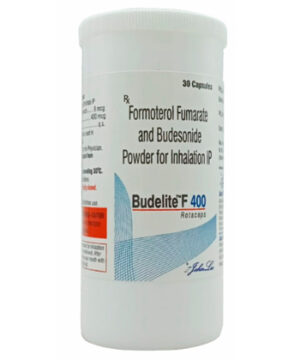

Budesonide Inhaler (Budesonide) – Patient Information (UK)
This guide explains how the budesonide inhaler works, what it is used for, how to use it properly, and what to expect. It is written for people in the United Kingdom and focuses on practical, patient-friendly information.
Always follow the instructions given by your healthcare professional and the leaflet supplied with your specific inhaler. Different products may vary in strength (micrograms), device type, and dosing schedule.
1. Basic product information
| Category | Details |
|---|---|
| Medicine | Budesonide (an inhaled corticosteroid) |
| Common uses | Asthma and certain steroid-responsive respiratory conditions |
| How it works | Reduces airway inflammation |
| Typical format | Inhaler (device type varies by brand: e.g., metered-dose inhaler, dry powder, or nebuliser forms) |
| Strengths | Commonly available in multiple microgram strengths; prescribed dose depends on age and condition |
Important: An inhaled budesonide medicine is not a “reliever” for sudden symptoms like wheeze or breathlessness. It is designed to control inflammation over time.
2. What budesonide inhalers are and how they work
Mechanism of action
Budesonide is a corticosteroid. When you inhale it, it targets inflammation in the airways. It works by:
- Reducing airway inflammation (swelling and irritation)
- Decreasing recruitment of inflammatory cells
- Lowering mucus production and improving airflow
- Improving airway hyper-responsiveness (less tendency to tighten)
Over time, these effects help you breathe more comfortably and reduce the likelihood of asthma symptoms worsening.
How quickly does it work?
- Some improvement may be noticed within days.
- Full effect often takes several weeks of regular use.
This is why budesonide should be used every day as directed, even when you feel well.
3. Pharmacokinetics (how the body handles budesonide)
Pharmacokinetics describes what happens to a medicine after you use it. With inhaled budesonide, the goal is local action in the lungs, with limited systemic exposure.
Absorption
- After inhalation, budesonide reaches the airways and lungs.
- Some portion may be deposited in the mouth/throat; the technique and use of a spacer can affect where the dose goes.
- Only part of the inhaled dose is absorbed through the lungs; some swallowed material may be absorbed from the gastrointestinal tract.
Distribution
- Budesonide binds to plasma proteins and is distributed throughout the body.
Metabolism
- Budesonide is mainly metabolised in the liver.
- A key enzyme involved is CYP3A4.
Elimination
- Metabolites are excreted mainly via the urine.
Because budesonide is designed for inhaled use, systemic effects are generally lower than with tablets—though higher doses or poor technique can increase overall exposure.
4. Typical use and when to take it
Typical indications
Budesonide inhalers are commonly used for long-term control of airway inflammation. In the UK, they are widely used in asthma management plans and may be used in other steroid-responsive conditions depending on the product and clinical judgement.
Timing and routine
Follow your prescribed regimen. Many people use budesonide:
- Once or twice daily depending on dose and severity
- At a consistent time each day to maintain steady anti-inflammatory effect
Practical timing tips:
- If using twice daily, many find it easiest to take doses in the morning and evening.
- Try to avoid missing doses—consistency helps control symptoms.
5. Food interactions
Food interactions are generally not a major issue with inhaled budesonide because the main action is local in the lungs and systemic absorption from swallowed residue is limited.
- There are usually no specific “must avoid” foods for inhaled budesonide.
- If you swallow some medication (common with some inhalers), remaining amounts are processed by the liver—food is unlikely to meaningfully affect this for most people.
Top tip: Rinsing your mouth after inhalation can reduce throat irritation and the risk of oral thrush (see safety section below).
6. Alcohol and medicine interactions
Alcohol
For most people, moderate alcohol is not expected to be a direct problem with inhaled budesonide. However, alcohol can sometimes worsen breathing problems indirectly (for example, by affecting sleep, reflux, or adherence).
- If alcohol triggers your asthma symptoms or worsens breathlessness, consider reducing intake and discuss with your clinician.
- If you have liver disease, you should ask a healthcare professional because budesonide is metabolised in the liver.
Other medicines (interactions)
Because budesonide is metabolised by CYP3A4, drugs that strongly influence this pathway can change budesonide levels. Tell your pharmacist or clinician about all medicines you use, including over-the-counter products.
Examples of medicine interactions to discuss:
- Strong CYP3A4 inhibitors (can increase budesonide exposure). Examples include some antiviral medicines and certain antifungals.
- Some antifungal medicines may increase steroid exposure.
- Other steroid medicines (oral or injectable) may increase overall steroid effects.
- Long-term medicines for asthma or other conditions should be reviewed to ensure the plan is coordinated.
This is not an exhaustive list. Interaction likelihood depends on dose, frequency, and your specific inhaler product.
7. Indications (what conditions it treats)
Budesonide inhalers are indicated for the maintenance treatment of conditions characterised by airway inflammation, most notably:
- Asthma: to control chronic symptoms and reduce the risk of exacerbations
- Other steroid-responsive airway conditions as determined by your clinician and the specific licensed product/device
Your treatment plan may include a separate reliever inhaler (often a short-acting bronchodilator). Budesonide is used for control; the reliever is used for sudden symptom relief.
8. Dosing (how much to take)
Your dose depends on:
- Your condition (e.g., asthma severity/control)
- Your age
- The inhaler brand/device type and strength
- How well your symptoms are controlled
Because doses vary by product, use the dose written on your label or advised by your healthcare professional. If you are unsure, check the patient information leaflet supplied with your specific inhaler.
General dosing principles
- Use the lowest effective dose that maintains control.
- Do not change your dose unless instructed.
- If you miss a dose, take it when you remember unless it is close to the next dose—then continue as normal.
- If you find your symptoms getting worse, contact your healthcare team rather than increasing the steroid dose on your own.
Spacer use (where appropriate)
For many metered-dose inhalers, a spacer can improve delivery to the lungs and reduce deposits in the mouth. This may lower side effects like hoarseness and thrush.
9. Safety profile and side effects
Common side effects
- Hoarseness or voice changes
- Throat irritation
- Oral thrush (candida infection), particularly if you do not rinse your mouth
- Cough or mild throat discomfort after inhalation
Less common but important risks
- Reduced adrenal function is uncommon with inhaled steroids at normal doses, but risk increases with higher doses or prolonged use.
- Systemic steroid effects are generally lower than with oral steroids, but can occur with high doses.
- Eye effects such as cataracts or glaucoma have been reported with long-term corticosteroid use; discuss if you have symptoms or long duration of therapy.
When to seek urgent advice
Contact urgent care or seek emergency help if you experience:
- Severe breathlessness, inability to speak full sentences, or rapidly worsening symptoms
- Signs of a serious allergic reaction (swelling of face/lips, hives, severe rash, difficulty breathing)
- Fever and worsening illness with breathing difficulty
If your asthma symptoms suddenly worsen, you typically need a reliever inhaler and urgent assessment depending on severity.
10. Practical use tips (getting the best results)
Proper inhaler technique is one of the most important factors in whether budesonide works effectively. Different devices have different steps—so always practise using your specific inhaler.
General technique checklist
- Check the dose counter (if present) and expiration date.
- Shake if your device requires it (some inhalers do, others do not).
- Use a spacer if recommended or if you have trouble coordinating breathing with actuation.
- Breathe out fully before placing the mouthpiece.
- Seal your lips around the mouthpiece.
- Start a slow, deep inhalation and press the canister/deliver the dose at the right moment (depends on device).
- Hold your breath for about 5–10 seconds (or as long as comfortable) to allow deposition.
- Rinse and spit after inhaling (especially if using higher doses) to reduce thrush risk.
Common reasons inhalers underperform
- Poor coordination between pressing and breathing (for some devices)
- Not holding your breath long enough
- Skipping rinsing, leading to more mouth/throat side effects
- Incorrect mouthpiece position or poor seal
How to clean and maintain your inhaler
- Follow the cleaning instructions in your patient leaflet.
- Do not immerse devices that are not designed to be wet.
- Keep the mouthpiece clean and dry.
11. Alternative options (if budesonide is not suitable)
Alternatives depend on your diagnosis, severity, age, and how well your asthma is controlled. Options that your clinician may consider include:
- Other inhaled corticosteroids (e.g., fluticasone, beclometasone)
- Combination inhalers that include an inhaled corticosteroid plus a long-acting bronchodilator (commonly used for ongoing symptom control)
- Reliever medicines for symptom rescue (commonly a short-acting bronchodilator) – these are not the same as controller therapy
- In selected cases, specialist treatments such as biologics may be considered for severe asthma (typically after optimising inhaler therapy)
If you are experiencing frequent exacerbations, persistent symptoms, or side effects, ask your pharmacist or clinician about reviewing your inhaler type, dose, and technique.
12. UK market and legal context
In the UK, inhaled budesonide products are part of established respiratory care pathways. Availability, licensing, and product presentation depend on the manufacturer and device type.
- Medicines are sold through pharmacies in accordance with UK regulatory requirements.
- Online pharmacy supply is subject to standard medicines distribution rules and patient safety checks.
- Brand names and strengths may differ, so check that your medicine matches the one you have been advised to use.
Recent guidance (UK context)
UK asthma management is commonly guided by evidence-based recommendations (including guidance endorsed by national respiratory bodies and primary care). In general, guidance emphasises:
- Using inhaled corticosteroids as controller therapy
- Optimising inhaler technique and adherence
- Reviewing treatment regularly (especially after exacerbations)
- Considering step-up or step-down based on control and risk
Your healthcare professional may adjust dosing based on your symptom pattern, reliever use, and previous flare-ups.
13. Delivery and availability (online pharmacy)
Availability of budesonide inhalers can vary by strength and device type. Many pharmacies can offer home delivery subject to standard UK delivery times and stock.
- In-stock items: typically dispatched quickly.
- Out-of-stock items: may require restocking or alternative strength/device options.
- Packaging: medicines are usually delivered in manufacturer packaging with patient information included.
If you need help selecting the correct strength or device, contact the pharmacy before ordering. Taking the wrong device or strength can affect effectiveness and side effects.
14. FAQ
Is budesonide inhaler a reliever?
No. Budesonide is a controller medicine that reduces inflammation over time. For sudden symptoms, you normally use a separate reliever inhaler as part of your asthma action plan.
How long does it take to start working?
Some people notice improvement within days, but maximum benefit usually takes several weeks of regular use.
Do I need to rinse my mouth after using it?
Yes, it is strongly recommended. Rinsing (and spitting out) helps reduce the risk of oral thrush and throat irritation.
What should I do if I miss a dose?
Take it when you remember unless it is close to your next scheduled dose. Do not take extra doses to “catch up” unless advised by your healthcare professional.
Can I use budesonide if I have an infection?
In many cases, you should still continue your inhaled controller as prescribed because it helps keep airways stable. However, if you have fever, worsening symptoms, or you suspect a serious infection, seek medical advice.
Will budesonide affect my adrenal glands?
At typical inhaled doses, adrenal suppression is uncommon. Risk can increase with higher doses, prolonged use, or switching from oral steroids. If you have concerns, discuss them with your clinician—especially if you have been taking steroid medicines by mouth.
Can children use budesonide inhalers?
Budesonide products may be used in children, but the dose and device type must be appropriate for age and symptoms. Always follow the regimen provided for the child’s specific inhaler.
Is it safe to drive or operate machinery?
Inhaled budesonide is not generally associated with drowsiness. If you feel unwell or breathless, avoid risky activities and use your asthma action plan.
What if I get thrush?
If you notice white patches in the mouth, soreness, or persistent mouth/throat discomfort, contact a healthcare professional. Meanwhile, ensure you rinse and spit after each use and check your technique.
Can I stop budesonide when I feel better?
Do not stop suddenly without medical advice. Asthma control can worsen if controller therapy is stopped. Treatment is often reviewed and adjusted based on your symptom history.
Do other medicines interact with budesonide?
Some medicines can increase budesonide levels (notably drugs that inhibit CYP3A4). Always tell your pharmacist about all medicines and supplements you take.
Remember: Correct technique and regular use are key to getting the best benefit from budesonide inhalers.