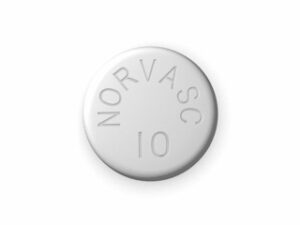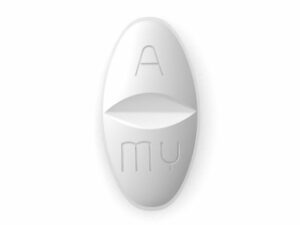


Calan (Verapamil) – Patient Information (UK)
Calan (verapamil) is a medicine used to treat certain heart and circulation conditions. It belongs to a group of drugs called calcium channel blockers. Many people take verapamil to help control symptoms such as chest pain (angina), palpitations, or an irregular/rapid heartbeat caused by specific heart rhythm problems.
This page explains how Calan works, how it is usually taken, common interactions, and key safety information. It is written for patients in the United Kingdom and reflects general clinical practice. Always follow the instructions given by your healthcare professional.
Basic product information
| Category | Details |
|---|---|
| Active ingredient | Verapamil |
| Medicine type | Calcium channel blocker (non-dihydropyridine class) |
| Common uses | Angina, certain rhythm problems (e.g., supraventricular tachycardia), and other clinician-directed indications such as migraine prevention |
| How it is taken | Usually by mouth; formulations may be immediate-release or modified-release/extended-release |
| Common brands | Calan is one brand name for verapamil. There may be other verapamil products in the UK. |
| Availability | Supplied via UK pharmacies; availability may vary by strength and formulation. |
How Calan (verapamil) works (mechanism of action)
Verapamil blocks calcium channels in heart muscle and blood vessel walls. Calcium is involved in triggering contraction and electrical activity in the heart. By reducing calcium entry:
- Heart rate and conduction slow down (especially through the AV node), which helps in certain abnormal heart rhythms.
- Blood vessels relax and widen, improving blood flow and reducing the workload on the heart.
- Myocardial oxygen demand may reduce, which can help prevent or relieve angina symptoms.
The result is a combination of anti-anginal (helps with chest pain) and antiarrhythmic effects (helps control certain rhythm problems).
Pharmacokinetics (what the body does to the medicine)
Pharmacokinetics describes how verapamil is absorbed, processed, and removed from the body. Individual response can vary.
- Absorption: After swallowing, verapamil is absorbed from the gut. Modified-release forms are designed to release medicine gradually.
- Distribution: Verapamil distributes throughout the body and can be present in tissues that affect the cardiovascular system.
- Metabolism (breakdown): Primarily metabolised by the liver. This metabolism can be affected by interacting medicines.
- Elimination: Metabolites are removed mainly via the kidneys and/or bile. Clearance can be slower in some people.
- Half-life: Varies by formulation and patient factors; steady blood levels may take a few days as dosing continues.
Because verapamil is processed in the liver, certain medicines (including some antibiotics and antifungals) can raise or lower its levels—so interactions matter.
Typical uses in the UK
The most common reasons clinicians prescribe verapamil include:
- Angina (chest pain due to reduced blood flow to the heart), to help reduce frequency and severity.
- Supraventricular tachycardia (SVT) and other selected rhythm disturbances where slowing the heart’s electrical pathway is helpful.
- Other indications may be considered by clinicians, including migraine prophylaxis in some patients.
Which indication applies to you will depend on your medical history and the type of verapamil you’ve been prescribed.
Timing: when and how to take Calan
Timing depends on the formulation (immediate-release vs modified/extended-release). Follow the exact directions on your medicine label.
General guidance
- Take at the same times each day to maintain steady effects.
- Do not change the dose schedule without medical advice.
- Swallow tablets whole with water unless your specific product is described as crushable/splittable. Modified-release preparations often must not be crushed or broken.
- If you miss a dose, do not double up. Take the next dose at the usual time. If you are unsure, ask a pharmacist.
Example timing patterns (common, not personal advice)
- Immediate-release: may be taken multiple times daily (e.g., morning, midday, evening).
- Modified/extended-release: often taken once daily or as directed.
Your pharmacist can confirm which formulation you have and the best routine for it.
Food interactions
Food can affect how quickly verapamil is absorbed, particularly with certain formulations. In many cases, verapamil can be taken with or without food. However, consistency is important.
- General approach: If you find you feel better taking it after food, continue doing so consistently.
- Grapefruit and grapefruit juice: may increase verapamil levels in some people by affecting liver enzymes. It is often best to avoid grapefruit products unless your clinician confirms it is safe for you.
If you have been given specific dietary advice, follow that advice closely.
Alcohol interactions
Alcohol can increase side effects such as dizziness, light-headedness, and low blood pressure when taken with blood pressure and heart-rate medicines. It may also worsen fatigue or impair judgement.
- Moderation is recommended.
- Be cautious the first few times you drink after starting or increasing verapamil.
- Avoid binge drinking.
If you notice flushing, faintness, severe dizziness, or palpitations after alcohol, seek medical advice.
Medicine interactions (important)
Verapamil interacts with other medicines because it can affect how they are metabolised and because it also affects heart conduction and blood pressure. The following list highlights common interaction themes; it is not exhaustive.
Medicines that may increase verapamil levels
- Some antibiotics and antifungals (e.g., clarithromycin, erythromycin, ketoconazole/itraconazole).
- Certain HIV medicines.
- Cimetidine (used for heartburn in some cases).
- Grapefruit products (as noted above).
Medicines that may reduce verapamil effectiveness
- Some anti-epileptics (e.g., carbamazepine, phenytoin).
- Rifampicin and other enzyme-inducing medicines.
Medicines affecting heart rate and blood pressure
Combining verapamil with other medicines that slow the heart or lower blood pressure may increase risk of bradycardia (slow heart rate), heart block, fainting, or low blood pressure.
- Beta-blockers (e.g., metoprolol, atenolol).
- Other antiarrhythmics (e.g., amiodarone, digoxin, depending on your regimen).
- Other antihypertensives (blood pressure medicines).
Digoxin (if you take it)
Verapamil can increase digoxin levels in some people, which increases the risk of digoxin-related side effects. Monitoring may be required.
Statins (cholesterol medicines)
Some statins may have increased levels when taken with verapamil, which can increase risk of muscle side effects. Clinicians may choose a specific statin or adjust the dose.
Non-prescription medicines
- NSAIDs (e.g., ibuprofen, naproxen) may affect blood pressure control in some people and can increase kidney stress in vulnerable patients.
- Decongestants for colds (especially those containing stimulants) may raise heart rate or blood pressure.
- Always check with a pharmacist if you’re unsure.
Before starting or stopping any medicine, including herbal products and supplements, discuss it with a healthcare professional.
Indications: when Calan is used
“Indications” means the conditions the medicine is intended to treat. For verapamil (Calan), indications commonly include:
- Chronic stable angina or other forms of angina, to reduce symptoms.
- Cardiac rhythm disorders such as certain supraventricular tachycardias, where slowing conduction through the heart’s electrical system is beneficial.
- Migraine prevention (in some patients, if considered appropriate by a clinician).
Your prescriber may choose a specific formulation based on desired heart-rate control, symptom pattern, and side-effect risk.
Dosing: how much is usually taken
Dosing varies widely by condition, age, and formulation. Only your prescriber can decide your personal dose. Below is general UK patient information about how dosing is commonly handled.
Important dosing points
- Start low and adjust gradually if needed.
- Dose changes are often made based on symptom control and heart-rate/blood-pressure monitoring.
- Renal vs hepatic function: liver impairment can significantly affect verapamil levels.
- Do not stop suddenly without advice, particularly if you’re using it for angina or rhythm control.
Typical adult dosing (general ranges)
Different products exist (immediate-release vs modified-release). Typical starting and maintenance doses may differ by formulation and the condition treated.
- Immediate-release verapamil: often taken in divided doses through the day.
- Modified-release verapamil: often taken once daily or as directed for steadier levels.
If you share the strength written on your label (e.g., 40 mg, 120 mg, 180 mg, 240 mg), we can help explain what that strength generally corresponds to in UK practice—without replacing personalised advice.
Safety profile: who should be cautious
Like all medicines, Calan (verapamil) can cause side effects. Many are mild and improve as your body adjusts, but some require urgent attention. Safety depends strongly on your health conditions and other medicines you take.
Common side effects
- Constipation (notably with verapamil; often manageable with fluid/fibre advice and pharmacist guidance).
- Headache or dizziness.
- Swelling of ankles/feet (peripheral oedema).
- Low blood pressure symptoms (light-headedness, feeling faint).
- Fatigue or reduced exercise tolerance.
- Some people experience nausea.
Serious side effects (seek urgent help)
Get urgent medical advice or call emergency services if you experience:
- Fainting, severe dizziness, or collapse.
- Very slow heartbeat, pauses, or symptoms of heart block (e.g., marked weakness, breathlessness, faintness).
- Chest pain that worsens or new severe chest pain.
- Breathing difficulties, severe wheeze, or swelling of face/lips (possible allergic reaction).
- Signs of overdose (severe drowsiness, confusion, dangerously slow heart rate, severe low blood pressure).
People who may need extra caution
- Heart failure or reduced heart pumping function (your clinician will consider risk/benefit).
- Existing conduction problems (e.g., AV block) or very slow heart rate.
- Low blood pressure or history of fainting.
- Liver impairment (may raise verapamil levels and side effects).
- Use with other heart-rate–lowering medicines (e.g., beta-blockers) requires careful monitoring.
Practical use tips
- Constipation prevention: Drink adequate fluids, aim for fibre in your diet, and discuss safe options with a pharmacist if constipation occurs.
- Stand up slowly: If you feel light-headed, rise gradually from sitting/lying positions.
- Track your pulse: If you’ve been told to monitor heart rate, keep notes (time, symptoms, pulse rate) to support follow-up.
- Don’t mix decongestants without checking: Some cold medicines may affect heart rate and blood pressure.
- Keep a medicines list: Update it and show it to healthcare professionals, especially before starting antibiotics or antifungals.
- Formulation matters: Modified-release products often have specific instructions—do not crush or split unless your product information allows it.
Alternative options
Alternative treatments depend on your underlying condition (angina, SVT, migraine prevention, etc.) and your medical history. In the UK, clinicians may consider other medicine classes or different calcium channel blockers.
Possible alternatives (depending on indication)
- Other calcium channel blockers: for example, amlodipine or diltiazem may be used in selected cases (chosen based on the heart rhythm and blood pressure profile).
- Beta-blockers: sometimes used for angina or certain rhythm conditions.
- Antiarrhythmic or rhythm-control strategies: specific choices depend on the exact arrhythmia type.
- Migraine prevention options: may include other preventive medicines if verapamil is not suitable.
- Non-medicine approaches: lifestyle measures, triggers management (e.g., migraine), and specialist cardiac/rhythm assessment where appropriate.
If you think verapamil isn’t working well or causes side effects, speak with your healthcare professional about the most appropriate alternative for you.
UK market and legal context (general)
In the United Kingdom, medicines are regulated through UK medicines legislation and supplied through pharmacy channels under established rules. Verapamil products such as Calan are typically supplied as prescription-only medicines depending on the specific formulation and strength, and availability may depend on stock and pharmacy supply arrangements.
Online pharmacies follow UK pharmacy and medicine supply requirements, including identity and medication-safety checks. If you have questions about eligibility, supply timing, or product variants, contact the pharmacy’s customer support team.
Recent guidance and monitoring (general NHS-style expectations)
Clinical practice in the UK generally focuses on safe use and monitoring of cardiovascular effects. While guidance can vary by condition and local service protocols, common themes include:
- Baseline assessment: checking blood pressure and heart rate, and reviewing ECG findings if relevant.
- Monitoring after dose changes: watching for bradycardia, dizziness, and symptoms of conduction disturbance.
- Review of interactions: confirming that new medicines won’t raise verapamil levels or worsen conduction.
- Side-effect management: addressing constipation and swelling early to improve comfort and adherence.
Your healthcare team may also advise regular follow-up if you take verapamil for rhythm issues or if you have other cardiovascular conditions.
Delivery and availability (UK online pharmacy)
Availability may vary by strength (dose) and by formulation (immediate-release vs modified/extended-release). Typical online pharmacy delivery in the UK may include:
- In-stock dispatch: some orders are dispatched quickly when the product is available.
- Non-stock items: if a specific brand strength is temporarily out of stock, a short delay may occur.
- Substitution: your pharmacy may supply an equivalent verapamil product if permitted and appropriate, subject to safety and supply regulations.
Delivery timelines depend on your location and the pharmacy’s dispatch schedule. For the most accurate estimate, check the product page and delivery details at checkout.
FAQ about Calan (verapamil)
1) What is Calan used for?
Calan (verapamil) is commonly used for angina and for certain heart rhythm problems. It may also be used for other conditions such as migraine prevention depending on your clinician’s assessment.
2) How long does it take to work?
Some people notice benefits quickly (especially for heart-rate related symptoms), but overall control can take days. If your dose is adjusted, it may take time to reach a stable effect. Follow-up helps determine whether the dose is right for you.
3) Can I take it with food?
Often yes. If your healthcare professional hasn’t specified otherwise, you may take it with or without food. The key is to be consistent and avoid grapefruit products unless your clinician confirms it’s safe.
4) What should I do if I miss a dose?
Take it as soon as you remember unless it is close to the time for the next dose. Do not double up. If you’re unsure, ask your pharmacist for advice based on the exact formulation.
5) Is verapamil the same as other calcium channel blockers?
Not exactly. Verapamil is in the non-dihydropyridine calcium channel blocker group, which has a different effect profile compared with medicines like amlodipine. Your clinician chooses the most suitable option for your condition.
6) Can I drink alcohol while taking Calan?
You can usually drink alcohol in moderation, but it can increase dizziness or low blood pressure. Avoid heavy drinking and stop if you feel faint or unwell. If you have concerns, ask your pharmacist.
7) What are the signs of taking too much?
Overdose can cause severe dizziness, fainting, very slow heart rate, marked weakness, confusion, or breathing difficulties. Seek emergency help immediately if an overdose is suspected.
8) Are there any herbal or “natural” products I should avoid?
Some herbal products can affect heart rhythm or interfere with liver metabolism. Tell your pharmacy about any supplements you use so interactions can be checked.
9) Can I stop Calan suddenly?
Do not stop suddenly unless your clinician advises. Stopping abruptly may worsen symptoms, particularly for angina or rhythm control.
10) Who should I contact if I get side effects?
If side effects are mild, you can speak with a pharmacist for advice. If you develop serious symptoms (fainting, severe dizziness, worsening chest pain, breathing problems), seek urgent medical help.
Note: This information is designed to help patients understand Calan (verapamil). It does not replace personalised medical advice. If you have any questions about your specific product strength or formulation, contact your pharmacist.