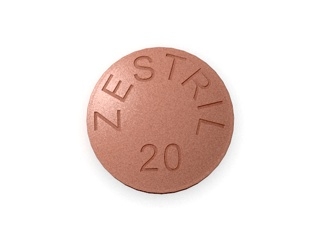

Zestril (Lisinopril) – Patient-Friendly Guide (UK)
Zestril is a brand of lisinopril, a medicine from the group of drugs known as ACE inhibitors (angiotensin-converting enzyme inhibitors). It is used to treat a range of cardiovascular conditions, including high blood pressure and heart failure, and it can help protect the heart and kidneys in certain situations.
This page explains how Zestril works, how it is usually taken, what to watch for, and how it interacts with food, alcohol, and other medicines—tailored for people in the United Kingdom.
Key product information
| Item | Details |
|---|---|
| Brand name | Zestril |
| Generic name | Lisinopril |
| Medicine type | ACE inhibitor |
| Main uses | High blood pressure; heart failure; after heart attack (selected patients); kidney protection in certain diabetes-related conditions |
| Typical dosing frequency | Usually once daily |
| Common strengths | Available in different tablet strengths (availability may vary by pharmacy) |
| How it is taken | Swallowed with water; with or without food (food effects are minimal) |
How Zestril works (mechanism of action)
Lisinopril belongs to a class of medicines called ACE inhibitors. ACE (angiotensin-converting enzyme) helps produce angiotensin II, a substance that narrows blood vessels and contributes to high blood pressure and strain on the heart.
By blocking ACE, lisinopril:
- Relaxes and widens blood vessels, helping to lower blood pressure.
- Reduces workload on the heart, which can improve symptoms in people with heart failure.
- May help protect the kidneys, particularly in some people with diabetes and kidney disease, by improving kidney blood flow and lowering harmful pressure effects.
- Often leads to lower levels of hormones that promote salt and water retention, which can also ease symptoms such as swelling.
Pharmacokinetics (how the body handles it)
Pharmacokinetics describes what happens after you take a tablet—how much is absorbed, how it moves through the body, and how it is eliminated.
Absorption
Lisinopril is absorbed from the stomach and intestines. Food does not significantly affect absorption, which is why it can generally be taken with or without meals.
Distribution
Lisinopril is carried in the bloodstream and works on targets in the body’s hormonal pathways.
Metabolism
Unlike some other medicines, lisinopril is not extensively metabolised and is mainly cleared from the body.
Elimination
The kidneys play a major role in clearing lisinopril from the body. This is why kidney function and blood tests (for example, creatinine and potassium) are important during treatment.
Onset and duration
The blood-pressure–lowering effect typically becomes noticeable within hours, with maximum effects developing over the following days. Many people are prescribed once-daily dosing because lisinopril’s effect lasts long enough across the day.
What Zestril is used for (indications)
Zestril is used to treat several cardiovascular and kidney-related conditions. The exact reason you are taking it depends on your medical history and test results.
- High blood pressure (hypertension): helps lower blood pressure and reduce cardiovascular risk.
- Heart failure: may improve symptoms and help prevent worsening of heart failure in appropriate patients.
- After a heart attack (myocardial infarction): may be used in selected patients to improve outcomes.
- Diabetic kidney disease: may help slow progression of kidney damage in certain people with diabetes and albumin in the urine (depending on clinical assessment).
Typical dosing and timing
Dosing varies based on the condition being treated, your kidney function, blood pressure, and other medicines you may take. Your prescriber will usually start with a low dose and adjust gradually.
General timing guidance
- Usually once daily—try to take it at the same time each day.
- You can take it with or without food.
- If it makes you feel light-headed, taking it at bedtime may help some people (discuss with your healthcare professional).
Missed dose
If you miss a dose, take it when you remember on the same day. If it is close to your next dose, skip the missed dose and continue as usual. Do not take a double dose.
Stopping treatment
Do not stop lisinopril suddenly unless advised. Stopping ACE inhibitors without guidance may worsen blood pressure or heart conditions.
Food interactions
One of the practical advantages of lisinopril is that it is generally not strongly affected by food. You can usually take Zestril with meals or on an empty stomach.
However, the overall diet still matters because lisinopril can affect potassium levels. Consider dietary advice from your clinician if you have been told to limit potassium.
Salt substitutes and potassium-containing products
Be cautious with products that contain potassium (for example, some salt substitutes), unless your healthcare professional has said it is safe. ACE inhibitors can raise blood potassium in some people.
Alcohol and medicine interactions
Alcohol can increase the chance of light-headedness or dizziness—particularly when starting therapy or when the dose is increased. It may also lower blood pressure further.
Interaction with other medicines (important)
Lisinopril can interact with a variety of medicines. The most clinically important interactions include:
- Potassium supplements and potassium-sparing diuretics (for example, amiloride, spironolactone, eplerenone): may increase potassium levels.
- Diuretics (“water tablets”): may contribute to low blood pressure, especially early in treatment; kidney function and electrolytes may need monitoring.
- NSAIDs (such as ibuprofen, naproxen, diclofenac): can reduce kidney function and may reduce the blood pressure effect, particularly if used frequently or in dehydration.
- Other blood pressure medicines (including ARBs, beta-blockers, calcium-channel blockers): may add to blood pressure lowering.
- Medicines for diabetes (insulin or tablets): lisinopril may enhance blood sugar-lowering effects; monitor for low blood sugar in some circumstances.
- Lithium: ACE inhibitors may increase lithium levels, which can be harmful.
- Immunosuppressants or certain therapies that affect the immune system: can affect infection risk and blood counts in combination with ACE inhibitors.
- Gold therapy (for example, sodium aurothiomalate): may rarely cause symptoms such as facial flushing and blood pressure changes.
Always provide your healthcare team and pharmacist with a full list of your medicines and supplements, including over-the-counter products. If you are unsure whether something is safe with Zestril, ask before using it.
Safety profile and what to watch for
Like all medicines, Zestril can cause side effects. Many people tolerate it well, but it is important to know what is normal and what needs urgent attention.
Common or possible side effects
- Dizziness or light-headedness (especially at the start or after dose increases)
- Dry, persistent cough
- Headache
- Tiredness
- Nausea or mild stomach discomfort
- Changes in blood tests such as higher potassium or changes in kidney function (often monitored rather than felt)
Serious side effects (seek urgent medical advice)
Contact urgent medical services or seek immediate medical help if you experience:
- Signs of angioedema: swelling of the face, lips, tongue, or throat; trouble breathing or swallowing (this is rare but can be life-threatening)
- Fainting or severe dizziness
- Severe allergic reactions or widespread rash with breathing difficulty
- Signs of very high potassium (may include weakness, palpitations, or abnormal heart rhythms—this is usually confirmed by blood tests)
- Signs of kidney problems such as reduced urine output, unusual swelling, or sudden worsening of well-being
Regular monitoring
Because lisinopril can affect kidney function and potassium, healthcare professionals typically monitor:
- Blood pressure (to ensure it is at target)
- Kidney function (creatinine/eGFR)
- Blood potassium
- Sometimes blood sodium and other electrolytes
Who needs extra care
Extra caution is often needed if you have any of the following:
- Kidney disease or reduced kidney function
- High potassium or conditions that increase potassium levels
- Dehydration (for example, vomiting, severe diarrhoea, or poor fluid intake)
- Low blood pressure or dizziness history
- Stenosis of certain kidney arteries (renal artery stenosis)
- Older age, where sensitivity to blood pressure changes can be higher
Practical use tips
- Take it at the same time every day to keep blood pressure more stable.
- Stand up slowly, especially after lying or sitting.
- Keep hydrated, particularly if you are unwell (unless your doctor has advised fluid restriction).
- Know your “red flags” for angioedema and severe dizziness.
- Don’t start new NSAID painkillers frequently (like ibuprofen) without checking—use may affect kidneys and blood pressure.
- Attend blood-test appointments—some effects are silent but important.
- If you get a dry cough, it may take time to notice whether it relates to lisinopril; tell your healthcare professional rather than stopping abruptly.
Alternatives to Zestril (lisinopril)
If Zestril is not suitable or side effects are difficult to manage, clinicians may consider other options depending on your condition.
Common alternatives
- ARBs (angiotensin receptor blockers) (for example, losartan, valsartan, candesartan): can lower blood pressure and protect organs, often used when ACE inhibitors cause cough.
- Other antihypertensives depending on your needs, such as:
- calcium-channel blockers (for example, amlodipine)
- thiazide-like diuretics (for example, indapamide)
- beta-blockers (for example, bisoprolol) in selected heart conditions
The best alternative depends on why you are taking lisinopril (blood pressure, heart failure, post-heart attack, or kidney protection) and on your blood test results.
UK market and legal context
Zestril (lisinopril) is an established medicine in the United Kingdom. Medicines are regulated and supplied through the NHS and private healthcare services, following UK medicine safety standards.
In the UK, ACE inhibitors like lisinopril are generally used under clinician guidance and require appropriate monitoring. Availability and pharmacy supply may vary depending on stock, formulations, and prescribing arrangements.
Recent guidance and safety updates (overview)
Guidance for ACE inhibitors in the UK consistently emphasises:
- Careful starting and dose adjustments, particularly in older adults and those with reduced kidney function.
- Monitoring kidney function and potassium after initiation and after dose changes.
- Awareness of angioedema risk and instructions to seek urgent help if symptoms occur.
- Use caution with certain interacting medicines (notably NSAIDs, potassium supplements, and other agents that raise potassium).
- Pregnancy avoidance: ACE inhibitors are not used in pregnancy.
For the most current UK advice, including local formularies and safety alerts, your pharmacist or GP surgery can provide up-to-date information.
Delivery and availability in the United Kingdom
Online pharmacies in the UK typically provide delivery options to UK addresses where permitted by law and supplier policies. Availability depends on:
- Tablet strength and pack size
- Regional supply and warehouse stock
- Any temporary manufacturer or distribution issues
During checkout, you should see estimated dispatch and delivery times. If a product is temporarily unavailable, many pharmacies offer alternative strengths/generics where clinically appropriate, or they will contact you if required.
Always confirm the exact product name and strength before use.
FAQ
1) Is Zestril the same as lisinopril?
Yes. Zestril is a brand name that contains lisinopril, the active ingredient. Other brands or generics may also contain lisinopril.
2) How long does it take to work?
Some blood pressure lowering may be felt within the first day, but the full effect often takes several days. Heart-failure–related benefits may also be gradual and depend on overall treatment.
3) Can I take Zestril with food?
Yes. Food does not usually significantly change how lisinopril works, so you can take it with or without meals.
4) What should I do if I get a dry cough?
A persistent dry cough can occur with ACE inhibitors. Contact your healthcare professional to discuss options. Do not stop the medicine suddenly without advice.
5) Can I drink alcohol while taking Zestril?
Small amounts may be tolerated, but alcohol can increase dizziness or lower blood pressure more. If you notice light-headedness, it is safer to reduce alcohol and speak to your pharmacist or GP.
6) Are there medicines I should avoid?
Some medicines need extra caution with lisinopril, including NSAIDs (frequent or high-dose use), potassium supplements/salt substitutes, lithium, and other agents that raise potassium. Always check with your pharmacist if you are starting something new.
7) What if I become dehydrated or unwell (vomiting/diarrhoea)?
Dehydration can increase the risk of kidney problems and low blood pressure with ACE inhibitors. Seek medical guidance if you have significant vomiting or diarrhoea, especially if you feel very unwell.
8) Who should not use Zestril?
People with a history of ACE-inhibitor–related angioedema generally should not use ACE inhibitors. ACE inhibitors are also not used during pregnancy. Your healthcare professional can confirm suitability for you.
9) Will I need blood tests?
Often, yes. Blood pressure, kidney function, and potassium levels are commonly monitored—especially after starting treatment or changing the dose.
10) What are common dose adjustment reasons?
Dose may be adjusted if your blood pressure is too high/low, if kidney function changes, if potassium levels rise, or if side effects occur.
11) Are there alternatives if Zestril isn’t suitable for me?
Yes. Depending on your condition, your clinician may consider ARBs or other blood pressure/heart medicines. The choice depends on your individual health factors and monitoring results.
Summary
Zestril (lisinopril) is an ACE inhibitor used in the UK to treat high blood pressure, heart failure, and—depending on circumstances—conditions such as after a heart attack and certain kidney-related complications of diabetes. It relaxes blood vessels, reduces strain on the heart, and can help protect organs. Like all medicines, it requires sensible use and monitoring, particularly of kidney function and potassium. If you notice symptoms such as facial/lip swelling or breathing difficulty, seek urgent medical attention.