
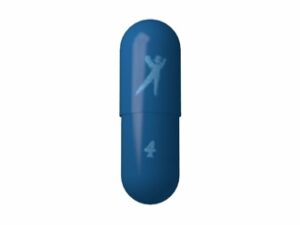
Cardizem (Diltiazem) – Patient Information
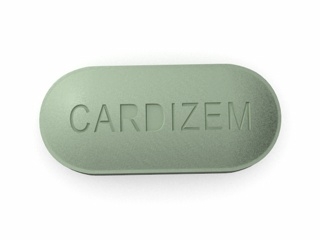
Cardizem is a brand name for diltiazem, a medicine used to treat certain heart rhythm and blood pressure problems. It belongs to a group of medicines called calcium channel blockers (specifically, a non-dihydropyridine type).
This page explains how Cardizem works, how it is typically used, what to watch for, and practical tips for day-to-day use in the United Kingdom. It is written to be patient-friendly and does not replace advice from your healthcare professional.
Basic product information
| Item | Details |
|---|---|
| Active ingredient | Diltiazem (a calcium channel blocker) |
| Common brand | Cardizem |
| Medicine type | Cardiovascular medicine (for angina/heart rate and rhythm issues and some blood pressure uses) |
| How it works | Reduces calcium entry into heart and blood vessel muscle, helping control heart rate and relax blood vessels |
| Common forms | Immediate-release tablets/capsules and modified-release (e.g., once-daily) formulations depending on product strength |
How Cardizem works (mechanism of action)
Diltiazem works by blocking L-type calcium channels in the heart and blood vessels. Calcium is needed for muscle contraction. By reducing calcium entry:
- Heart rate slows down (especially through the atrioventricular node), which can help certain abnormal rhythms.
- Blood vessels relax, which can lower blood pressure and reduce the workload on the heart.
- Blood supply vs. demand balance improves in the context of angina, helping reduce chest pain episodes for many people.
Because diltiazem affects the heart’s electrical system, it can slow conduction and reduce heart rate. This is why careful monitoring is important, especially if you already have a slow heart rate or conduction problems.
Pharmacokinetics (how the body handles diltiazem)
Pharmacokinetics describes how diltiazem is absorbed, distributed, metabolised, and eliminated. Key points include:
- Absorption: Diltiazem is absorbed through the gut after oral dosing. Absorption and timing can vary between immediate-release and modified-release forms.
- Metabolism: It is mainly metabolised by the liver (notably via CYP enzymes such as CYP3A4), so liver function and drug interactions can affect levels.
- Distribution: It distributes throughout the body, including the cardiovascular system.
- Elimination: It is cleared largely through metabolism, with metabolites excreted mainly via urine and bile.
For modified-release products, the design aims to release diltiazem steadily over time to support consistent effect throughout the day. This is why it’s important to follow the specific instructions for your exact formulation.
Typical uses of Cardizem in the UK
Diltiazem is used for several cardiovascular conditions. The most common include:
- Angina (chest pain due to heart disease): to help reduce frequency and severity of angina attacks for some patients.
- Heart rhythm conditions: to help control heart rate in certain arrhythmias (for example, some forms of supraventricular tachycardia).
- Blood pressure: in selected patients, depending on individual circumstances and clinical judgement.
Your prescriber will decide whether diltiazem is suitable based on your medical history, current medicines, heart rhythm and rate, and overall cardiovascular risk.
When to take Cardizem (timing guidance)
Timing depends on the formulation. In general:
- Immediate-release: usually taken more than once daily, spaced evenly to maintain effect.
- Modified-release: commonly taken once daily (or as directed), releasing medicine gradually.
Consistency matters. Try to take your dose around the same time each day. If you miss a dose, follow the advice provided with your specific product or by your healthcare professional. Avoid doubling up unless instructed.
Do not stop suddenly without advice, particularly if you take it for angina—stopping abruptly may worsen symptoms in some people.
Food interactions (what to know)
Food interactions with diltiazem are typically not severe, but there are practical considerations:
- Take with or without food: Many patients can take diltiazem with or without food. If your label or leaflet specifies a preference, follow that guidance.
- Modified-release tablets/capsules: swallow whole. Do not crush, chew, or break them unless the leaflet specifically allows it, because it can change how the medicine is released.
- High-fat meals: for some medicines, high-fat meals can alter absorption. If you notice differences in effectiveness or side effects, discuss with your pharmacist.
If you have been advised to take diltiazem in a particular way (for example, “with food” to reduce stomach upset), stick to that routine for the best experience.
Alcohol and medicine interactions
Alcohol can worsen side effects from diltiazem in some people, such as dizziness, light-headedness, or low blood pressure. While occasional alcohol may be tolerated, consider:
- Start cautiously: if you drink alcohol, test how you feel after a small amount before drinking more.
- Avoid dehydration: alcohol can contribute to dehydration, which may make dizziness more likely.
- Do not mix unsafely: avoid driving if alcohol plus dizziness occurs.
Alcohol does not usually have a single “fixed” dangerous interaction with diltiazem for all patients, but individual tolerance varies, and other medicines (especially blood pressure or heart medicines) can increase risk of low blood pressure.
If you are unsure about how much alcohol is safe for you, ask your pharmacist or healthcare professional.
Medicine interactions (important)
Diltiazem interacts with multiple medicines because it can affect how other drugs are metabolised and because it has effects on heart rate and blood vessel tone. Always keep your healthcare team up to date with all medicines you take.
Examples of medicines that may interact
- Other heart rate–slowing medicines: for example beta-blockers (e.g., bisoprolol, metoprolol), or other drugs affecting AV conduction. Combining can increase risk of slow heart rate or conduction problems.
- Antiarrhythmics: some treatments for rhythm problems may add to effects on heart conduction.
- Medicines affecting liver enzymes: drugs that inhibit CYP3A4 may increase diltiazem levels, raising side-effect risk. Drugs that induce metabolism may reduce its effectiveness.
- Statins: certain cholesterol-lowering medicines can interact with CYP3A4 metabolism, sometimes requiring dose adjustments or choosing an alternative statin.
- Other blood pressure medicines: can add to blood pressure-lowering effect.
- Grapefruit (and related products): may increase levels of diltiazem due to enzyme inhibition. Consider avoiding grapefruit unless your pharmacist confirms it is safe for you.
- Nitrates and other angina medicines: may be used together in some regimens, but blood pressure and dizziness should be monitored.
- Non-steroidal anti-inflammatory drugs (NSAIDs) and steroids: not always a direct interaction, but changes in blood pressure/renal function may occur in some patients. If you use NSAIDs regularly, discuss with your clinician.
Herbal products and supplements
Some herbal products may affect heart rhythm or metabolism. For example, supplements marketed for “heart support” or products affecting liver enzymes can be unpredictable. Tell your pharmacist about any supplements you take, including:
- St John’s wort
- High-dose antioxidants or “cardio” supplements
- Any other herbal remedies
Indications (what conditions Cardizem is used for)
In clinical practice, diltiazem is used for conditions where slowing the heart rate and relaxing blood vessels is beneficial. Common indications include:
- Angina pectoris (stable angina in particular, and sometimes other forms depending on specialist advice)
- Rate control in certain supraventricular tachyarrhythmias (selected types)
- Hypertension in appropriate cases when a calcium channel blocker is considered suitable
Your exact use will depend on your diagnosis and your overall treatment plan.
Dosing: how much and how it’s adjusted
Dosing must be individualised. The right starting dose depends on your age, heart rate, blood pressure, kidney and liver function, the condition being treated, and whether you are taking other medicines that affect the heart.
General principles (patient-friendly):
- Start low, go slow: many people begin with a conservative dose to reduce side effects.
- Adjust based on response: chest pain frequency, heart rate, blood pressure, and tolerability guide changes.
- Monitor for safety: clinicians often monitor pulse and blood pressure, and sometimes ECGs.
- Follow your formulation instructions: immediate-release and modified-release products are not always interchangeable.
Because strengths and formulations vary, dosing information here is necessarily general. If you have questions about your exact tablet or capsule strength, check the packaging or speak to your pharmacist.
Typical administration approach
- Angina: taken regularly to maintain effect and prevent symptoms, not just “when pain starts”.
- Heart rhythm rate control: used to keep heart rate within a target range.
- Blood pressure: used daily, with effects assessed over time.
Safety profile: side effects and when to seek help
Like all medicines, Cardizem (diltiazem) can cause side effects. Many are mild and improve as your body adjusts, but some symptoms require urgent attention.
Common or known side effects
- Swollen ankles/feet (fluid retention)
- Headache
- Dizziness or light-headedness
- Flushing
- Fatigue
- Nausea or mild stomach discomfort
- Constipation (more common with some calcium channel blockers)
- Slow heart rate (bradycardia) in some people
Serious side effects (seek medical advice urgently)
Contact your healthcare professional promptly or seek urgent care if you experience:
- Fainting or near-fainting
- Severe dizziness or symptoms of very low blood pressure
- Very slow pulse or palpitations with feeling unwell
- Chest pain that is severe, worsening, or different
- Breathing difficulties or severe swelling
- Signs of allergic reaction such as rash, itching, swelling of face/lips, or trouble breathing
- Symptoms suggesting liver problems (unusual tiredness, dark urine, yellowing of skin/eyes)
If you have an emergency, call 999 in the UK.
Who should be extra cautious?
You should discuss suitability carefully with a clinician if you have:
- Very slow heart rate or certain heart conduction problems (e.g., AV block)
- Low blood pressure or frequent dizziness on standing
- Heart failure or complex heart conditions (dosing may require careful monitoring)
- Significant liver impairment (may require lower doses and monitoring)
- Drug interactions that affect heart rhythm or blood levels of diltiazem
Practical use tips for best results
- Measure your pulse and blood pressure if advised: some patients benefit from home checks. If you notice your pulse is consistently low (or you feel unwell), contact your clinician.
- Take modified-release forms correctly: swallow whole; do not crush or split unless instructed.
- Keep a simple routine: choose a time that fits your day and helps prevent missed doses.
- Stay hydrated: dehydration can worsen dizziness.
- Watch for new or worsening swelling: ankle swelling can occur; report persistent swelling to your clinician.
- Be alert when starting or changing dose: dizziness or low blood pressure risk may be higher during the first days after dose changes.
- Tell other healthcare professionals: include pharmacists, dentists, and emergency staff—diltiazem can affect heart rate and interacts with other medicines.
What to do if you miss a dose
If you miss a dose, the best action depends on how long it is until your next dose and the type of tablet. In general:
- Do not take two doses at once to make up for a missed tablet.
- Check the patient information leaflet or speak to your pharmacist for advice tailored to your specific regimen.
If you are unsure, it’s safer to ask rather than guess—especially with heart-rate affecting medicines.
Alternative options (other medicines and approaches)
Depending on the reason you take diltiazem, your clinician may consider alternatives. Examples (not exhaustive) include:
For angina
- Other calcium channel blockers (e.g., amlodipine or verapamil—choice depends on the condition)
- Nitrates (for symptom relief or prevention, depending on the product)
- Beta-blockers (often used for heart rate and angina control in selected patients)
- Other anti-anginal medicines based on individual needs
For heart rhythm rate control
- Beta-blockers
- Other rate-controlling agents used in specialist pathways
- Procedural options in some cases (e.g., ablation) where appropriate
Lifestyle measures such as stopping smoking, moderating alcohol, managing blood pressure, staying active as advised, and following a heart-healthy diet can complement medication.
Market and legal context in the UK
In the United Kingdom, medicines containing diltiazem are supplied under UK medicines legislation, with safety oversight and quality standards. Availability and supply routes can vary depending on formulation and local pharmacy practices.
- Authorised products: Brand availability may change over time; pharmacies can often supply alternative strengths or formulations if needed.
- Regulated supply: Cardiovascular medicines are closely regulated, with pharmacy teams verifying suitability and patient information.
- Pharmacovigilance: Reports of side effects are monitored through the UK healthcare safety system to improve patient safety.
Product labelling, leaflet content, and pharmacy counselling are important sources of up-to-date, patient-specific safety guidance.
Recent guidance and monitoring (what to expect)
Guidance for cardiovascular medicines is updated periodically in line with emerging evidence and safety updates. In clinical practice, monitoring often includes:
- Regular blood pressure and heart rate checks
- ECG monitoring in appropriate cases (especially with rhythm issues or dose changes)
- Review of drug interactions whenever medicines are added or changed
- Assessment of liver function if clinically indicated
If you have been asked to attend follow-up appointments or obtain blood tests, these are to confirm that the medicine is working safely for you.
Delivery and availability in the UK
Cardizem (diltiazem) availability can vary by strength and formulation. Online pharmacies typically provide clear product options and delivery estimates.
What you can expect
- Secure packaging to protect tablets/capsules during transit
- Delivery tracking (where offered by the supplier)
- Stock dependent timing: most pharmacies aim for fast dispatch, but delays can occur during high-demand periods
- Substitution policies: if a specific brand or strength is temporarily unavailable, pharmacy teams may offer equivalent alternatives when permitted
Check the listing for estimated delivery time, dispatch cut-off, and delivery options (e.g., standard vs. express) before placing an order.
FAQ: Cardizem (Diltiazem)
1) How long does Cardizem take to work?
Many people notice improvement in symptoms such as heart rate control or angina frequency within days, but the full effect depends on the condition, the formulation (immediate vs modified release), and your individual response. If you feel worse after starting or changing dose, seek advice promptly.
2) Can I drive while taking diltiazem?
Dizziness or fatigue can occur, especially early in treatment or after a dose change. If you feel unsteady, do not drive. If you’re affected, speak to your healthcare professional.
3) What should I do if I get swollen ankles?
Ankle swelling can be a known side effect of some calcium channel blockers. Report it to your clinician, particularly if swelling is worsening, sudden, or associated with breathlessness.
4) Is grapefruit safe with Cardizem?
Grapefruit products may increase diltiazem levels by affecting drug metabolism. Many patients are advised to avoid grapefruit unless your pharmacist confirms it is safe.
5) Can I take Cardizem with other heart medicines?
Sometimes yes, but certain combinations can increase the risk of slow heart rate or low blood pressure. Always check your medicine list with a pharmacist or prescriber before starting new medicines.
6) What if I stop taking Cardizem?
Do not stop suddenly without professional advice. Stopping may cause worsening of symptoms (especially for angina) or destabilise heart rate control.
7) Are there age-related considerations?
Older adults may be more sensitive to blood pressure changes and dizziness. Dose adjustments and closer monitoring may be needed.
8) What happens if I take too much?
Overdose can be dangerous and requires urgent medical attention. If you suspect an overdose, seek emergency help immediately.
9) Is diltiazem addictive?
Diltiazem is not considered addictive. However, it should be used regularly as directed to maintain stable control of your condition.
Summary
Cardizem (diltiazem) is a calcium channel blocker used to manage conditions such as angina and certain heart rhythm problems, with effects that help slow the heart and relax blood vessels. Because it can influence heart rate and blood pressure, it’s important to follow dosing instructions carefully, understand food and medicine interactions, and seek help if you develop concerning symptoms.
If you have questions about your specific formulation, interactions with your current medicines, or practical use tips, speak to your pharmacist—your medicine record and current health status are the best basis for personalised advice.