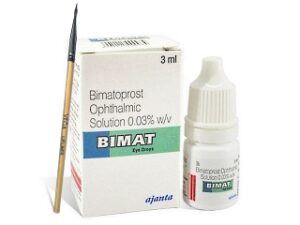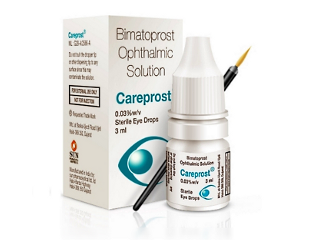
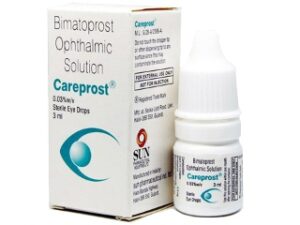
Careprost + Applicators (Bimatoprost) – Patient-Friendly Guide
Careprost + Applicators contains bimatoprost, a medicine used to help reduce eye/eyelid area concerns by encouraging eyelash growth and (in some cases) improving the look of eyelashes. This guide explains how it works, how to use it safely with the supplied applicators, what to expect, and important safety information for people in the United Kingdom.
Important: Follow the instructions provided with your product and any advice from your eye care professional. Do not apply more than recommended.
What is Careprost + Applicators?
Careprost + Applicators is a bimatoprost-containing eye treatment supplied with precision applicators designed for targeted application along the eyelid line. Bimatoprost is a prostaglandin analogue (often referred to as a “prostaglandin receptor agonist”) used in ophthalmology for specific eyelid and eye conditions.
In the UK, bimatoprost products are regulated and may be prescribed or recommended depending on the indication and product authorisation status. Always check that the specific product you receive is appropriate for your intended use.
Key information at a glance
- Active ingredient: Bimatoprost
- How it’s used: Applied to the upper eyelid margin (and sometimes lower eyelid margin) using the applicators
- Common goal: Support eyelash length, thickness, and/or darkness over time
- How long it takes: Visible changes may take several weeks; best results typically develop over months
- Typical dosing: Usually once daily (commonly evening) as directed
How does it work? (Mechanism of action)
Bimatoprost works by influencing pathways involved in eyelash growth. It acts on receptors related to prostaglandins, leading to changes that can prolong the growth phase of eyelashes and help them appear longer and fuller.
Although the exact cellular processes can be complex, the practical outcome is increased eyelash prominence over time. In some individuals, it may also affect pigmentation in the treated area.
Pharmacokinetics (What the body does to it)
After application to the eyelids, bimatoprost can be absorbed through the local tissues and then metabolised within the body. The medicine is not typically intended for systemic exposure at high levels from appropriate eyelid use.
Key points (typical for topical ophthalmic medicines):
- Local absorption: A portion of the dose may enter the surrounding tissues of the eye and eyelid.
- Distribution & metabolism: Absorbed drug is processed through normal metabolic pathways.
- Elimination: Metabolites are primarily cleared by the body (including renal pathways).
Individual absorption may vary depending on technique, eyelid anatomy, inflammation, and whether the product contacts the eye or spreads.
What is it used for? (Indications)
Bimatoprost is used for conditions where eyelash growth enhancement is desired, such as improving the appearance of eyelashes. In ophthalmology, bimatoprost is also known for use in eye pressure management in some settings.
For this product, the intended use is typically related to eyelash enhancement. Because product labels and authorisations can differ between countries and formulations, it’s essential to confirm:
- the indication of the specific product you have,
- the correct eyelid area to apply to, and
- the correct dosing schedule.
Dosing and timing: How to use Careprost safely
Most eyelash-enhancement regimens for bimatoprost products involve once-daily application, commonly in the evening (e.g., about 8–10pm) or at the same time each day.
Typical dosing (general guidance)
- Frequency: Usually once daily
- Time of day: Preferably in the evening (consistent timing helps establish a routine)
- Amount: Apply a thin line using the applicator; avoid over-application
- Eyelids: Use only on the eyelid margin as directed by the product instructions
Practical step-by-step instructions
- Wash hands and ensure your face is clean. Remove contact lenses if your eyes are not comfortable.
- Choose the correct applicator (as supplied). Keep the applicator tip clean and do not touch it to the eye.
- Apply once to the eyelid line (upper eyelid unless instructed otherwise). Use gentle pressure to place a controlled amount along the lash line.
- Wait for absorption. Avoid rubbing your eyes.
- Wash hands again.
If you miss a dose, apply it when you remember on the same day, but only if you can still keep roughly to your normal routine. If it’s almost time for the next dose, skip the missed dose. Do not apply double.
How soon will it work? (Expected results and duration)
Eyelash changes typically develop gradually. Many people notice early effects in a few weeks, while more noticeable improvements generally take 8–16 weeks. Continued use may maintain the effect.
- First signs: Often after 4–6 weeks
- More visible results: Commonly around 2–4 months
- Maintenance: Ongoing use may be needed to sustain appearance
Individual response varies. If you don’t see any change after several months, check your technique and speak to an eye care professional.
Food interactions
Bimatoprost used on the eyelids is a local topical medication, and food interactions are not expected. Unlike many oral medicines, eyelid application does not typically involve meaningful absorption through the gastrointestinal tract.
However, it’s always wise to follow your healthcare professional’s advice, especially if you have other eye conditions or are using multiple eye medications.
Alcohol interactions
There are no known direct alcohol interactions for bimatoprost when used as an eyelid/topical treatment at recommended doses. Because systemic absorption is usually limited, alcohol is not typically a concern.
If you experience eye irritation after alcohol or notice worsening dryness, consider moderating alcohol intake and discuss symptoms with a pharmacist or optometrist.
Medicine interactions (including other eye drops)
The most important interactions are usually practical rather than chemical: using multiple eye products can affect comfort, spread, and absorption.
General interaction considerations
- Other eye medications: If you use lubricating drops or other eye treatments, use them at different times from your bimatoprost dose unless your clinician advises otherwise.
- Contact lenses: If you wear contact lenses, consider removing them before applying and reinserting later when you feel comfortable.
- Anti-inflammatory or allergy drops: If you use steroids or antihistamine eye drops, ask an eye professional whether your regimen should change.
- Cosmetics: Avoid applying mascara or lash products immediately after use to reduce irritation and reduce contamination risk.
Always inform a healthcare professional of all medicines you use, including eye drops, ointments, and over-the-counter products.
Safety profile: Common and serious side effects
Most people tolerate bimatoprost well when used as directed. Side effects often relate to the eye/eyelid area. If symptoms are severe or worsening, stop use and seek advice promptly.
Common side effects
- Mild eye irritation (stinging or redness)
- Redness of the eyelids
- Dryness or discomfort
- Itching or mild swelling
- Increased eyelash length and/or thickness (desired in this context)
Possible pigmentation changes
Bimatoprost may cause darkening of eyelashes. It may also lead to pigmentation changes in treated eyelid skin in some people. For most individuals this is mild, but it should be monitored.
Less common but important effects
- Eyelid changes such as darkening or irritation
- Changes in the appearance of eyelashes (direction/curvature may appear different)
- Watery eyes or increased sensitivity
Seek urgent advice if you experience
- Severe eye pain
- Marked redness or worsening inflammation
- Significant swelling of eyelids
- Blurred vision or visual changes
- Symptoms of allergy such as widespread rash or breathing difficulty
Persistent or severe symptoms may indicate irritation, infection, or an unsuitable fit for your specific eye condition. Getting professional guidance can help prevent complications.
Who should be extra careful?
- People with eye inflammation, recent eye surgery, or active eye infection should only use bimatoprost under professional guidance.
- Individuals with known sensitivity to bimatoprost or product ingredients should avoid use.
- Those with dry eye symptoms may experience more discomfort; consider discussing options with a pharmacist or optometrist.
- Contact lens wearers should ensure the product does not come into contact with lenses and follow safe lens practices.
Practical use tips for best results and fewer problems
1) Apply accurately, not excessively
Use a controlled amount. Too much product increases the chance it spreads into the eye and causes irritation. A thin, targeted line is usually sufficient.
2) Keep it consistent
Apply at the same time each day to improve the chance of consistent results. A bedtime routine can help.
3) Avoid rubbing
Rubbing can transfer the product and irritate the eyelid margins. If you feel discomfort, rinse with sterile saline or follow product guidance and seek advice if symptoms persist.
4) Be mindful with cosmetics
Avoid mascara or lash extensions immediately after applying. If you use lash growth serums or multiple lash products, consider pausing them to reduce irritation.
5) Storage and hygiene
- Keep the bottle tightly closed.
- Do not share applicators.
- Check expiry dates.
- Follow packaging storage instructions (commonly away from excessive heat and direct sunlight).
Alternatives to Careprost + Applicators
If Careprost isn’t suitable or you experience side effects, there may be other options depending on availability and suitability in the UK. Alternatives commonly include:
- Lash conditioning/conditioning serums (often cosmetic): may help with appearance and feel
- Mechanical options such as eyelash curlers and mascara (makeup-based enhancement)
- Other prescription or regulated therapies for specific eye or eyelash conditions, if advised by a clinician
Discuss your goals (length, thickness, darkness, or overall eyelash appearance) and any eye health conditions with a pharmacist or optometrist to find the most appropriate approach.
Market and legal context in the United Kingdom
Medicines containing bimatoprost are regulated in the UK under the Medicines and Healthcare products Regulatory Agency (MHRA) framework and associated medicines legislation. Availability and authorisation can vary by product presentation and indication.
When buying online from UK retailers, ensure:
- the product is supplied legally and meets UK regulatory requirements,
- the packaging and label include the correct active ingredient and strength,
- clear instructions for use are included, and
- the seller provides delivery terms and customer support.
Always use medicines only as directed and avoid purchasing from unverified sources. If you’re unsure about suitability, seek advice from an eye care professional.
Recent guidance and best-practice considerations
While guidance can evolve, common best-practice themes include:
- Correct technique to reduce irritation (target eyelid margin only).
- Monitoring for side effects such as redness, irritation, and pigmentation changes.
- Reviewing continued need if results fade or if adverse effects occur.
- Professional input if you have existing eye disease, symptoms, or are using multiple eye treatments.
If you have symptoms like persistent redness or discomfort, consider pausing treatment and getting professional advice before continuing.
Delivery and availability (UK)
Online pharmacies in the UK typically offer home delivery of bimatoprost-containing products where legally available. Delivery times depend on the courier service and your location.
Before ordering, check:
- available delivery options and estimated dispatch times,
- packaging protection and temperature stability requirements (if any),
- returns and customer support terms, and
- country restrictions if any apply.
If you need urgent delivery or have questions about availability, contact the retailer’s support team.
Frequently Asked Questions (FAQ)
1) How do I apply Careprost + Applicators?
Wash your hands, use the applicator to apply a thin line to the eyelid margin as directed, avoid touching the applicator to the eye, and do not rub. Apply once daily at the same time each day (often in the evening).
2) When will I see results?
You may notice early changes after several weeks, but more noticeable results often take around 8–16 weeks. Eyelashes naturally shed and regrow, so changes develop gradually.
3) What if I miss a dose?
If you remember the same day, apply it. If it’s close to the next dose, skip the missed dose. Don’t apply double.
4) Can I wear contact lenses?
If you wear contact lenses, it’s best to ensure lenses are removed before application and reinstate only when you feel comfortable, following your eye care advice. Avoid product contact with lenses.
5) Will it change my skin or eye colour?
Bimatoprost may cause increased pigmentation of the treated eyelid area in some individuals. It can also darken eyelashes. Monitor for any persistent or worsening changes and seek advice if concerned.
6) Is there any interaction with food or alcohol?
Food interactions are not expected. Direct alcohol interactions are not known for eyelid bimatoprost at recommended use. However, alcohol may worsen dryness or irritation in some people—listen to your symptoms.
7) Can I use it alongside other eye drops?
You can often use it alongside other products, but spacing doses can reduce irritation. If you use other eye medicines, consider separating timings and ask your pharmacist or optometrist for advice.
8) What side effects should I watch for?
Common effects include redness, mild irritation, dryness, or itching. Seek urgent advice if you experience severe pain, significant swelling, worsening redness, or visual changes.
9) Is Careprost safe for everyone?
Most people tolerate it when used correctly, but extra caution is needed if you have active eye disease, inflammation, or a history of sensitivity to ingredients. If you’re unsure, consult an eye care professional.
10) Are there alternatives?
Yes. Depending on your goals and suitability, you may consider lash conditioning serums or makeup-based options. For medically guided alternatives, ask an optometrist or pharmacist.
Summary
Careprost + Applicators (bimatoprost) is a targeted eyelid application that may help support eyelash growth over time. With careful, once-daily use—often in the evening—and correct technique, many users experience gradual improvements while keeping side effects manageable. If you develop significant discomfort, redness, or any visual changes, stop and seek professional advice.
Always read the product packaging carefully and use the applicators safely and hygienically.
Product information table
| Feature | What to know |
|---|---|
| Active ingredient | Bimatoprost |
| Form | Eye/eyelid solution with applicators |
| Typical use | Once daily eyelid margin application for eyelash enhancement (as directed) |
| Best timing | Usually evening; consistent daily timing |
| Expected onset | Gradual changes; commonly 8–16 weeks for more visible results |
| Key safety focus | Eyelid/eye irritation, dryness, pigmentation changes; seek help for severe or visual symptoms |
| Food interaction | Not expected |
| Alcohol interaction | No known direct interaction; may worsen dryness in some people |