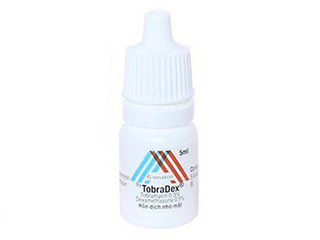
Tobradex (Obramycin/Dexamethasone) – Patient Guide (UK)
Tobradex is an eye medicine used to treat certain inflammatory and infectious conditions of the eye. It combines tobramycin (an antibiotic) with dexamethasone (a corticosteroid) to help control bacterial infection and reduce eye inflammation.
This guide is written for patients in the United Kingdom and aims to explain how Tobradex works, how it is used, key safety points, and practical tips. Always follow the instructions given by your eye care professional and the medicine leaflet.
1) Basic product information
- Medicinal product: Tobradex
- Active ingredients: Tobramycin + Dexamethasone
- Therapeutic group: Anti-infective + corticosteroid for ophthalmic use
- Common forms: Eye drops and eye ointment (availability depends on product presentation)
- Where it is used: For the eye (ophthalmic use only)
In the UK, Tobradex is supplied through authorised pharmacy channels and is regulated as a medicine. Availability may vary by strength and presentation.
2) How Tobradex works (mechanism of action)
Tobramycin (antibiotic) helps treat bacterial infection in the eye.
- Tobramycin belongs to the aminoglycoside class.
- It works by interfering with bacterial protein synthesis, which can stop bacteria from growing and lead to bacterial death.
- It is mainly active against susceptible Gram-negative bacteria and some Gram-positive organisms.
Dexamethasone (corticosteroid) helps reduce inflammation.
- Dexamethasone suppresses inflammatory responses that can cause redness, swelling, pain, and irritation.
- It helps reduce symptoms and tissue inflammation while the antibiotic controls infection.
The combination is intended for situations where there is both inflammation and a suspected or confirmed bacterial cause. Because steroids can sometimes worsen certain infections, correct diagnosis and appropriate duration of treatment are important.
3) Pharmacokinetics (what the body does with the medicine)
Ophthalmic medicines behave differently from tablet medicines because they are applied locally to the eye. After using Tobradex, some portion may drain through the tear ducts into the nose and then be absorbed in small amounts.
- Local eye exposure: Dexamethasone and tobramycin can penetrate ocular tissues to some extent.
- Systemic absorption: Systemic levels are generally low when used correctly in the eye.
- Metabolism and elimination: If absorbed, the drug is processed by the body and eliminated in the usual ways for these substances. Exact amounts vary between individuals and depend on dose, tear drainage, and duration of use.
A helpful practical point for patients is that punctual pressure (see “Practical use tips”) can reduce drainage into the nose, potentially lowering systemic absorption.
4) Typical uses in the eye (indications)
Tobradex is used for ophthalmic conditions where: (1) bacterial infection is present (or strongly suspected) and (2) inflammation needs to be controlled.
Typical examples include inflammatory eye conditions such as certain cases of blepharitis, conjunctivitis, or post-procedural inflammation with bacterial risk—however, the exact suitability depends on the underlying diagnosis.
Important: Tobradex may not be appropriate for all red or painful eyes.
- Conditions like viral eye infections (e.g., herpes simplex) and some fungal eye infections may worsen with steroid-containing medicines.
- Glaucoma and corneal problems need careful consideration with steroids.
5) When and how quickly it works (timing)
Many patients notice improvement within a few days if the condition is bacterial and responsive, and if inflammation is controlled. However, the exact timing depends on the diagnosis and severity.
- First 24–48 hours: Some reduction in redness and irritation may occur.
- 2–5 days: More noticeable symptom improvement is often expected.
- If not improving: seek advice promptly; you may need reassessment.
Do not stop early simply because symptoms improve—finishing the course (as directed) can be important. Equally, do not extend treatment longer than advised, especially with steroid components.
6) Dosing for Tobradex (general guidance)
Dosing can vary according to the specific condition and whether you are using drops or ointment. Always use the exact schedule provided with your product or by your clinician.
Common adult pattern (generalised):
- Eye drops: Often used multiple times daily initially, then reduced as symptoms improve.
- Eye ointment: Often applied at night or in addition to drops depending on the regimen.
Children and special populations: Dosing in children should be determined by an eye care professional. If you are using Tobradex for a child, follow the clinician’s instructions carefully.
Missed dose: If you miss a dose, apply it when you remember unless it is close to the time for the next dose. Do not use a double dose.
Duration: Short courses are typically used for steroid-containing eye drops. Long-term use can increase risks such as raised eye pressure.
7) Food interactions
Tobradex is an eye-only medicine, and food interactions are not generally expected. Systemic absorption from correctly used eye drops is usually low.
You can take Tobradex whether or not you have eaten. If you have other medicines that you take by mouth, follow their usual guidance.
8) Alcohol and medicine interactions
Alcohol
There is no specific, direct interaction between Tobradex and alcohol that is well established for ophthalmic use. However, if you are unwell or experiencing dizziness or blurred vision, it may be sensible to avoid alcohol while symptoms are ongoing and while driving is unsafe.
Other medicines (eye-to-eye and system-wide)
Potential interactions are mainly practical rather than major pharmacological interactions. Tobradex may be affected by, or may affect, other eye treatments.
- Other eye drops/ointments: leave a time gap (commonly at least 5–10 minutes) if you are using other eye medicines so they do not wash each other out.
- Glaucoma medicines: If you have raised eye pressure or take medicines for glaucoma, inform your clinician. Steroids can increase intraocular pressure in some people.
- Anti-viral or anti-fungal medicines: If you have eye conditions that could be viral or fungal, the steroid component requires careful evaluation.
- Systemic medicines: Significant drug–drug interactions are unlikely due to low systemic absorption, but do tell your healthcare professional about all medicines you use.
9) Safety profile: key risks and who should take extra care
Tobradex is generally well tolerated when used correctly for the recommended period. However, because it contains a steroid, there are important safety considerations.
Common side effects
- Temporary stinging or burning
- Redness
- Tearing
- Blurred vision
Serious side effects (seek urgent advice)
Contact an urgent eye care service or seek prompt medical advice if you experience:
- Severe eye pain
- Marked light sensitivity
- Vision changes
- New or increasing redness
- Symptoms of possible allergy (swelling, severe itching, hives)
Steroid-related risks
Dexamethasone may increase the risk of:
- Raised intraocular pressure (IOP), particularly in “steroid responders”
- Glaucoma
- Cataract formation
- Delayed healing of eye tissue
- Masking or worsening infection, including viral infections (e.g., herpes simplex)
Antibiotic-related risks
- Overgrowth of non-susceptible organisms can occur if infection is not eradicated.
- Allergic reactions are possible with antibiotic exposure (including aminoglycosides).
Who should be extra careful
- People with glaucoma or a history of raised eye pressure
- People with thin corneas, corneal ulcers, or healing problems
- Those with suspected herpetic eye disease or other viral infection
- Patients who wear contact lenses (see practical tips below)
10) Practical use tips (how to apply Tobradex)
Correct application can improve effectiveness and reduce contamination or side effects. The steps below are general—follow your product leaflet for your exact formulation.
Before you start
- Wash your hands thoroughly.
- Avoid touching the tip of the bottle/tube to the eye or surrounding skin.
- If using eye drops, check the suspension appearance if your product requires gentle mixing.
How to apply eye drops
- Tilt your head back.
- Gently pull down the lower eyelid to create a small pocket.
- Hold the dropper above the eye and apply the prescribed number of drops.
- Release the eyelid and close your eye gently.
- Keep the eye closed for about 1 minute.
- Wipe away excess with a clean tissue.
How to apply eye ointment
- Ointment can blur vision, so it’s often applied at times when you don’t need sharp vision (commonly at night).
- Use a clean technique and apply a ribbon into the lower eyelid pocket as directed.
- Close the eye gently and keep it closed briefly.
Punctal pressure (recommended for many ophthalmic drops)
After applying a drop, you can gently press the inner corner of your eye (near the nose) for about 1–2 minutes. This helps reduce drainage into the tear duct, which may lessen side effects and systemic absorption.
Contact lens advice
- Many ophthalmic preparations advise not wearing contact lenses during treatment.
- If you wear contact lenses, remove them before applying Tobradex and ask your clinician when it is safe to restart.
Hygiene and storage
- Replace the cap promptly.
- Keep the bottle/tube tightly closed.
- Check the leaflet for storage instructions (e.g., temperature limits).
- Do not use after the expiry date or beyond the “discard after opening” timeframe stated on the packaging.
11) Alternative options (what else may be used)
Alternatives depend on the cause of your eye problem (bacterial vs viral vs allergic vs dry eye) and the level of inflammation. If the infection is bacterial, different antibiotic choices may be used. If inflammation is present without bacterial infection, steroid use may not be appropriate.
Common types of alternatives
- Antibiotic-only drops or ointments (for bacterial infection without the need for steroid)
- Non-steroidal anti-inflammatory eye drops (for selected inflammatory conditions)
- Lubricating drops or gels (for dry eye and irritation)
- Anti-viral medicines (if viral infection is diagnosed or strongly suspected)
- Allergy treatments (if symptoms are driven by allergy)
Because Tobradex contains both an antibiotic and a steroid, the best alternative depends on your diagnosis. If you are not sure why you were given Tobradex, ask your pharmacist or eye care professional.
12) UK market and legal/regulatory context (plain-language overview)
Medicines in the United Kingdom are regulated to ensure quality, safety, and effectiveness. Ophthalmic products like Tobradex are authorised for specific indications and are supplied according to UK medicines regulations.
Depending on product presentation and local classification, availability may vary between pharmacies and online services. Some medicines require pharmacist advice and dispensing procedures to support safe use.
If you order from an online pharmacy in the UK, the service should provide:
- Clear product information and storage guidance
- Access to pharmacy support
- Accurate delivery estimates
- Compliance with UK legal and licensing requirements for medicines distribution
Recent guidance and clinical considerations
Ophthalmology practice commonly emphasises:
- Correct diagnosis before steroid use in eye disease (to avoid worsening infections)
- Using the shortest effective course of steroid-containing drops
- Monitoring for raised intraocular pressure when steroid treatment is prolonged
- Urgent review when severe pain, vision change, or no improvement occurs
13) Delivery and availability in the UK
Tobradex availability can vary by region, formulation (drops vs ointment), and current stock levels. Most reputable UK online pharmacies aim to dispatch orders quickly once processed.
- Dispatch times: typically within 1 working day when in stock (varies by supplier)
- Delivery options: standard and sometimes faster services
- Packaging: medicines are usually dispatched in protective packaging
Delivery times depend on courier routes and stock status. If you need the medicine urgently, check the estimated delivery window at checkout or contact the pharmacy’s support line.
14) FAQ about Tobradex
1. Is Tobradex used for all red eyes?
No. Red eyes can have many causes, including viral infections, allergy, dry eye, or corneal problems. Because Tobradex contains a steroid, it is not suitable for every cause of redness. If you have severe pain, light sensitivity, or blurred vision, seek urgent advice.
2. How many days should I use it?
Follow the schedule you were given. Steroid-containing eye medicines are typically used for the shortest appropriate duration. If symptoms do not improve within a few days or worsen, get medical review rather than extending treatment.
3. Can I wear contact lenses while using Tobradex?
In many cases, you should avoid contact lenses during treatment. Ask your clinician or pharmacist for personalised advice. If you resume contact lens wear, ensure the infection/inflammation has fully resolved.
4. Will Tobradex cause blurred vision?
It can. Eye drops may cause temporary blur shortly after application; ointment often causes more sustained blur. Avoid driving or operating machinery until your vision is clear.
5. What if I miss a dose?
Use it when you remember unless it is close to your next dose. Do not apply a double dose.
6. Can I use Tobradex with other eye drops?
You may, but space them out. Many patients are advised to leave about 5–10 minutes between different eye products to reduce dilution and wash-out.
7. Are there food or alcohol restrictions?
Food interactions are not expected. Alcohol is not known to directly interact with Tobradex for most patients, but it may affect comfort and safety if your vision is blurred or you feel unwell.
8. What should I watch for during treatment?
Contact a healthcare professional urgently if you develop severe pain, worsening redness, light sensitivity, or a decline in vision. Also seek advice if you notice signs of allergy or if there is no improvement.
9. Can Tobradex be used in children?
It may be used in children under clinical direction for appropriate conditions. Follow dosing and instructions from the healthcare professional.
10. Are there alternatives if Tobradex is not suitable?
Yes. Depending on the cause, options can include antibiotic-only treatments, steroid-free anti-inflammatory approaches, or treatments targeting viral/allergic or non-infectious causes. Your clinician can advise the best match.
15) Quick reference: safety checklist
- Use only in the eye; avoid contact with the bottle tip.
- Do not use longer than advised, especially with steroid-containing medicines.
- Seek urgent help for severe pain, light sensitivity, or vision changes.
- If you wear contact lenses, follow advice on whether to pause them during treatment.
- Separate Tobradex from other eye medicines by 5–10 minutes.
If you are unsure whether Tobradex is appropriate for your symptoms, or if you have a history of glaucoma, herpes eye disease, or corneal ulcers, discuss this promptly with your pharmacist or eye care professional.