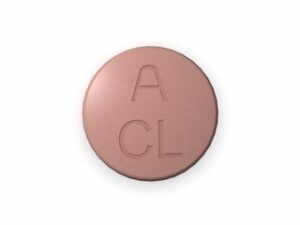
Cartia Xt (Diltiazem HCl) – Patient-Friendly Guide
Cartia Xt contains diltiazem hydrochloride, a medicine used to help control certain heart conditions by relaxing blood vessels and slowing the heart rate. This guide explains how Cartia Xt works, how it’s typically used, important safety information, and what to consider in everyday life (including food, alcohol, and interactions).
Quick product overview
| What it is | Cartia Xt (diltiazem hydrochloride) |
|---|---|
| Type of medicine | Calcium channel blocker (non-dihydropyridine) |
| How it’s taken | Oral, once daily (modified/extended release tablets) |
| Common reasons for use | Angina (chest pain), high blood pressure, and some abnormal heart rhythms (depending on individual diagnosis) |
| Main effects | Widening of arteries, lowering heart workload, and slowing heart rate |
| Common side effects | Swelling of ankles/feet, headache, dizziness, constipation, tiredness (varies by person) |
How Cartia Xt works (mechanism of action)
Diltiazem is a calcium channel blocker. Calcium helps muscle cells—including heart muscle and blood vessel muscle—contract. Cartia Xt blocks calcium entry into these cells, leading to:
- Relaxation of blood vessels (vasodilation), which can lower blood pressure and reduce the strain on the heart.
- Slowing of signals through the heart’s electrical system, which may help control certain fast heart rhythms.
- Reduced heart workload, which can help prevent angina episodes and reduce chest discomfort in people who experience them.
Pharmacokinetics (how the body processes it)
Cartia Xt is formulated as an extended-release medicine, designed to release diltiazem slowly over time. Key practical points:
- Onset and duration: Because it is modified/extended release, effects typically develop and persist across the day.
- Absorption: Diltiazem is absorbed through the gastrointestinal tract and then metabolised primarily by the liver.
- Metabolism: The liver breaks it down into metabolites; the kidneys help eliminate some components.
- Half-life (approximate concept): Diltiazem has a clinically relevant half-life that supports once-daily extended dosing, but individual variation is common.
If you have liver or kidney problems, it can affect how medicines are handled in your body. Your clinician may adjust your dose or monitor you more closely.
Typical uses in the UK
Cartia Xt may be used to help treat:
- Angina (chest pain caused by reduced blood flow to the heart), helping to prevent attacks.
- High blood pressure (hypertension), to help lower blood pressure.
- Certain heart rhythm problems where slowing of conduction through the heart’s electrical pathways is beneficial (the exact suitability depends on the specific rhythm diagnosis and your overall condition).
The right choice and dose depend on factors such as your symptoms, heart rate, blood pressure, other medical conditions (including heart failure), and other medicines you take.
When to take Cartia Xt (timing and dosing)
Cartia Xt is commonly taken as once daily—often in the morning or evening—depending on what suits you and how your clinician has advised. Try to take it around the same time each day.
Typical dosing approach
Doses can vary between individuals. Common regimens (as described in product information and clinical practice) include:
- Starting dose: often a lower strength to assess tolerance.
- Adjustment: the dose may be increased gradually if needed and if tolerated.
- Maximum daily dose: depends on the specific tablet strength and your clinical situation.
For exact dosing for you, follow the directions provided with your supply and any advice from your healthcare professional. Do not change dose on your own.
How to take extended-release tablets safely
- Swallow whole: Do not crush, chew, or split tablets unless specifically instructed for that product.
- With or without food: Many people take it with water and can manage it with food choices (see “Food interactions” below).
- Missed dose: If you miss a dose, take it when you remember unless it’s close to the next dose. Do not take a double dose.
Food interactions and diet guidance
Food can influence medication absorption for some drugs. For Cartia Xt, practical guidance is:
- General: It can usually be taken with or without food.
- Grapefruit and certain fruit juices: Like many cardiovascular medicines, diltiazem can be affected by enzyme systems in the gut and liver. Grapefruit products may increase levels of some drugs. To stay on the safe side, consider avoiding grapefruit juice unless your prescriber/pharmacist says otherwise.
- High-fat meals: Extended-release medicines can be sensitive to food effects in some cases. If you notice that timing with meals affects you (e.g., dizziness), speak to a healthcare professional for advice.
If you have dietary restrictions (for example, due to diabetes or heart failure diets), your clinician or pharmacist can help tailor timing and monitor your response.
Alcohol interactions
Alcohol may increase the risk of side effects such as:
- Dizziness or light-headedness (especially when standing up)
- Lower blood pressure in some people
- Feeling faint or increased fatigue
There is no single “safe” amount that applies to everyone. If you drink alcohol, consider using smaller amounts at first and avoid sudden changes in consumption. Seek medical advice if you feel unwell after drinking.
Medicine interactions (important)
Diltiazem can interact with other medicines, largely because of effects on metabolism and/or heart rate and blood pressure. Always share your full medicine list (including OTC products and supplements) with a pharmacist or GP.
Common interaction categories
- Other heart-rate or blood-pressure lowering medicines: combining with beta-blockers or other agents that slow the heart may increase the risk of a slow pulse or low blood pressure.
- Other calcium channel blockers: taking more than one can magnify effects on heart rate and blood vessels.
- Antiarrhythmic medicines (medicines for abnormal rhythms): may increase risk of rhythm disturbances if not carefully managed.
- Digoxin: levels may be affected, increasing risk of digoxin-related side effects.
- Statins (cholesterol-lowering medicines): some statins may have altered levels with diltiazem. Monitoring for muscle pain/weakness may be needed.
- Anti-infectives (including certain antibiotics and antifungals): some drugs can raise diltiazem levels, increasing the chance of side effects.
- HIV medicines and certain antiviral treatments: can affect drug levels through liver enzymes.
- Fungal medications (antifungals) and macrolide antibiotics (e.g., clarithromycin/erythromycin): may increase diltiazem exposure.
- Rifampicin (an antibiotic used for certain infections such as tuberculosis): may reduce diltiazem levels, reducing effect.
- Medicines affecting potassium or magnesium: electrolyte imbalance can worsen rhythm stability in susceptible people.
Over-the-counter (OTC) products and supplements
- Decongestants (some cough/cold remedies containing sympathomimetics) can raise heart rate or blood pressure in some people.
- St John’s wort may affect how drugs are metabolised.
- Herbal products can still interact with prescribed medicines.
If you’re unsure about a product, ask a pharmacist before taking it.
Indications in everyday terms
Your clinician will decide whether Cartia Xt is suitable based on your diagnosis. In general:
- Angina: Helps prevent episodes and can reduce chest pain frequency.
- Hypertension: Helps lower blood pressure gradually to reduce cardiovascular risk.
- Some abnormal rhythms: Helps regulate the heart’s electrical conduction when appropriate.
If you start Cartia Xt and your symptoms don’t improve, or they worsen, contact your healthcare team promptly.
Safety profile: side effects and what to watch for
Many people tolerate Cartia Xt well. However, like all medicines, it can cause side effects. Some are common and mild; others are rare but serious.
Common side effects
- Swelling of ankles/feet (peripheral oedema)
- Headache
- Dizziness or light-headedness
- Tiredness or fatigue
- Constipation
- Flushing or feeling warm
Less common but important side effects
- Slow heart rate (bradycardia)
- Low blood pressure or faintness
- Heart block (impaired electrical conduction) in susceptible individuals
- Breathing difficulty or worsening heart failure symptoms in those at risk
Seek urgent medical help if
- You feel faint, have severe dizziness, or experience collapse
- You develop chest pain that is severe, new, or not like your usual angina
- You notice signs of serious allergic reaction (swelling of face/lips, rash with breathing difficulty)
- You have very slow pulse with symptoms (e.g., weakness, confusion)
Who should be extra cautious?
Extra caution may be needed if you have:
- Very low heart rate or certain conduction problems
- Some types of heart failure or severely impaired heart function
- Liver impairment (as metabolism occurs in the liver)
- Kidney impairment (may still require monitoring)
- A history of low blood pressure or fainting
Practical use tips (making treatment work well)
- Take consistently: once-daily dosing works best when you keep the same routine.
- Stand up slowly: if you feel dizzy, rise slowly from sitting/lying positions.
- Monitor symptoms: keep note of chest pain frequency, breathlessness, swelling, and pulse rate.
- Check your pulse if advised: if you’ve been told to monitor heart rate, do so at consistent times.
- Don’t stop suddenly: stopping suddenly can worsen symptoms for some conditions; talk to a clinician if you want to change.
- Use a medication reminder: alarms on your phone or a weekly pill organiser can help prevent missed doses.
Alternative options (other medicines your clinician may consider)
If Cartia Xt isn’t suitable—due to side effects, interactions, or the particular heart condition—your healthcare professional may consider alternatives. Options may include other drug classes or other forms of rate control.
Examples of alternatives (not exhaustive):
- Other calcium channel blockers (depending on your diagnosis), such as amlodipine or verapamil (choice depends on the condition and individual factors).
- Beta-blockers (often used for angina and certain rhythm issues).
- Nitrates for angina symptom relief (short-acting preparations may be used for acute attacks).
- Other blood-pressure lowering medicines such as ACE inhibitors, ARBs, or thiazide-like diuretics (particularly if hypertension is the main issue).
- Antiarrhythmic strategies for specific rhythm disorders may include different medications or procedures, depending on the cause.
Your best alternative depends on your heart rate, blood pressure, ECG findings, co-existing conditions, and the medicines you already take. Never switch without medical advice.
UK market and legal context
In the United Kingdom, the availability of medicines is regulated to support safe use. Cartia Xt is an established branded medicine containing a well-known active ingredient (diltiazem). Supply arrangements may include brand and generics depending on availability and formularies.
Pharmacy services in the UK commonly support patient counselling, medication review, and help with identifying interactions—particularly for cardiovascular medicines. If you receive Cartia Xt through a pharmacy, your supplier may ask for relevant health information to reduce the risk of inappropriate use.
Recent guidance and clinical updates (general themes)
Clinical care for cardiovascular conditions evolves with new research and periodic updates. In recent years, widely adopted guidance has emphasised:
- Personalised choice of medicines based on comorbidities (e.g., diabetes, kidney disease, heart failure risk).
- Careful review of drug interactions in people taking multiple cardiovascular medicines.
- Monitoring for blood pressure, heart rate, and symptoms when starting or increasing doses.
- Appropriate lifestyle measures alongside medicines, including smoking cessation, physical activity (where safe), and dietary changes to support cardiovascular health.
Your clinician may follow local/national pathways and medicines guidance used in the NHS and other UK healthcare settings.
Delivery and availability (UK online pharmacy)
Availability can vary by strength and tablet pack size. When ordering online, delivery times depend on stock status and the dispatch method used by the pharmacy. Many pharmacies offer standard and express delivery options.
- In-stock items: typically dispatched quickly after your order is placed and any required checks are completed.
- Out-of-stock items: may take longer or be subject to substitution policies (where appropriate and legally allowed).
- Packaging: medicines are usually sent in secure packaging with patient information leaflets.
- Storage: store tablets as instructed on the pack (commonly away from heat, light, and moisture, and out of reach of children).
If you need your medicine urgently, contact customer support to confirm current dispatch and delivery timelines.
FAQ – Cartia Xt (Diltiazem HCl)
1) What is Cartia Xt used for?
Cartia Xt is used to treat cardiovascular conditions such as angina and high blood pressure, and it may also be used in certain heart rhythm conditions depending on your diagnosis and overall health.
2) How quickly will it work?
Some effects may be felt within hours, but long-term benefits (such as angina prevention and blood pressure control) develop over days to weeks. Your prescriber may review you after a period to check effectiveness and tolerability.
3) Can I take Cartia Xt with food?
In most cases, Cartia Xt can be taken with or without food. If you notice symptoms change with meals, keep the timing consistent and speak to your pharmacist.
4) Is it safe to drink alcohol?
Alcohol may increase the likelihood of dizziness or low blood pressure. If you drink, use moderation and stop if you feel unwell. Ask a healthcare professional if you are unsure.
5) Can I stop taking Cartia Xt if I feel better?
Do not stop suddenly unless your clinician advises it. Stopping can cause symptoms to return or worsen. If you want to change treatment, discuss it with your healthcare team.
6) What should I do if I miss a dose?
Take it when you remember unless it’s close to your next dose. If it’s almost time for the next dose, skip the missed one. Do not double up.
7) What side effects are most common?
Common side effects include ankle/foot swelling, headache, dizziness, tiredness, and constipation. If side effects are troublesome or worsening, seek advice.
8) Does Cartia Xt interact with other medicines?
Yes. Interactions can occur with medicines that affect heart rate, blood pressure, and liver metabolism. Tell your pharmacist about all medicines you take, including OTC products and herbal supplements.
9) Can I take it with other heart medicines?
Sometimes yes, but it may require careful monitoring to avoid an excessively slow heart rate or low blood pressure. Your clinician will balance benefits and risks for your specific condition.
10) Are there any special precautions with extended-release tablets?
Yes. Swallow tablets whole and do not crush or chew extended-release forms, because that can change how the medicine is released and absorbed.
11) What should I do if I experience fainting or very slow pulse?
Stop driving and seek urgent medical advice. Fainting, severe dizziness, or symptoms with a very slow pulse can be serious.
12) Where can I find more information?
The patient information leaflet in your medicine pack provides detailed guidance. You can also speak to a pharmacist or GP for advice tailored to your health profile.