
Chloroquine (Chloroquine Phosphate) — Patient Information (UK)
Chloroquine, available as chloroquine phosphate, is a well‑known medicine used mainly for the treatment and prevention of certain forms of malaria. It works by interfering with the malaria parasite’s ability to process haem and survive inside red blood cells. In the United Kingdom, its use may also be considered in some other conditions under specialist supervision, depending on clinical need and local guidance.
This page explains how chloroquine works, how it is used, what to expect, and important safety information—written in a patient‑friendly way for people in the UK.
Basic product information
| Item | Details |
|---|---|
| Medicine name | Chloroquine (as chloroquine phosphate) |
| Class | Antimalarial (4‑aminoquinoline) |
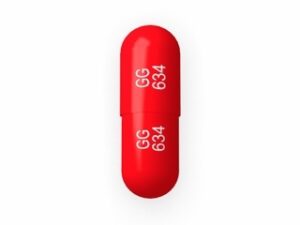
| Common formulation | Tablets (strength varies by product/brand) |
| Typical route | Oral |
| How it is used | For malaria treatment or prevention where appropriate; other uses may exist depending on local specialist advice |
| Monitoring | May be needed for longer courses or in higher‑risk individuals (e.g., eye/heart considerations) |
How chloroquine works (mechanism of action)
After chloroquine is taken by mouth, it is absorbed and distributed throughout the body. In malaria, the parasite digests haemoglobin inside red blood cells. During this process, the parasite converts harmful haem into an inert crystalline form (hemozoin).
Chloroquine interferes with this conversion, causing toxic haem accumulation inside the parasite. This disrupts the parasite’s survival and leads to its death.
The effectiveness of chloroquine can vary depending on the region where malaria was acquired, because some malaria parasites are resistant to it.
Pharmacokinetics (how the body processes the medicine)
Pharmacokinetics describe how the medicine moves through the body—absorption, distribution, metabolism, and excretion.
- Absorption: Chloroquine is absorbed from the gut after oral dosing. Peak levels occur within hours (exact timing can vary by person and formulation).
- Distribution: It distributes widely into tissues, including the liver and lungs, and can accumulate in certain cells.
- Half‑life: Chloroquine has a relatively long half‑life, which contributes to its prolonged activity for prevention and treatment regimens.
- Metabolism and elimination: The medicine is metabolised mainly in the liver and eliminated partly via the kidneys. Reduced kidney or liver function may increase exposure.
Because chloroquine can remain in the body for some time, spacing and completing doses exactly as advised helps maintain protective levels.
Typical uses in the UK
Chloroquine is most commonly associated with malaria. In the UK, suitability depends on:
- The malaria risk in the destination country
- Whether the malaria strain is likely to be chloroquine‑resistant
- Your health history and current medicines
Malaria prevention (where appropriate)
In some circumstances, chloroquine may be used to prevent malaria. However, for many travel destinations, other antimalarials (or combinations) are preferred due to resistance patterns. A travel clinic or clinician can confirm the correct choice for your itinerary.
Malaria treatment (where appropriate)
Chloroquine can be used to treat certain forms of malaria when the infecting parasite is expected to be sensitive. The treatment plan may include additional medicines depending on malaria species and severity.
Other uses
Chloroquine has historically been used for certain inflammatory or autoimmune conditions. If you have been advised to use chloroquine for a non‑malaria condition, you should follow the specific plan provided by your clinician, as dosing and monitoring can differ significantly from malaria regimens.
Indications: when doctors consider chloroquine
Indications depend on clinical assessment and local treatment guidance. In general, chloroquine is indicated for:
- Prevention of malaria in regions where chloroquine remains effective, based on resistance data.
- Treatment of malaria when caused by chloroquine‑sensitive parasites and when clinically appropriate.
- Selected specialist uses in other diseases where chloroquine has a role.
If you are travelling, the decision should be based on the country/region you visit and your medical history.
Dosing: how chloroquine is commonly taken
Dosing depends on the intended use (prevention vs treatment), malaria risk, your age/weight, and individual health factors. Below is general information to help you understand typical patterns. Your exact dose should match the instructions you were given.
General approach for malaria prophylaxis
Prophylaxis regimens commonly follow a schedule before travel begins and continuing after return for a period long enough to cover the time parasites could develop after exposure.
- Starting before travel: Often started at least 1–2 weeks before entering a malaria‑risk area (exact guidance varies by plan).
- During travel: Taken at regular intervals throughout the stay.
- After leaving the risk area: Continued for a set number of weeks (commonly several weeks) after return.
General approach for malaria treatment
Treatment for malaria typically uses a multi‑dose schedule on the first day(s), followed by additional doses over a short period. The specific timing may differ depending on local protocols and severity.
Children and dosing by weight
Doses for children are often calculated using body weight. Tablet strengths can make dose‑adjustment more complicated—so it’s important to use the correct product and dosing instructions.
Missed dose
If you miss a dose:
- For prophylaxis: Take it as soon as you remember and then continue your schedule, but seek advice if you are close to the next dose or if you miss multiple doses.
- For treatment: Do not double doses. Seek medical advice for the best next step.
Because malaria dosing is time‑sensitive, guidance may differ depending on your exact regimen.
Timing: practical tips for taking chloroquine
Many people find it easiest to take chloroquine at a consistent time of day.
- Choose a routine time: Morning or evening—whichever you can stick to.
- Set reminders: Helpful for weekly or multi‑day schedules.
- Take with water: Swallow whole tablets with plenty of water unless your product instructions say otherwise.
- Don’t stop early: For prophylaxis, finishing the full course after travel is important. For treatment, finishing the intended regimen supports clearance.
Food interactions: can you take chloroquine with meals?
Chloroquine is usually taken with food or milk if this helps reduce stomach upset. Taking it with meals can also improve tolerability for some people.
- Stomach sensitivity: If you experience nausea or indigestion, try taking chloroquine after a meal rather than on an empty stomach.
- Absorption considerations: While food may not be strictly required, it may support comfort and adherence.
Avoid making drastic dietary changes solely for this medicine. If you have conditions that affect digestion or absorption (for example, severe gastrointestinal disease), ask a clinician for personalised advice.
Alcohol interactions
There is no single “universal” rule that alcohol must always be avoided with chloroquine, but combining alcohol with antimalarial medicines can increase the likelihood of side effects such as:
- dizziness
- nausea or stomach upset
- headache
- sleep disturbance
If you plan to drink alcohol, consider limiting the amount and avoiding heavy or binge drinking—particularly if you feel unwell or are taking other medicines that affect the heart rhythm or the nervous system.
Seek urgent advice if you develop severe side effects (such as fainting, severe dizziness, or palpitations).
Medicine interactions: important combinations to consider
Chloroquine can interact with other medicines, sometimes increasing the risk of adverse effects. Interactions depend on your specific medicines and doses.
Medicines that may affect heart rhythm
Chloroquine can affect electrical activity of the heart in some circumstances, so extra caution is needed if you take medicines known to prolong the QT interval (a measure on an ECG).
- Some antiarrhythmics (used for heart rhythm disorders)
- Some antibiotics or antipsychotics
- Some antidepressants
- Other medicines that can affect heart rhythm
If you have a history of heart rhythm problems, are elderly, or have low potassium/magnesium, the risk may be higher.
Medicines that affect seizure threshold
Chloroquine may increase risk of seizures in susceptible individuals, so caution is needed if you take medicines that can also lower the seizure threshold.
Other antimalarials or related medicines
Some combinations may not be appropriate. If you have been prescribed an alternative regimen for resistant malaria, don’t mix medicines unless a clinician specifically instructs it.
Longer courses and eye/liver considerations
For prolonged use (more typical in some non‑malaria conditions), interactions and additive side effects can become more relevant. Always disclose all medicines and supplements to your healthcare professional.
What to do
- Tell a clinician or pharmacist about all medicines you take, including over‑the‑counter products and herbal supplements.
- If you start a new medicine during chloroquine therapy, check whether it could interact.
Safety profile: who needs extra caution?
Chloroquine is effective when used appropriately, but it can cause side effects. Serious toxicity is rare with correct dosing, but the medicine should be used carefully—especially in children and those with certain risk factors.
Common side effects
- nausea
- vomiting or stomach discomfort
- headache
- dizziness
- blurred vision (temporary in some cases)
- loss of appetite
Serious side effects: get urgent medical help
Stop seeking to “wait it out” and seek urgent medical advice if you experience:
- Fainting, severe dizziness, or palpitations (possible heart rhythm issues)
- Severe allergic reactions such as swelling of the face/lips, rash with breathing difficulty
- Unusual bleeding or severe bruising
- Vision changes that persist, worsen, or include loss of vision
- Seizures or severe confusion
Risk factors that may require closer monitoring
- History of heart rhythm problems or known QT prolongation
- Significant liver or kidney impairment
- Low potassium or magnesium
- Use of medicines that can also affect heart rhythm
- Long‑term use (especially for non‑malaria conditions), where eye monitoring may be necessary
Overdose warning (important)
Chloroquine overdose can be extremely dangerous. Keep tablets out of reach of children and store them securely. If overdose is suspected, seek immediate medical help and contact NHS services or emergency care as appropriate.
Practical use tips (what helps you take it safely)
- Check the regimen carefully: For travel, confirm whether your plan is daily, weekly, or another schedule—and exactly when to start.
- Take consistently with food if needed: If you feel nauseated, take with a meal or milk.
- Don’t skip eye checks if on long‑term therapy: If your treatment is prolonged, regular eye assessments may be recommended.
- Stay hydrated during travel: Dehydration can worsen side effects and complicate illness.
- Be aware of malaria symptoms: Fever, chills, sweating, headache, and flu‑like illness after travel require medical assessment promptly—especially if you were in a malaria‑risk area.
- Use bite prevention: Even if you take prophylaxis, protect against mosquito bites using repellent, bed nets, and suitable clothing.
Alternative options for malaria prevention and treatment
Alternatives depend heavily on the region’s malaria resistance patterns and your personal circumstances. Common alternatives that may be considered include other antimalarials such as:
- Atovaquone/proguanil
- Doxycycline
- Mefloquine
- Artemisinin‑based combination therapies for treatment
A travel clinic or clinician can advise what is most suitable based on destination and itinerary. Don’t switch or combine medicines without appropriate guidance.
UK market and legal context (overview)
In the United Kingdom, medicines are supplied and governed under the medicines regulatory framework. Chloroquine is used within licensed indications where appropriate and should be supplied in line with UK legal and regulatory requirements. Availability may vary depending on formulation strength and current prescribing and distribution practices.
For travel, the UK’s approach typically includes risk assessment and personalised advice—recognising that malaria resistance differs by region and that preventive recommendations may change over time.
Recent guidance and practical notes for UK travellers
Guidance for malaria prevention is regularly updated by public health authorities and travel medicine services, reflecting:
- changes in resistance patterns
- reports of outbreaks or local transmission
- evidence on the effectiveness and safety of specific antimalarial regimens
If you are preparing for travel, aim to get advice sufficiently in advance so your prophylaxis can be started at the correct time and you can be advised on additional precautions such as bite prevention and where to seek care if you become unwell.
Delivery and availability (UK online pharmacy)
Chloroquine products may be supplied by regulated online pharmacies subject to product availability and appropriate checks. Dispatch times can vary based on stock levels and delivery areas across the UK.
- Availability: Subject to current stock and supply chain availability.
- Delivery: Typically arranged using standard postal or courier options; estimated delivery times are usually shown at checkout.
- Packaging: Kept secure and discreet where permitted.
- Cold-chain: Not usually required for tablets.
If a specific strength or pack size is temporarily unavailable, a pharmacist may contact you with alternatives where appropriate.
FAQ
1) Is chloroquine suitable for every country?
No. Suitability depends on malaria risk and whether the malaria strain is expected to be chloroquine‑sensitive. Many destinations use different medicines due to resistance. Always check destination-specific guidance.
2) How long before travel should I start chloroquine?
Often, prophylaxis is started at least 1–2 weeks before entering a malaria‑risk area, but schedules vary by regimen and individual factors. Follow the instructions provided with your chosen plan.
3) What should I do if I miss a dose during travel?
If you miss a dose, take it as soon as you remember and continue your schedule. If you miss more than one dose or are unsure, seek travel or medical advice—because the protection timing may be affected.
4) Can I take chloroquine with milk or food?
Yes. Many people find it easier to tolerate with a meal or milk. If you feel nauseated, taking it after food can help.
5) Are there alcohol restrictions?
You may still be able to drink alcohol in moderation, but alcohol can worsen side effects like dizziness and nausea. Avoid heavy drinking, and seek advice if you feel unwell.
6) What symptoms mean I should get medical help after travel?
Seek urgent medical assessment if you develop fever or flu‑like illness after returning from a malaria‑risk area, even if you took prophylaxis. Tell healthcare professionals where you travelled.
7) Can chloroquine affect eyesight?
It can cause visual disturbances in some people. With short courses, these effects may be temporary, but persistent or worsening vision changes should be assessed promptly—especially with longer‑term use.
8) Who should avoid chloroquine or use it with extra caution?
Extra caution is needed if you have heart rhythm problems, significant liver or kidney impairment, a history of eye disease, or you take other medicines that can affect heart rhythm or increase side effects. Discuss your situation with a pharmacist or clinician.
9) What happens if I take too much?
Overdose can be dangerous. If you suspect an overdose, seek immediate medical help and contact emergency services or NHS advice as appropriate. Keep medicines out of reach of children.
10) What are common side effects?
Common effects include nausea, stomach discomfort, headache, dizziness, and sometimes temporary blurred vision. If side effects are severe or worsening, seek medical advice.