Aldara (Imiquimod) Cream – Patient Information (UK)
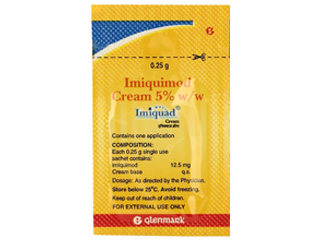
Aldara is a brand of imiquimod, a medicine supplied as a cream for use on certain skin conditions in the United Kingdom. This page explains what Aldara is, how it works, how it’s used, and the key safety points to help you use it effectively and confidently.
This information is designed to be patient-friendly and educational. Your doctor or pharmacist may tailor advice to your individual situation. Always follow the instructions provided with your medicine.
Basic product information
| Item | Details |
|---|---|
| Active ingredient | Imiquimod |
| Medicinal form | Cream |
| Common strengths | Usually 5% imiquimod cream (Aldara) |
| How it’s supplied | Single-use sachets or packs (varies by product format) |
| Storage | Store at room temperature; check carton/leaflet for exact conditions |
| Use location | Applies to specific skin areas depending on the condition being treated |
What Aldara is used for (typical use and indications)
Aldara is used to treat certain conditions where the skin needs immune support or where abnormal tissue needs to be targeted by an immune response. Common UK indications include:
- Genital warts (condylomata acuminata) in adults.
- Actinic (solar) keratosis (a pre-cancerous thickening caused by sun exposure) in adults, where treatment of visible lesions is appropriate.
- Superficial basal cell carcinoma in adults, where topical treatment is suitable (as outlined in clinical guidance and product information).
Not all patients or lesion types are suitable for topical imiquimod. Suitability depends on the location, size, number of lesions, previous treatments, and your skin type and health status.
How Aldara works (mechanism of action)
Imiquimod is an immune response modifier. It works by helping your immune system recognise and respond to abnormal cells in the skin.
After you apply the cream, imiquimod stimulates cells in the skin to produce immune-signalling chemicals, including interferon-alpha and other cytokines. This encourages a local immune attack against the target condition, helping to reduce abnormal wart tissue or treat pre-cancerous/superficial lesions.
The effect is local and gradual: symptoms can change over days to weeks, and skin reactions are common during treatment.
Pharmacokinetics (how the body handles imiquimod)
Pharmacokinetics describes what happens to a medicine in the body (absorption, distribution, metabolism, and elimination). With topical imiquimod, most of the medicine stays near the skin surface, and only a small fraction is absorbed systemically.
Absorption
- Systemic absorption after correct topical use is generally low.
- Absorption may increase if you apply to large areas, under occlusion (coverings), or on broken/irritated skin.
Metabolism and elimination
- Imiquimod is metabolised mainly in the liver.
- Metabolites are eliminated primarily via the kidneys and to a smaller extent through other routes.
Because absorption is usually limited, most people experience mainly local skin effects rather than systemic side effects. However, individual circumstances (skin sensitivity, area treated, frequency of application) can influence risk.
Timing: when to apply and how long it takes to work
General timing guidance
- Typically, Aldara is applied once per day, on specific days of the week depending on the condition.
- Often it is used in the evening or before bedtime so it can remain on the skin for several hours.
- In many regimens, you wash it off after a set time (commonly around 6–10 hours) unless your product instructions say otherwise.
Important: Always follow the schedule provided for your particular condition. The “how many times per week” and total treatment duration may differ between warts, actinic keratosis, and superficial basal cell carcinoma.
How quickly you may notice changes
- Skin reactions such as redness, swelling, itching, and crusting can start within the first few applications.
- For warts or lesions, improvement may take several weeks.
- It can be normal for the target area to look worse before it improves.
If symptoms rapidly worsen, become severe, or you develop signs of infection, contact a healthcare professional promptly.
Food interactions
Because Aldara is a topical cream and systemic absorption is typically low, food interactions are not expected. Your diet is unlikely to affect how the medicine works.
Still, if your treatment causes discomfort or inflammation, it may affect appetite or sleep. Stay hydrated and consider gentle skin-care practices to support comfort during treatment.
Alcohol and medicine interactions
There is no well-established direct interaction between topical imiquimod and alcohol. However, alcohol may indirectly affect you by worsening skin irritation, dehydration, sleep, or immune function perception during periods of inflammation.
Practical advice
- If you choose to drink alcohol, do so in moderation and monitor your skin reaction.
- Avoid excessive alcohol if you notice increased irritation or fatigue.
Other medicines
Tell your pharmacist or doctor about all medicines you use, including:
- Other topical products used on the same area (e.g., steroid creams, disinfectants, moisturisers).
- Medicines that affect the immune system (for example, treatments for autoimmune conditions or transplant medicines).
- Any recent or current treatments for the same skin region.
Imiquimod works through local immune signalling. If you’re using treatments that suppress the immune system, your response to Aldara may differ, and clinicians may advise caution.
Dosing (how much and how often)
The exact dosing schedule depends on your diagnosis. Use the regimen that matches your condition as described in the patient information leaflet or instructions from your clinician.
Warts (genital condylomata acuminata)
- Typically applied to the affected area three times per week (commonly example: Monday, Wednesday, Friday).
- Apply a thin layer and gently rub in until the cream disappears.
- Leave it on for the recommended number of hours, then wash off.
- Treatment usually continues for a set number of weeks or until clearance is achieved, depending on the clinical plan.
Actinic keratosis
- Often applied once daily, 3 times per week.
- Used for a defined treatment course (commonly several weeks) unless your clinician advises otherwise.
- Apply to the treatment area as advised and follow the wash-off timing.
Superficial basal cell carcinoma
- Usually applied once daily, 5 times per week for a defined duration.
- Apply to the lesion area as directed and follow the wash-off timing.
Do not exceed the recommended frequency or duration, because local reactions can become more severe.
If you miss a dose, apply it when you remember on the next scheduled evening, unless you are close to the next dose—follow your leaflet guidance. Do not apply extra to make up for a missed sachet.
Practical use tips (how to apply Aldara properly)
Before applying
- Choose the same time each evening when possible.
- Wash your hands before and after application.
- Clean the skin area gently with water and mild cleanser, then pat dry.
- Do not apply to skin that is not intact or is heavily irritated unless your clinician has advised it.
How to apply
- Use enough cream to cover the affected area as directed (a thin, even layer).
- Gently rub until the cream is absorbed/disappears.
- Use only the amount supplied in a sachet; do not reuse open sachets.
After applying
- Leave it on for the recommended number of hours.
- After the wash-off time, wash thoroughly with water (and a mild cleanser if recommended).
- Avoid washing immediately after applying unless the leaflet instructs it.
Sexual activity and genital warts (important)
If you are using Aldara for genital warts, be mindful that the cream can affect condoms and diaphragms in some cases. Follow clinician advice and read the patient leaflet for guidance on contraception and barrier protection during treatment.
- Consider avoiding sexual contact until advice is received or until treatment is well tolerated.
- Discuss partner management with a clinician if needed.
Safety profile: common side effects and when to seek help
Common local skin reactions
Local reactions are expected because Aldara stimulates immune activity in the skin. These may include:
- Redness (erythema)
- Swelling
- Itching or burning sensation
- Dryness and peeling
- Crusting or scabbing
- Skin erosion (breaking of the skin surface) in the treated area
- Possible tenderness or pain
A manageable level of irritation can occur. However, severe reactions should be assessed.
Serious or urgent symptoms
Seek medical advice urgently if you develop signs of infection or a severe skin reaction, such as:
- Rapidly worsening pain, swelling, or redness
- Oozing pus, increasing warmth, or fever
- Widespread rash away from the treated area
- Blistering with severe discomfort
- Allergic reaction symptoms (for example, facial swelling, breathing difficulty, widespread hives)
If you’re using Aldara on genital areas and experience significant burning or difficulty with urination, contact a healthcare professional promptly.
Systemic side effects (less common)
Because systemic absorption is usually low, systemic effects are uncommon. Possible but less frequent reactions reported for imiquimod include flu-like symptoms (e.g., tiredness, headache, muscle aches) in some people.
Who should use caution (special populations)
- Pregnancy and breastfeeding: Discuss with a clinician before use. The decision depends on the condition, amount of treated area, and risk–benefit assessment.
- Immunosuppression: If you take medicines that weaken the immune system, inform your clinician as response and safety may differ.
- Autoimmune conditions: Tell your healthcare professional if you have autoimmune disease; local immune activation may be a consideration.
- Children: Age-specific indications may apply. Use only if prescribed/advised for the relevant age group.
- Skin conditions: Avoid applying to areas with infection (e.g., herpes simplex lesions) or where other dermatoses may be present unless instructed.
Always read the patient information leaflet included with the product for the most accurate safety information for your situation.
Practical skin-care during treatment
Good supportive care can make treatment easier to tolerate:
- Use gentle cleansers; avoid harsh scrubbing.
- Avoid tight clothing that rubs the treated area.
- Use breathable fabrics (especially for genital areas).
- Do not apply other creams to the treated area unless a healthcare professional has advised it.
- If the skin becomes very sore, consider contacting your clinician for dose or schedule adjustments.
Do not cover the treated area with airtight dressings (occlusion) unless instructed. Occlusion can increase absorption and irritation.
Alternative options for the conditions treated
Treatment choice depends on your condition, lesion number and location, preferences, and clinical factors. Alternatives may include:
Genital warts
- Other topical treatments used by clinicians
- Procedures such as cryotherapy (freezing), electrocautery, or surgical removal
- Immunomodulatory approaches under specialist care
Actinic keratosis
- Cryotherapy
- Photodynamic therapy (PDT)
- Other topical field treatments (where appropriate)
- Surgical removal for selected lesions
Superficial basal cell carcinoma
- Surgical excision or curettage (where suitable)
- Radiotherapy for selected cases
- Photodynamic therapy or other topical options depending on lesion characteristics
Discuss options with a healthcare professional to choose the most appropriate approach for your specific case.
UK market and legal/regulatory context
In the UK, medicines are regulated by the Medicines and Healthcare products Regulatory Agency (MHRA), and their availability is supported by established legal frameworks for supply and distribution. Online pharmacies must comply with UK pharmacy regulations, including requirements around legitimate supply, product authenticity, and patient safety.
For patient safety, ensure you purchase from a reputable UK-registered online pharmacy. Check that:
- The product matches the brand and active ingredient stated (Aldara / imiquimod).
- Packaging and leaflets are present and in appropriate language.
- Any required documentation or information is clearly provided.
Guidance and indications can evolve over time. It’s important to confirm current recommendations and suitability through the official patient information leaflet and professional healthcare advice.
Recent guidance and clinical updates (how to stay current)
Clinical practice for skin conditions such as genital warts, actinic keratosis, and superficial basal cell carcinoma may update as new evidence emerges and as treatment pathways are refined. UK clinicians commonly follow evidence-based guidelines published by relevant professional bodies and health services.
To ensure you use the most up-to-date regimen:
- Use the schedule specified in the Aldara patient information leaflet supplied with your product.
- Confirm the correct dosing frequency and total course length for your diagnosis with a clinician if you’re unsure.
- Report persistent or unexpected symptoms promptly.
Delivery, availability, and what to expect when ordering online (UK)
Aldara may be available from online pharmacies in the UK, subject to stock availability and supply rules. Delivery times can vary depending on your location and shipping service. When ordering, you should expect:
- Secure packaging to protect the cream from damage.
- Clear product labelling and patient leaflet included in the box or pack.
- Estimated delivery windows shown at checkout.
- Support if you have questions about product authenticity, storage, or instructions.
If you have concerns about expiry date, damaged packaging, or incorrect dosing format, contact the pharmacy before using the product.
Frequently Asked Questions (FAQ)
1) How long should I keep Aldara on the skin?
You should leave it on for the duration stated in the Aldara patient information leaflet (commonly several hours) and then wash it off. Follow your specific regimen because timing may differ by indication.
2) What should I do if the treated area becomes very red or sore?
Mild to moderate redness and irritation are expected. If you develop severe pain, ulceration beyond expected irritation, signs of infection, or you feel you can’t tolerate the reaction, contact a healthcare professional. They may advise pausing treatment or adjusting the schedule.
3) Can I use moisturisers or other creams with Aldara?
Use of other topical products on the same area should be discussed with a clinician or pharmacist. Some products may increase irritation or interfere with how Aldara is absorbed. If you want to use a moisturiser, ask what is appropriate during your course.
4) Will Aldara cure genital warts or actinic keratosis permanently?
Aldara can clear lesions in many people, but recurrence can occur because the underlying conditions may persist or return. Follow-up may be recommended, particularly if lesions reappear.
5) Can I wash or shower after applying Aldara?
Do not wash off before the recommended leave-on period. After the leave-on time, wash the area gently as directed. Avoid hot baths or harsh scrubbing on the treated area during treatment.
6) Is there a risk of spreading the condition to others?
For genital warts, sharing can occur through skin contact. Use safe sex practices and follow healthcare advice during treatment. For pre-cancerous skin lesions and superficial basal cell carcinoma, the concern is different: the goal is to treat abnormal cells in the skin and reduce progression risk.
7) Does Aldara interact with condoms or contraception?
Some topical products can affect barrier methods. Check the product leaflet for guidance during genital wart treatment. If you’re unsure, speak to a healthcare professional about suitable contraception during your treatment period.
8) What if I miss a dose?
Apply it only on the next scheduled treatment evening. Do not use extra cream to compensate for a missed sachet unless your leaflet or clinician tells you to.
9) Can I drink alcohol while using Aldara?
No direct interaction is typically expected with topical imiquimod. However, alcohol can worsen dehydration or irritation in some people, so monitor your skin response and use moderation.
10) When should I seek medical help?
Seek advice urgently if you have signs of severe allergic reaction, spreading rash, fever, pus, rapidly worsening redness/swelling, or intense pain. Also consult promptly if the condition does not improve as expected or if new lesions appear.
Key takeaways
- Aldara (imiquimod) stimulates local immune responses in the skin.
- Local reactions (redness, itching, crusting) are common—follow your dosing schedule carefully.
- Timing matters: apply and then wash off after the leave-on period stated in your leaflet.
- Use only on the intended area and avoid occlusion unless instructed.
- If reactions are severe or you suspect infection or allergy, seek medical advice.
For the most accurate dosing and safety instructions for your specific condition, refer to the patient information leaflet included with your Aldara product and the advice provided by your healthcare professional.