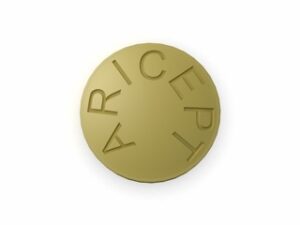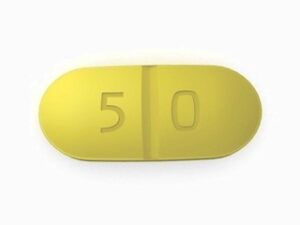
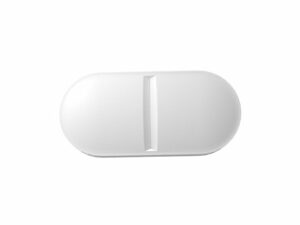
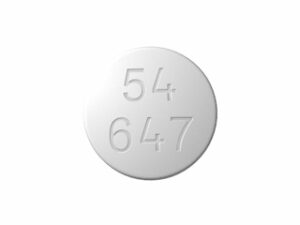
Cilostazol (Cilostazol Tablets) — Patient Information (UK)
Cilostazol is a medicine used to help improve walking ability in some people with circulation problems in the legs. This page explains what cilostazol is, how it works, how it’s taken, key safety information, and what to consider in everyday life.
Key facts at a glance
- Medicinal name: Cilostazol
- What it’s used for: Claudication (pain/discomfort when walking due to poor blood flow)
- How it works: Helps prevent blood platelets from sticking together and improves blood flow
- Common form: Tablets (strengths vary)
- Important safety points: Not suitable for everyone, especially people with certain heart problems
Basic product information
Cilostazol belongs to a group of medicines called antiplatelet medicines with additional blood vessel–relaxing effects. In the UK, cilostazol is used for eligible patients under appropriate clinical assessment.
Typical presentation: Tablets to be taken by mouth.
Note: Always check the pack for your exact strength and how to take it. Your clinician or pharmacist may adjust timing or dose based on your medical history and other medicines.
Mechanism of action (how cilostazol works)
Cilostazol works in more than one way to improve symptoms of poor leg circulation:
- Antiplatelet action: It reduces platelet aggregation (helps stop platelets clumping), which can support smoother blood flow.
- Vasodilation (blood vessel relaxation): It helps widen blood vessels in the legs, improving delivery of oxygen and nutrients during activity.
- Cyclic AMP (cAMP) pathway: Cilostazol inhibits phosphodiesterase (PDE), increasing cAMP in cells. This supports vasodilation and can reduce abnormal cellular adhesion.
The end result is that many people experience improved walking distance and reduced claudication symptoms over time. Response is not immediate for everyone; it often develops over days to weeks.
What it’s used for (indications)
Cilostazol is commonly used for:
- Intermittent claudication (leg pain, cramping, or discomfort when walking, caused by peripheral arterial disease) in people where appropriate lifestyle measures are also in place.
It does not cure the underlying vascular condition, but can help with functional symptoms. Ongoing management typically includes smoking cessation, exercise, and attention to cardiovascular risk factors.
How to take cilostazol (typical dosing and timing)
Dosing can vary depending on the strength of your tablets, your other medicines, and your kidney or liver function. The information below outlines common practice for cilostazol.
Typical adult dosing
- Often used regimen: Twice daily dosing is commonly used with cilostazol tablets.
- Missed dose: If you miss a dose, take it when you remember unless it’s close to the next dose. Do not take a double dose to make up for a missed tablet.
- Treatment duration: Benefits may take time. Continue as advised by your healthcare professional.
Timing with daily routine
- Try to take tablets at regular times (for example, morning and evening).
- Use a consistent schedule to help you avoid missed doses and to make it easier to spot any side effects.
- If you experience dizziness or palpitations, be cautious with driving or operating machinery until you know how you respond.
Food interactions and taking with meals
Cilostazol may be taken with or without food, but some people find it easier on the stomach when taken after a meal. Food can affect drug absorption to some extent, so consistency is helpful.
- General tip: If you get stomach upset, take it after food.
- Consistency: Take it in the same way each day (with or without food) unless your pharmacist advises otherwise.
Grapefruit and similar juices: In some medicines, certain fruit products can influence drug metabolism. If you use grapefruit juice regularly, ask your pharmacist whether it could affect cilostazol.
Pharmacokinetics (how the body handles cilostazol)
Pharmacokinetics describe the journey of a medicine through the body: absorption, distribution, metabolism, and excretion. Understanding this can help explain timing and interactions.
| Stage | What typically happens with cilostazol |
|---|---|
| Absorption | Cilostazol is absorbed after oral dosing. Peak levels occur after oral intake (timing depends on the formulation and individual factors). |
| Distribution | It distributes into body tissues and is highly protein-bound. |
| Metabolism | It is metabolised in the liver, with important contributions from enzymes including CYP isoforms. This is why interacting medicines can change cilostazol levels. |
| Active metabolites | Metabolites may contribute to overall effect. |
| Elimination | The medicine and metabolites are eliminated mainly via the kidneys and to some extent through other routes. Kidney and liver function can influence tolerability. |
Because metabolism can involve liver enzymes, drug interactions are particularly important with cilostazol.
Alcohol and cilostazol: what to consider
Alcohol can increase dizziness and can affect how you feel on many medicines. There is no universal “safe” amount that applies to everyone.
- Start cautiously: If you drink alcohol, do so in moderation and observe how you feel after taking cilostazol.
- Bleeding risk considerations: Since cilostazol affects platelets, heavy alcohol use that increases bleeding risk may be unwise.
- Discuss if unsure: If you have a history of ulcers, liver disease, or heavy alcohol use, speak to a pharmacist.
Medicine interactions (including anticoagulants and antiplatelets)
Cilostazol can interact with other medicines that influence blood clotting, blood pressure, or liver enzymes. Always tell your pharmacist or prescriber about all medicines you use, including:
- over-the-counter products
- herbal preparations
- vitamin/mineral supplements
- occasional painkillers
Common interaction themes
- Other antiplatelets/anticoagulants: Combining medicines that reduce clotting may increase bleeding tendency.
- Blood pressure medicines: Cilostazol may contribute to dizziness in some people, especially if you already take antihypertensives.
- Liver enzyme inhibitors or inducers: These can raise or lower cilostazol levels, affecting both effect and side-effect risk.
- Specific CYP-influencing medicines: Examples include certain antibiotics/antifungals and other agents that alter CYP metabolism.
Practical interaction checklist
- Ask before starting any new medicine, including “just for a short time” treatments.
- Watch for bleeding: unusual bruising, black/tarry stools, blood in urine, or prolonged bleeding.
- Keep notes: If you start another medicine, record the date and whether your symptoms changed.
Safety profile and who should avoid cilostazol
Like all medicines, cilostazol may cause side effects. Some are common and mild; others require medical attention. Certain medical conditions may make cilostazol unsuitable.
Important contraindications / situations to avoid (UK clinical practice)
Cilostazol is generally not suitable for people with:
- Heart failure or clinically significant heart failure conditions (due to risk considerations observed with similar drugs).
- Significant bleeding disorders or a current active bleeding issue.
- Known hypersensitivity to cilostazol or any tablet ingredient.
Your clinician will assess your heart history, blood counts, and overall risk before starting treatment.
Common side effects
- Headache
- Dizziness or light-headedness
- Palpitations (feeling of heartbeat changes)
- Nausea or stomach discomfort
- Diarrhoea
- Swelling (fluid retention) can occur in some people
Less common but serious side effects: get urgent help
Seek urgent medical advice if you notice:
- Chest pain, severe shortness of breath, or fainting
- Signs of bleeding: vomiting blood, black/tarry stools, blood in urine, or unusual prolonged bleeding
- Severe allergic reaction: face/lip swelling, difficulty breathing, widespread rash
- New or worsening irregular heartbeat with dizziness or weakness
When to stop and seek advice
- If you develop severe headache, faintness, or unexpected bruising, contact a healthcare professional promptly.
- Do not stop suddenly without advice if you are concerned—seek guidance on the safest next step.
Practical use tips (to get the most from treatment)
- Combine with exercise therapy: Supervised or structured walking programmes can improve claudication symptoms. Medication often complements exercise, not replaces it.
- Stop smoking if you smoke: This is one of the most impactful lifestyle changes for peripheral arterial disease.
- Foot care matters: Poor circulation can affect healing—check feet regularly, wear suitable footwear, and address cuts promptly.
- Monitor your response: Track how far you can walk before symptoms start. Improvement may be gradual.
- Be cautious with sudden standing: If dizziness occurs, rise slowly to reduce light-headedness.
Alternative options for intermittent claudication
Treatment for peripheral arterial disease depends on your symptoms, risk factors, and overall health. Alternatives may include:
- Exercise programmes: Often recommended as first-line support for walking improvement.
- Smoking cessation and risk-factor management: Diabetes, cholesterol, and blood pressure control.
- Other medicines: Some people may be offered different antiplatelet and cholesterol-lowering therapies as part of overall vascular risk management.
- Revascularisation procedures: In selected cases, angioplasty or surgery may be considered if symptoms are severe or worsen.
Your clinician may recommend a tailored combination of lifestyle changes, medications, and monitoring. Cilostazol is one option specifically aimed at improving walking distance in eligible patients.
Market and legal context in the United Kingdom
In the UK, medicines are regulated through the Medicines and Healthcare products Regulatory Agency (MHRA), with information reflected in the UK Summary of Product Characteristics (SmPC) and patient-facing guidance.
Availability and supply can change over time due to regulatory updates, stock levels, and prescriber practices. Your pharmacist can confirm current supply arrangements and the exact product details for your chosen strength.
For up-to-date safety information and approved indications, consider checking the relevant official documents or asking a pharmacist. If you have concerns about suitability, it’s best to confirm with a healthcare professional before starting.
Recent guidance and clinical considerations
Guidance for peripheral arterial disease in the UK typically emphasises:
- Optimising cardiovascular risk management (e.g., smoking cessation, lipid management, blood pressure control)
- Using exercise therapy to improve walking distance
- Assessing symptoms using consistent measures (e.g., walking distance and symptom pattern)
- Reviewing medicine safety, especially bleeding risk and comorbid heart disease
Cilostazol is generally considered where it is clinically appropriate and tolerated, with follow-up to confirm benefit and monitor side effects.
Delivery and availability (UK)
Availability of cilostazol can vary by supplier and by tablet strength. When ordering online, our service aims to provide timely dispatch and transparent delivery estimates.
- Stock status: Some products may be subject to availability—delivery times can differ.
- Packaging: Medicines are supplied in original packaging where possible.
- Temperature/handling: Store tablets according to the instructions on the pack.
If you need help choosing the correct strength or checking compatibility with your current medicines, you can contact our pharmacy team.
Storage and handling
- Keep out of sight and reach of children.
- Store at the temperature stated on the packaging.
- Keep the container tightly closed if instructed.
- Do not use after the expiry date shown on the pack.
FAQ about cilostazol
1) How long does it take for cilostazol to work?
Many people notice improvement over days to weeks. The full benefit may develop gradually. If there is no improvement after an appropriate trial period, your pharmacist or clinician may review whether continuing is worthwhile for you.
2) Will cilostazol stop my leg circulation problem?
Cilostazol helps improve walking symptoms, but it does not reverse the underlying peripheral arterial disease on its own. Long-term management usually includes cardiovascular risk reduction and lifestyle changes.
3) Can I take cilostazol with food?
In general, cilostazol may be taken with or without food. If you experience stomach upset, taking it after meals may help. Try to keep your routine consistent.
4) Does cilostazol cause dizziness?
Yes, dizziness can occur. If it affects you, take care with driving, cycling, or operating tools and equipment until you know how you respond. Getting up slowly can also help.
5) What about bleeding risk?
Since cilostazol affects platelet function, there can be a higher tendency to bleed or bruise in some people. Contact a healthcare professional if you notice unusual bruising, bleeding from gums, blood in urine, or black stools.
6) Can I drink alcohol while taking cilostazol?
Moderate alcohol may be possible for some people, but alcohol can worsen dizziness and may increase bleeding risk in heavy drinking. If you drink, do so cautiously and seek advice if you are unsure—especially if you have a history of stomach ulcers or liver disease.
7) Are there medicines I should avoid?
Tell your pharmacist about all medicines and supplements you take. Particular attention is needed for: anticoagulants, other antiplatelet medicines, medicines affecting liver enzymes, and blood pressure medicines. Your pharmacist can check for interaction risks.
8) Is cilostazol suitable for people with heart failure?
Cilostazol may be inappropriate for people with certain heart failure conditions. Your clinician will assess your heart history before it is started.
9) What should I do if I miss a dose?
Take it when you remember unless it’s close to the next dose. Do not take a double dose to make up for the missed tablet.
10) What are some alternatives if cilostazol doesn’t help?
Options depend on your symptoms and overall health and may include structured exercise programmes, adjustments to cardiovascular risk therapies, or assessment for procedures if appropriate. Discuss with a healthcare professional to determine the best next steps.
Summary
Cilostazol is used to improve walking symptoms in people with intermittent claudication due to peripheral arterial disease. It helps blood flow by combining an antiplatelet effect with blood vessel relaxation. Benefits typically take time, and safety considerations—especially heart conditions, bleeding risk, and interactions with other medicines—are important. Alongside cilostazol, structured exercise and cardiovascular risk management are key parts of effective long-term care.