Revia (Naltrexone) – Patient Information
Revia contains naltrexone, a medicine used to help reduce the rewarding effects of alcohol and opioid drugs. This leaflet-style guide explains how it works, how it’s used, important safety information, and practical tips for getting the most from treatment. If you have any questions, speak to a healthcare professional.
Basic product information
- Brand name: Revia
- Active ingredient: Naltrexone
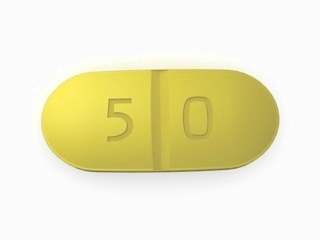
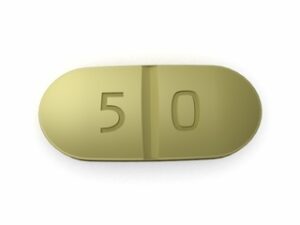
- Common form: Oral tablets (strengths may vary by product availability)
- What it’s used for: Alcohol dependence and opioid dependence treatment support (after opioid withdrawal/detox)
- Who it may be suitable for: Adults diagnosed with alcohol dependence or under guidance for opioid use disorder support
Note: Exact dosing and suitability depend on your individual medical history, including liver function and current medications.
How Revia works (mechanism of action)
Naltrexone is an opioid receptor antagonist. This means it blocks certain opioid receptors in the brain (especially the mu-opioid receptor), preventing opioid drugs from producing their typical effects.
In the context of alcohol dependence, naltrexone helps reduce the reinforcing “reward” pathways. Alcohol can trigger the release of natural chemicals that interact with opioid receptors. By blocking these receptors, naltrexone can reduce cravings and the pleasurable effects some people experience after drinking.
- For opioids: it blocks the effects of opioid analgesics and many recreational opioid drugs.
- For alcohol: it can reduce the rewarding effects that contribute to heavy drinking patterns.
Pharmacokinetics (how your body handles naltrexone)
Understanding how naltrexone is processed can help explain why dosing matters.
| Topic | What typically happens |
|---|---|
| Absorption | Naltrexone is absorbed after oral dosing. Food may influence the timing of peak levels but generally does not eliminate effectiveness. |
| Metabolism | It is metabolised in the liver. The main active metabolite is 6β-naltrexol. |
| Elimination | Metabolites are mainly excreted via the kidneys (urine). |
| Half-life (typical) | Naltrexone has an elimination half-life of several hours, while the metabolite may persist longer. |
Why this matters: Naltrexone is usually taken once daily, because the overall receptor-blocking effect lasts long enough to support a daily schedule for many people.
Typical uses of Revia in the UK
Revia may be used as part of structured treatment programmes for:
- Alcohol dependence: to help reduce heavy drinking and relapse risk by decreasing the reinforcing effects of alcohol.
- Opioid dependence: as a maintenance treatment to support abstinence from opioids (typically after opioid withdrawal). It may help prevent opioid effects if a person attempts to use opioids while on treatment.
Important: Naltrexone is not a treatment for opioid overdose. If someone has opioid overdose, emergency services must be contacted immediately.
When to take it (timing and consistency)
For many people, naltrexone is taken once a day, at about the same time each day to maintain consistent effect.
- Choose a routine: taking it with your morning or evening routine may make it easier to remember.
- Missed dose: if you miss a dose, take it when you remember unless it’s close to your next dose. Do not take a double dose.
- Stopping: do not stop and restart suddenly without medical advice, especially in relation to opioid use disorder planning.
Food interactions
Naltrexone can generally be taken with or without food. Food may change the speed at which the medicine reaches peak levels, but it usually does not significantly change overall effectiveness.
- If you experience nausea or stomach discomfort, taking the tablet with food may help.
- If you have a sensitive stomach, consider a consistent approach (e.g., always with breakfast or always after dinner).
Alcohol interactions and advice
Naltrexone is specifically used to help with alcohol dependence. However, drinking alcohol while taking naltrexone may still cause side effects and may not be fully prevented.
- If you drink: you may feel less “reward” from alcohol, but you can still become intoxicated and still risk harm (accidents, unsafe decisions, health complications).
- Alcohol and liver health: because naltrexone is processed in the liver, frequent heavy drinking can increase the risk of liver irritation or injury.
Practical tip: Many people find it easier to reduce drinking when naltrexone is combined with support strategies (see “Practical use tips” below).
Interactions with other medicines
Naltrexone’s most important medicine interaction involves opioids. Blocking opioid receptors can reduce or block the effects of opioid painkillers and opioid-containing cough or cold products.
Opioids (important)
- Opioid painkillers (e.g., morphine, oxycodone, codeine, tramadol): naltrexone can reduce their pain-relieving effects.
- Overdose risk: naltrexone is an antagonist; it won’t work like a treatment for opioid overdose, and emergency help is still needed if overdose occurs.
- Do not attempt to “override” the blockade: trying to overcome receptor blockade by taking more opioids is dangerous and may lead to serious harm, especially if naltrexone levels drop or other opioids are involved.
Other medicine interactions
Many non-opioid medicines can be taken with naltrexone, but individual safety depends on your health conditions and medication list.
- Liver-metabolised medicines: if you take multiple medicines that affect the liver, your clinician may advise additional monitoring.
- Other substances affecting mood or brain function: always check with a healthcare professional if you are taking antidepressants, sedatives, or sleep medicines.
Advice: Keep a current list of all medicines and supplements (including herbal products). Review it regularly with your healthcare professional and your pharmacist.
Indications (what it is used for)
Revia is used for:
- Alcohol dependence: to help support reduction in heavy drinking and help prevent relapse.
- Opioid dependence: to help support abstinence by blocking opioid effects (commonly used as part of a broader management plan for opioid use disorder).
Not for everyone: the decision depends on your diagnosis, treatment history, and safety factors such as liver function and whether opioids are present in your system.
Dosing (general information)
Follow the dose instructions provided by your prescriber or pharmacist. The exact dose can vary by indication, medical history, and product strength available.
Common dosing patterns
- Alcohol dependence: naltrexone is typically started at a low dose and then increased to a maintenance dose as appropriate.
- Opioid dependence support: naltrexone is usually started only after opioid withdrawal/detox and when opioids are no longer in the body, to reduce the risk of precipitated withdrawal.
Kidney and liver considerations
- Liver: naltrexone can affect liver enzymes. Baseline liver function tests are often considered, and ongoing monitoring may be required.
- Kidney: if you have significant kidney problems, your clinician may adjust care and monitor closely.
If you have a history of hepatitis, cirrhosis, or raised liver enzymes: tell your healthcare professional before starting naltrexone.
Safety profile (common and serious side effects)
Most people tolerate naltrexone, but it can cause side effects, especially during the early stages of treatment.
Common side effects
- Nausea
- Headache
- Dizziness or feeling light-headed
- Fatigue
- Sleep disturbance (e.g., insomnia)
- Loss of appetite
- Abdominal discomfort
Less common but important effects
- Liver-related effects: raised liver enzymes or, rarely, serious liver injury—especially in people with pre-existing liver disease or heavy alcohol use.
- Allergic reactions: seek urgent advice if you develop swelling of the face/lips, breathing difficulties, or widespread rash.
- Mental health changes: mood changes can occur; seek advice promptly if you experience severe anxiety, depression, or suicidal thoughts.
Opioid withdrawal risk (key warning)
If opioids are still in the system, starting naltrexone can trigger precipitated withdrawal (sudden, severe withdrawal symptoms). For this reason, starting therapy in opioid dependence is carefully managed by clinicians.
When to seek urgent medical help
- Signs of a serious allergic reaction (swelling, breathing difficulty)
- Symptoms of significant liver problems, such as yellowing of the skin/eyes (jaundice), dark urine, severe right upper abdominal pain, or persistent vomiting
- Severe agitation, confusion, or thoughts of self-harm
Practical use tips for best results
Medication works best when supported by a structured plan. The following tips can help you use naltrexone more effectively and safely.
- Start with an honest routine: take the tablet daily and keep track of drinking or cravings (e.g., simple daily notes).
- Combine with support: therapy, counselling, peer support groups, or structured addiction services often improves outcomes.
- Plan for high-risk moments: identify triggers (certain places, people, stress) and prepare alternatives.
- Set realistic goals: reduction may be a step toward abstinence; progress can be gradual.
- Avoid “trial drinking” to test effects: alcohol can still cause harm and may worsen liver health.
- Medication list matters: if you need pain relief or medical treatment, inform clinicians and dentists that you take naltrexone.
- Do not self-adjust: changing dose schedules without guidance can increase side effects or reduce effectiveness.
Alternative options (what else may be considered)
Depending on the condition being treated, other medication and non-medication approaches may be available in the UK.
For alcohol dependence
- Acamprosate: helps maintain abstinence for some people after stopping drinking.
- Disulfiram: causes an unpleasant reaction if alcohol is consumed, supporting avoidance (suitability varies).
- Psychosocial support: structured therapies and support groups are often essential.
For opioid use disorder
- Buprenorphine or methadone: opioid agonist or partial agonist treatments can stabilise opioid use and reduce harm.
- Psychosocial support: counselling and recovery programmes remain central.
Choosing an alternative: the best option depends on your goals, prior treatment response, side effect preferences, and safety factors such as liver function.
Market and legal context in the UK
In the United Kingdom, medicines like naltrexone are regulated and supplied through established channels. Availability and exact prescribing/dispensing pathways depend on product classification and local clinical protocols within the NHS and private care.
What to expect when buying online:
- You should receive genuine products from reputable suppliers that comply with UK pharmacy and medicines regulations.
- Some items may require additional clinical screening or eligibility checks.
- Clear product information, including dosage form and strength, should be provided.
Safety monitoring expectations: because naltrexone can affect liver function and may interact with opioids, healthcare professionals often recommend baseline checks and ongoing follow-up where appropriate.
Recent guidance and clinical considerations
UK clinical practice continues to emphasise:
- Assessment before starting: confirming diagnosis, evaluating liver function, and checking opioid exposure history for opioid dependence support.
- Ongoing monitoring: liver enzymes may be monitored, particularly in people with risk factors such as ongoing heavy alcohol use or known liver disease.
- Combined care: medication is most effective when combined with psychological and behavioural support.
- Safety planning: clear guidance on avoiding opioid use while taking naltrexone and informing healthcare providers if medication changes are needed.
Always follow the most current advice from your healthcare professional and your local services.
Delivery and availability (UK online pharmacy)
Availability depends on stock levels and the specific tablet strength/form supplied by the wholesaler. Typical delivery options in the UK may include:
- Standard delivery: usually a few working days (varies by supplier and location)
- Express delivery: may be offered for urgent needs (availability depends on stock)
- Tracking: reputable pharmacies typically provide tracking updates where available
Packaging and storage: Keep tablets in their original packaging. Store at room temperature unless the label states otherwise, and keep out of reach of children.
Receiving your order: check the product name, strength, and expiry date upon delivery.
Frequently asked questions (FAQ)
1) What is Revia used for?
Revia (naltrexone) is used to support treatment for alcohol dependence and to help support abstinence in opioid dependence by blocking opioid effects.
2) How quickly does naltrexone start working?
It works relatively quickly after dosing, with receptor effects that generally support its daily schedule. However, changes in cravings and drinking patterns may take days to weeks and often improve with ongoing support.
3) Can I take Revia with food?
Yes, naltrexone is generally taken with or without food. If you feel nauseous, taking it with food may help.
4) Will naltrexone block all pain relief?
Naltrexone can block the effects of opioid painkillers (such as morphine, oxycodone, codeine and some others). Non-opioid pain relief may still be options, but your clinician should advise based on your circumstances.
5) Can I drink alcohol while taking Revia?
You may still experience intoxication and harm even if the “reward” effect is reduced. The safest approach is to follow your treatment plan—many people aim to reduce or avoid alcohol completely while on treatment.
6) What happens if I take opioids while on Revia?
Opioids are likely to have reduced or no effect while naltrexone is active. Trying to overcome the blockade by taking more opioids is dangerous and can lead to serious harm, including overdose risk if timing and levels change.
7) Are there liver risks?
Naltrexone can affect liver enzymes. Your healthcare professional may check liver function tests, especially if you have liver disease or drink heavily. Seek urgent advice if you develop symptoms suggesting liver problems.
8) Who should not take naltrexone?
Suitability depends on your medical history. People with significant liver problems, those with active opioid use (or recent opioid exposure), or those at risk of severe withdrawal may not be suitable without careful clinician assessment.
9) What should I do if I miss a dose?
Take it when you remember unless it’s close to your next dose. Do not take a double dose. If you miss several days, seek advice before restarting, particularly if you are being treated in relation to opioid dependence.
10) Can I stop taking it suddenly?
Stopping suddenly may be possible for some treatment plans, but it should be done with guidance, especially for opioid dependence support and where relapse prevention is a priority.
Summary
Revia (naltrexone) is a medicine that helps reduce the reinforcing effects of alcohol and blocks opioid effects by antagonising opioid receptors. For alcohol dependence, it may support reducing cravings and heavy drinking. For opioid dependence, it is used as part of structured treatment support after opioid withdrawal has been managed. Because naltrexone can affect the liver and interacts strongly with opioid medicines, careful assessment and monitoring are important.
If you have questions about whether Revia is suitable for you, or how it fits with your current medicines and health conditions, ask a healthcare professional or pharmacist.