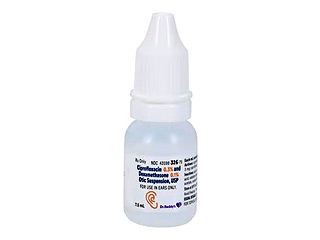

Ciprodex (Ciprofloxacin / Dexamethasone) Ear Drops – Patient Information (UK)
Ciprodex is a medicine used in the ear that combines two active ingredients: ciprofloxacin (an antibiotic) and dexamethasone (a corticosteroid). It is commonly used to treat ear infections where both infection and inflammation need to be addressed.
This patient-friendly guide explains what Ciprodex is, how it works, when it’s used, how to use it, important safety information, and practical tips. It is written for people in the United Kingdom.
1. Basic product information
| Feature | Details |
|---|---|
| Brand name | Ciprodex |
| Active ingredients | Ciprofloxacin + Dexamethasone |
| Medicine type | Antibiotic + steroid combination (ear drops) |
| Common use | Treatment of certain bacterial ear infections with inflammation |
| Formulation | Ear drops (otologic solution) |
Important: Always check the leaflet supplied with your medicine for the exact strength and dosing instructions printed on the pack.
2. How Ciprodex works (mechanism of action)
Ciprodex contains two medicines that act together:
- Ciprofloxacin is a fluoroquinolone antibiotic. It works by interfering with bacterial DNA processes needed for bacteria to grow and reproduce. This helps to eliminate the bacteria causing the ear infection.
- Dexamethasone is a corticosteroid. It reduces inflammation by dampening the body’s inflammatory response. This may help relieve pain, swelling, itchiness, and redness.
Together, the antibiotic targets the infectious component while the steroid reduces swelling and inflammation, often improving symptoms more quickly than an antibiotic alone for appropriate conditions.
3. Pharmacokinetics (how the body handles it)
Because Ciprodex is used in the ear as local drops, only a small amount is usually absorbed into the bloodstream. However, absorption can vary depending on factors such as the condition of the ear (for example, whether the eardrum is intact).
Key points
- Local action: Ciprodex primarily acts in the ear canal/middle-ear area as intended.
- Systemic absorption: Generally limited, but may be increased if there is eardrum perforation or inflammation that allows more drug to enter tissues.
- Metabolism and elimination: Ciprofloxacin and dexamethasone are processed by the body (metabolised and cleared), but systemic levels are typically low when used as ear drops.
Your pharmacist or clinician can advise based on your individual ear condition and medical history.
4. Typical uses in the UK
Ciprodex is used for local treatment of bacterial ear infections where inflammation is also present. It is typically used for conditions such as:
- External otitis (infection/inflammation of the outer ear canal), particularly when there is swelling and discomfort
- Infections of the middle ear where steroid and antibiotic combination may be appropriate, especially if there is a relevant ear condition (e.g., after certain ear procedures or in specific clinical scenarios)
- Situations where a clinician has identified bacteria likely to respond to ciprofloxacin and where reducing inflammation is beneficial
If you are unsure which diagnosis applies to you, read your prescription/clinical instructions carefully and ask a healthcare professional.
5. Timing and how to use Ciprodex
Using ear drops correctly is important for the medicine to reach the target area. Always follow the dosing schedule given on your pack or by your healthcare professional.
Typical dosing approach (general guidance)
Many Ciprodex regimens involve twice-daily dosing for a limited course. The exact number of drops and duration should match the instructions provided for your specific condition.
Do not change the dose or stop early without advice, even if symptoms improve.
Step-by-step practical use tips
- Wash your hands before touching the bottle.
- Warm the bottle in your hand for a minute if it feels cold—this can improve comfort.
- Position yourself with the affected ear facing upwards. For adults, gently pull the outer ear up and back; for children, pull down and back. (This helps open the ear canal.)
- Instil the prescribed number of drops into the ear canal. Avoid touching the dropper tip to the ear to reduce contamination.
- Keep your head tilted for a short time (often around 5–10 minutes) to let the drops spread.
- Replace the cap tightly and wash your hands again.
How long should you use it?
Ciprodex is generally used for a short, defined course. Using it longer than recommended may increase the risk of side effects and antibiotic overuse. If symptoms do not improve within a few days, or worsen, seek medical advice.
6. Food interactions
There are no known clinically significant interactions with food for Ciprodex when used as ear drops, because the medicine is applied locally and systemic exposure is usually low.
If you are taking other medicines by mouth, always check for interactions separately for those medicines.
7. Alcohol and medicine interactions
Alcohol
Because Ciprodex is used locally in the ear, there is typically no direct interaction with alcohol. However, if your steroid is absorbed more than expected (for example, with specific ear conditions), it may contribute indirectly to overall well-being. In general, moderate alcohol is unlikely to be a problem.
If you feel unwell, have dizziness, or experience unexpected side effects, avoid alcohol and speak to a pharmacist.
Interactions with other medicines
Oral antibiotic–steroid interaction concerns are less likely than with systemic medicines, but it’s still important to consider your overall therapy.
Medicines to mention to your clinician/pharmacist
- Other antibiotics you may be taking (to avoid unnecessary overlap and to tailor therapy)
- Other steroid medicines (inhalers, tablets, creams), as they may add to the overall steroid exposure if absorption is higher
- Blood-thinning medicines (e.g., warfarin) if you are on them—while local drops usually pose low risk, your pharmacist can confirm based on your history
Bring a list of all medicines, including herbal products and supplements, when seeking advice.
8. Indications: when Ciprodex is appropriate
Ciprodex is indicated for certain bacterial ear infections accompanied by inflammation. The correct use depends on your clinical diagnosis and the appearance of the ear.
It is not suitable for all causes of ear symptoms. For example, viral infections or fungal ear conditions require different treatment.
Signs that need urgent review
Get prompt medical advice if you have:
- Severe ear pain that rapidly worsens
- Swelling around the ear or the ear sticking out
- High fever or feeling very unwell
- New facial weakness
- Severe headache, neck stiffness, or dizziness
9. Dosing guidance (adults and children)
Dosing is dependent on the specific ear condition, age, and severity. Always follow the instructions given with your medicine.
General dosing principles
- Use the prescribed number of drops for the affected ear.
- Space doses evenly (often morning and evening).
- Complete the course as directed, even if symptoms improve.
- If you miss a dose, use it when you remember unless it’s close to the next dose. Do not double the dose.
Children
Ciprodex may be used in children when clinically appropriate. The exact dosing and duration must match the pack instructions or clinician advice. For children, careful ear-drop technique is especially important.
10. Safety profile and side effects
Like all medicines, Ciprodex can cause side effects. Most people experience none or only mild effects. However, it is important to know what to watch for.
Common side effects
- Ear discomfort (mild irritation)
- Itching or mild burning sensation in the ear
- Temporary changes in ear sensation
Seek medical advice promptly if you notice
- Allergic symptoms such as rash, swelling of the face/lips, or breathing difficulties
- Severe or persistent ear pain that doesn’t improve or worsens
- Marked worsening of redness/swelling or fever
- Persistent discharge or failure to improve after the expected course
When to stop and get help
If you develop symptoms suggestive of an allergy or a serious reaction, stop using the drops and seek urgent medical help.
Considerations with eardrum perforation
Because Ciprodex includes a steroid and antibiotic, the condition of the eardrum and the underlying ear pathology matter. If you have a known perforated eardrum or grommets, follow clinician instructions carefully.
11. Practical use tips for better results
- Keep the ear canal clean and dry during treatment. Avoid inserting cotton buds or other objects.
- If your ear is very swollen, drops may not enter well. Your clinician may advise a short technique change, or a different approach, to help the medicine reach the target.
- Don’t share ear drops with others, even if symptoms seem similar.
- Check expiry date and ensure the bottle is stored as directed on the pack.
- If you have ongoing ear problems, consider discussing whether you need long-term prevention strategies (e.g., avoiding water in the ear, managing skin conditions, or treating wax build-up).
12. Alternative options
Alternatives depend on the cause of the ear symptoms (bacterial vs viral vs fungal), the part of the ear involved, and your eardrum status.
Common alternative categories
- Antibiotic-only ear drops (for bacterial infection when steroid effect is not required)
- Steroid-only drops (sometimes used for inflammation in selected conditions, but generally not appropriate for bacterial infection alone)
- Fungal treatments if yeast/fungus is the cause (e.g., antifungal drops)
- Oral antibiotics if the infection is more extensive or not suitable for topical treatment alone
- Ear cleaning/management (wax or debris removal) to help drops work effectively
Ask a clinician or pharmacist about the most suitable option for your diagnosis. Using the wrong type of medicine can delay recovery.
13. UK market, legal, and guidance context (what to expect)
In the United Kingdom, antibiotic use is guided by antimicrobial stewardship principles to reduce resistance and ensure appropriate prescribing. In NHS and broader clinical practice, ear infections are assessed carefully to determine whether antibiotics are needed and which type is suitable.
Antibiotic stewardship
- Clinicians aim to use antibiotics only when a bacterial infection is likely or confirmed.
- Treatment duration is kept as short as clinically effective.
- Symptoms are reassessed if there’s no improvement or if they worsen.
Recent guidance (high level)
Recommendations may evolve over time, but a consistent theme in UK practice is: confirm the cause (bacterial vs other), choose the narrowest effective therapy, and review response early.
If you have recurrent symptoms, poor response, or complications, further assessment may be needed.
14. Delivery and availability in the UK
Ciprodex is available through UK pharmacies and online pharmacy services where permitted. Availability can vary by supplier and stock levels.
Delivery expectations
- Typical delivery: Depends on the pharmacy and service level chosen (standard or tracked).
- Cold chain: Ciprodex does not usually require refrigeration unless specified on the pack.
- Packaging: Medicines are typically dispatched in secure packaging to prevent leakage.
If you need it quickly, select the fastest delivery option available at checkout and check the estimated delivery date.
15. Frequently Asked Questions (FAQ)
1) What is Ciprodex used for?
Ciprodex is used as ear drops for certain bacterial ear infections where inflammation is also present. It combines an antibiotic (ciprofloxacin) with a steroid (dexamethasone) to treat infection and reduce swelling.
2) How many times a day should I use it?
Many regimens use dosing twice daily, but the exact number of drops and duration depend on the specific condition and instructions on your pack. Always follow the directions provided with your medicine.
3) How long does it take to work?
Some people notice symptom improvement within a few days. If you don’t see improvement within the expected timeframe or symptoms worsen, seek advice rather than extending use on your own.
4) Can I use Ciprodex if my ear is still painful?
Yes—Ciprodex is often used specifically to reduce pain caused by inflammation associated with infection. However, severe pain, fever, or worsening symptoms should be reviewed promptly.
5) Is it safe to use with grommets or a perforated eardrum?
Many people with relevant ear conditions may be prescribed this type of ear drop when appropriate. Safety depends on your individual ear status and diagnosis—follow clinician instructions carefully and report any concerns.
6) Will I be able to swim or get my ear wet?
It’s usually best to avoid getting water into the ear during treatment, especially if you have infection or a perforated eardrum. Ask for personalised advice if you have an ear condition that affects swimming guidance.
7) What should I do if I miss a dose?
If you miss a dose, take it as soon as you remember unless it’s close to the next dose. Do not double up to make up for a missed dose.
8) Can I use Ciprodex with other ear drops?
If you are using other ear treatments, space them out if advised and confirm compatibility with a pharmacist. Avoid mixing drops into the same time window unless instructed.
9) Are there any food or alcohol interactions?
There are generally no significant food interactions with ear drops. Direct alcohol interactions are also unlikely; however, if you feel unwell or notice side effects, avoid alcohol and seek advice.
10) What if symptoms return after finishing Ciprodex?
Recurrence may indicate that the cause was not fully treated, that bacteria were resistant, or that a different condition is present. Speak to a healthcare professional—particularly if symptoms return quickly.
16. Summary
Ciprodex (ciprofloxacin/dexamethasone) ear drops combine an antibiotic with an anti-inflammatory steroid to help treat certain bacterial ear infections accompanied by swelling. It is designed for local action in the ear, with limited systemic absorption under typical use. For best results, use the drops at the correct times, follow technique instructions carefully, and complete the course as directed. Seek medical advice if symptoms worsen, you experience allergy-like symptoms, or you do not improve within the expected timeframe.