
Suprax (Cefixime) – Patient Information
Suprax contains cefixime, an antibiotic medicine used to treat certain bacterial infections. This guide explains how Suprax works, how it’s taken, what to expect, and important safety information relevant to people in the United Kingdom.
Always follow the instructions provided by your healthcare professional and the information on the medicine label. If anything is unclear, check with a pharmacist.
Quick overview
- Medicine: Suprax
- Active ingredient: Cefixime
- Type: Cephalosporin antibiotic (third generation)
- Used for: Specific bacterial infections (commonly some ear, throat, chest/urinary infections depending on local guidance)
- How it works: Kills susceptible bacteria by interfering with their cell wall
- How long it takes: Symptoms may start to improve within 24–48 hours, but you must complete the full course
Basic product information
Suprax is an antibiotic medicine. Cefixime works against a range of bacteria but will not treat viral infections such as common colds or flu.
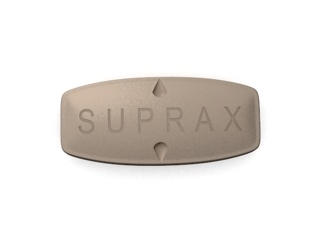
Available forms: Suprax may be supplied as tablets or other formulations depending on supply and local product presentation. Your pharmacist can confirm the exact strength and form you are purchasing.
Common strengths: Strengths vary by formulation; always check your pack for the exact dose per tablet/5 mL if liquid.
How Suprax works (mechanism of action)
Cefixime belongs to the cephalosporin class of antibiotics. It works by:
- Targeting bacterial cell wall formation: Cefixime inhibits enzymes (penicillin-binding proteins) used by bacteria to build a strong cell wall.
- Causing bacterial death: Without a functional cell wall, bacteria cannot survive and multiply.
Cefixime is particularly effective against susceptible bacteria. The antibiotic’s benefit depends on the infection being caused by bacteria that respond to cefixime.
Pharmacokinetics: what the body does with cefixime
“Pharmacokinetics” describes how the body absorbs, distributes, metabolises, and eliminates a medicine.
- Absorption: Cefixime is absorbed from the gut after taking by mouth.
- Food effect: Food may affect the rate of absorption, but overall absorption is generally not significantly reduced. Taking with food can sometimes improve tolerability.
- Distribution: It distributes into body fluids and tissues to levels that can help treat susceptible infections.
- Metabolism: Cefixime is not extensively metabolised.
- Elimination: Cefixime is mainly cleared by the kidneys. This is why dose adjustments may be needed in people with reduced kidney function.
- Half-life (general): The medicine’s activity lasts long enough for twice-daily or once-daily regimens depending on prescribed dosing and formulation.
Kidney health matters: If you have chronic kidney disease or reduced kidney function, dosing may need adjustment. Speak to a pharmacist or prescriber for personalised advice.
Typical use: what Suprax is used to treat
Suprax is used for specific bacterial infections. In the UK, antibiotic choice is influenced by local resistance patterns, infection site, patient age, allergy history, and severity.
Commonly, cefixime may be considered for infections such as:
- Ear, nose and throat infections caused by susceptible bacteria (e.g., certain cases of ear/throat infections depending on clinical assessment)
- Chest or respiratory infections in selected situations
- Urinary tract infections where cefixime is considered appropriate
- Other bacterial infections when a clinician judges cefixime to be suitable
Important: Antibiotics are not helpful for viral infections. If symptoms are caused by viruses, antibiotics will not speed up recovery and may cause unnecessary side effects.
When to take Suprax: timing and how to take it
Follow your label or clinician’s instructions for your exact dose and schedule.
Typical schedules
- Once daily or twice daily: Depending on the infection being treated, the dose, and the formulation, cefixime regimens may be once daily or divided doses (for example, morning and evening).
- Try to keep consistent timing: Even dosing helps maintain steady antibiotic levels.
How to take
- With water: Swallow tablets with a full glass of water unless your product instructions say otherwise.
- Liquid form: If you have a suspension, shake well and measure accurately using a syringe or dosing spoon.
- Complete the course: Start to feel better does not mean the infection has been fully cleared.
If you forget a dose: Take it when you remember unless it is close to the next dose. Do not take a double dose to make up for a missed one.
Food interactions: can you take Suprax with meals?
Food can influence the rate of cefixime absorption. In many cases, taking Suprax with food is acceptable and can improve stomach comfort.
- General advice: You can usually take Suprax with or without food.
- If it upsets your stomach: Taking with a meal or snack may help.
Stay consistent: If you’ve chosen to take it with food, continue the same routine to help keep absorption predictable.
Alcohol and medicine interactions
Alcohol: There is no universal requirement to avoid alcohol with cefixime, but heavy drinking can worsen side effects such as nausea, diarrhoea, dizziness, and dehydration.
Practical recommendation: Limit alcohol while you’re unwell, especially if you have diarrhoea or vomiting.
Other medicines that may interact
Interactions can occur through kidney clearance, gut absorption, and effects on blood tests.
- Probenecid: May reduce kidney clearance of cefixime, potentially increasing levels.
- Anticoagulants (e.g., warfarin): Some antibiotics can increase the risk of bleeding in people taking warfarin by altering gut bacteria and metabolism. Close monitoring (e.g., INR) may be needed.
- Other antibiotics: Combining antibiotics without guidance may increase side effects without improving outcomes.
- Oral typhoid vaccine: Certain antibiotics can interfere with vaccine effectiveness. Avoid close timing unless your healthcare professional advises otherwise.
- Blood sugar monitoring: Cefixime is not known for direct interference, but if you notice unexpected results, speak with a clinician.
Tell your pharmacist: Bring a list of all medicines you use, including over-the-counter products, vitamins, supplements, and herbal remedies.
Dosing: common regimens (and why it varies)
Dose depends on:
- the infection type and severity
- the patient’s age (adult vs child) and weight
- kidney function
- local guidance and the clinician’s assessment
Follow your pack instructions or clinician guidance for your exact dose.
Adult dosing (general example)
In many cefixime regimens, adults may receive:
- Once daily or
- Twice daily split dosing
The exact amount (mg) depends on the specific strength and your prescribed regimen.
Children
In children, dosing is often based on weight and age, using the appropriate formulation (e.g., a suspension for accurate dosing). A clinician or pharmacist will determine the exact dose.
Kidney impairment
If you have reduced kidney function, cefixime dosing may need adjustment to avoid higher drug levels and increased risk of side effects.
Safety profile: side effects and when to seek help
Like all medicines, Suprax can cause side effects. Many people experience none or only mild effects.
Common side effects
- Diarrhoea (often mild)
- Nausea or upset stomach
- Headache
- Skin rash
Serious side effects (seek urgent medical advice)
Get urgent advice if you experience:
- Signs of an allergic reaction: swelling of face/lips, difficulty breathing, severe skin rash, or collapse
- Severe or persistent diarrhoea, especially with fever, abdominal cramps, or blood/mucus in stool (may indicate antibiotic-associated colitis)
- Severe skin reactions (e.g., blistering, peeling skin, mouth sores)
- Yellowing of skin/eyes or dark urine (possible liver-related issues)
What to do about side effects
- Mild diarrhoea: Keep hydrated and monitor. If it continues or worsens, contact your pharmacist or clinician.
- Rash: Stop and seek advice if rash is significant, spreading, or accompanied by swelling/breathing difficulty.
- Vomiting: If you cannot keep the medicine down, ask for guidance—your course may need reassessment.
Practical use tips for best results
- Start the course properly: Take the first dose at the time planned and keep to your schedule.
- Don’t stop early: Even if you feel better, complete the full course unless advised otherwise.
- Hydrate: If you have an infection with poor appetite or fever, fluids help your recovery.
- Be cautious with diarrhoea: Avoid anti-diarrhoeal medicines unless advised by a clinician, particularly if you have fever or blood in stool.
- Support the gut: Eating light meals and staying hydrated can help while your bowel adjusts.
- Track symptoms: If symptoms are not improving after 48–72 hours, contact your healthcare professional for review.
Alternative options: what else may be used?
Alternative treatments depend on the infection, suspected bacteria, allergy history, severity, and local guidance. Options may include:
- Other antibiotics (e.g., penicillins, other cephalosporins, or macrolides) when appropriate and safe
- Targeted “watchful waiting” or symptom management
- Different strategies for complicated infections (e.g., cultures, imaging, or referral)
Allergy matters: If you’ve had a serious reaction to cephalosporins or penicillins, it may influence which alternatives are suitable.
If you’re unsure about options, speak with a pharmacist or clinician who can consider your medical history and current symptoms.
Market and legal context in the UK
In the United Kingdom, antibiotics are regulated and used under Antimicrobial Stewardship principles. These help ensure antibiotics are prescribed only when likely to help and in the correct dose and duration.
Key points relevant to UK practice include:
- Appropriate antibiotic selection: Clinicians consider likely pathogens and resistance patterns.
- Right duration: Many infections do not require prolonged courses.
- Safety and allergy screening: Patient history helps avoid harmful choices.
Suprax (cefixime) is an established antibiotic product within healthcare settings, and availability can vary by formulation and supplier.
Recent guidance: antibiotic use principles (UK)
Recent UK and European antimicrobial guidance continues to emphasise:
- Confirming bacterial cause where possible (or carefully assessing when antibiotics are likely beneficial)
- Avoiding unnecessary antibiotics for viral illnesses
- Choosing the narrowest effective antibiotic when appropriate
- Reviewing treatment early if symptoms don’t improve
Because guidance evolves, your clinician/pharmacist will consider current local recommendations when deciding whether cefixime is suitable for your situation.
Delivery and availability (UK online pharmacy)
Availability of Suprax may vary depending on local supply and product format. When ordered through an online pharmacy:
- Stock checks: Many pharmacies check availability before dispatch.
- Packaging: Medicines are supplied in sealed packaging with patient information leaflet.
- Delivery times: Dispatch and delivery estimates depend on your location and the courier used.
- Cold chain: Cefixime tablets/suspensions typically do not require refrigeration unless specified for the specific product.
Check your delivery address and contact details to avoid delays. If you have urgent symptoms, seek clinical advice promptly rather than waiting for delivery.
FAQ – Suprax (Cefixime)
1) What is Suprax used for?
Suprax (cefixime) is an antibiotic used for certain bacterial infections. The exact infections it may be used for depends on clinical assessment and local guidance.
2) How quickly will I feel better?
Many people notice some symptom improvement within 24–48 hours. If you don’t start improving after 48–72 hours, contact a pharmacist or clinician for reassessment.
3) Can I take Suprax with food?
Often yes. Food may affect how quickly it’s absorbed, but it generally does not remove the medicine’s effect. If it upsets your stomach, take it with a meal.
4) Is Suprax suitable for viral infections?
No. Antibiotics like cefixime do not treat viral infections such as colds and flu.
5) What should I do if I miss a dose?
Take it when you remember unless it’s close to the next dose. Don’t take a double dose to compensate.
6) Can I drink alcohol while taking Suprax?
Moderate alcohol is not universally contraindicated, but it’s best to avoid heavy drinking while unwell. Alcohol can worsen nausea and diarrhoea and reduce hydration.
7) What are the warning signs of an allergic reaction?
Seek urgent help if you develop swelling of the face/lips, breathing problems, widespread rash, or severe skin reactions.
8) Could Suprax cause diarrhoea?
Yes. Mild diarrhoea can occur. However, severe diarrhoea, especially with fever or blood/mucus, needs urgent medical advice.
9) Do I need to avoid other medicines?
Some medicines may interact with cefixime (for example, probenecid or warfarin). Always tell your pharmacist about all medicines you take.
10) How should I store Suprax?
Store according to the instructions on your pack. Keep out of sight and reach of children and do not use after the expiry date.
Summary
Suprax (cefixime) is a third-generation cephalosporin antibiotic designed to treat certain bacterial infections. It works by stopping bacteria from forming a functional cell wall. Most people take it in a once- or twice-daily schedule depending on the prescribed regimen, with or without food. Side effects may include diarrhoea or nausea, and urgent help is needed if you experience allergy symptoms or severe diarrhoea.
If you have questions about whether Suprax is suitable for your symptoms, whether it’s safe with your other medicines, or how to take it correctly, speak with a pharmacist.