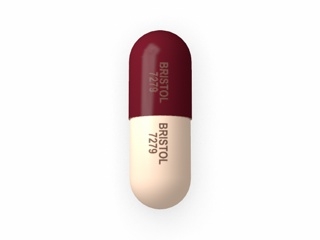


Trimox (Amoxicillin) – Patient Guide (UK)
Trimox is a brand of amoxicillin, a commonly used antibiotic in the penicillin family. This guide explains what Trimox is, how it works, when it is typically used, how to take it safely, and what to expect. It is written for people in the United Kingdom and uses UK health and medicine context where helpful.
1) Basic product information
- Active ingredient: Amoxicillin
- Medicinal class: Antibiotic (beta-lactam; aminopenicillin)
- Common formulations (examples): Tablets, capsules, and oral suspensions (strengths vary by product)
- Where it’s used: Treatment of selected bacterial infections caused by susceptible organisms
- Brand name: Trimox (amoxicillin)
Strengths and formulations can differ. Always check the exact product label supplied with your order. If you are unsure which strength or form you have, speak to a pharmacist.
2) How Trimox works (mechanism of action)
Amoxicillin kills susceptible bacteria by interfering with their ability to build a sturdy cell wall. It does this by binding to penicillin-binding proteins (PBPs), which are involved in the final steps of cell wall construction.
Without a functional cell wall, bacteria become weak and are destroyed by the body’s natural processes. This action is most effective against bacteria that are susceptible to amoxicillin.
Important note on resistance
Some bacteria produce enzymes (beta-lactamases) that can break down penicillins like amoxicillin. When this happens, amoxicillin may not work. In certain infections, a combination with a beta-lactamase inhibitor (such as co-amoxiclav) may be considered by clinicians.
3) Pharmacokinetics (how the body handles amoxicillin)
Pharmacokinetics describes how a medicine is absorbed, distributed, metabolised, and eliminated. For amoxicillin, key points include:
- Absorption: Amoxicillin is generally absorbed well from the gut. Food typically does not significantly reduce absorption.
- Distribution: It distributes into many body tissues and fluids, including the respiratory tract and middle ear in suitable cases.
- Metabolism: A small portion is metabolised.
- Elimination: Mostly excreted via the kidneys (urine). People with reduced kidney function may require dose adjustments.
- Half-life: The time for blood levels to decrease by about half is typically several hours, supporting multiple daily dosing.
Your exact dosing schedule depends on the infection, age, kidney function, and the form/strength of the product.
4) Typical use in the UK (what it’s used for)
Trimox is used to treat bacterial infections where amoxicillin is an appropriate choice. Examples of infections that may be treated include:
- Ear, nose, and throat infections: e.g., acute otitis media (middle ear infection) or selected tonsillitis/sinusitis cases caused by susceptible bacteria
- Chest infections: e.g., some cases of community-acquired pneumonia (depending on local guidance and severity)
- Dental infections: certain odontogenic infections (where a bacterial cause is likely)
- Urinary tract infections (UTIs): for susceptible organisms (practice varies by local resistance patterns)
- Other infections: for which a clinician considers amoxicillin suitable based on diagnosis and likelihood of susceptibility
Antibiotics are not effective for viral illnesses such as colds and most sore throats. If your symptoms are due to a virus, taking an antibiotic will not help and can increase the risk of side effects and resistance.
5) Indications and when it may be chosen
In the UK, antibiotic selection is influenced by:
- Clinical diagnosis (what infection is likely)
- Local resistance patterns
- Patient factors (age, allergy history, pregnancy status, kidney function)
- Severity of illness
- Whether bacteria are likely to be susceptible to amoxicillin
Your prescriber or clinician may also consider whether other options (for example co-amoxiclav or an alternative antibiotic class) are more suitable for the specific infection.
6) Dosing (general information)
Dosing varies considerably by infection type, age, weight (especially in children), kidney function, and the formulation strength. Always follow the dosing instructions on your product pack and any clinician guidance you were given.
Common dosing patterns may include:
- Adults: Often multiple doses per day (e.g., two or three times daily), depending on infection and formulation.
- Children: Typically calculated based on body weight, with dosing frequency based on the condition and product.
- People with kidney impairment: Doses may need adjustment to avoid accumulation and side effects.
How to measure correctly (for liquids/suspensions)
- Use the provided oral syringe or measuring device for accurate dosing.
- Shake suspension well if instructed on the label.
- Check expiry date and storage conditions (some suspensions require refrigeration after preparation).
If you miss a dose, take it as soon as you remember unless it is close to the next dose; then skip the missed dose. Do not take a double dose to make up for a missed one.
7) Timing: when to take Trimox
Many antibiotic schedules rely on maintaining effective drug levels. In practice:
- Space doses evenly across the day where possible.
- Try to take doses at consistent times (e.g., morning and evening for twice-daily regimens).
- Finish the course as advised so the infection is treated fully.
If you develop worsening symptoms, a high fever, difficulty breathing, severe pain, or dehydration, seek urgent medical advice.
8) Food interactions: can you take Trimox with meals?
Amoxicillin can usually be taken with or without food. Food may help reduce stomach upset for some people.
- If your stomach feels unsettled, try taking each dose with a meal or snack.
- Keep hydration up, especially if you have a fever or are unwell.
Avoid major dietary changes solely due to amoxicillin. If you have a sensitive stomach or experience diarrhoea, speak with a pharmacist for advice on supportive care.
9) Alcohol and medicine interactions
Alcohol: In many cases, drinking small amounts of alcohol is not known to have a direct interaction with amoxicillin. However, alcohol may worsen side effects (such as nausea, dizziness, or diarrhoea) and can make you feel more unwell while you are recovering.
Best advice: It’s usually safest to limit alcohol while you have an infection and are taking antibiotics, particularly if you feel weak, have vomiting/diarrhoea, or are taking other medicines.
More important medicine interactions (general)
Several medicines can affect how antibiotics are handled or can change bleeding risk or gut balance. Key examples to mention to your pharmacist/clinician include:
- Warfarin (anticoagulant): Antibiotics can affect gut bacteria and may change INR/bleeding risk in some people.
- Other antibiotics: Combining without guidance can sometimes reduce effectiveness or increase risk of side effects.
- Allopurinol: In some people, a higher chance of rash has been reported when combined with amoxicillin.
- Oral contraceptives: The evidence is mixed for antibiotics. Most commonly used antibiotics are not strongly linked to contraceptive failure, but if you experience vomiting/diarrhoea, you may need extra contraceptive precautions.
- Probenecid: May reduce kidney excretion of amoxicillin, potentially increasing levels.
This is not an exhaustive list. Always check interactions for any medicines you take regularly.
10) Safety profile: side effects and what to watch for
Common side effects
- Diarrhoea (sometimes mild)
- Nausea
- Stomach discomfort
- Headache
- Skin rash (often mild, but can be significant—see below)
Serious warnings (seek urgent advice)
Stop taking the medicine and get urgent medical help if you develop signs of an allergic reaction:
- Swelling of the face, lips, tongue, or throat
- Breathing difficulties or wheezing
- Severe rash, widespread hives, blistering, or peeling skin
Also contact a clinician promptly if you get symptoms that may indicate Clostridioides difficile (C. diff)– associated diarrhoea, such as:
- Profuse or watery diarrhoea
- Severe abdominal cramps
- Fever
- Symptoms that persist or worsen during treatment or after finishing
Allergy history matters
Do not take amoxicillin if you have previously had a confirmed penicillin allergy, unless a clinician advises otherwise. Cross-reactions can occur with other beta-lactam antibiotics.
Special considerations
- Pregnancy and breastfeeding: Amoxicillin is commonly used when needed. Individual suitability should be discussed with a healthcare professional.
- Kidney disease: Dose adjustment may be necessary.
- Glandular fever / EBV: People with glandular fever are more likely to develop a rash when given amoxicillin.
- Immunocompromised patients: may require closer monitoring for side effects and treatment response.
11) Practical use tips (getting the best results)
- Take regularly: Consistent timing helps maintain effective levels.
- Complete the course: Even if you feel better, stopping early can allow infection to return.
- Stay hydrated: Fluids can ease symptoms and support recovery.
- Manage mild stomach upset: Taking with food may help; consider oral rehydration if you have diarrhoea.
- Do not share: Antibiotics are specific to an individual’s diagnosis.
- Keep track of expiry: Do not use beyond the expiry date on the pack.
What if symptoms don’t improve?
Many bacterial infections start improving within 48–72 hours after appropriate antibiotics. If symptoms worsen, do not improve, or new symptoms appear, contact a clinician for review. This is especially important if you have severe symptoms or complications (e.g., breathing difficulties).
12) Alternative options (depending on infection and susceptibility)
The “best” antibiotic depends on the likely bacteria, severity, allergy status, and local resistance patterns. Alternatives to amoxicillin may include:
- Co-amoxiclav (amoxicillin + clavulanic acid): for infections where beta-lactamase resistance is a concern
- Other penicillins or cephalosporins: in selected cases, depending on allergy history and organism
- Macrolides (e.g., clarithromycin/azithromycin): for certain infections or when penicillins are unsuitable
- Tetracyclines or other classes: when appropriate for specific bacterial targets and situations
For viral illnesses, the “alternative” is usually supportive care (pain relief, hydration, rest) rather than a different antibiotic.
13) Market & legal context in the United Kingdom
In the UK, antibiotics are regulated as medicines and are used under clinical guidance to ensure safety and appropriate antimicrobial stewardship. Where antibiotics are supplied, they should be used according to the instructions provided by a healthcare professional and the product’s summary of characteristics/pack guidance.
Public health authorities in the UK strongly emphasise responsible antibiotic use to help slow the development of resistance. This includes:
- Using antibiotics only when there is a reasonable clinical suspicion of bacterial infection
- Choosing the narrowest effective option when possible
- Taking the correct dose for the correct duration
If you have questions about whether Trimox is appropriate for your symptoms, a clinician or pharmacist can help you understand the likely cause and whether antibiotics are likely to help.
14) Recent UK guidance: what to expect when antibiotics are considered
UK antimicrobial guidance commonly recommends:
- Confirming the clinical picture (symptoms, examination, and sometimes tests)
- Avoiding antibiotics for illnesses likely to be viral
- Reassessing if there is no improvement after an appropriate time
- Considering local resistance where relevant
Because guidance can vary by infection type and patient group, your clinician may tailor treatment plans accordingly.
15) Delivery and availability (UK)
Trimox (amoxicillin) may be available from UK online pharmacies in different formulations and strengths depending on stock. Delivery options, processing times, and carrier availability can vary by supplier.
- Check product details: confirm the exact strength and form (tablets/capsules/suspension) before purchase.
- Storage requirements: follow any label instructions (especially for suspensions).
- Allergen information: confirm any excipients you need to know about (e.g., for people with specific intolerances).
If your order includes a suspension requiring refrigeration, the product page or pack label should specify storage needs.
16) FAQ – Frequently asked questions
1. How long does it take for Trimox to work?
Many people begin to feel better within 48–72 hours if the infection is bacterial and the organism is susceptible. If you do not improve, worsen, or develop new symptoms, seek medical advice.
2. Can I take Trimox with food?
Yes. Amoxicillin is generally safe with or without food. Taking it with meals can reduce the chance of stomach upset.
3. What should I do if I miss a dose?
Take it when you remember unless it is nearly time for the next dose. Do not take a double dose. If you’re unsure, ask a pharmacist for advice based on your dosing schedule.
4. Can I drink alcohol while taking Trimox?
Small amounts may not have a direct interaction, but alcohol can worsen side effects and delay recovery. It’s best to avoid or limit alcohol while you’re unwell and taking antibiotics.
5. Are there interactions with other medicines?
Some important interactions include anticoagulants like warfarin, certain medicines that affect kidney handling, and combinations that can increase rash risk in some people. Always check with your pharmacist if you take other medicines regularly.
6. Does Trimox treat colds or flu?
No. Colds and flu are usually caused by viruses. Antibiotics only treat bacterial infections. If you have uncertain symptoms, a clinician or pharmacist can help determine whether antibiotics are appropriate.
7. What if I get diarrhoea?
Mild diarrhoea can happen with antibiotics. Drink fluids and consider oral rehydration if needed. Seek prompt medical advice if diarrhoea is severe, watery, contains blood, or comes with fever or significant abdominal pain.
8. Can children take Trimox?
Amoxicillin is used in children for certain infections. Dosing is weight-based and depends on the infection and product strength. Use the correct measuring device and follow the dosing instructions carefully.
9. What if I’m allergic to penicillin?
Do not take Trimox if you have had a confirmed penicillin allergy unless a clinician specifically advises it. Allergic reactions can be serious. If you develop symptoms such as rash, swelling, or breathing difficulty, seek urgent help.
10. Can I stop once I feel better?
Try not to stop early. Finishing the full course helps ensure the infection is fully treated and reduces the risk of relapse. If you experience side effects, contact a pharmacist or clinician rather than stopping abruptly without advice.
17) Quick-reference table
| Topic | What to know (patient-friendly) |
|---|---|
| Medicine | Trimox (amoxicillin) |
| Type | Penicillin-family antibiotic for susceptible bacterial infections |
| How it works | Blocks bacterial cell-wall building via penicillin-binding proteins |
| Food | Can usually be taken with or without food; with meals may reduce stomach upset |
| Alcohol | No common direct interaction, but alcohol can worsen side effects and recovery |
| Common side effects | Diarrhoea, nausea, stomach discomfort, headache, mild rash |
| Seek urgent help | Signs of allergy (swelling, breathing difficulty, severe rash); severe diarrhoea |
| When to re-check | If no improvement after 48–72 hours or symptoms worsen |
18) Final safety notes
Trimox (amoxicillin) is an antibiotic and should be used only when it is suitable for the type of infection you have. If you have any concerns—especially about allergies, kidney problems, or potential drug interactions—speak to a pharmacist. Keep this medicine out of reach of children, store it according to the pack instructions, and use it exactly as directed for your situation.