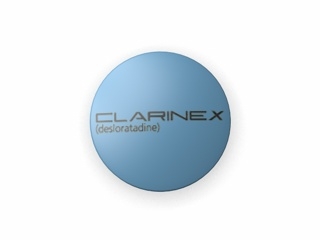


Clarinex (Desloratadine) – Allergy Relief for Adults and Children (UK)
Clarinex contains desloratadine, an antihistamine used to relieve the symptoms of allergy. It is commonly used for conditions such as allergic rhinitis (hay fever) and urticaria (hives/“nettle rash”).
This guide explains how Clarinex works, how to take it, what to expect, and important safety information. It is written for people in the United Kingdom and uses clear, practical language.
1) Basic product information
| Item | Details |
|---|---|
| Medicinal name | Clarinex |
| Active ingredient | Desloratadine |
| Type of medicine | Second-generation (non-sedating) antihistamine |
| Common uses | Allergic rhinitis (hay fever), urticaria (hives) |
| Typical effect | Relieves sneezing, itching, runny nose, and watery eyes; helps control hives |
| How it is taken | Oral tablets and, for some presentations, oral solution |
| Common dosing frequency | Once daily for most indications |
Availability and exact pack strengths can vary. Always check the pack label and leaflet for your specific product.
2) How Clarinex works (mechanism of action)
When you have allergies, your body releases histamine—a chemical that contributes to symptoms such as:
- itching of the nose, throat, eyes, or skin
- sneezing
- runny or blocked nose
- watery or itchy eyes
- swelling and hives on the skin
Desloratadine blocks histamine H1 receptors. By preventing histamine from acting on these receptors, it reduces allergic symptoms.
Desloratadine is often described as “non-drowsy” compared with older antihistamines, although individual responses can still vary.
3) Pharmacokinetics: how the body handles desloratadine
“Pharmacokinetics” refers to how medicine is absorbed, distributed, metabolised, and excreted. The following is a patient-friendly summary:
- Absorption: Desloratadine is absorbed after you take it by mouth. After a dose, levels in the body rise and peak within hours.
- Distribution: It circulates throughout the body, reaching sites where allergic symptoms occur.
- Metabolism: It is processed in the liver to some extent. Compared with some older medicines, it has relatively low interactions through certain metabolic pathways.
- Elimination: The medicine is removed from the body over time, meaning it can usually be taken once daily.
In practical terms, this “once-daily” pattern helps provide steady symptom relief across the day.
4) Typical uses and what it helps with
Allergic rhinitis (hay fever)
Clarinex is used to relieve symptoms of allergic rhinitis, which may be seasonal (e.g., pollen) or perennial (e.g., dust mites). Symptoms commonly include:
- sneezing
- itching of the nose
- runny nose
- itchy/watery eyes
- general nasal discomfort
Urticaria (hives / nettle rash)
Clarinex is also used for chronic urticaria (hives that come and go over time). It helps:
- reduce the number of hives
- reduce itching
- improve comfort and sleep quality
If your symptoms are severe, persistent, or suddenly worsening, seek medical advice promptly, as some causes of rash are not allergy-related.
5) When it starts working and timing tips
Many people notice symptom improvement after the dose, but the exact timing varies by person and by condition.
- Allergic rhinitis: relief may begin within a few hours of taking the dose.
- Urticaria: itching and swelling can improve within hours, with continued benefit over days.
For best results:
- Take it at the same time each day.
- If symptoms are triggered by a known exposure (for example pollen in the morning), consider taking it in the morning before the expected exposure if your usual routine allows.
- Continue taking it daily during the allergy season or as advised by your healthcare professional.
6) Food interactions: can you take Clarinex with meals?
Food is not usually a major issue with desloratadine. In most cases, you can take Clarinex with or without food.
If the medicine upsets your stomach (uncommon), try taking it with a light meal. Always follow the instructions on your specific pack.
7) Alcohol and medicine interactions
Alcohol
Clarinex is considered less likely to cause drowsiness than older antihistamines, but it can still affect some individuals. Because reactions vary, it is sensible to:
- avoid heavy alcohol intake when you first start the medicine
- do not drive or use machinery if you feel sleepy, slowed, or unsteady
Other medicines (general interaction advice)
Desloratadine has a relatively low risk of interactions for many commonly used medicines, but interactions can still occur. Tell a pharmacist or healthcare professional about:
- all medicines you take (including over-the-counter products and herbal remedies)
- any known allergies
- any liver or kidney problems
Particular caution is recommended if you take other medicines that cause sleepiness or act on the nervous system. While Clarinex is often “non-sedating,” combined effects can make some people feel more tired than expected.
8) Indications: who can take Clarinex?
Clarinex is indicated for:
- Allergic rhinitis (including seasonal and perennial forms)
- Urticaria (hives), including chronic urticaria
The age range and formulation depend on the product strength (tablet vs oral solution). Always check your pack for the approved age and dose.
9) Dosing: how to take Clarinex (UK guidance)
Clarinex is usually taken for allergy symptoms. Below is general guidance; always follow your own product label or leaflet.
Common dosing patterns
- Adults and adolescents (typically 12 years and over): usually 5 mg once daily.
- Children: dosing depends on age and product presentation (for example, some oral solution strengths allow tailored dosing).
If you are giving Clarinex to a child, it is especially important to measure the correct amount (particularly with oral solutions). Use the supplied dosing syringe/cup if provided.
Missed dose
If you miss a dose, take it when you remember unless it is close to your next scheduled dose. Do not take a double dose to make up for the missed one.
How long to use it
- Hay fever: often used throughout the allergy season or while symptoms are present.
- Urticaria: may be taken daily for a period to control hives; follow advice based on symptom control.
10) Safety profile: side effects and when to seek help
Medicines can affect people differently. Many people taking desloratadine experience no side effects or only mild effects.
Common or mild side effects
- headache
- dry mouth (occasionally)
- fatigue or sleep disturbance (uncommon)
- gastrointestinal discomfort (uncommon)
Stop and seek urgent advice if you get signs of a serious allergic reaction
Seek urgent medical help if you develop:
- swelling of the face, lips, tongue, or throat
- trouble breathing or wheezing
- severe rash or hives that rapidly worsen
- fainting or feeling severely unwell
Special groups who should be cautious
- Pregnancy and breastfeeding: discuss with a healthcare professional before using, especially if symptoms are severe or long-lasting.
- Children: ensure the correct age-appropriate formulation and dose.
- People with liver or kidney impairment: ask a pharmacist for tailored advice.
Driving and using machinery
Desloratadine is less likely to cause drowsiness, but some people may still feel tired. Avoid driving or operating machinery if you feel sleepy or not fully alert.
11) Practical use tips for better symptom control
Clarinex works by reducing the histamine response, but it is also helpful to combine medication with sensible allergy management.
Take it consistently
- For ongoing symptoms, take it daily rather than only when symptoms become severe.
- If you’re starting during peak pollen exposure, consider starting before the day’s symptoms are worst.
Reduce exposure where possible
- keep windows closed on high pollen days
- wash face/hands after outdoor activity
- rinse hair after being outdoors if pollen is a trigger
Understand the limits
If your main problem is nasal blockage, some people may need additional treatment such as nasal corticosteroid sprays, guided by a pharmacist or healthcare professional. Clarinex helps many allergy symptoms, but it may not fully relieve severe congestion for everyone.
12) Alternative options (UK) – what else might help?
If Clarinex is not sufficient or you prefer a different approach, several other options may be considered depending on your symptoms. A pharmacist can help match treatment to your pattern of allergy.
Other antihistamines
- Loratadine (another second-generation antihistamine)
- Cetirizine or Levocetirizine (may be slightly more likely to cause drowsiness in some people)
- Fexofenadine (often described as non-drowsy)
For allergic rhinitis symptoms
- Nasal corticosteroid sprays (often most effective for blocked nose and persistent symptoms)
- Saline rinses to clear allergens and mucus
- Eye drops for itchy/watery eyes
For hives (urticaria)
- another non-sedating antihistamine may be tried if one is not effective
- your clinician may review triggers and, if needed, adjust antihistamine strategy
Do not combine antihistamines unless advised, as it increases the chance of side effects.
13) Market and legal context in the United Kingdom
In the UK, antihistamines like desloratadine are regulated medicine products. Whether a specific Clarinex pack is classed as pharmacy-only or general sale depends on the product presentation, strength, and local supply decisions.
Pharmacies follow UK medicine supply and governance requirements, including:
- checking suitability based on age and medical history
- ensuring correct product strength and dosing
- providing patient information on safe use
- referral to healthcare professionals for complex symptoms (for example, severe or recurrent rash)
For allergic rhinitis and urticaria, national guidance emphasises stepped care—often starting with antihistamines and considering additional treatments (such as nasal corticosteroids for rhinitis) when symptoms persist.
Recent UK guidance (high-level)
Recent UK clinical practice generally supports:
- using modern (second-generation) antihistamines as a first-line option for histamine-driven symptoms
- prioritising nasal corticosteroids for persistent congestion and overall rhinitis control
- reviewing triggers and safety when using long-term treatment for chronic urticaria
Always rely on the advice of a pharmacist or healthcare professional for your specific health circumstances.
14) Delivery and availability (UK)
Clarinex is widely available through pharmacies and reputable online retailers in the UK. Availability may vary by:
- pack size and strength (for example, tablets vs oral solution)
- current demand during allergy seasons
- market supply schedules
Online pharmacies typically offer tracked delivery. Delivery times depend on your location and chosen service. When ordering, confirm:
- product strength and formulation match your needs
- correct age suitability
- delivery address and contact details for courier updates
If a product is temporarily out of stock, many UK retailers may provide restock updates or alternative options.
15) FAQ about Clarinex (Desloratadine)
Is Clarinex the same as desloratadine?
Yes. Clarinex is a brand name that contains the active ingredient desloratadine.
Will Clarinex make me drowsy?
Many people find desloratadine is less likely to cause drowsiness than older antihistamines. However, individual responses vary. If you feel sleepy, avoid driving or operating machinery.
How quickly does Clarinex work for hay fever?
Some people notice improvement within a few hours. Symptom control often becomes more consistent as allergy exposure continues and the medicine is taken regularly.
Can I take Clarinex with food or on an empty stomach?
Usually, yes—desloratadine can be taken with or without food. Choose what is easiest for your routine.
Can I drink alcohol while taking Clarinex?
Light or moderate alcohol may be tolerated by many people, but alcohol can increase the chance of feeling tired or less alert. Avoid heavy drinking and do not drive if you feel drowsy.
What if I miss a dose?
Take it when you remember unless it is near your next dose. Do not take a double dose.
Is Clarinex suitable for children?
It can be used in children, but the correct age limits and dose depend on the exact product and formulation. Check your pack and consider speaking to a pharmacist if you are unsure.
What should I do if my hives get worse?
If your urticaria worsens rapidly, becomes severe, or is accompanied by breathing difficulty, swelling of the face or throat, seek urgent medical help.
Can I use Clarinex for long-term allergy symptoms?
For many people, long-term use during a season or for chronic symptoms may be appropriate, but it should be reviewed if symptoms persist, change, or do not improve. A pharmacist can help you identify the best treatment plan.
What alternatives are there if Clarinex doesn’t work?
Options include other antihistamines or—especially for persistent nasal symptoms—adding or switching to a nasal corticosteroid spray. For hives, your healthcare professional may adjust the allergy plan.
Where can I find more detailed information?
The patient information leaflet in your medicine pack provides full details on warnings, side effects, and dosing for your specific strength.
Key takeaways
- Clarinex (desloratadine) is a second-generation antihistamine for allergy symptoms.
- It works by blocking histamine H1 receptors.
- It is commonly taken once daily and is usually taken with or without food.
- It may be less likely to cause drowsiness than older antihistamines, but caution is still sensible.
- For best results, combine medicine with practical allergy avoidance measures.
- If symptoms are severe, rapidly worsening, or associated with breathing difficulty or swelling, seek urgent help.