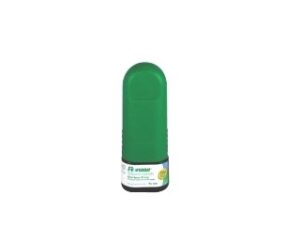
Flonase Nasal Spray (Fluticasone) — Patient-Friendly Guide (UK)
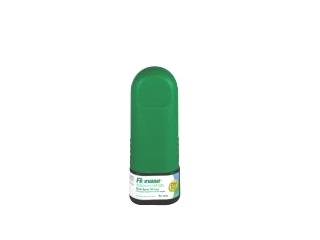
Flonase Nasal Spray contains fluticasone, a corticosteroid medicine used in the nose to help reduce inflammation and relieve symptoms caused by allergies. This guide explains how it works, how to use it effectively, what to expect, and key safety information for people in the United Kingdom.
If you have any concerns or existing medical conditions (for example, asthma, glaucoma, frequent nosebleeds, or immune problems), it is sensible to seek personalised advice from a pharmacist or healthcare professional.
1) Basic product information
| Feature | Details |
|---|---|
| Medicine | Flonase Nasal Spray |
| Active ingredient | Fluticasone (intranasal corticosteroid) |
| How it’s used | Sprayed into the nose (not for oral use) |
| Common purpose | Reducing allergic inflammation in the nasal passages |
| Typical symptom targets | Congestion, sneezing, runny/itchy nose, nasal blockage |
| Availability (UK) | Often available as an over-the-counter option (strengths and formats vary by brand/label) |
Note: Exact strength and dosing schedules can differ between products and pack types. Always follow the specific instructions on your Flonase package leaflet and label.
2) What Flonase is and how it works (mechanism of action)
Fluticasone is an intranasal corticosteroid. It reduces inflammation inside the nose. When allergies trigger symptoms, the lining of the nasal passages can become swollen and irritated. Fluticasone helps by:
- Reducing inflammatory signalling in the nasal mucosa
- Decreasing swelling that causes nasal blockage
- Improving airflow through the nasal passages
- Relieving symptoms such as sneezing, itching, and runny or blocked nose
Unlike some rapid-relief medicines, corticosteroid nasal sprays typically work best when used regularly. Many people notice improvement after the first day or two, but full benefit often takes several days (commonly up to about 1–2 weeks).
3) Pharmacokinetics (how the body handles it)
With nasal sprays, most of the dose acts locally in the nose. A portion may be swallowed and then broken down by the body. Key points (general principles for intranasal fluticasone):
- Local action: The medicine primarily targets nasal tissues.
- Systemic absorption: Only a small amount is absorbed into the bloodstream compared with oral corticosteroids.
- Metabolism: If absorbed or swallowed, fluticasone is metabolised mainly in the liver (primarily by CYP3A4).
- Excretion: Metabolites are eliminated largely via the gut and urine pathways.
Because systemic exposure is generally low when used as directed, the risk of widespread steroid effects is reduced—though not zero. Following the correct dose and technique is important.
4) What it’s used for (indications)
Flonase Nasal Spray is commonly used for conditions where nasal inflammation plays a key role, including:
- Allergic rhinitis (hay fever), for example seasonal or perennial allergies
- Symptoms of nasal allergy such as sneezing, itching, runny nose, and nasal congestion
In some cases, healthcare professionals may use intranasal corticosteroids for other forms of rhinitis where inflammation is thought to contribute. Follow your local product instructions and professional advice if you’re unsure.
5) Typical use & when you should start to feel better
Flonase works by suppressing inflammation. That means it’s usually most effective when used consistently rather than “only when symptoms are at their worst.”
How quickly it works
- First improvement: Some people notice benefits after 24 hours.
- More noticeable relief: Often within a few days.
- Full effect: Commonly around 1–2 weeks of regular use.
Seasonal allergy planning (UK guidance practice)
If your symptoms follow a predictable seasonal pattern (for example, tree or grass pollen), starting before the season begins can help reduce the build-up of symptoms. Your pharmacist can help you plan timing based on your usual allergy period.
6) Dosing (how much to use)
Dosing depends on your age, symptom severity, and the specific Flonase product you have. For patient safety, always check the label and leaflet for the exact regimen.
Typical dosing approach (general example for intranasal fluticasone):
- Adults and older children: Often start with a once-daily or split-dose schedule, depending on the formulation and strength.
- Children: Lower doses or age-specific instructions may apply.
Because product strengths can differ, this website description cannot replace the precise dosing instructions for your specific pack. If you tell us the strength/format on your label, your pharmacist can confirm the correct dosing schedule.
General principles for correct dosing
- Use the recommended number of sprays per day.
- Don’t increase the dose to “catch up” if symptoms persist—speak to a pharmacist or healthcare professional instead.
- Use consistently for best effect.
- Good technique improves results and reduces dripping into the throat.
7) Food interactions
Flonase is a nasal corticosteroid. Food does not usually affect how it works in the nose. Because a small part may be swallowed, there is still generally no major food–drug interaction expected for most people.
Practical tip: If you tend to taste the spray or experience throat irritation, rinsing your mouth or drinking water after using it can help.
8) Alcohol and medicine interactions
Alcohol
There are typically no specific direct interactions between intranasal fluticasone and moderate alcohol use. However, if you have other conditions (for example, asthma or frequent infections) or you’re taking other medicines, it’s wise to check with a pharmacist if you’re unsure.
Other medicines (important)
The metabolism of fluticasone involves CYP3A4. Medicines that strongly inhibit this enzyme may increase the amount of fluticasone absorbed into the bloodstream. This could raise the risk of steroid-related side effects.
Examples of medicines that may interact (speak to a pharmacist if you take any of these):
- Some antifungal medicines (for example, ketoconazole, itraconazole)
- Some antiviral medicines (for example, ritonavir-containing regimens)
- Other strong CYP3A4 inhibitors
Also consider interactions if you use other corticosteroids (tablets, inhalers, or steroid nasal sprays). Your overall steroid exposure may matter.
Tell your pharmacist if you use
- Other nasal sprays or antihistamines
- Inhaled steroids for asthma
- Tablet steroids or recent steroid courses
- Medicines for infections or long-term conditions
9) Safety profile (what to expect and who should take care)
Most people tolerate fluticasone nasal spray well when used correctly. As with all medicines, there can be side effects—usually mild and local to the nose.
Common side effects
- Nose irritation or a mild burning sensation
- Dryness in the nose
- Nosebleeds (often mild). If nosebleeds are frequent or heavy, stop and seek advice.
- Headache (sometimes)
- Sore throat or a bad taste if spray drips backward
Serious or urgent symptoms — seek medical advice
- Signs of severe allergic reaction (rash, swelling of face/lips, breathing difficulty)
- Persistent or severe nosebleeds
- Signs of infection in the nose or sinuses that worsen rapidly (significant pain, fever, purulent discharge)
- Visual changes or severe eye pain (especially if you have risk factors like glaucoma)
Who should take extra care
- Children — use only if age and dosage match the product label
- People with frequent nosebleeds or nasal ulcers
- Those with recent nasal surgery or injury
- People with untreated infections (including certain viral infections)
- People already using steroid medicines (inhalers/tablets/other steroids)
- People with eye conditions such as glaucoma
If you have been using another steroid medicine and you switch to Flonase, do so according to advice—stopping or changing steroid treatment can affect the body in some circumstances.
10) Practical use tips (technique that improves results)
The spray technique strongly influences how much medicine reaches the correct areas of the nose. Follow these steps for best results.
Before you start
- Gently blow your nose to clear excess mucus (if comfortable).
- Check the bottle and shake if your leaflet instructs you to.
- Keep the nozzle clean and avoid touching the tip with fingers.
How to use the nasal spray
- Stand upright and tilt your head slightly forward.
- Insert the nozzle into one nostril while keeping the other nostril partly closed with a finger.
- Point the nozzle slightly outward (towards the ear), not straight up the middle of the nose.
- Breathe in gently through the nose as you press the spray.
- Keep breathing in slowly and avoid sniffing hard.
- Repeat for the other nostril if your dose requires it.
- Wipe the nozzle and close the cap.
After using
- Try to avoid blowing your nose immediately after spraying.
- If you taste medicine or experience throat irritation, drink water or rinse your mouth.
When the bottle is new or hasn’t been used
Most nasal sprays require a priming step when first used or after a long gap. Check your leaflet for the exact number of test sprays and timing.
Storage
- Store at room temperature and protect from extremes of heat.
- Keep out of reach of children.
11) Alternative options (what you can consider)
If Flonase doesn’t control symptoms sufficiently, or if you prefer an alternative approach, there are other options commonly used in the UK. The best choice depends on the type of rhinitis, symptom pattern, and your medical history.
Other common medicine categories
- Antihistamine tablets (e.g., non-drowsy options) for sneezing/itching/runny nose
- Antihistamine nasal sprays for rapid relief in some people
- Other intranasal corticosteroids (different brands/formulations of steroids in the nose)
- Saline rinses or sprays to clear mucus and soothe irritation (often used alongside steroid sprays)
- For short-term nasal blockage: decongestant sprays may help briefly, but they should not be used for long periods due to rebound congestion risks
Some people benefit from combining a nasal steroid with an antihistamine, particularly when symptoms include strong itching and watery discharge. A pharmacist can advise based on your pattern of symptoms.
12) Market & legal context in the United Kingdom
In the UK, intranasal corticosteroid sprays for allergic rhinitis are widely available through community pharmacies. Whether a specific product is over-the-counter or restricted can vary by strength, formulation, and manufacturer.
Pharmacies must ensure compliance with UK regulations for medicines supply, labelling, and patient safety information. You’ll generally find:
- Clear dosing directions on the pack and patient leaflet
- Warnings about correct use, duration, and side effects
- Advice on when to seek medical attention
- Information about storage and safe disposal
If you’re buying from an online pharmacy, confirm the product matches your intended strength and age group. Always check expiry date and packaging integrity when it arrives.
13) Recent guidance and what it means for you
NHS and allergy management advice commonly emphasises that:
- Intranasal corticosteroids are effective first-line options for moderate to severe allergic rhinitis.
- Regular use is key—stopping after a day or two can reduce benefit.
- Technique matters (aim, breathing in gently, and not sniffing hard).
- Review if not improving after an appropriate trial, as incorrect technique, too low a dose, or an incorrect diagnosis can be factors.
If your symptoms persist, you may need a review of triggers (pollen, dust mites, mould, pets), possible comorbid asthma, or other contributing conditions such as sinusitis.
14) Delivery, availability, and getting the most from your order (UK online pharmacy)
Flonase Nasal Spray is typically available through online pharmacies in the UK, subject to stock and product variant. Delivery timelines vary by provider and location.
What to check on arrival
- Correct product name and strength
- Expiry date
- No visible damage to the bottle or nozzle
- Leaflet included (or accessible via the pack)
Availability
Stock may vary during peak allergy seasons. If you use it long-term during allergy seasons, consider ordering early to avoid delays.
15) Frequently Asked Questions (FAQ)
How long does it take for Flonase to work?
Many people feel some improvement within 24–48 hours, but the full effect usually takes several days and can be up to 1–2 weeks with regular use.
Can I use Flonase every day?
It’s often used daily for allergic rhinitis, particularly during allergy seasons or for ongoing symptoms. Follow the dosing on your pack or leaflet. If you’re unsure about duration, speak to your pharmacist.
What if my symptoms don’t improve?
Check your technique and ensure you’re using it consistently. Also consider whether your symptoms may be driven by factors other than allergy (for example, infection or non-allergic rhinitis). If symptoms remain troublesome after an appropriate trial, get advice.
Can I take it with antihistamines?
Often yes. Many people use an antihistamine alongside a nasal steroid for better control, especially early in treatment. Always check labels and ask a pharmacist if you take other medicines.
Is it safe to use with asthma inhalers?
Many people who have both allergic rhinitis and asthma use inhaled steroids alongside intranasal steroids. Tell your pharmacist if you use inhalers, especially steroid inhalers, so your overall steroid exposure can be considered.
Will Flonase cause addiction or stop working if I use it long-term?
Intranasal corticosteroids are not typically considered “addictive.” However, symptoms may return if you stop the medicine and the underlying triggers remain. Discuss long-term plans with a pharmacist or healthcare professional.
Can I use it for children?
Only use in children if the product label and age instructions allow it, and if dosing matches the child’s age. Always supervise use and ensure correct spray technique.
What side effects are most common?
The most common are nose irritation, dryness, mild nosebleeds, and occasionally a sore throat or bad taste. If nosebleeds are frequent or severe, seek advice.
Can I use it if I have a nosebleed?
Mild spotting may occur. If you experience significant or repeated nosebleeds, stop and seek advice before continuing.
Do I need to avoid any foods or drinks?
No specific food restrictions are usually needed. If you feel it dripping into your throat, drinking water after use may help.
Is it okay to drink alcohol?
Moderate alcohol consumption is generally not expected to interact directly with intranasal fluticasone. If you take other medicines or have medical conditions, consult a pharmacist for personalised advice.
What medicines can interact with Flonase?
Because fluticasone is metabolised by CYP3A4, strong inhibitors of this enzyme (for example, certain antifungals or antivirals) may increase steroid levels. Let your pharmacist know all medicines you take, including prescription and over-the-counter products.
How should I store it and when should I replace it?
Store as directed on the pack (generally at room temperature). Replace the bottle if it reaches its expiry date. If the nozzle becomes blocked, follow the leaflet cleaning instructions rather than using sharp objects.
When should I seek urgent medical help?
Seek urgent advice if you develop symptoms of a severe allergic reaction, severe or persistent nosebleeds, or worsening signs of infection.
16) Summary
Flonase Nasal Spray (fluticasone) is a nasal corticosteroid commonly used in the UK to treat allergic rhinitis symptoms such as congestion, sneezing, itching, and a runny nose. It works by reducing inflammation in the nasal passages. For best results, use it consistently and apply the correct technique. Most side effects are mild and local, but you should seek advice if symptoms worsen, if nosebleeds are frequent, or if you have concerns about interactions or underlying conditions.