
Clotrimazole: Patient Information (UK)
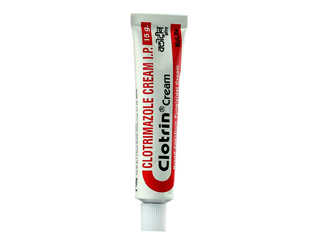
Clotrimazole is an antifungal medicine used to treat a range of fungal skin and mucosal infections. It is available in several forms (commonly creams, pessaries, and oral preparations depending on the condition). This page explains what clotrimazole does, how it works, how to use it safely and effectively, and what to expect during treatment.
Quick overview
- Active ingredient: Clotrimazole
- Type of medicine: Antifungal (imidazole)
- Common forms: Cream/ointment, vaginal pessary (where supplied for use), oral preparations (for specific conditions)
- Typical use: Athlete’s foot, ringworm, jock itch, thrush and other fungal infections
- Where it works: Localised infection areas (skin or mucous membranes)
- How it’s taken: Applied to the affected area or used as directed for mucosal infections
Basic product information
What clotrimazole is used for
Clotrimazole works against many common fungal organisms, including tinea (dermatophytes) and Candida (yeasts). It may be used for conditions such as:
- Skin fungal infections: athlete’s foot (tinea pedis), ringworm (tinea corporis), jock itch (tinea cruris)
- Groin and body fold infections: fungal infections of the skin folds
- Vaginal thrush: fungal overgrowth in the vagina (depending on the product and formulation)
- Oral thrush: fungal infection in the mouth (for products that are indicated for this)
Available strengths and presentations
In the UK, clotrimazole is sold under different brand names and strengths depending on the form (for example, creams and pessaries). Always check the package for:
- the exact strength (e.g., mg/g for creams, mg for pessaries)
- the recommended treatment duration for the specific condition
- the age group for which it is suitable
- the route of administration (skin vs vaginal vs oral)
Mechanism of action
Clotrimazole is an imidazole antifungal. It works by interfering with fungal cell membrane production. In practical terms, it helps stop the fungus from maintaining its protective cell membrane, which can prevent growth and allow the infection to clear.
Depending on the fungal species and dose, clotrimazole can have fungistatic (stops growth) and fungicidal (kills) effects. For skin infections, consistent application is key to reaching and controlling the fungus in the affected layers of skin.
How clotrimazole works in the body (pharmacokinetics)
Pharmacokinetics describes what the body does to a medicine. With clotrimazole:
- Local action: Most clotrimazole products are used at the site of infection, so overall absorption is generally low.
- Skin absorption: Absorption through intact skin is limited. Absorption may be higher on inflamed or broken skin.
- Metabolism: After absorption, clotrimazole is metabolised in the liver.
- Elimination: Metabolites are eliminated primarily via the kidneys and/or bile (depending on individual factors and route).
Because systemic exposure is usually low, clotrimazole is generally well tolerated for the majority of people when used as directed.
Typical use in the UK
Which conditions does it treat?
| Condition | Common symptoms | How clotrimazole is commonly used | Important notes |
|---|---|---|---|
| Athlete’s foot (tinea pedis) | Itching, scaling, cracked skin between toes or on soles | Clotrimazole cream applied to affected feet and surrounding skin | Keep feet dry; treat both feet if both are affected |
| Ringworm / tinea corporis | Ring-shaped rash, redness, itch, raised edges | Clotrimazole cream to the rash area | Continue for the full course even when it looks better |
| Jock itch (tinea cruris) | Itchy rash in groin, inner thighs; redness/scaling | Clotrimazole cream to the affected area | Keep the area dry; avoid tight clothing |
| Vaginal thrush (Candida) | Itching, soreness, redness, thick discharge (may vary) | Vaginal pessary/tablet or intravaginal cream as supplied for thrush | Check the product label for regimen and technique |
| Oral thrush (Candida) | White patches in the mouth, soreness, altered taste | Oral preparation (product-specific) | Maintain good oral hygiene; dentures may need cleaning |
Timing: when and how to use it
Timing depends on the product and the condition. Always follow your specific pack instructions. In general:
- Skin infections: Often used once or twice daily depending on the strength and regimen.
- Vaginal/oral preparations: Often used once daily or at set intervals as indicated.
- Typical course length: Many fungal rashes improve within days, but treatment often needs to continue for 1–4 weeks depending on the diagnosis and regimen.
A helpful approach is to apply the medicine at the same time each day and keep going for the full course to reduce the risk of recurrence.
Dosing: how much to use
The exact dose varies by formulation and indication. Below are general guidance principles commonly used for clotrimazole creams on skin. Always confirm the dosing instructions on the package leaflet for your product.
General dosing principles for clotrimazole cream (skin)
- Clean and dry: Wash gently and pat the area dry before application.
- Apply a thin layer: Cover the affected area and a small margin of surrounding skin (often about 1–2 cm) to ensure fungal colonies at the edge are treated.
- Frequency: Follow the label (commonly once or twice daily).
- Duration: Continue for the full course, even if symptoms ease early.
Dosing for vaginal thrush and oral thrush
Vaginal and oral preparations require specific regimens based on the product strength and form. Commonly, these are described as a set number of doses over a few days or for up to a couple of weeks. Use the applicator if provided and follow:
- how to insert (for vaginal products)
- how often to use each day
- the minimum number of days/weeks required
- instructions about menstruation or if symptoms persist
If you are unsure which regimen applies to your exact product, check the leaflet or speak to a pharmacist.
Indications: when clotrimazole is appropriate
Clotrimazole is indicated for fungal infections that are susceptible to clotrimazole. Typical examples include dermatophyte infections of the skin and Candida-related infections of mucous membranes (depending on the product type).
It is not intended for bacterial infections, viral conditions, or general “rashes” with an unknown cause. If you are not sure the rash is fungal, it can help to get advice before continuing treatment for a prolonged period.
Practical use tips (to improve results)
- Apply to clean skin: Moisture can worsen fungal growth. Dry the area thoroughly before using the cream.
- Don’t stop early: Symptoms may improve quickly, but the fungus can persist. Complete the course.
- Wash hands: After applying, wash your hands unless treating your hands directly.
- Use separate towels: This can help prevent spreading fungus between body areas or to other people.
- Keep the area breathable: Wear loose cotton underwear or clothing for groin infections.
- Footwear and socks: Change socks daily; consider rotating shoes so they dry out.
- For athlete’s foot: Treat between toes and the soles/edges where affected.
- For dentures: If using for oral thrush, dentures should be cleaned regularly and removed overnight unless advised otherwise.
Safety profile
Clotrimazole is generally well tolerated. Side effects are usually mild and local, especially for topical products. Stop using the medicine and seek medical advice if you experience severe or worsening reactions.
Common side effects
- Local irritation (such as burning or stinging)
- Redness or mild swelling
- Itching at the application site
- Dry skin or mild peeling
Serious allergic reactions (seek urgent advice)
Rarely, clotrimazole can cause an allergic reaction. Get urgent help if you develop:
- swelling of the face, lips, or throat
- difficulty breathing
- widespread rash or hives
Who should take extra care?
- Eye exposure: Do not apply to eyes. If accidental contact occurs, rinse with water.
- Broken skin: Avoid excessive application on large open wounds unless directed.
- Pregnancy and breastfeeding: Many clotrimazole products are used in pregnancy and breastfeeding, but always check the product leaflet and ask a pharmacist for personalised advice.
- Children: Some products are suitable for children; age restrictions may apply depending on the formulation.
- Recurrent infections: If infections keep coming back, you may need an underlying cause assessed (for example, diabetes).
Food interactions
Food interactions are generally minimal for topical clotrimazole products because absorption is low. For oral preparations, food does not usually have a major effect on how clotrimazole works, but the product leaflet may include specific advice.
General guidance
- If using an oral preparation for thrush, follow any instructions about eating or rinsing before/after dosing.
- For creams or pessaries, no meaningful food interaction is typically expected.
Alcohol and medicine interactions
Clotrimazole is not generally associated with clinically important alcohol interactions. However, always check:
- the product leaflet for your exact formulation
- any other medicines you are using (especially other vaginal products or treatments)
Important medicine interactions (general)
For most topical clotrimazole uses, significant interactions are unlikely due to limited systemic absorption. For any clotrimazole product, it is still wise to tell a pharmacist if you are taking:
- other antifungals or steroid-containing creams
- medicines that affect the immune system
- multiple products applied to the same area
If you are using a steroid cream alongside clotrimazole (not recommended unless advised), this may worsen fungal infections. Only use steroid creams if a healthcare professional has instructed you to do so.
What to do if symptoms don’t improve
Fungal infections often improve within days, but full clearance may take longer. Consider advice if:
- your symptoms do not improve after the first few days
- the rash spreads or becomes painful, oozing, or heavily inflamed
- you complete the course and symptoms return quickly
- you are getting recurrent infections
Alternative options for fungal infections
Depending on the type and location of the fungal infection, other antifungals may be suitable. Options often include:
- Terbinafine: commonly used for athlete’s foot and other dermatophyte infections
- Miconazole: another antifungal used for skin and some vaginal thrush treatments
- Ketoconazole: in some skin formulations (availability and indications vary)
- Nystatin: used in some situations for Candida (availability varies)
Choice depends on the specific diagnosis, severity, location, and product availability. A pharmacist can suggest the most appropriate option.
Market and legal context in the United Kingdom
In the UK, medicines containing clotrimazole are available through different routes depending on formulation, strength, and licensing. Many antifungal clotrimazole products can be purchased from pharmacies and selected retailers, with instructions provided in the packaging and/or patient leaflet.
When buying online, reputable UK pharmacy suppliers provide clear product information, patient leaflets, and appropriate guidance on usage, suitability, and when to seek advice.
How recent guidance may affect clotrimazole use
UK public guidance on fungal infections generally emphasises:
- confirming the likely cause of a rash or symptoms where possible
- using the correct antifungal for the infection type
- completing the full course to reduce relapse
- seeking professional advice if symptoms persist, worsen, or infections recur
Local antimicrobial stewardship principles encourage appropriate self-care for mild, typical cases and escalation when needed. If you are unsure whether your symptoms are fungal, getting advice can save time and avoid unnecessary treatment.
Delivery and availability (UK online pharmacy)
Clotrimazole products are widely available in the UK. Delivery options vary by provider, but commonly include:
- Standard delivery: typically a few working days
- Express delivery: faster options depending on postcode and stock
- Order tracking: many suppliers provide dispatch notifications and tracking details
Availability can depend on stock levels and the exact product form (cream vs pessary vs oral preparation). Before ordering, check:
- the name and form you need
- the strength and treatment regimen
- the expiry date indicated for the batch you will receive
- any age restrictions on the packaging
Storage instructions
- Store according to the pack instructions (often at room temperature).
- Keep out of sight and reach of children.
- Do not use after the expiry date on the pack.
Frequently asked questions (FAQ)
1) Is clotrimazole safe to use?
For most people, clotrimazole is safe when used as directed. Side effects are usually mild and local (such as irritation). Seek urgent advice for signs of allergy (for example, swelling of the face or trouble breathing).
2) How long should it take to work?
Many fungal infections start improving within a few days. However, the fungus may take longer to clear. Follow the full course recommended for your specific product and condition, even if symptoms improve early.
3) Can I stop once the symptoms disappear?
It is better not to stop early. Stopping too soon can allow remaining fungus to regrow, leading to recurrence. Complete the full treatment duration on the pack leaflet.
4) What if my rash looks better but is not fully gone?
Continue treatment for the full course. If the rash persists after finishing the course, or keeps returning, consider speaking to a pharmacist or another healthcare professional for confirmation of the diagnosis.
5) Can clotrimazole be used on the face?
Some fungal rashes occur on the face, but products vary in suitability. Use only if the product leaflet indicates it is appropriate for facial use, and avoid contact with eyes.
6) Is clotrimazole the same as an antibiotic?
No. Clotrimazole is an antifungal medicine. Antibiotics treat bacterial infections and do not work against fungi. Using the wrong type of medicine can delay recovery.
7) Can I use clotrimazole if I’m pregnant or breastfeeding?
Many people can use clotrimazole during pregnancy or breastfeeding, but it depends on the product and the condition. Check the patient leaflet and ask a pharmacist if you are unsure—especially for vaginal or oral products.
8) Is there any interaction with alcohol?
Clotrimazole is not generally associated with clinically important interactions with alcohol. If you are using another medicine alongside clotrimazole, it’s still sensible to review potential interactions in the product leaflet or ask a pharmacist.
9) Can clotrimazole be used with other creams?
Avoid mixing products in the same area unless the leaflet or pharmacist advises it. Some ingredients (especially steroid-containing creams) can worsen fungal infections if used incorrectly. If you want to use another product, seek advice first.
10) How can I prevent recurrence of fungal infections?
Useful steps include keeping the area dry, changing socks and underwear regularly, using separate towels, and treating any affected household areas when appropriate. If you get frequent recurrences, consider advice to identify underlying causes (for example, diabetes).
11) When should I seek professional advice?
Seek advice if symptoms are severe, spreading quickly, very painful, oozing, or if you have no improvement after a suitable trial. Also get advice if you are immunocompromised, have diabetes, or the infection keeps returning.
Important reminders
- Follow the pack instructions for your exact clotrimazole product.
- Complete the course even if you feel better.
- Confirm the likely diagnosis if symptoms persist—some non-fungal conditions can look similar.
- Contact a pharmacist if you are unsure about suitability, dosing, or switching products.