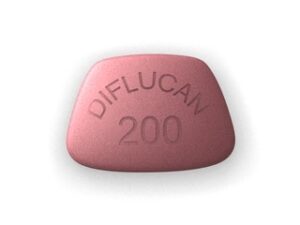

Fluconazole (Fucazole®/Diflucan® and other brands) – Patient Information (UK)
Fluconazole is an antifungal medicine used to treat infections caused by fungi such as Candida (yeast) and certain other organisms. It is taken by mouth for many common fungal infections and may also be used in more serious cases under specialist care. This guide explains what fluconazole does, how it works, how to take it safely, and what to expect during treatment in the United Kingdom.
Quick product overview
| Category | Details |
|---|---|
| Medicinal product | Fluconazole (antifungal) |
| Common forms | Tablets, capsules, oral suspension (depending on brand) |
| Typical use | Treatment of fungal infections (e.g., oral thrush, vaginal thrush, some systemic fungal infections) |
| How it’s taken | By mouth; sometimes a longer or repeated schedule for certain infections |
| UK availability | Available through pharmacies and online medicine suppliers; some products may be prescription-only depending on strength/form |
How fluconazole works (mechanism of action)
Fluconazole belongs to the azole antifungal medicines. It works by blocking the production of ergosterol, an essential component of fungal cell membranes. Without ergosterol, the fungal cell membrane becomes weak and the fungus cannot grow or survive effectively.
In simple terms: fluconazole targets the fungal cell’s “protective barrier”, helping to stop the infection.
Pharmacokinetics: how the body handles fluconazole
Understanding how fluconazole behaves in the body can help you feel confident about timing and expectations.
- Absorption: Fluconazole is generally well absorbed after oral doses. It is not usually significantly affected by typical meal patterns.
- Distribution: It spreads into body fluids and tissues. It can reach sites such as the mouth/throat and, depending on the infection, other areas.
- Metabolism: A portion is metabolised in the liver.
- Elimination: Most is removed from the body via the kidneys.
- Half-life: Fluconazole has a long half-life (roughly around 20–40 hours in adults), which is one reason it can often be taken once daily or using specific schedules (e.g., single-dose regimens for some vaginal thrush).
Typical uses in the UK
Fluconazole may be used for a range of fungal infections, including those due to Candida. Your treatment choice depends on the type and severity of infection, your medical history, and your other medicines.
Common indications
- Vaginal candidiasis (vaginal thrush)
- Oropharyngeal candidiasis (oral thrush), including soreness and white patches in the mouth
- Oesophageal candidiasis (thrush in the food pipe), usually requiring medical assessment
- Candidiasis in other sites as directed by clinicians
- Systemic or invasive fungal infections in certain circumstances
- Maintenance or prevention of recurrent infections in some at-risk people
Important: Not all “itchy” or “discharge” symptoms are fungal. If symptoms do not improve, worsen, or there is uncertainty about the cause, it’s important to seek appropriate medical advice for diagnosis and guidance.
When to take fluconazole (timing and schedule)
The exact timing and duration depend on the infection being treated. Many regimens are once daily or single-dose approaches for certain uncomplicated cases, but other infections need longer courses.
General timing tips
- Take it at the same time each day (if using daily dosing) to keep levels steady.
- Finish the full course even if symptoms improve early. Stopping early can allow infection to return.
- Follow the regimen on the label provided with your specific product strength and formulation.
Dosing: common adult regimens (examples)
Dosing varies widely by infection type and severity. The information below is an overview of typical adult regimens; your prescriber/pharmacist’s advice and the product instructions should always take priority.
Example regimens
- Uncomplicated vaginal thrush: often a single oral dose (commonly 150 mg) for some adults.
- Oropharyngeal (oral) thrush: commonly daily dosing for around 7–14 days, depending on response and immune status.
- Oesophageal candidiasis: commonly daily dosing for at least 14–21 days, but treatment duration is individualised.
- Invasive/systemic candidiasis: dosing may be higher and treatment may be longer, guided by clinical assessment.
- Prevention/maintenance for recurrent disease: regimens may be intermittent or longer-term under specialist review.
Special populations: Dose adjustments may be needed for people with kidney impairment. In liver disease, extra caution is necessary.
If you miss a dose
- If you remember on the same day, take it as soon as practical.
- If it’s close to the next scheduled dose, skip the missed dose.
- Do not take a double dose to make up for a missed one.
Food interactions: can you take fluconazole with meals?
Fluconazole is generally compatible with food. In most people, eating does not require a special schedule.
- With food: usually safe to take with or without meals.
- Stomach upset: if you experience nausea, taking it with food may help.
- Consistency: if you have a sensitive stomach, choose a consistent approach (with meals or without meals) and stick to it.
If you are taking other medicines at the same time, the more important issue is often drug–drug interactions, not food.
Alcohol and medicine interactions
Fluconazole is metabolised by the liver. Alcohol can also affect the liver, and drinking may increase the chance of liver-related side effects.
Practical advice on alcohol
- Best option: avoid alcohol while you’re taking fluconazole, especially if you drink regularly.
- Occasional small amounts: may be tolerated by many people, but avoid binge drinking.
- Stop and seek advice: if you develop symptoms suggesting liver problems (see “Safety profile” below).
Drug interactions are often more significant than alcohol
Some medicines can interact strongly with fluconazole, affecting heart rhythm, drug levels, or bleeding risk. Always check your full list of medicines with a pharmacist, including:
- other antifungals
- warfarin and other anticoagulants
- certain heart rhythm medicines
- some anti-epileptics
- some anti-HIV and other specialist medicines
- some immunosuppressants
- steroids like prednisone (in some situations)
If you’re unsure whether a medicine interacts with fluconazole, it’s safest to ask.
Medicine interactions: important safety information
Fluconazole can change how the body processes other medicines by affecting certain liver enzymes. This can lead to higher or lower levels of other drugs in your blood, increasing side effects or reducing effectiveness.
Common interaction themes
- Anticoagulants (e.g., warfarin): fluconazole can increase bleeding risk by raising warfarin effect. Monitoring may be needed.
- Heart rhythm medicines: some medicines with QT prolongation risk can interact, increasing risk of abnormal heart rhythm.
- Oral diabetes medicines: sometimes influence blood sugar; monitoring may be required.
- Other medicines metabolised by the liver: fluconazole can raise levels of some drugs and lower levels of others depending on the medicine.
- Rifampicin: can reduce fluconazole levels, potentially making it less effective.
Action: tell your pharmacist or healthcare professional about all medicines you use, including over-the-counter treatments, herbal products (such as St John’s wort), vitamins, and supplements.
Safety profile: side effects and when to seek help
Like all medicines, fluconazole can cause side effects. Many people experience no or mild effects, but it’s important to know what to watch for.
Common or mild side effects
- headache
- nausea or stomach discomfort
- diarrhoea
- feeling generally unwell
- abnormal taste (sometimes)
- mild rash
Seek urgent medical advice if you have
- swelling of the face/lips or trouble breathing (possible allergic reaction)
- severe blistering rash, peeling skin, or sores in the mouth/eyes
- yellowing of the skin or eyes (jaundice), dark urine, severe fatigue, or persistent upper abdominal pain (possible liver problem)
- fainting, severe dizziness, or a fast/irregular heartbeat
- symptoms of severe infection that are worsening despite treatment
Who should be extra cautious?
- Liver disease or a history of abnormal liver tests
- Kidney impairment (dose adjustments may be necessary)
- Multiple interacting medicines, particularly those affecting heart rhythm or clotting
- People who have previously experienced serious skin reactions to similar medicines
- Pregnancy: dosing choices should be discussed carefully (see “Pregnancy and breastfeeding” below).
Practical use tips (get the most from treatment)
- Don’t rely on symptoms alone: thrush-like symptoms can also occur with other conditions. If symptoms persist, recur frequently, or are severe, get proper advice.
- Complete the course: infections may improve before they fully clear.
- Keep the area dry and comfortable: for vaginal thrush, wearing breathable cotton underwear and avoiding tight, synthetic clothing may help symptom comfort.
- Hygiene considerations: wash hands after using any topical products, and avoid sharing towels.
- Consider other causes of recurrence: diabetes, recent antibiotics, hormonal factors, immune suppression, and irritant products can contribute to recurring thrush.
- If you use dentures (for oral thrush): clean dentures regularly and allow them to dry as recommended.
- Track response: if you have no improvement within the expected timeframe, seek advice.
Pregnancy and breastfeeding (general UK patient guidance)
Fluconazole’s use in pregnancy and breastfeeding depends on the dose, the infection being treated, and the risks/benefits. Because antifungals can have different safety profiles, it’s important to obtain individual advice.
- Pregnancy: speak to a healthcare professional before using fluconazole.
- Breastfeeding: discuss suitability with a clinician or pharmacist, especially for higher doses or repeated courses.
If you become pregnant during treatment, contact a healthcare professional for guidance promptly.
Alternative options for fungal infections
Depending on the type of fungal infection, alternatives may include topical (local) antifungals, different oral agents, or further diagnostic testing. Alternatives can be appropriate if fluconazole is not suitable or if infection does not respond.
Common alternatives (examples)
- Topical antifungals (for some cases of vaginal/oral thrush), such as clotrimazole or miconazole products.
- Other oral antifungals used for selected infections, depending on local protocols and susceptibility.
- Treatment of contributing factors (e.g., managing diabetes, reviewing antibiotic exposure, addressing irritants).
If you have recurrent thrush, persistent symptoms, or symptoms that keep returning, your pharmacist/GP can help ensure you receive the most appropriate approach.
Recent guidance and UK context (market and legal information)
In the United Kingdom, antifungal medicines are supplied in different ways depending on the product and patient circumstances. Community pharmacy services follow established clinical guidance intended to support appropriate use and reduce risk from unnecessary antifungal treatment.
- Appropriate use: people should not self-treat repeatedly without review if symptoms recur or do not improve.
- Medicines optimisation: pharmacists may ask about your symptoms, duration, other medicines, medical conditions, and history of allergies before recommending a product or regimen.
- Safety checks: interactions, liver/kidney status, and pregnancy/breastfeeding considerations are often reviewed.
Supply and availability can vary by strength, formulation (tablet/capsule/suspension), and whether a product is available for over-the-counter use or via pharmacist-led pathways.
Delivery and availability from a UK online pharmacy
Many online pharmacy services in the UK deliver antifungal medicines to eligible postcodes. Availability depends on local supply and the specific product strength. When ordering, you should expect:
- Product options: different brands and pack sizes may be available.
- Cold chain: fluconazole is usually not temperature-sensitive, but always store as directed on the packaging.
- Discreet delivery: packaging is typically plain to support privacy.
- Delivery times: commonly next-day or within a few working days depending on the service selected.
If you need urgent treatment, choose the fastest delivery option available and check the estimated delivery time at checkout.
Storage and handling
- Store at the temperature stated on the pack.
- Keep out of sight and reach of children.
- Check expiry before use.
- Oral suspension: if included with your brand, shake well and follow “use by” guidance after opening.
FAQ: fluconazole (UK)
1) Is fluconazole the same as antifungal creams?
Fluconazole is an oral antifungal. Creams and pessaries are topical antifungals used directly in or on the affected area. Which is best depends on the infection site and severity.
2) How quickly will I feel better?
Many people notice symptom improvement within a few days, but complete resolution can take longer. If symptoms do not start improving within the expected timeframe, seek advice—especially for recurrent or persistent symptoms.
3) Can I take fluconazole with food?
Yes. Fluconazole is usually safe to take with or without food. If you feel nauseous, taking it with food may help.
4) Can I drink alcohol while taking fluconazole?
It’s generally advisable to avoid alcohol during treatment, as both alcohol and fluconazole can affect the liver. If you choose to drink, keep it minimal and avoid binge drinking.
5) What if I’m on warfarin?
Fluconazole can increase the effect of warfarin, raising bleeding risk. If you take warfarin, you should discuss fluconazole with a healthcare professional, and you may need closer blood test monitoring.
6) Are there interactions with other medicines?
Yes. Fluconazole can interact with many medicines, including some used for heart rhythm, anticoagulation, seizures, and HIV. Provide your full medicine list to a pharmacist to check suitability.
7) Can I use fluconazole for recurrent thrush?
Recurrent symptoms should be reviewed because the cause may not always be simple thrush, and recurring infections can be linked to conditions such as diabetes or other health factors. Ask for guidance rather than repeating treatment indefinitely.
8) What should I do if my symptoms return after treatment?
If symptoms return soon after finishing fluconazole, you should seek medical advice. Treatment may need to be adjusted, repeated, or changed, and contributing factors may need investigation.
9) When should I stop taking fluconazole and seek help?
Stop and seek urgent advice if you develop signs of an allergic reaction, severe rash, blistering skin, or symptoms suggesting liver problems (yellowing eyes/skin, dark urine, severe fatigue, or persistent abdominal pain).
10) Is fluconazole suitable for children?
Fluconazole can be used in children in appropriate circumstances, but dosing and choice of formulation must be determined by a clinician. If the medicine is being considered for a child, consult a healthcare professional for correct dosing.
Summary
Fluconazole is an oral antifungal medicine used to treat infections—often caused by Candida—such as vaginal thrush and oral thrush. It works by disrupting the fungal cell membrane. It has well-established absorption and a long half-life, which supports convenient dosing schedules. While it is generally taken with or without food, interactions with other medicines (especially warfarin and certain heart rhythm medicines) can be important. If symptoms do not improve as expected, recur frequently, or you experience any concerning side effects, seek timely advice.
Always follow the instructions on your product packaging and check with a healthcare professional if you are unsure whether fluconazole is suitable for you.