Colcrys (Colchicine) — Patient Guide (UK)
Colcrys contains colchicine, a medicine used to treat and prevent certain painful inflammatory conditions, most commonly
This guide explains how Colcrys works, how it’s used, common precautions, and practical information to help you use the medicine safely. If you have questions about whether Colcrys is suitable for you, speak to a healthcare professional.
Quick facts
- Active ingredient: Colchicine
- Brand: Colcrys
- Uses: Gout flares and prevention of flares in some people; also used for certain inflammatory conditions (as advised by a clinician)
- How it works: Reduces inflammatory activity in affected tissues
- Key safety points: Dose matters; interactions with certain medicines can be serious
- Common side effects: Diarrhoea, nausea, abdominal pain
Basic product information
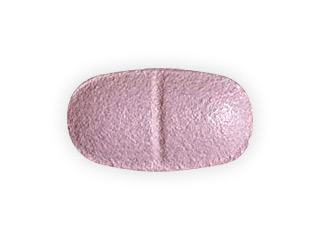
Colcrys (colchicine) is supplied in tablets. Strengths may vary by product presentation. Your pharmacist can confirm the strength you have and how to take it.
In the UK, colchicine is available under medical supervision for the treatment of specific conditions. Availability may vary by pharmacy and stock.
How Colcrys works (mechanism of action)
Colchicine is an anti-inflammatory medicine. It interferes with part of the body’s inflammatory response by affecting microtubules—structures within cells that are important for cell movement and inflammatory signalling.
In conditions such as gout, inflammation is triggered when uric acid crystals form in joints and tissues. Colchicine helps:
- reduce the activity of inflammatory cells, especially neutrophils
- limit the release of substances that amplify pain and swelling
- shorten the course of a flare when started appropriately
Important: Colcrys reduces inflammation and symptoms. It is not the same as uric-acid-lowering treatments that reduce future crystal formation (such as allopurinol or febuxostat), which may be used alongside or separately depending on your care plan.
Pharmacokinetics (how the body handles colchicine)
Understanding how colchicine moves through the body can help explain why interactions and dose adjustments are important.
| Topic | What happens |
|---|---|
| Absorption | Colchicine is absorbed from the gastrointestinal tract, but absorption can be affected by food and individual factors. |
| Distribution | It distributes into tissues where inflammation occurs. Some of its activity may persist beyond the last dose due to tissue distribution. |
| Metabolism | Colchicine is metabolised in the liver by enzyme systems (including CYP3A4) and is influenced by drug transporters. |
| Excretion | It is eliminated via bile and urine. Reduced kidney or liver function can increase exposure to the medicine. |
| Implications | Because colchicine is handled by enzymes/transporters, interacting medicines can raise colchicine levels and increase the risk of toxicity. |
Typical uses of Colcrys
Colcrys is used for inflammatory conditions where colchicine is appropriate. In the UK, common indications include:
- Gout flares (treatment): to relieve pain, swelling and inflammation during an acute attack
- Prevention of gout flares: in some people at risk of frequent flares, particularly when starting or adjusting urate-lowering treatment
- Other inflammatory conditions: colchicine may be used for certain conditions such as familial Mediterranean fever and related indications, depending on clinical circumstances
Note: Indications and dosing can differ between conditions. Always follow the plan provided by your healthcare professional.
Timing and how to take Colcrys
For an acute gout flare
Colchicine works best when taken early in a flare, as inflammation is still developing. If you have been advised how to start Colcrys at the onset of symptoms, follow your personalised instructions.
- Start early: take the first dose as soon as you notice the flare symptoms (e.g., joint pain and swelling).
- Do not take extra doses: taking more than prescribed increases the risk of severe side effects.
- Follow the schedule: continue doses exactly as directed until the flare settles or as advised.
For prevention of gout flares
Prevention involves taking colchicine regularly at a defined dose. It’s intended to lower the chance of new flares occurring.
- Be consistent: take doses at the same time(s) each day if daily dosing is recommended.
- Review regularly: your clinician may periodically review whether you should continue.
Food interactions
Food may affect how much colchicine your body absorbs. In general:
- Follow label instructions on whether to take with or without food.
- If you experience stomach upset (common with colchicine), taking it with food may reduce symptoms for some people, but confirm what is suitable for your specific regimen.
Grapefruit and certain fruit juices may interact with colchicine in some people due to enzyme effects. If you are unsure, ask a pharmacist.
Alcohol and medicine interactions
Alcohol
There is no universal “safe amount” of alcohol with colchicine. Because alcohol can irritate the stomach and may affect liver function, caution is sensible.
- Limit alcohol while taking Colcrys, especially if you have a sensitive stomach or liver issues.
- If you notice increased diarrhoea, nausea, or weakness after drinking, stop alcohol and seek advice.
Alcohol and gout
Alcohol can increase uric acid levels in some people and may trigger gout flares. Even if Colcrys helps during a flare, reducing alcohol may help lower flare frequency.
Medicine interactions (very important)
Colchicine has significant interactions with medicines that affect liver enzymes or drug transporters. These interactions can increase colchicine levels and raise the risk of serious toxicity (including severe diarrhoea, dehydration, muscle problems, and bone marrow effects).
Tell your pharmacist or healthcare professional if you take any of the following:
- Strong CYP3A4 inhibitors (examples often include certain antifungals and some antibiotics)
- P-glycoprotein (P-gp) inhibitors and other transporter affecting medicines
- Some cholesterol-lowering medicines (statins), especially if combined with colchicine and in people with kidney or liver impairment (risk of muscle-related side effects can increase)
- Other medicines that affect kidney or liver function
Do not start or stop medicines without advice, and avoid self-medicating with “natural” products that may also interact.
Indications (conditions colchicine is used for)
Colcrys is indicated for conditions where colchicine’s anti-inflammatory effect is clinically beneficial. In the UK, the main commonly encountered indications include:
- Acute gout flares
- Prevention of gout flares in people who have recurrent attacks or when starting urate-lowering therapy
- Familial Mediterranean fever (FMF) and related inflammatory disorders, under specialist care
- Other inflammatory conditions depending on current clinical guidance and eligibility
Exact suitability depends on your medical history (including kidney and liver function), other medicines you take, and the goal of therapy (treating a flare vs preventing one).
Dosing information
Dosing can vary widely depending on the condition, severity, age, kidney function, and medicines you take. Always follow the dosing instructions provided for you.
General principles
- Dose matters: colchicine has a narrow safety margin for some people, particularly when interacting medicines raise levels.
- Kidney/liver impairment: dose adjustments may be necessary.
- Older adults: higher risk of side effects; careful dosing and monitoring may be required.
Common dosing patterns (illustrative)
The exact dose depends on the condition. For example, for gout flares, regimens may involve a limited number of doses within a flare timeframe, while prevention may use a lower maintenance dose.
- Acute flare regimens are typically taken over a short period, with careful attention to maximum daily doses.
- Prevention regimens are usually taken at a set schedule over longer periods.
Always check your label for the specific dose and schedule you should follow.
If you have missed a dose:
- For prevention: take it when you remember unless it’s near the time of the next dose—skip the missed dose if you’re close to the next one.
- For a flare plan: follow your personalised advice; if you are unsure, ask a pharmacist.
- Do not double up to make up for missed doses.
Safety profile and side effects
Common side effects
Colchicine commonly causes gastrointestinal symptoms, particularly if the dose is too high or if you’re sensitive to it:
- diarrhoea
- nausea
- abdominal pain or cramping
- vomiting (less common)
If you develop significant diarrhoea or persistent vomiting, seek prompt medical advice, as dehydration can become serious quickly.
Serious side effects (seek urgent advice)
Stop taking Colcrys and get medical help urgently if you experience symptoms that could indicate serious toxicity, such as:
- severe or prolonged diarrhoea
- marked weakness, severe muscle pain, or muscle breakdown symptoms
- unusual bruising or bleeding, or signs of infection (possible blood-related effects)
- symptoms of allergic reaction (swelling of the face/lips, rash, breathing difficulty)
Special populations
- Kidney impairment: risk of colchicine accumulation—dose adjustment and careful monitoring may be needed.
- Liver impairment: increased risk—may require dose adjustments or avoidance depending on severity.
- Pregnancy and breastfeeding: discuss with a healthcare professional to weigh benefits and risks.
- Children and adolescents: use depends on indication and specialist advice.
Practical use tips (how to get the best and safest results)
- Start early for flares: take the first dose at the onset of symptoms as advised.
- Write down your flare plan: if you have recurrent gout, ask your clinician/pharmacist for a clear “what to do when it starts” plan.
- Stay hydrated: especially if you develop mild stomach upset—dehydration increases risk.
- Check for drug interactions: before starting new medicines (including antibiotics/antifungals) or supplements.
- Be careful with statins and kidney function: if you take a statin and have kidney impairment, the risk of muscle issues may be higher—report any muscle pain promptly.
- Keep your follow-up appointments: prevention strategies and urate-lowering therapy choices should be reviewed.
- Do not exceed the prescribed dose: colchicine overdose can be dangerous.
Alternative options
Depending on your condition and medical history, other treatments may be considered. Your healthcare professional may suggest alternatives such as:
- Non-steroidal anti-inflammatory drugs (NSAIDs) for acute gout flares (suitable for some people, but not all due to stomach, kidney or cardiovascular risks)
- Corticosteroids for flares or when NSAIDs/colchicine are unsuitable (oral or injected forms depending on situation)
- Urate-lowering therapy (e.g., allopurinol or febuxostat) to reduce future flares by lowering uric acid over time
- Interleukin-1 (IL-1) inhibitors for specific refractory cases under specialist care
The best choice depends on flare frequency, kidney function, heart disease risk, other medicines, and tolerability. Discuss options with a clinician.
UK market and legal context (general overview)
In the UK, medicines containing colchicine are regulated and may be dispensed only under appropriate conditions. Colcrys is subject to pharmaceutical standards covering safe supply, labelling, and patient information.
Pharmacies must ensure:
- the product identity and strength match the prescription instructions provided
- appropriate counselling about side effects and interactions is offered where needed
- patient suitability is considered, particularly around kidney/liver function and interaction risk
Availability: Supply may vary by pharmacy stock. If you need Colcrys urgently, contact your pharmacy to confirm availability.
Recent guidance and clinical updates (UK context)
Clinical practice in gout is shaped by ongoing guidance updates from UK and international bodies. Key themes often include:
- Treat-to-target urate lowering: focusing on achieving and maintaining recommended urate levels to prevent future flares
- Anti-inflammatory “cover” early in urate-lowering therapy: colchicine may be used for flare prevention during the initiation period of urate-lowering treatment
- Safer use through interaction awareness: clinicians pay close attention to drug interactions and kidney/liver function because of colchicine’s risk profile
Local prescribing and monitoring may vary. If you’re starting colchicine or using it for prevention, ask your clinician how long the preventative plan should continue and what monitoring is needed.
Delivery and availability (online pharmacy)
When ordering online in the UK, availability depends on stock at the supplying pharmacy and delivery logistics. Common expectations:
- Processing time: your order may be processed the same day if stock is available (times vary).
- Delivery service: medicines are typically delivered via standard or express tracked services depending on your location and the pharmacy’s options.
- Packaging: medicines are supplied in appropriate protective packaging with patient information.
- Out of stock: if Colcrys is temporarily unavailable, you may be offered a comparable alternative or notified of an expected restock date.
If you have an urgent need (for example, during a flare), contact the pharmacy to discuss the fastest dispatch option.
FAQ — Colcrys (colchicine)
1) Is Colcrys the same as medicine that lowers uric acid?
No. Colcrys helps reduce inflammation and symptoms during a flare and may help prevent flares. It does not directly lower uric acid levels in the same way as urate-lowering treatments such as allopurinol or febuxostat.
2) When should I take Colcrys for a gout flare?
Typically, it’s taken as soon as symptoms begin. Follow your personalised flare instructions. Taking it early can improve effectiveness.
3) What if my pain doesn’t improve?
If your symptoms don’t improve as expected, or you worsen, seek medical advice. Don’t increase the dose beyond what you’ve been told.
4) Can I take Colcrys with food?
Food may influence absorption. Follow the instructions on your medication label. If you experience stomach upset, ask your pharmacist whether taking it with food is appropriate for your dose schedule.
5) What foods should I avoid?
Grapefruit products may interact in some cases. Alcohol can also worsen gout and may irritate your stomach. Aim for moderation and discuss dietary concerns with a pharmacist if you’re unsure.
6) Can I drink alcohol while taking Colcrys?
It’s best to limit alcohol. Alcohol can aggravate gout and may increase the chance of stomach side effects. If you notice worsening diarrhoea, vomiting or weakness after alcohol, stop and get advice.
7) Are there medicines I should not combine with Colcrys?
Certain medicines that affect liver enzymes and drug transporters can raise colchicine levels and increase the risk of serious side effects. Always check interactions with a pharmacist, especially antifungals, some antibiotics, and certain cholesterol-lowering medicines.
8) What side effects are most common?
The most common are diarrhoea, nausea, and abdominal discomfort. Report severe or persistent symptoms promptly.
9) When is colchicine dangerous?
Colchicine can become dangerous if taken at an incorrect dose, combined with interacting medicines, or used in people with significant kidney or liver impairment without dose adjustment.
10) How long will I need to take Colcrys for prevention?
That depends on your flare history and your overall gout plan. Prevention duration is often reviewed periodically. Ask your clinician for a specific timeframe.
11) What should I do if I miss a dose?
For prevention, take it when you remember unless close to the next dose—do not double. For flare plans, follow your advice. If unsure, ask a pharmacist.
12) Can Colcrys be used during pregnancy or breastfeeding?
Use depends on individual circumstances. Discuss the risks and benefits with a healthcare professional before use.
When to seek medical help
Contact a healthcare professional urgently if you experience:
- severe diarrhoea or signs of dehydration
- severe weakness, muscle pain, or dark urine
- unusual bruising, bleeding, or fever
- symptoms of an allergic reaction
If you experience mild stomach upset, you can still contact a pharmacist for advice on supportive measures and whether your dosing is appropriate.
Remember: Colcrys can be very effective when used correctly, but dose and drug interactions matter. Always follow the dosing instructions provided with your medicine and consult a pharmacist if you are unsure about anything—especially when starting a new medicine or if you have kidney or liver problems.