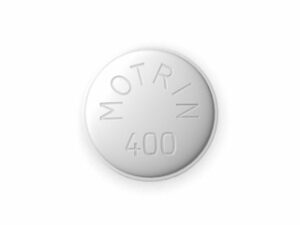
Anaprox (Naproxen) – Patient-Friendly Guide (UK)
Anaprox contains naproxen, a medicine in the group known as NSAIDs (non‑steroidal anti‑inflammatory drugs). It is widely used in the United Kingdom to help reduce pain, inflammation, and fever. This guide explains how Anaprox works, how it is typically taken, key safety points, and what to consider if you are using other medicines.
Please read this information carefully. It does not replace advice from a clinician or pharmacist, and individual suitability depends on your medical history.
Basic product information
| Item | Details |
|---|---|
| Active ingredient | Naproxen |
| Medicine type | NSAID (non‑steroidal anti‑inflammatory drug) |
| Common uses | Pain relief, inflammation and stiffness in certain conditions (e.g., osteoarthritis), period pain (dysmenorrhoea), and short-term pain |
| Typical forms | Tablets/capsules depending on the product strength (follow the pack instructions) |
| How it is taken | Swallowed with water; timing depends on the condition and the formulation |
How Anaprox works (mechanism of action)
Naproxen works by reducing the production of substances called prostaglandins. Prostaglandins are involved in pain and inflammation. By inhibiting enzymes (mainly COX‑1 and COX‑2), naproxen can:
- Reduce pain signals
- Decrease inflammation (swelling, redness, heat)
- Lower fever when present
Pharmacokinetics (how the body handles naproxen)
Understanding how naproxen is processed helps you use it safely and at the right times. Key points include:
- Absorption: Naproxen is absorbed after oral dosing. The speed and peak concentration can depend on the specific formulation.
- Onset of action: Pain relief often begins within a short time after taking a dose, but the exact timing varies between individuals.
- Protein binding: Naproxen is highly protein-bound, which can influence interactions with other medicines.
- Metabolism: It is metabolised mainly in the liver.
- Elimination: Metabolites are eliminated primarily via the kidneys.
- Half-life: Naproxen has a relatively long half-life, which is one reason some dosing regimens can be twice daily (depending on formulation and condition).
If you have kidney or liver problems, naproxen may need extra caution because elimination can be affected.
Typical uses in the UK
Anaprox is used for painful and inflammatory conditions. Common indications include:
- Osteoarthritis (pain and stiffness due to joint wear-and-tear)
- Rheumatoid arthritis and other inflammatory joint conditions (to reduce pain and inflammation)
- Inflammatory musculoskeletal pain such as back pain, sprains, or strains (for appropriate short-term use)
- Period pain (dysmenorrhoea)
- Other painful conditions where an NSAID is suitable (see “Indications” and “Dosing” for more details)
Indications – when naproxen may be appropriate
Naproxen may be considered for:
- Pain relief where inflammation plays a role
- Inflammatory conditions causing swelling, pain, and reduced mobility
- Primary dysmenorrhoea (period-related pain) to help relieve cramps
- Short-term symptomatic treatment for painful episodes, where appropriate and safe
Timing and how to take Anaprox
The best timing depends on your dose and the reason you’re taking it. In general:
- Try taking it with food if it upsets your stomach. Food can help reduce irritation of the stomach lining.
- Space doses evenly if you are taking it more than once per day.
- For period pain: some people find it works better when started early—often at the first signs of cramps. Follow product guidance or professional advice about when to begin.
- Use the lowest effective dose for the shortest time needed to control symptoms, unless your clinician advises otherwise.
Practical timing examples (general guidance)
- Twice daily regimen (typical pattern): morning and evening doses, aiming for roughly 12 hours apart.
- Single daily regimen (some formulations/strengths): take at the same time each day to maintain consistent levels.
- Before a pain-trigger event: for activities that often flare pain, taking it in advance may help—if this fits your prescribed/label instructions and your safety profile.
Food interactions
Taking naproxen with food can improve stomach tolerance. However, certain foods and beverages can still make side effects more likely.
What to consider
- Taking with meals: commonly recommended for people who get indigestion or nausea.
- Avoid heavy alcohol intake (see also “Alcohol and medicine interactions”). Alcohol increases irritation and the risk of stomach bleeding with NSAIDs.
- Stay hydrated: dehydration can increase kidney stress, especially if you are unwell or taking diuretics.
Alcohol and medicine interactions
Alcohol and NSAIDs together can raise the risk of stomach irritation and gastrointestinal bleeding. If you drink alcohol, consider reducing intake while taking naproxen, and avoid binge drinking.
Important medicine interactions
Naproxen can interact with other medicines, particularly those affecting the stomach lining, blood clotting, blood pressure, and kidney function. Examples include:
- Other NSAIDs (e.g., ibuprofen, diclofenac, aspirin for pain): increased risk of stomach bleeding and kidney problems.
- Anticoagulants (e.g., warfarin) and antiplatelet medicines (e.g., clopidogrel, low-dose aspirin): increased bleeding risk.
- Corticosteroids (e.g., prednisolone): higher risk of stomach ulcers/bleeding.
- SSRIs/SNRIs (e.g., sertraline, citalopram, venlafaxine, duloxetine): can increase bleeding risk when combined with NSAIDs.
- Diuretics (e.g., furosemide, hydrochlorothiazide) and medicines affecting kidneys (e.g., some blood pressure medicines): the combination may affect kidney function in some people.
- Lithium: naproxen may increase lithium levels, raising toxicity risk.
- Methotrexate: interaction may increase methotrexate levels and side effects (dose-dependent).
- ACE inhibitors/ARBs (e.g., ramipril, losartan): combined use may increase kidney risk, especially in older adults or those who are dehydrated.
- Oral corticosteroids and some anti-diabetic agents: monitor as appropriate, since combined effects can alter risks.
This is not an exhaustive list. If you are unsure about an interaction, ask a pharmacist before starting naproxen.
Dosing – general information
Dosing depends on your age, the condition being treated, your kidney function, and your specific product strength/formulation. Always follow the instructions on the pack or the advice you were given.
Common dosing patterns (general, label-based)
- For pain/inflammatory conditions: dosing may be taken once or twice daily depending on the formulation.
- For period pain: dosing may start early in the menstrual cramps and continue for a limited time depending on symptoms.
Key dosing safety points
- Use the lowest effective dose for symptom control.
- Do not exceed the maximum daily dose stated on the pack.
- Avoid taking it for longer than necessary, especially for self-treatment of short-term pain.
- Consider stomach protection if you have risk factors (see “Safety profile”).
Missed dose: If you forget a dose, take it when you remember unless it is close to the time for the next dose. Do not take a double dose to make up for a missed one. If you’re unsure, ask a pharmacist.
Safety profile – who should take extra care
Like all NSAIDs, naproxen can cause side effects. Many are mild, but some can be serious. The risk depends on dose, duration, age, and personal medical history.
Common side effects
- Indigestion, heartburn
- Nausea or stomach discomfort
- Headache or dizziness
- Swelling in some people (fluid retention)
Serious side effects – seek urgent medical help
Stop taking the medicine and get urgent medical advice if you experience:
- Signs of stomach or bowel bleeding: vomiting blood, black/tarry stools, or blood in stools.
- Severe allergic reactions: swelling of the face/lips, trouble breathing, or widespread rash.
- Chest pain, sudden weakness, or breathing difficulty (possible serious cardiovascular effects).
- Unexplained severe abdominal pain or persistent vomiting.
- Signs of kidney problems: reduced urination, marked swelling, or significant worsening of health while unwell.
Who should avoid naproxen or use only with professional guidance
- People with a history of stomach ulcers or gastrointestinal bleeding
- Those with NSAID allergy or who have had asthma attacks triggered by NSAIDs
- People with severe heart failure or significant cardiovascular disease (risk depends on individual factors)
- People with significant kidney disease
- People who are pregnant (especially later pregnancy) — NSAIDs can be harmful at certain stages
- Those taking medicines that increase bleeding risk (e.g., anticoagulants) without appropriate monitoring
Pregnancy and breastfeeding (important UK considerations)
NSAIDs are generally not recommended during later pregnancy. If you are pregnant, planning pregnancy, or breastfeeding, seek tailored advice before using naproxen. A pharmacist can help you check what is safest for your situation.
Practical use tips (to get the best balance of benefit and safety)
- Start low and reassess: if you need naproxen for more than a couple of days, consider speaking to a pharmacist or clinician for further advice.
- Take with food: especially if you get indigestion.
- Avoid combining NSAIDs: do not take naproxen alongside ibuprofen, diclofenac, or other NSAIDs for the same symptoms.
- Check your “cold/flu” products: some contain NSAIDs (or aspirin). Read labels to avoid accidental double-dosing.
- Consider pain alternatives: for some people, paracetamol may be a safer first option for minor aches and fever.
- Watch for warning symptoms: persistent stomach pain, unusual bruising, black stools, or breathing issues should be treated seriously.
- Stay consistent: if you are taking it regularly for inflammatory conditions, don’t “pulse” doses unpredictably without advice.
- Protect kidneys: if you’re unwell with vomiting/diarrhoea or not drinking well, NSAIDs may increase kidney stress—consider seeking advice.
Alternative options
Alternatives depend on the type of pain, your health conditions, and your risk profile. A pharmacist can help you choose what is most suitable. Options may include:
Non-NSAID medicines
- Paracetamol (acetaminophen): often used for mild to moderate pain and fever. It does not have the same anti-inflammatory effect as NSAIDs.
- Topical treatments: gels/creams containing anti-inflammatory medicines may be useful for localised musculoskeletal pain, potentially with less whole‑body exposure.
Other anti-inflammatory approaches
- Physiotherapy/exercise advice: particularly for back pain, osteoarthritis, and stiffness.
- Heat/ice therapy: can help depending on whether pain is inflammatory or due to muscle strain.
- Supportive measures: joint supports, posture changes, or strengthening programmes.
If you have tried naproxen and it is not tolerated or not helping, ask about other NSAIDs or non-drug options. Don’t switch between NSAIDs without checking safety and dosing limits.
Market and legal context in the United Kingdom
In the UK, naproxen products are regulated under medicines legislation and are supplied in accordance with their classification and safety considerations. Availability may vary by product strength and formulation, and some NSAIDs are provided through different routes depending on the circumstances.
Pharmacy supply is guided by UK safety standards, including:
- Age and suitability checks
- Screening for contraindications (e.g., ulcer history, allergy, pregnancy risk)
- Assessment of interactions with existing medicines
- Advice on how to use NSAIDs safely (including limiting duration and dose)
Pharmacy staff may ask about symptoms, past medical history, current medicines, and lifestyle factors (including alcohol intake). These checks help reduce the risk of serious harm.
Recent UK guidance themes (what patients are commonly advised)
UK safety messaging for NSAIDs commonly emphasises:
- Use the lowest effective dose and shortest possible duration
- Extra caution for people with higher risk of stomach ulcers/bleeding and for older adults
- Do not combine NSAIDs unless specifically advised
- Recognise warning signs of gastrointestinal bleeding and kidney problems
- Be careful with interacting medicines, including anticoagulants, antiplatelets, and steroids
Guidance can evolve as new safety data is reviewed. If you are unsure whether naproxen is appropriate for you, speak to a pharmacist.
Delivery and availability (how it works online in the UK)
Online pharmacies in the UK typically provide:
- Ordering: select the correct product strength and follow any online suitability checks.
- Dispatch: orders are usually processed in batches and dispatched by courier or tracked post.
- Delivery timing: depends on stock location and carrier service; check the delivery estimate at checkout.
- Packaging: medicines are supplied in secure packaging with clear labelling.
Availability can vary by formulation and strength. If a specific Anaprox presentation is out of stock, the pharmacy may offer comparable options or advise you on suitable alternatives.
FAQ
1) What is Anaprox used for?
Anaprox (naproxen) is used to relieve pain and inflammation in conditions such as arthritis and certain musculoskeletal problems. It is also used for period pain in appropriate cases, based on the product instructions and your personal suitability.
2) How quickly does naproxen work?
Many people notice pain relief within hours, though timing varies by formulation and individual response. If your symptoms are not improving as expected, consider speaking to a pharmacist.
3) Should I take Anaprox with food?
Often, yes. Taking it with food can reduce stomach discomfort. If you get indigestion, try taking it after meals (unless your pack instructs otherwise).
4) Can I take ibuprofen or aspirin with Anaprox?
Generally, you should not combine naproxen with other NSAIDs (like ibuprofen) for the same pain/inflammation. Combination with low-dose aspirin or other anti‑platelet medicines may be appropriate for some people under medical advice, but it increases bleeding risk—ask a pharmacist if unsure.
5) Is it safe to drink alcohol while taking naproxen?
Alcohol can increase the risk of stomach irritation and bleeding when combined with NSAIDs. For best safety, avoid heavy drinking and consider minimal or no alcohol while you are taking naproxen.
6) What should I do if I miss a dose?
Take it when you remember unless it is near the time for your next dose. Do not take a double dose to make up for a missed one.
7) Who should be extra cautious with naproxen?
People with a history of ulcers or GI bleeding, kidney disease, NSAID allergy, certain heart conditions, and those taking medicines that affect blood clotting should take extra care. If you have any of these, speak to a pharmacist before starting.
8) What are the warning signs of serious side effects?
Seek urgent medical help if you have signs such as black/tarry stools, vomiting blood, severe allergic reactions (e.g., facial swelling or trouble breathing), unexplained severe abdominal pain, or significant reduction in urination.
9) Can I use Anaprox for long-term arthritis pain?
Some people use NSAIDs for inflammatory joint conditions, but long-term use should involve careful assessment of benefits versus risks. If you need ongoing treatment, it’s important to get personalised advice and review regularly.
10) Are there alternatives to Anaprox?
Yes. Depending on your symptoms and risk factors, alternatives may include paracetamol, topical anti-inflammatory treatments, or non-drug strategies such as physiotherapy and exercise. If you’re considering switching, ask a pharmacist about the safest option.
Further advice
If you have questions about suitability, side effects, or how to take Anaprox alongside your other medicines, contact a pharmacist. They can help you understand the risks and choose the safest way to manage your symptoms.