
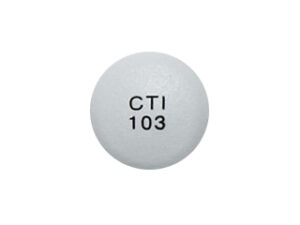
Cyclobenzaprine Hydrochloride (Cyclobenzaprine HCl) — Patient Guide (UK)
Cyclobenzaprine HCl is a medicine used to relieve muscle spasm and associated discomfort, most commonly when muscle tightness occurs due to strains, sprains, or other painful musculoskeletal conditions. This guide explains how it works, how to take it safely, what to expect, and how to use it alongside everyday measures such as rest, gentle movement, and pain relief.
Always follow the instructions provided with your medicine and any advice from your healthcare professional.
Basic product information
| Item | Details |
|---|---|
| Generic name | Cyclobenzaprine hydrochloride |
| What it is | Muscle relaxant |
| Common strength(s) | Frequently supplied as 5 mg or 10 mg tablets in the UK (strength varies by brand) |
| Who it may suit | Adults with painful muscle spasm related to short-term musculoskeletal problems |
| Typical duration | Usually short-term use, often up to 2–3 weeks for acute muscle spasm (follow your prescribed plan) |
| How it is taken | By mouth, usually with water; dosing may be once or multiple times daily depending on your instructions |
How cyclobenzaprine works (mechanism of action)
Cyclobenzaprine is a centrally acting skeletal muscle relaxant. It helps reduce muscle spasm by acting on the brain and spinal cord pathways involved in muscle tone and pain perception.
- It influences neurotransmission, leading to reduced muscle overactivity.
- It may also help relieve the painful discomfort that often accompanies muscle spasm.
- It does not directly heal the underlying injury; it helps the muscles relax so you can move more comfortably while the body recovers.
Pharmacokinetics (how the body processes it)
Understanding pharmacokinetics can help explain why timing matters and why drowsiness can occur.
- Absorption: After oral use, cyclobenzaprine is absorbed from the gastrointestinal tract. Food may slightly affect absorption rate, but the overall effect is generally not dramatic.
- Distribution: It distributes into body tissues, including the central nervous system, which contributes to its muscle-relaxing and sedative effects.
- Metabolism: The medicine is mainly metabolised in the liver.
- Elimination: Metabolites are removed primarily through the kidneys.
- Half-life: Cyclobenzaprine has a relatively long half-life, which is why it can remain active for some time after each dose and why dosing schedules matter.
Practical implication: Because it can cause drowsiness and has a long-lasting effect, it may affect how safely you drive or operate machinery—especially during the first days of treatment.
Typical use in the UK
In the UK, cyclobenzaprine is commonly used for short-term relief of painful muscle spasm due to acute musculoskeletal conditions, such as:
- Back pain associated with muscle spasm
- Neck pain with muscle tightness
- Shoulder muscle spasm
- Sprains/strains causing painful muscle contractions
Important: It is usually used alongside other measures such as activity as tolerated, gentle stretching, heat/cold packs, and pain relief (for example, paracetamol or ibuprofen if suitable for you).
When to take it (timing guidance)
Your exact schedule depends on the strength and your individual instructions. In general:
- Start at a convenient time: The first doses can cause sleepiness; many people prefer taking a dose in the evening.
- Consistent timing: If you are taking multiple doses daily, try to space them evenly.
- Short-term course: Most acute muscle spasm conditions improve over time. If symptoms do not improve, or they worsen, seek medical advice.
If you miss a dose: Take it when you remember unless it’s close to the time for the next dose. Do not take double the dose to make up for a missed tablet.
Food interactions
There is no universally required “fasting” schedule for cyclobenzaprine. However, food can influence comfort and tolerance.
- With or without food: Many people take cyclobenzaprine with food or after a meal to reduce potential stomach upset.
- Gastrointestinal comfort: If you feel nauseated, taking it with food may help.
- Stay hydrated: Drinking enough fluids can support comfort, especially if you’re also taking pain relief.
Tip: Avoid taking it immediately before activities requiring full alertness if you tend to feel drowsy after doses.
Alcohol and medicine interactions
One of the most important safety considerations with cyclobenzaprine is its sedative effect. This can be intensified by alcohol and other medicines that affect the nervous system.
Alcohol
- Avoid alcohol while taking cyclobenzaprine, as it can increase drowsiness, impaired coordination, and risk of falls.
- Alcohol may also worsen dizziness and affect reaction time.
Medicines to be cautious with
Tell a healthcare professional or pharmacist about all medicines you take, including over-the-counter products and herbal remedies. In particular, extra caution is needed if you take:
- Other sedatives (e.g., benzodiazepines, sleeping tablets)
- Opioid pain medicines (e.g., codeine, oxycodone, morphine)
- Antihistamines that cause drowsiness (some “night-time” allergy or cold medicines)
- Some antidepressants and other medicines that affect serotonin activity
- Medications that prolong the QT interval (heart rhythm medicines and some other agents)
- Medications that affect liver enzymes (may alter cyclobenzaprine levels)
Do not start or stop any other medicines without advice.
Indications (what cyclobenzaprine is used for)
Cyclobenzaprine is indicated for relief of muscle spasm associated with pain and discomfort from acute, painful musculoskeletal conditions.
It may be considered when muscle spasm is a prominent feature, and when improving movement and comfort is part of the recovery plan.
Not typically intended for: Long-term management of chronic conditions. If you have persistent or recurring pain, it is important to discuss underlying causes with a healthcare professional.
Dosing (general guidance)
Dosing varies by patient and product strength. Always use the dosage instructions provided with your medicine.
- Common adult dosing patterns: Often starts with a lower dose to assess tolerability and may be increased depending on response and side effects.
- Frequency: Many regimens involve taking the tablets up to three times daily, but some products may be designed for different schedules.
- Duration: Usually for a short period (often up to a few weeks) for acute spasm. Continue only for as long as advised.
- Older adults: People aged 65 and over may be more sensitive to side effects such as drowsiness and confusion; dosing may need adjustment or extra caution.
Kidney/liver considerations: If you have liver problems or reduced kidney function, you may need closer monitoring or an alternative approach. Ask your pharmacist or clinician for advice.
Safety profile (who should be extra careful)
Cyclobenzaprine can be effective, but it has a safety profile that requires attention—especially because it may cause drowsiness, dizziness, and other effects on the heart and nervous system.
Common side effects
- Drowsiness or sleepiness
- Dizziness
- Dry mouth
- Constipation
- Nausea
- Blurred vision (in some people)
Serious side effects — get urgent help
Seek urgent medical advice if you experience:
- Signs of an allergic reaction (swelling of face/lips, rash, breathing difficulties)
- Fainting or severe dizziness
- Chest pain, fast or irregular heartbeat
- Severe confusion or unusual agitation
- High fever with muscle stiffness, sweating, or marked confusion (rare but serious)
- Severe drowsiness or inability to stay awake
Special populations and key cautions
- Heart rhythm issues: Extra caution is needed for people with known heart rhythm problems or those taking interacting medicines.
- People with glaucoma: Cyclobenzaprine may worsen certain eye conditions.
- Urinary retention: It may affect bladder function in susceptible individuals.
- Raised risk of falls: Dizziness and drowsiness increase fall risk, particularly in older adults.
- Neurological conditions: If you have a history of seizures or other neurological problems, discuss suitability.
Practical use tips (making treatment safer and more effective)
- Check your first dose: Take it when you can rest afterward, especially in the first few days.
- Be cautious with driving: Do not drive or operate machinery until you know how cyclobenzaprine affects you.
- Move gently: Complete bed rest can sometimes worsen stiffness. Follow advice about gentle movement and stretching.
- Use heat or cold: Many people find heat packs help muscle relaxation and cold packs can reduce inflammation in the early phase.
- Stay within the plan: Don’t extend the course beyond what was advised. If symptoms persist, get reassessed.
- Hydrate and manage constipation: Dry mouth and constipation can occur. Drink fluids, consider fibre in your diet, and discuss laxative options if needed.
- Keep an up-to-date medication list: Include over-the-counter products (especially cough/cold and antihistamines).
Tip: If you feel overly drowsy, consult a pharmacist or clinician. The dose or timing may be adjusted.
Alternative options for muscle spasm
Depending on your symptoms, medical history, and what else you have already tried, healthcare professionals may consider alternatives such as:
- Paracetamol for pain relief (if suitable for you)
- Non-steroidal anti-inflammatory drugs (NSAIDs) such as ibuprofen or naproxen (if suitable and safe for you)
- Other muscle relaxants (choice depends on individual risk factors and local practice)
- Physiotherapy and targeted exercise to address mobility, posture, and strength
- Topical treatments (e.g., certain gels or creams) where appropriate
Non-medicine measures can significantly help muscle spasm:
- Heat therapy
- Gentle stretching and range-of-motion exercises
- Ergonomic adjustments at work or home
- Graduated return to normal activity
If you are unsure which option suits you, ask your pharmacist for advice tailored to your situation.
Market and legal context in the United Kingdom
In the UK, cyclobenzaprine is part of the wider medicines landscape for musculoskeletal conditions. Medicine supply and prescribing arrangements can differ depending on brand availability and local healthcare pathways.
Key points for UK patients:
- Medicines are regulated to ensure quality, safety, and appropriate information for use.
- Pharmacists provide support on dosing instructions, side effect management, and interactions.
- For persistent symptoms or red-flag signs (such as neurological deficits, severe weakness, or loss of bladder/bowel control), you should seek urgent medical assessment.
Recent guidance (general): UK care for acute back pain and muscle spasm typically emphasises early activity where appropriate, symptom relief, and avoiding prolonged rest. Medication choices are individualised based on risk factors such as age, other drugs taken, and the likelihood of adverse effects like sedation.
When to seek medical advice urgently
Although cyclobenzaprine may help muscle spasm, you should seek urgent help if you have:
- Severe or worsening pain, or pain following significant injury
- Numbness, weakness, or tingling in the legs or arms
- New problems with bladder or bowel control
- Fever, unexplained weight loss, or feeling very unwell
- Unusual numbness around the groin/saddle area
Delivery and availability (UK)
Availability can vary by strength and brand. Cyclobenzaprine HCl may be supplied in tablet form and is typically available through standard UK pharmacy channels depending on current supply and formulation.
- Stock status: If a specific strength is temporarily unavailable, your pharmacy may offer an alternative strength/formulation if appropriate.
- Delivery: Delivery options (e.g., standard or express) depend on your location and checkout selections.
- Packaging: Medicines are typically dispatched in secure, tamper-evident packaging.
If you need your medicine quickly, check delivery estimates at checkout and allow time for processing.
FAQ
1) Is cyclobenzaprine addictive?
Cyclobenzaprine is not generally considered addictive in the way some other medicines can be. However, it can cause side effects such as drowsiness, and you should not use it longer than advised.
2) How long does it take to work?
Many people notice some symptom relief within the first day or two. Full improvement often occurs over several days as the muscle spasm settles, alongside gentle movement and recovery measures.
3) Can I take cyclobenzaprine with paracetamol or ibuprofen?
Often, cyclobenzaprine may be used alongside common pain relief such as paracetamol or ibuprofen if suitable for you. Check for contraindications (for example, stomach ulcers or kidney issues for NSAIDs) and follow your healthcare professional’s guidance.
4) Can I drink alcohol while taking it?
It is strongly advised to avoid alcohol because it can increase drowsiness and impair coordination.
5) Will cyclobenzaprine make me sleepy?
Yes, drowsiness is a common effect. Many people benefit from taking it when they can rest, especially at the beginning of treatment.
6) Can I drive?
Do not drive or use machinery until you know how cyclobenzaprine affects you. If you feel drowsy, dizzy, or your vision is blurred, avoid driving.
7) What if I miss a dose?
Take it when you remember unless it is close to the next dose. Do not take a double dose.
8) Who should not take cyclobenzaprine or should ask for extra advice?
Extra caution is needed for people with certain heart rhythm conditions, glaucoma, urinary retention issues, significant liver problems, or those taking interacting medicines. If you’re unsure, ask a pharmacist before starting.
9) Are there any interactions with antidepressants?
Some antidepressants and other serotonin-affecting medicines can interact. Always provide a complete list of medicines and supplements to your pharmacist or healthcare professional.
10) What should I do if side effects are troublesome?
If side effects like heavy drowsiness, dizziness, or constipation become difficult, speak to a pharmacist or clinician. Advice may include dose/timing adjustments, supportive measures, or alternative treatment options.
Remember: Cyclobenzaprine can help relieve muscle spasm and pain, but safe use depends on avoiding alcohol, being cautious with interacting medicines, and paying attention to drowsiness and other side effects.