
Celecoxib: Patient-Friendly Guide (UK)
Celecoxib is a medicine commonly used to relieve pain and inflammation, particularly from conditions such as osteoarthritis, rheumatoid arthritis, ankylosing spondylitis, and certain short-term acute pain problems. It belongs to a group of medicines called non-steroidal anti-inflammatory drugs (NSAIDs).
This guide explains how celecoxib works, how it behaves in the body, how it is typically taken, what to watch for, and what to consider regarding food, alcohol, and other medicines. It is written for people in the United Kingdom.
At a Glance: Basic Product Information
| Feature | Details |
|---|---|
| Generic name | Celecoxib |
| Medicine type | NSAID (selective COX-2 inhibitor) |
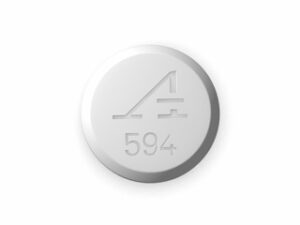
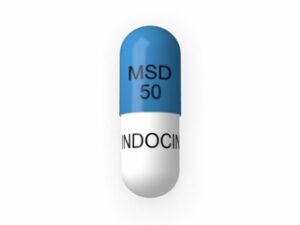
| Common strengths (examples) | 100 mg, 200 mg, 50 mg (varies by product) |
| How it is taken | Swallowed tablets/capsules (oral dosing) |
| Typical dosing frequency | Often once or twice daily depending on condition |
| Key benefits | Pain relief and reduced inflammation |
| Main cautions | Stomach irritation/ulcer risk (lower than many older NSAIDs, but not zero); cardiovascular and kidney risks; interactions with other medicines |
How Celecoxib Works (Mechanism of Action)
Celecoxib works by blocking an enzyme called cyclo-oxygenase-2 (COX-2). COX-2 is involved in the production of prostaglandins, substances that contribute to pain, inflammation, and fever.
By selectively inhibiting COX-2, celecoxib can reduce inflammation and pain. Compared with some non-selective NSAIDs, it may cause fewer stomach side effects in many people, because it interferes less with COX-1 (which helps protect the gut lining). However, risk is still present, especially at higher doses or with certain co-medications.
Pharmacokinetics: What Happens in the Body
Pharmacokinetics describes how the body absorbs, distributes, metabolises, and eliminates a medicine. For celecoxib, the main practical points include:
Absorption and onset
- After taking a dose by mouth, celecoxib is absorbed and reaches peak blood levels after a number of hours (time to peak can vary between individuals).
- Many people start to feel pain relief within hours, while the full effect on inflammation may take several days.
Distribution
- Celecoxib is widely distributed through the body and binds to plasma proteins.
Metabolism
- Celecoxib is mainly metabolised by the liver enzyme CYP2C9.
- This is important because some medicines can increase or decrease celecoxib levels by affecting CYP2C9.
- People with reduced CYP2C9 activity may be more sensitive to celecoxib.
Elimination
- Celecoxib and its metabolites are eliminated mainly via the liver and kidneys.
- In people with kidney or liver impairment, levels may rise, so dosage adjustments may be needed.
Typical Use in the UK
In the UK, celecoxib is used to treat conditions where pain and inflammation are central. Your exact treatment plan depends on your diagnosis, age, other medical conditions, and your overall risk profile.
Common indications
- Osteoarthritis (joint pain and stiffness, often in knees or hips)
- Rheumatoid arthritis (inflammatory joint disease)
- Ankylosing spondylitis (inflammation of the spine and large joints)
- Short-term pain (for example, acute pain related to certain musculoskeletal problems, where appropriate under clinical assessment)
Why it may be chosen
- It can reduce pain and stiffness while offering a different gastrointestinal risk profile compared with many non-selective NSAIDs.
- It may be a helpful option for people who have ongoing inflammatory symptoms and who have been assessed as suitable for an NSAID.
When to Take Celecoxib (Timing and How to Use It)
Celecoxib works best when taken consistently at the right times for your prescribed schedule. The information below is general and should align with the instructions on your product label.
General timing guidance
- Take celecoxib at the same times each day to maintain steady effect.
- If you are taking it once daily, choose a time that fits your routine.
- If you are taking it twice daily, doses are usually spaced about 12 hours apart.
With water and swallowing
- Swallow the tablet/capsule whole with a full glass of water.
- Do not crush or chew unless the product instructions specifically permit it.
Food Interactions: Can You Take Celecoxib with Meals?
Food can influence how quickly celecoxib is absorbed. In many cases, the medicine can be taken with or without food, but this may affect timing of onset.
- With food: may slow absorption slightly, but can reduce stomach discomfort for some people.
- On an empty stomach: may lead to faster absorption for some individuals, but may increase the chance of stomach upset.
Practical tip: If you notice nausea, stomach pain, or heartburn, consider taking celecoxib with or after food (unless your clinician has advised otherwise).
Alcohol and Medicine Interactions
Alcohol
Drinking alcohol while taking NSAIDs can increase the risk of stomach irritation and bleeding. It may also affect how your body handles medication and can worsen side effects such as dizziness.
- If you choose to drink, keep it moderate and consider avoiding alcohol on days when you have stomach symptoms.
- Avoid heavy or frequent drinking, especially if you have a history of ulcers or gastrointestinal bleeding.
Other important medicine interactions
Celecoxib can interact with other medicines, sometimes increasing risk or changing how well it works. Always review your full medication list (including over-the-counter products).
Common interaction areas
- Other NSAIDs (including ibuprofen, naproxen, diclofenac): combining increases GI and kidney risk.
- Aspirin: low-dose aspirin may be used for certain cardiovascular reasons, but combining still increases bleeding risk.
- Blood thinners (e.g., warfarin): may increase bleeding risk; close monitoring may be necessary.
- Antiplatelet medicines (e.g., clopidogrel): can increase bleeding risk when combined.
- Selective serotonin reuptake inhibitors (SSRIs) (e.g., sertraline, citalopram): may increase gastrointestinal bleeding risk when combined with NSAIDs.
- Corticosteroids (e.g., prednisolone): may raise GI side effect risk.
- Diuretics and blood pressure medicines (ACE inhibitors, angiotensin receptor blockers, “ARBs”): NSAIDs can affect kidney function and may reduce blood pressure control in some people.
- Lithium: NSAIDs may increase lithium levels.
- Methotrexate: NSAIDs can increase methotrexate levels and toxicity risk (dose dependent).
- CYP2C9 inhibitors/inducers: because celecoxib is metabolised by CYP2C9, certain medicines can change its levels.
If you are unsure whether a medicine is safe to combine with celecoxib, check the product leaflet or speak to a healthcare professional.
Dosing: How Much Celecoxib Is Typically Used?
Dose depends on the condition being treated, your age, kidney/liver function, and other health risks. The guidance below is general and may not match every individual plan.
General principles
- The usual approach with NSAIDs is to use the lowest effective dose for the shortest duration needed.
- Some patients may require lower doses, particularly if they have increased risk of side effects or organ impairment.
- Do not increase the dose to “catch up” if you miss one; follow your label instructions.
Typical dosing patterns (examples)
| Condition (example) | Typical adult dosing pattern | Notes |
|---|---|---|
| Osteoarthritis | Often 200 mg daily (may be split) depending on severity | Clinicians may adjust based on response and tolerability |
| Rheumatoid arthritis | Often 100–200 mg twice daily (varies) | Higher doses may be used in some cases with careful monitoring |
| Ankylosing spondylitis | Often 200 mg daily (may be split) | Adjustment may be needed based on symptom control |
| Short-term acute pain | May involve a short course with a defined schedule | Use only for the duration advised for the specific episode |
Important: Always follow the dosing instructions on your product packaging or the schedule you have been given. If you miss a dose, take it when you remember unless it is near the time of the next dose; then continue as usual.
Safety Profile: Common Side Effects and Serious Risks
Like all medicines, celecoxib can cause side effects. Many people tolerate it well, but some adverse effects can be serious—especially in people with certain risk factors.
Common side effects
- Indigestion, heartburn, stomach discomfort
- Nausea
- Headache
- Dizziness
- Fluid retention (swelling in ankles/feet) in some people
Serious warnings (seek urgent medical advice)
Contact urgent medical services or seek prompt medical help if you experience:
- Signs of a stomach ulcer or gastrointestinal bleeding: black/tarry stools, vomiting blood or material that looks like coffee grounds, sudden severe abdominal pain.
- Signs of an allergic reaction: swelling of face/lips, wheezing, severe rash, difficulty breathing.
- Signs of heart or circulation problems: chest pain, sudden breathlessness, weakness on one side, slurred speech.
- Signs of kidney problems: reduced urination, significant swelling, severe fatigue.
- Signs of liver problems: yellowing of skin/eyes, dark urine, persistent nausea or pain in the right upper abdomen.
- Unexplained severe skin reactions.
Who needs extra caution?
- People with a history of stomach ulcers or gastrointestinal bleeding
- People with cardiovascular disease or risk factors (e.g., previous heart attack or stroke)
- People with kidney disease, dehydration, or advanced age
- People with liver impairment
- People taking medicines that increase bleeding risk
- People with asthma that is sensitive to NSAIDs (NSAID-exacerbated respiratory disease)
Practical Use Tips for Safer, More Effective Treatment
- Use the lowest effective dose: taking more than needed raises risk without guaranteeing better symptom control.
- Avoid “stacking” NSAIDs: don’t combine celecoxib with ibuprofen, naproxen, diclofenac, or similar NSAIDs.
- Check your full medication list: include over-the-counter pain relievers, cold/flu products, and supplements.
- Stay hydrated: dehydration increases the risk of kidney problems with NSAIDs.
- Monitor symptoms: if pain relief is not adequate after a reasonable period, speak to a healthcare professional rather than increasing dose.
- Be alert to red flags: stop and seek help for bleeding, breathing difficulties, or severe rash.
- Weight and blood pressure matters: fluid retention can affect blood pressure—especially if you already have hypertension or heart failure.
Alternative Options to Celecoxib
Depending on your condition, alternatives may include other NSAIDs, paracetamol, topical therapies, or non-medicinal treatments. The best choice depends on your symptoms and your risk factors (stomach, heart, kidney).
Possible medication alternatives
- Other oral NSAIDs (e.g., ibuprofen, naproxen, diclofenac) — may differ in GI and cardiovascular risk
- Paracetamol (acetaminophen) — useful for pain in some people; does not have the same anti-inflammatory effect
- Topical NSAIDs (e.g., gels for knee/hand osteoarthritis) — may reduce systemic exposure
- Gastro-protective strategies (in some cases): clinicians may consider medicines that reduce stomach risk when NSAIDs are necessary
Non-medicinal alternatives
- Physiotherapy and exercise programmes
- Weight management for weight-bearing joint pain
- Heat/cold therapies
- Assistive devices (e.g., braces, orthotics)
- For inflammatory conditions: disease-modifying therapy may be required (managed by specialists)
If you are switching from one pain medicine to another, ensure you understand how to transition safely and avoid duplicating NSAIDs.
UK Market and Legal Context (Including Guidance)
In the UK, NSAIDs are widely used. Medicines containing celecoxib are regulated and supplied in line with UK medicines legislation and public health guidance. Safety monitoring and prescribing practices consider both symptom control and risk reduction.
Recent general safety themes (UK healthcare focus)
- Using NSAIDs at the lowest effective dose and shortest duration possible.
- Careful assessment of cardiovascular risk and gastrointestinal risk.
- Awareness of kidney-related effects, especially in older adults, dehydration, or existing kidney disease.
- Reviewing interactions with anticoagulants, antiplatelets, and medicines that affect kidney/liver function.
For the latest formal safety communications and prescribing details, NHS and medicines regulation sources are regularly updated. Your pharmacist or clinician can help interpret current recommendations for your personal situation.
Delivery and Availability in the United Kingdom
Availability can vary by brand and strength. Many online pharmacies offer timely delivery across the UK, subject to stock status, order processing times, and local delivery coverage.
What to expect
- Order processing: typically includes verification of order details and packaging preparation.
- Delivery options: options may include standard and tracked delivery.
- Stock availability: if a strength is temporarily unavailable, you may be offered alternatives.
- Temperature considerations: most tablet formulations are stable at room temperature, but always store according to the product label.
If you have questions about delivery times to your postcode or the exact product strength/format you require, check the online pharmacy’s delivery information before ordering.
FAQ: Celecoxib (UK)
1) What is celecoxib used for?
Celecoxib is used to relieve pain and inflammation associated with conditions such as osteoarthritis, rheumatoid arthritis, and ankylosing spondylitis. It may also be used for short-term acute pain where clinically appropriate.
2) How quickly does celecoxib work?
Many people notice some symptom relief within hours. Full improvement in inflammation-related conditions may take several days. If you feel no improvement after the expected time, seek advice rather than increasing the dose yourself.
3) Can I take celecoxib with food?
Yes, it can usually be taken with or without food. Taking it with food may reduce stomach upset. The timing of onset may vary slightly depending on meal timing.
4) Is it safe to drink alcohol while taking celecoxib?
Alcohol may increase the risk of stomach irritation and bleeding with NSAIDs. If you drink, keep it moderate and avoid heavy drinking, particularly if you have a history of ulcers or stomach bleeding.
5) Can I take ibuprofen or naproxen alongside celecoxib?
It’s generally not recommended to combine celecoxib with other NSAIDs because it can increase the risk of side effects, including stomach ulcers/bleeding and kidney problems.
6) What should I do if I miss a dose?
Take it when you remember unless it is close to the time of the next dose. Do not take extra doses to make up for a missed one. Follow your product label instructions or seek advice if unsure.
7) Who should avoid celecoxib or get extra medical advice first?
Extra caution is needed if you have a history of stomach ulcers, gastrointestinal bleeding, heart disease or stroke, kidney disease, liver impairment, or if you have had an allergic reaction to NSAIDs. Also be cautious if you take blood thinners, steroids, SSRIs, or certain blood pressure medicines.
8) Does celecoxib affect kidneys?
Like other NSAIDs, celecoxib can affect kidney function, especially in people who are dehydrated, older, or who already have kidney problems. Seek medical advice if you notice reduced urination, marked swelling, or sudden worsening fatigue.
9) Can celecoxib raise blood pressure?
It may in some people. If you have hypertension or heart conditions, it’s wise to monitor blood pressure and report changes promptly.
10) Are there alternatives if I can’t tolerate celecoxib?
Alternatives may include other anti-inflammatory pain relief options, topical treatments, paracetamol, or non-drug approaches. Your clinician can help choose based on your diagnosis and risk profile.
11) How should I store celecoxib?
Store according to the product label. Keep out of sight and reach of children. Do not use after the expiry date. Keep in a dry place at room temperature unless the label specifies otherwise.
Summary
Celecoxib is an NSAID that helps reduce pain and inflammation by selectively targeting COX-2. In the UK, it is used for inflammatory joint conditions and other appropriate pain scenarios. Like all NSAIDs, it carries potential risks—especially involving the stomach, cardiovascular system, and kidneys—so safe use relies on correct dosing, avoiding duplication with other NSAIDs, and considering interactions with other medicines.
If you have concerns about suitability, side effects, or interactions, speak to a pharmacist or healthcare professional. For urgent symptoms such as signs of bleeding, severe allergic reactions, chest pain, or breathing difficulty, seek immediate medical help.