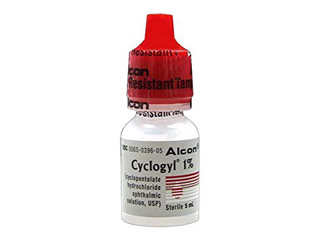
Cyclopentolate Eye Drops (Cyclopentolate) — Patient Information (UK)
Cyclopentolate is an eye medicine used to temporarily widen (dilate) the pupil and relax focusing of the eye. It is commonly used in optometry and ophthalmology to help clinicians examine the inside of the eye more clearly, and to manage certain eye conditions as advised.
This guide explains what cyclopentolate is, how it works, how it is used, and what to expect. It also covers safety information and practical tips to help you get the best out of your treatment.
Basic product information
| Topic | Details |
|---|---|
| Generic name | Cyclopentolate |
| Medicinal form | Eye drops (strength may vary by product) |
| What it does | Dilates pupils and temporarily paralyzes the focusing muscle |
| Common setting | Eye examinations (optometry/ophthalmology) and selected eye conditions |
| Onset | Typically within minutes after application |
| Duration | Often several hours; effects may last longer in some people |
How cyclopentolate works (mechanism of action)
Cyclopentolate belongs to a group of medicines known as antimuscarinics (anticholinergics). In the eye, it works by blocking muscarinic receptors that control:
- Pupil size: It relaxes the muscles that normally keep the pupil smaller, leading to dilation.
- Focusing: It temporarily paralyzes the ciliary muscle, making it harder for the eye to focus on close objects.
The result is a clearer view of the retina and lens during examination, and (in some situations) reduced focusing-related discomfort or spasm, depending on the reason it has been recommended.
Pharmacokinetics (what happens in the body)
With eye drops, cyclopentolate acts mainly within the eye. Some absorption can occur through the eye’s surface and through the nose/throat via the tear drainage system (nasolacrimal drainage).
- Absorption: After topical ocular use, absorption is generally limited, but it can be enough to cause side effects in sensitive people—especially children.
- Distribution: Any systemic absorption may distribute through the bloodstream.
- Metabolism and elimination: As with many medicines, cyclopentolate is processed by the body and cleared over time. The clinical effect (pupil dilation and blur) is usually the main concern.
Because ocular effects can persist for hours, the main “timeline” you experience is typically the medicine’s local action in the eye rather than long-term systemic exposure.
Typical uses in the UK
Cyclopentolate is used to dilate the pupil and paralyse accommodation to assist with eye examination or treatment plans. Common uses include:
- Eye examinations: Helping clinicians view the retina, optic nerve, and lens clearly.
- Paediatric examinations: Particularly helpful in children who may not be able to keep still or cooperate fully.
- Assessing refractive error: Under guidance, to obtain more accurate measurements by reducing focusing effort.
- Selected ophthalmic conditions: Used in specific treatment approaches where pupil dilation and cycloplegia are beneficial.
When the effects start and how long they last
After instilling cyclopentolate, most people notice effects fairly quickly.
- Onset: Often within minutes.
- Peak effect: Commonly after a short period (varies by person and age).
- Duration: Often several hours; in some children the blur and light sensitivity can last longer.
Plan your day accordingly. If you have an eye examination, allow time for blurred vision and reduced ability to focus.
Food interactions
There are no known clinically important food interactions with cyclopentolate eye drops. Because it is used in the eye and the systemic exposure is usually limited, eating and drinking are not expected to change the medicine’s effect significantly.
If the drops have been used as part of a broader treatment plan, follow any advice given by your clinician for other medicines you may be taking.
Alcohol and medicine interactions
Alcohol
Cyclopentolate eye drops are not typically associated with significant interaction with alcohol. However, alcohol may worsen side effects such as drowsiness or blurred vision if they occur, and it can make it harder to notice symptoms early.
For safety, avoid driving if your vision is blurred (regardless of alcohol). If you feel unwell, seek advice.
Interactions with other medicines
Cyclopentolate may have additive effects if combined with other medicines that have anticholinergic activity. This is particularly relevant for people taking medicines that can affect:
- Eyes (dryness, blurred vision)
- Heart rate (some antimuscarinics can increase heart rate)
- Central nervous system (confusion, agitation—more likely in children or sensitive individuals)
Tell your clinician or pharmacist if you take any regular medicines, especially those for:
- Overactive bladder
- Parkinson’s disease or tremor
- Allergies causing drowsiness
- Motion sickness
- Depression/anxiety treatments with anticholinergic properties
Indications (what cyclopentolate is for)
In practice, cyclopentolate is mainly indicated for:
- Inducing cycloplegia and mydriasis for examination of the eye.
- Refraction assessment to reduce accommodation and allow more accurate measurements (as advised).
- Specific ophthalmic conditions where pupil dilation and reduced focusing are part of the management plan.
The exact strength and number of drops may differ depending on age and the clinical aim.
Dosing and administration (general guidance)
Dosing depends on the purpose (examination vs treatment), the age of the patient, and the strength of the product. Always follow the instructions provided with your specific medicine. The sections below are general patient information.
Typical dosing for eye examinations (general)
- Clinicians often use a set schedule of drops to achieve adequate dilation and cycloplegia before examination.
- Children may require lower or carefully titrated doses depending on age and sensitivity.
For safety, use the “low-tech” accuracy tips
- Wash hands before and after use.
- Use clean tissues to blot any excess that runs down the cheek.
- Avoid touching the dropper tip to the eye or surrounding skin.
- Don’t share eye drops with others.
How to apply eye drops correctly
- Remove contact lenses if you wear them (unless you are specifically told otherwise).
- Tilt your head back and look at a spot slightly above you.
- Gently pull down the lower eyelid to create a small pocket.
- Instil the prescribed number of drops into the pocket.
- Close the eye and press a finger gently at the inner corner of the eye (near the nose) for about 1 minute. This reduces drainage into the nose and can lower whole-body absorption.
- Keep the eye closed and wipe away excess gently with tissue.
Missed dose
If you miss a planned dose for an examination timetable, contact your optometrist/clinic for guidance. Do not “catch up” with extra drops unless instructed.
Safety profile and possible side effects
Like all medicines, cyclopentolate can cause side effects. Many are expected because the medicine is designed to dilate pupils and blur near vision. More serious effects are uncommon, but it’s important to know what to watch for.
Common effects
- Blurred vision, especially for near tasks
- Light sensitivity (photophobia) due to pupil dilation
- Difficulty focusing on close objects
- Stinging or irritation in the eye immediately after instillation
Less common but important effects
- Dry mouth
- Headache
- Increased heart rate (more relevant in children if systemic absorption occurs)
- Drowsiness, agitation, or confusion (rare; seek urgent advice if you notice these)
When to seek urgent medical help
Seek urgent help if a child or adult develops symptoms such as:
- Severe or worsening confusion, unusual behaviour, or extreme drowsiness
- Breathing difficulties or swelling of the face/lips
- Persistent severe eye pain, or a marked worsening of redness
Who should take extra care
Extra caution is advised if you (or the patient) have:
- Known glaucoma or a history of narrow angles (because dilating drops can pose risks)
- Eye inflammation or significant eye surface disease
- Neurological vulnerability in children (children can be more sensitive to antimuscarinics)
- Difficulty following safety instructions (for example, supervision challenges in young children)
If you are unsure, ask your clinician or pharmacist before use.
Practical use tips for comfortable, safer use
- Bring sunglasses: Light sensitivity is common after dilation.
- Plan no driving: If vision is blurred or pupils are very large, driving may be unsafe. Arrange transport.
- Avoid close work: Reading and phone use may be uncomfortable until the effect wears off.
- Consider one drop at a time: If you are giving drops to a child, focus on correct technique and timing.
- Use gentle pressure at the inner corner for about a minute to reduce drainage.
- Keep eyes clean: Wipe any excess to reduce skin irritation.
- Keep away from children: Store safely out of sight and reach.
Alternative options
Depending on the reason cyclopentolate is being used, your clinician may consider alternatives. Choices vary by age, diagnosis, local practice, and availability.
Other pupil-dilating and cycloplegic agents
- Atropine eye drops: A longer-acting cycloplegic/mydriatic in some treatment regimens.
- Homatro pine (where available): Another antimuscarinic used for cycloplegia.
- Tropicamide: Often used for dilation; typically shorter acting than cyclopentolate for examinations.
- Other examination dilators: Clinicians may tailor the regimen to your age and clinical needs.
If you feel cyclopentolate’s effects are too long-lasting, discuss options with an optometrist or ophthalmologist. Do not switch medicines without clinical advice.
Market and legal context in the United Kingdom
In the UK, cyclopentolate eye drops are used within mainstream primary and secondary eye care pathways. Medicines are regulated and monitored by UK authorities, and product availability can change over time due to supply, pharmacy stock management, and regulatory updates.
When purchasing online, ensure the product you receive is:
- From a reputable UK-compliant pharmacy supplier
- Correctly labelled with strength, expiry date, and usage instructions
- Packaged to protect sterility and prevent damage in transit
If you need cyclopentolate for a specific clinical reason, follow the instructions provided with your product and consult an eye professional if you have any concerns about suitability (particularly in glaucoma or narrow-angle risk).
Recent guidance and clinical considerations (overview)
Eye care practice in the UK continues to emphasise safe examination, careful dosing in children, and monitoring for adverse effects. Key recurring principles include:
- Tailored dosing based on age and risk factors.
- Minimising systemic absorption (for example, using punctal pressure after instillation).
- Assessing suitability in people with a history of glaucoma or narrow angles.
- Patient preparation (sunglasses, avoiding driving, allowing time for blurred vision).
Local optometry and ophthalmology services may use different protocols for examinations. Always follow the instructions given to you directly by your clinician.
Delivery, availability, and storing your medicine
Availability can vary by supplier and stock levels. When ordered online in the UK, your medicine is typically dispatched in protective packaging and delivered to your address using tracked services.
Delivery expectations
- Orders are usually processed on business days.
- Delivery times depend on the courier service selected and regional coverage.
- Some products may require additional checks for dispatch, especially if stock is limited.
How to store cyclopentolate eye drops
- Store according to the instructions on the outer carton and label.
- Keep the bottle cap tightly closed.
- Do not use after the expiry date.
- Keep out of sight and reach of children.
After opening
Many eye drops have specific “use after opening” guidance. Check the label or patient information leaflet for the correct disposal date and handling instructions.
FAQ — Frequently asked questions about cyclopentolate
1) Will cyclopentolate make my vision permanently worse?
No. Cyclopentolate is designed to be temporary. The blurred vision and light sensitivity should wear off as the medicine’s effect in the eye fades.
2) How soon can I drive after using cyclopentolate?
Driving is usually unsafe until your vision is clear again. Because cyclopentolate can cause prolonged blur and light sensitivity, it’s safest to avoid driving until you can see clearly without discomfort and you meet legal driving standards. If in doubt, wait and seek advice.
3) Can I wear contact lenses?
In general, it’s recommended to remove contact lenses before instilling eye drops, and wait until the clinician or product instructions say it is safe to reinsert them. The drops may affect the eye surface and your comfort.
4) Why are children more sensitive to these drops?
Children can absorb more of certain medicines through the eye/nose drainage pathway, and their bodies may be more reactive to antimuscarinic effects. Using punctal pressure and following dosing advice carefully helps reduce risk.
5) What should I do if the drops get into my mouth or cause a bad taste?
This can happen due to drainage through the tear ducts. Wipe excess and avoid touching the eye area. If a significant amount is swallowed and you or the child feels unwell (such as agitation, unusual drowsiness, or breathing problems), seek medical advice urgently.
6) What if I have glaucoma or suspected narrow angles?
Cyclopentolate can potentially be unsuitable in some glaucoma scenarios because it dilates the pupil. If you have glaucoma or a history of narrow angles, speak to a healthcare professional before use.
7) Can I use cyclopentolate with other eye drops?
You may need to space different eye drops to prevent wash-out and reduce irritation. Ask your pharmacist/clinician about timing if you use multiple eye medications.
8) What if I experience severe eye pain or worsening redness?
Mild irritation can occur, but severe pain or rapidly worsening redness is not typical. Seek medical advice promptly, especially if symptoms are significant or persistent.
9) Can I take paracetamol or ibuprofen if needed?
For most people, common pain relief such as paracetamol or ibuprofen is not expected to interact directly with cyclopentolate eye drops. Follow the dosing instructions on those medicines and consult a clinician if you have conditions such as stomach ulcers, kidney disease, or other contraindications.
10) How long should the dilation last?
The duration varies by age, strength, and individual sensitivity. Many people notice effects for several hours. For children, it can sometimes last longer—so arrange activities accordingly.
Summary
Cyclopentolate eye drops temporarily dilate the pupil and relax the eye’s focusing mechanism. This makes eye examinations easier and helps clinicians assess your eye more accurately. You may experience blurred vision and light sensitivity for several hours, so plan to avoid driving and close-up tasks until the effect wears off.
If you have glaucoma/narrow angles risk, if you notice unusual systemic symptoms (particularly in children), or if eye pain becomes severe, seek medical advice promptly.