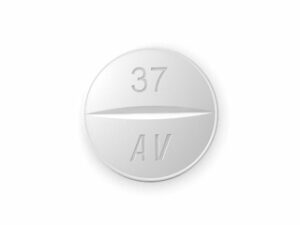
Desmopressin (DDAVP) – Patient Information for the United Kingdom
Desmopressin is a medicine used to treat certain conditions where the body needs help to control water balance. It works by acting like a natural hormone called vasopressin, but in a way that mainly targets the kidney to reduce urine production.
This page explains what desmopressin is, how it works, how it is taken, what to expect, key safety points, and where to find reliable UK-specific information.
Basic product information
| Category | Details |
|---|---|
| Generic name | Desmopressin |
| How it’s used | Commonly available as tablets, melt/sublingual formulations, or intranasal preparations (varies by brand/product) |
| Therapeutic group | Hormone analogue (antidiuretic) |
| Main effect | Reduces urine output and helps concentrate urine |
| Special monitoring need | May lower blood sodium (hyponatraemia). Monitoring and fluid guidance are important. |
How desmopressin works (mechanism of action)
Desmopressin is a synthetic form of vasopressin (also known as ADH). The key action is to bind to receptors in the kidney—primarily in the collecting ducts.
- It increases water reabsorption from the urine back into the body.
- This leads to less urine being produced and urine becoming more concentrated.
- It can also help with hormone-related problems affecting the timing and volume of urination, especially overnight.
By controlling water loss, desmopressin can improve symptoms related to excessive urination and certain hormone-linked conditions.
Pharmacokinetics (how the body handles it)
Pharmacokinetics describes what happens to a medicine in the body—how it’s absorbed, how long it acts, and how it’s removed.
- Absorption: Depends on the formulation (tablet vs melt vs intranasal).
- Onset of action: Typically begins within about 1 hour after oral administration; intranasal can be faster for some patients.
- Duration: The antidiuretic effect lasts long enough to be useful for day/night control in many conditions, commonly requiring careful timing and fluid advice.
- Elimination: Primarily via the kidneys.
Because effects depend on the formulation and individual sensitivity, clinicians may advise different dosing schedules and fluid limits for different uses.
Typical uses in the UK
Desmopressin is used for a range of conditions involving abnormal water balance and, in some cases, related hormone deficiencies. Common indications include:
- Diabetes insipidus (central causes): a condition where the body cannot properly produce/use vasopressin, leading to excessive thirst and urination.
- Nocturnal enuresis (bedwetting) in selected patients, where it is appropriate to reduce nighttime urine production.
- Primary nocturnal enuresis and related paediatric use in certain age groups, when behavioural measures and other approaches may be insufficient.
- Other specialist indications may apply depending on local guidance and patient circumstances.
The safest approach is to ensure your use matches the appropriate condition and that any monitoring and fluid guidance are followed.
When to take it (timing and practical scheduling)
Timing is one of the most important practical aspects of desmopressin. Because it can reduce urine production for several hours, the goal is to take it at a time that targets the problem while avoiding excessive total water retention.
- Nocturnal symptoms: Desmopressin is often taken in the evening to help reduce overnight urine production.
- Diabetes insipidus: Dosing may be divided across the day to maintain stable control of urine output and thirst.
- Consistency: Take it at the same time(s) each day if a schedule has been provided, to stabilise effects.
If you are using a formulation that dissolves in the mouth or is taken intranasally, follow the product-specific instructions carefully, as absorption can differ.
Food and drink interactions
Food can affect the absorption of some desmopressin formulations, particularly oral tablet forms.
- General guidance: If your product leaflet recommends taking desmopressin with or without food, follow that advice.
- Staying consistent: For many people, taking it the same way each time (with similar meals/spacing) helps maintain stable effect.
- Fluids matter more than food: The biggest safety consideration is not food, but overall fluid intake around doses.
Always read the leaflet that comes with your exact desmopressin product, as instructions may vary between presentations and brands.
Alcohol interactions
Alcohol can increase the risk of dehydration or affect sleep patterns, and it may complicate fluid balance. Although alcohol is not always listed as a direct biochemical interaction with desmopressin, it may still worsen outcomes for someone taking a medicine that changes water handling.
- Avoid excessive alcohol: Especially if you notice headaches, dizziness, or unusual tiredness.
- For night-time use: Alcohol may increase the chance of disrupted sleep and makes fluid and symptom control harder to maintain.
If you drink alcohol, discuss your situation with a healthcare professional—particularly if you take desmopressin for nocturnal enuresis or diabetes insipidus where fluid guidance is critical.
Medicine interactions (including key safety concerns)
Desmopressin’s most important risk is low blood sodium (hyponatraemia), which can become serious if fluid intake is too high or if other medicines add to the risk.
Medicines and situations that may increase hyponatraemia risk include:
- Diuretics (especially those that affect fluid/sodium balance)
- Medicines that increase water retention or affect kidney handling of water
- Selective serotonin reuptake inhibitors (SSRIs) and some other antidepressants (in some patients)
- Non-steroidal anti-inflammatory drugs (NSAIDs) (some people may be more sensitive)
- Other medicines that affect ADH/vasopressin pathways
If you take any regular medicines, especially for blood pressure, mood, pain, or fluid balance, check your product leaflet and speak to a healthcare professional to confirm there are no specific concerns for your combination.
Indications (what it treats)
Desmopressin is used to reduce urine output and improve symptoms in hormone-related or water-balance disorders. In the UK, commonly listed indications include:
- Central diabetes insipidus (lack of ADH production)
- Nephrogenic diabetes insipidus is usually less responsive; effectiveness depends on cause and specialist assessment
- Nocturnal enuresis in selected patients (particularly primary nocturnal enuresis), based on age and clinical circumstances
- Other specialist indications depending on diagnosis and local treatment pathways
Your intended use should align with the age group, diagnosis, and the type of formulation you are given.
Dosing (general information and important safety notes)
Dosing varies depending on the condition being treated, age, formulation, and individual response. The safest advice is to follow the dosing instructions provided with your specific desmopressin product and any clinical plan for your condition.
Key points when dosing desmopressin:
- Start at the lowest effective dose and adjust only as directed.
- Follow fluid guidance (especially around bedtime for nocturnal enuresis).
- Do not change the dose frequency without clinical advice.
- Correct timing matters—taking it too late or too close to additional fluids may increase risk.
Because desmopressin can affect sodium levels, clinicians may recommend blood tests in diabetes insipidus, and may be more cautious in children and in situations that raise hyponatraemia risk.
Examples (illustrative only): Some patients with nocturnal symptoms may take a single evening dose. Others may take divided doses across the day for diabetes insipidus. Exact dose strength and schedule are product-specific and must match your leaflet and clinician’s plan.
Safety profile and possible side effects
Serious risk: hyponatraemia (low sodium)
The most important serious adverse effect is hyponatraemia, which happens when too much water is retained relative to the body’s sodium balance. This can be especially likely if:
- fluid intake is high (especially near dose times)
- the dose is too strong for your sensitivity
- you are unwell (e.g., vomiting/diarrhoea)
- you use other medicines that increase risk
Seek urgent medical help if you or your child develop symptoms that may suggest hyponatraemia, such as:
- severe or persistent headache
- nausea and vomiting
- confusion, unusual drowsiness, or reduced alertness
- seizures
- significant worsening of weakness
Other possible side effects
Side effects can vary by person and dose. Commonly reported effects may include:
- Headache
- Nausea
- Stomach upset
- Flushing or feeling unwell (less common)
- Local irritation with intranasal forms (if applicable)
If you experience bothersome side effects, contact a healthcare professional for advice—particularly if symptoms could relate to fluid or sodium balance.
Who needs extra caution?
- Children taking it for bedwetting or other paediatric indications (fluid guidance is crucial)
- Older adults (increased susceptibility to hyponatraemia)
- People with a history of low sodium or conditions affecting fluid balance
- Those with kidney problems (monitoring and dose adjustments may be required)
Practical use tips (how to get the best and safest results)
- Follow the fluid plan: The most important safety measure is controlling total fluid intake around desmopressin—especially if you take it at night. Use the leaflet or your clinical advice as your primary guide.
- Don’t “catch up” with extra drinks: Avoid increasing fluids suddenly after a dose because it can raise the risk of hyponatraemia.
- Plan for illness: If you or your child are unwell (particularly with vomiting or diarrhoea), ask a clinician about how to manage desmopressin and fluid intake.
- Keep a symptom diary: Helpful for nocturnal enuresis (bedwetting frequency) or diabetes insipidus (thirst and urine volume), which can guide whether dosing is working.
- Check the formulation: Tablet, melt/sublingual, and intranasal products may have different instructions. Use the instructions for your exact product.
- Be consistent with the schedule: Changing dose timing or missed doses can affect control.
Alternative options
“Alternative” depends on the underlying condition. In the UK, options often include behavioural strategies and other medicines. Your clinician can advise the most suitable approach based on diagnosis and patient factors.
For nocturnal enuresis
- Behavioural strategies (bedtime routines, reducing evening drinks per plan, bladder training)
- Enuresis alarm (a non-medicine option that can be effective for some patients)
- Other medicine options may be considered in selected cases
For diabetes insipidus
- Hydration and monitoring plans tailored to cause and severity
- Specialist review of diagnosis to ensure the type of diabetes insipidus is correct (central vs nephrogenic) since response differs
- Individualised desmopressin adjustment or alternative formulations
If you’re exploring alternatives, consider discussing the goals (symptom control vs long-term stability), formulation preferences, and monitoring needs.
Market and legal context in the United Kingdom
Medicines in the UK are regulated by the Medicines and Healthcare products Regulatory Agency (MHRA). Patient information leaflets for desmopressin products are required to include key safety information, dosing guidance, and warnings relevant to each formulation.
In addition, the NHS and professional bodies publish guidance on managing conditions such as diabetes insipidus and nocturnal enuresis. Recommendations can evolve with new evidence and safety updates. It’s good practice to review the leaflet that comes with your specific product and to follow the most current advice from trusted sources (for example, NHS webpages).
Note: Product availability can vary over time and by formulation. Online pharmacies typically display what they can supply and may provide guidance on choosing the correct form.
Recent guidance and safety updates (what to look for)
While specific updates can vary by brand and formulation, current safety principles generally emphasise:
- Careful fluid management to reduce hyponatraemia risk.
- Appropriate patient selection for nocturnal enuresis, particularly in children.
- Attention to monitoring when treatment affects electrolyte balance.
- Prompt medical assessment if symptoms suggest low sodium.
If you’ve had an illness, changed other medicines, or are experiencing new symptoms, re-check the leaflet and seek medical advice where appropriate.
Delivery and availability (online pharmacy information for the UK)
Availability of desmopressin can vary by strength and formulation (for example, tablet versus intranasal). When ordering from an online pharmacy in the UK:
- Check the exact formulation and strength shown on the product page.
- Confirm quantity and instructions (some packs differ in dosing schedule suitability).
- Delivery timeframes may depend on stock and courier service. Standard and express options may be available.
- Packaging and storage requirements are listed on the leaflet and product label—follow them carefully.
If stock is limited, some pharmacies may allow you to choose an alternative formulation or schedule a notification for restocking (depending on local regulations and supply).
Storage and disposal
- Storage: Keep desmopressin according to the leaflet (commonly at room temperature, away from moisture and excessive heat). Avoid exposing it to conditions outside the labelled range.
- Keep out of sight and reach of children.
- Disposal: Do not flush desmopressin down the toilet unless the leaflet specifically advises. Return unused medicine to a pharmacy collection scheme where available.
Frequently Asked Questions (FAQ)
1) What is desmopressin used for?
Desmopressin is used to reduce urine output and help control symptoms in conditions such as central diabetes insipidus and certain cases of nocturnal enuresis (bedwetting), depending on patient age and clinical assessment.
2) How quickly does it start working?
Many patients notice an antidiuretic effect within about 1 hour after oral administration, though timing can vary by formulation. Intranasal and melt formulations may differ. The exact timing is best confirmed in the leaflet for your product.
3) Can I drink normally when taking desmopressin?
Fluid guidance is essential. Drinking too much—especially around dosing—can increase the risk of hyponatraemia. Follow the fluid advice provided for your condition and the leaflet for your exact product.
4) What happens if I miss a dose?
If you miss a dose, follow the leaflet instructions for missed doses. In general, avoid doubling up. If you’re unsure—particularly for night-time use—seek advice from a healthcare professional.
5) Is desmopressin safe for children?
Desmopressin can be used in children for selected indications, but the risk of hyponatraemia is why age-appropriate dosing and strict fluid management are crucial. Always follow the child-specific guidance in the leaflet and clinical plan.
6) What symptoms suggest a problem?
Contact urgent medical services if you (or a child) develop symptoms that may indicate low sodium, such as severe headache, confusion, vomiting, marked drowsiness, or seizures.
7) Can I take desmopressin with other medicines?
Some medicines may increase the risk of hyponatraemia or affect kidney water/sodium balance. Check your product leaflet and speak to a healthcare professional or pharmacist if you take diuretics, antidepressants (including SSRIs), NSAIDs, or any other medicines that could influence fluid balance.
8) Does alcohol affect desmopressin?
Alcohol can complicate sleep and hydration patterns. While not always listed as a direct interaction, it may increase the risk of problems by affecting fluid balance and overall health. It’s best to avoid excessive alcohol and follow your fluid plan.
9) What are alternatives if desmopressin isn’t working?
For bedwetting, behavioural approaches and enuresis alarms may be options. For other conditions, alternative formulations or specialist review may be needed. A clinician can help tailor next steps.
10) Where can I find trusted UK information?
In the UK, you can consult the NHS, the MHRA for regulatory updates, and the product’s patient information leaflet included with your medicine.
Important reminder
Desmopressin can be very effective when used correctly, but its safety depends on correct dosing and—most importantly—managing fluid intake appropriately. Always read the leaflet supplied with your specific product and follow the guidance provided for your condition.