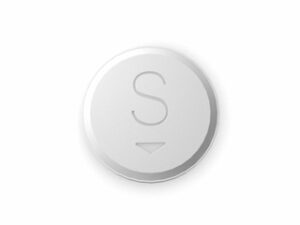
Diane 35 (Cyproterone acetate + Ethinylestradiol) — Patient Information (UK)
Diane 35 is a combined hormonal medicine containing two active ingredients: cyproterone acetate and ethinylestradiol. In the UK it is used primarily for certain hormone-related conditions, particularly where signs of “androgen” (male-type hormone) activity are present.
This page explains what Diane 35 does, how it works, how it is taken, what to expect, and the most important safety information. If you have questions about whether Diane 35 is suitable for you, speak with a qualified healthcare professional.
Basic product information
| Product | Active ingredients | Type | Common formulation |
|---|---|---|---|
| Diane 35 | Cyproterone acetate + Ethinylestradiol | Combined oral contraceptive / anti-androgen | Tablet (oral) |
How Diane 35 works (mechanism of action)
Diane 35 combines a progestogen-like component (cyproterone acetate) with an oestrogen component (ethinylestradiol). Together, they help reduce androgen effects in the body.
- Cyproterone acetate helps block androgen receptors and reduces the impact of androgens. This can improve symptoms such as acne and excessive oily skin, and can reduce unwanted hair growth in suitable patients.
- Ethinylestradiol changes hormone balance and increases the production of a protein that binds androgens (sex hormone-binding globulin). This lowers free androgens circulating in the body.
- Like other combined oral contraceptives, the overall hormonal pattern can help suppress ovulation, contributing to contraceptive effectiveness where applicable.
Typical uses in the UK
Diane 35 is mainly used for hormone-related skin symptoms where androgen activity is suspected or confirmed. Availability and exact prescribing practice may vary, and guidance may evolve over time. In general, it is considered when:
- Moderate to severe acne that has not responded adequately to standard treatments.
- Acne associated with signs of androgen excess (for example, increased facial/body hair, or other symptoms consistent with hyperandrogenism).
- Other androgen-related symptoms may be considered in carefully selected patients, depending on clinical assessment.
Your clinician will usually assess your individual risk factors and may consider alternative approaches before choosing Diane 35.
When to start and timing
The exact start day can depend on your circumstances (for example, whether you are switching from another combined pill, or starting after a break). Common practical timing principles include:
- Start on the correct day as instructed by your healthcare professional.
- Take one tablet daily at roughly the same time each day to maintain consistent hormone levels.
- Some packs follow a structured schedule (commonly 21 active tablets followed by a hormone-free interval), but always follow the pack instructions provided with your supply.
If you are switching from another contraceptive or hormone treatment, timing and additional precautions (such as barrier methods) may be advised during the transition period.
How to take Diane 35 (dosing and missed doses)
Diane 35 is taken by mouth. Typical dosing for the active tablets is:
- Adults: usually one tablet daily, following the pack schedule.
- Children: not usually applicable; use depends on specific clinical situations.
Missed tablets (general guidance)
If you miss tablets, the risk of reduced hormone effectiveness increases. Missed-dose guidance depends on how many tablets were missed and where you are in the pack cycle. In general:
- Follow the instructions in the patient leaflet supplied with your medicine.
- If you have missed tablets, you may need additional precautions for a period (often using condoms/barrier methods).
- If you are unsure what to do, seek guidance promptly from a healthcare professional or pharmacist.
If missed tablets occur and you have had unprotected sex, emergency contraception advice may be relevant; ask for timely advice.
Food interactions
Most people can take Diane 35 with or without food. Food does not generally have a clinically significant effect on absorption for most users. However, if you experience vomiting or severe diarrhoea shortly after taking a tablet, absorption may be reduced (see safety section).
Alcohol and medicine interactions
Alcohol
Moderate alcohol intake does not typically directly interact with Diane 35 in a clinically significant way for most users. However:
- Heavy or binge drinking can affect how well you remember doses and can increase the likelihood of missed tablets.
- If alcohol use is associated with vomiting, missed doses, or interactions with other medicines, your risk may change.
Interactions with other medicines
Some medicines can reduce the effectiveness of combined hormonal medicines and may increase side effects. They may also affect hormone levels via liver enzymes (for example, certain anticonvulsants and some antibiotics/antifungals).
Always tell a pharmacist or healthcare professional about everything you take, including over-the-counter products and herbal remedies. Particular attention is needed with:
- Enzyme-inducing medicines (can lower hormone levels): examples may include certain anti-epileptics.
- Some antibiotics and antifungals (evidence varies by product): ask for specific advice for your medicine.
- Medicines for HIV or hepatitis C (many have complex interactions): check individually.
- Herbal products such as St John’s wort (can reduce effectiveness).
- Other hormonal medicines or anti-androgens (may add to hormonal effects or affect safety risk).
If an interacting medicine is started or stopped, you may need extra contraceptive precautions and monitoring.
Pharmacokinetics (what happens in the body)
Pharmacokinetics describes how the body absorbs, distributes, metabolises, and eliminates medicine. While exact numbers can vary between individuals, the general process for Diane 35 includes:
- Absorption: Both cyproterone acetate and ethinylestradiol are absorbed after oral intake.
- Distribution: Ethinylestradiol binds substantially to plasma proteins; cyproterone acetate also binds to plasma proteins.
- Metabolism: Both components are metabolised in the liver. Cyproterone acetate undergoes extensive metabolism; metabolites are eliminated mainly via bile/urine pathways.
- Elimination: Elimination occurs through metabolic clearance. The practical result is that hormone levels depend on regular daily dosing.
- Steady state: With daily dosing, blood levels typically stabilise after repeated doses, which is why consistent use matters.
If you have liver disease or a history of liver-related complications, the suitability of Diane 35 may need careful review by a clinician.
Safety profile and important warnings
Like all combined hormonal medicines, Diane 35 can increase the risk of certain serious side effects in some people. It is particularly important to understand the risk of blood clots (venous thromboembolism) and strokes.
Seek urgent medical help if you notice signs of a blood clot
- Leg symptoms: swelling, pain, or tenderness in one leg; warmth or redness in a leg.
- Lung symptoms: sudden shortness of breath, coughing blood, or chest pain that may worsen on breathing.
- Stroke symptoms: sudden numbness/weakness on one side, facial droop, trouble speaking, dizziness, or sudden severe headache.
These symptoms require immediate assessment.
Other notable safety considerations
- Headaches and migraines: new, severe, or worsening headaches—especially with visual disturbances—should be assessed promptly.
- Blood pressure: combined hormonal medicines can raise blood pressure in some people. Regular checks may be recommended.
- Eye problems: sudden vision changes need urgent review.
- Jaundice or liver issues: yellowing of skin/eyes, dark urine, or severe abdominal pain should be reviewed urgently.
- Vomiting or severe diarrhoea: may reduce absorption—consider additional precautions and seek advice.
- Bleeding changes: spotting or breakthrough bleeding can occur, particularly in the first months.
Who should be assessed carefully before using Diane 35
You should ensure your healthcare professional is aware of your full medical history. Particular caution applies if you have:
- A history of blood clots or known clotting disorders
- Severe migraines (especially with aura)
- High blood pressure
- Diabetes with vascular involvement
- Smoking (risk increases substantially with age and number of cigarettes)
- Obesity or strong family history of blood clots
- Liver disease or abnormal liver function
- Breast cancer or a history of breast cancer
- Recent major surgery or prolonged immobilisation
Common side effects
Not everyone will experience side effects, and many improve over time. Commonly reported effects may include:
- nausea, stomach discomfort
- breast tenderness or swelling
- mood changes
- headache
- changes in bleeding pattern (spotting or irregular bleeding)
- temporary changes in skin oiliness
If side effects are severe, persistent, or worrying, seek advice. Don’t stop the medicine without guidance, particularly if it is being used to manage acne or other hormone-related symptoms and you have risk factors that require stable treatment planning.
Practical use tips (UK-friendly)
- Choose a routine time: take your tablet at a time you can consistently remember (e.g., breakfast or bedtime).
- Use a reminder: phone alarms, calendar alerts, or pill organisers can help reduce missed doses.
- Track bleeding changes: light spotting can occur early; note patterns and report persistent or heavy bleeding.
- Be prepared for sick days: if you vomit or have severe diarrhoea soon after taking a tablet, follow leaflet instructions and consider barrier protection until hormone absorption is likely restored.
- Review interactions: check with a pharmacist before starting new medicines, especially antibiotics/antifungals, anticonvulsants, and herbal supplements.
- Smoking and clot risk: if you smoke, consider stopping—your clinician can advise. Risk varies with age and smoking frequency.
What to expect (timing of symptom improvement)
For acne and other androgen-related symptoms, improvement is usually not immediate. Typical patterns include:
- First 1–3 months: some people notice reduced oiliness or fewer new spots; others may see little change initially.
- 3–6 months: many users experience more noticeable improvement in acne severity and skin texture.
- Ongoing assessment: if there is no meaningful response after a reasonable trial, your clinician may review the treatment plan.
Hormone-related changes (such as reduced hair growth) may take longer. Individual response varies.
Alternative options
If Diane 35 isn’t suitable for you, several alternatives may be considered depending on the underlying condition (acne, androgen excess symptoms, or contraception needs). Options can include:
- Other combined hormonal contraceptives with different hormone profiles.
- Non-hormonal acne treatments (topical retinoids, benzoyl peroxide, topical antibiotics, azelaic acid).
- Oral acne medicines (for example, certain oral antibacterials; in selected cases, isotretinoin—requires strict monitoring).
- Anti-androgen therapies where appropriate (your clinician will advise suitability and safety).
- Lifestyle support (gentle skin care routines, managing stress, and addressing triggers for acne).
The best alternative depends on your medical history, risk factors, and what you are aiming to treat.
UK market and legal context (overview)
Diane 35 is an established medicine in the UK. As with all medicines, its supply is governed by UK medicines regulation and prescribing and usage guidance can be influenced by updated safety evidence and professional recommendations.
Combined oral contraceptives containing ethinylestradiol are associated with a risk of blood clots, and risk can differ between products. In addition, anti-androgen use for acne has been subject to safety-focused review and careful selection of patients by clinicians.
This means that, in practice, healthcare professionals may consider:
- whether you have already tried standard acne therapies
- whether you have clinical signs of androgen excess
- your personal and family risk factors for clotting and cardiovascular events
- the most suitable product type compared with other options
Recent guidance (high-level)
Over time, regulatory and professional guidance across Europe and the UK has emphasised: individualised benefit–risk assessment, particularly for medicines used in acne and for people with risk factors for blood clots.
Healthcare professionals are generally encouraged to:
- use the medicine only when clinically appropriate
- consider alternatives where suitable
- perform careful screening for contraindications
- provide clear advice on warning signs (for example, symptoms of clots or stroke)
If you are already taking Diane 35, it’s still important to have regular reviews as advised and to report any new symptoms promptly.
Delivery and availability (UK)
Online pharmacy availability can vary depending on stock levels and the specific product strength in your region. If Diane 35 is temporarily unavailable, a reputable pharmacy may be able to:
- suggest an equivalent option where clinically appropriate, or
- offer an alternative based on your needs, or
- provide delivery time estimates and restock notifications.
Delivery options, dispatch times, and packaging details depend on the pharmacy service you use. For safe storage, keep the tablets in their original packaging and store at the conditions stated on the label.
FAQ
1) Is Diane 35 only for acne?
Diane 35 is primarily used for certain hormone-related skin conditions, particularly acne associated with androgen signs. It may also have contraceptive effects because it is a combined hormonal medicine. Your clinician can confirm the intended use for you.
2) How long does it take for Diane 35 to work?
Some improvement can be seen within the first few months, but a clearer effect for acne often takes around 3–6 months. Hair-related changes can take longer.
3) Can I take Diane 35 with food?
Yes. Food does not usually affect how Diane 35 is absorbed. Take it consistently at the same time each day for best results.
4) What should I do if I vomit after taking a tablet?
Vomiting soon after taking a tablet can reduce absorption. Follow the instructions in the leaflet provided with your tablets and seek advice from a healthcare professional or pharmacist. You may need additional contraceptive precautions.
5) Are there medicines I should avoid while taking Diane 35?
Some medicines can reduce effectiveness or change hormone levels. Always check with a pharmacist before starting new medicines, including certain antibiotics/antifungals, anticonvulsants, HIV/hepatitis medicines, and herbal supplements such as St John’s wort.
6) Can I drink alcohol while using Diane 35?
Moderate alcohol intake is usually not a direct problem. The main concern is maintaining regular dosing and avoiding vomiting/diarrhoea that could affect absorption. If you drink heavily, missed doses are more likely.
7) What are the serious warning signs I should know?
Know the symptoms of a possible blood clot or stroke (for example: leg swelling and pain, sudden shortness of breath, chest pain, or sudden weakness/numbness and trouble speaking). If any occur, seek urgent medical assessment.
8) Who should not use Diane 35?
Use may be unsuitable for people with certain risk factors or medical conditions (such as a history of blood clots, severe migraines with aura, or significant liver disease). A clinician will help decide based on your individual risk profile.
9) Can I stop Diane 35 if my acne improves?
Stopping can lead to return of symptoms over time. Decide with your clinician, especially if you are using it for several conditions or if stopping would change your contraceptive protection needs.
10) What if Diane 35 doesn’t improve my acne?
If there is no meaningful improvement after an appropriate period, your clinician may reassess the diagnosis, review adherence, consider alternative acne therapies, or change to another hormonal/non-hormonal option.
Important reminders
- Always read the patient information leaflet supplied with Diane 35 for complete details relevant to your pack.
- Report new symptoms—especially severe headaches, vision changes, chest pain, breathlessness, or leg swelling—promptly.
- Keep a current list of your medicines and show it to healthcare professionals to check interactions.