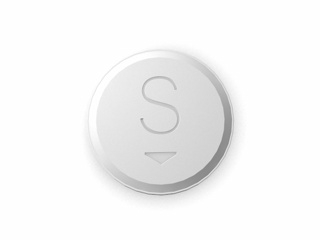
Dydrogesterone (Dydrogesterone)
Dydrogesterone is a medicine used to support hormone balance in women by providing the effects of progesterone (a natural hormone). It is commonly prescribed in the UK to help protect the lining of the womb (endometrium) and to treat certain conditions related to progesterone deficiency.
This page explains what dydrogesterone is, how it works, how it is taken, and important safety information. Always follow the instructions on your pack and the advice of your healthcare professional.
Basic product information
| Category | Details |
|---|---|
| Active ingredient | Dydrogesterone |
| Medicinal form (commonly available) | Tablets |
| Hormone type | Progestogen (progestin) |
| Typical role | Supports progesterone activity; helps protect the uterine lining |
| Where it is used | United Kingdom (availability depends on brand and supply) |
How dydrogesterone works (mechanism of action)
Dydrogesterone acts as a progestogen. In simple terms, it mimics the actions of the hormone progesterone in the body. Its main effects include:
- Stabilising the endometrium: It helps prepare and maintain the uterine lining so it is less likely to grow excessively when oestrogen levels are present.
- Counterbalancing oestrogen: In women who have a uterus, progestogens are often used alongside oestrogens to reduce the risk of endometrial overgrowth.
- Supporting cycle-related changes: It can help regulate hormone-dependent bleeding patterns in certain conditions.
By providing progesterone-like activity, dydrogesterone supports treatments where a progesterone effect is needed.
Pharmacokinetics (what the body does to the medicine)
“Pharmacokinetics” describes how the body absorbs, distributes, metabolises, and eliminates a medicine. For dydrogesterone, key points include:
- Absorption: Dydrogesterone is absorbed after oral administration.
- Metabolism: It is extensively metabolised, mainly to its active metabolite 20α-dihydrodydrogesterone.
- Elimination: The metabolite(s) are excreted primarily through the urine.
- Duration of effect: The dosing schedules are designed to maintain a suitable progestogenic effect over the required period for each indication.
Your exact regimen depends on the condition being treated and your medical history.
Typical uses and indications
In the UK, dydrogesterone may be used for a variety of hormone-related conditions. Common indications include situations where progesterone effects are needed, such as:
- Threatened or recurrent miscarriage (where progesterone support is considered appropriate)
- Prevention of recurrent miscarriage in selected patients
- Irregular or abnormal uterine bleeding due to hormone imbalance
- Endometriosis (to help reduce the hormone-driven activity of endometrial-like tissue)
- Premenstrual-type symptoms in some cases where indicated
- Oestrogen replacement therapy in women with a uterus, to protect the endometrium from oestrogen-related thickening
The specific indication determines the dosing pattern (for example, whether tablets are taken daily or only during certain parts of the menstrual cycle).
Dosing: how to take dydrogesterone
Dosing varies by the condition being treated, your age, and whether you use it cyclically or continuously. Below are general principles; always use your own prescription instructions and the patient information leaflet supplied with your product.
General dosing principles
- Follow the schedule carefully: Progestogens are often used for specific durations and, in some conditions, during particular days of the menstrual cycle.
- Consistent timing: Try to take the medicine at similar times each day.
- Do not double up: If you miss a dose, follow the guidance in the leaflet for your product or ask a pharmacist for advice.
Typical example regimens (illustrative)
Regimens differ widely. The table below shows illustrative examples of how dydrogesterone is commonly scheduled in clinical practice. Your exact dose should be confirmed by your healthcare professional and/or the product leaflet.
| Condition (indication) | Typical approach | How dosing may be scheduled |
|---|---|---|
| Irregular bleeding / progesterone support | Restore or support hormonal balance | Often taken in daily courses; sometimes timed to cycle days |
| Endometriosis | Reduce progesterone-sensitive activity | Commonly taken daily for a defined treatment period |
| Oestrogen replacement therapy (uterus present) | Protect endometrium | Typically taken alongside oestrogen, either cyclically or continuously depending on regimen |
| Miscarriage support (selected patients) | Progesterone support during early pregnancy | Often started promptly when indicated and continued for a defined duration |
If you are unsure about how to take dydrogesterone for your situation, check the patient leaflet or speak to a pharmacist.
Timing: when to take it during the day
Dydrogesterone can usually be taken at any time of day, but it is important to keep a consistent schedule. If your regimen requires more than one tablet per day:
- Space doses evenly: For example, if taken twice daily, aim for roughly 12 hours apart.
- Choose a routine: Many people link dosing to daily routines like breakfast and evening meals.
- Use reminders: Phone alarms or calendar reminders can help reduce missed doses.
Food interactions: can you take it with meals?
Dydrogesterone may be taken with or without food for most people. Food does not typically prevent the medicine from working, but your product leaflet may contain more specific advice.
Practical tips:
- If you experience nausea, consider taking tablets with a meal or after food (unless your leaflet advises otherwise).
- Maintain a consistent approach (with or without food) to make your routine easier.
Alcohol interactions and combined medicine considerations
Alcohol can affect how you feel and, in some cases, may influence adherence (for example, making it easier to miss doses). There is not always a direct, clinically significant interaction between dydrogesterone and alcohol, but alcohol may worsen side effects such as dizziness or fatigue in some individuals.
General alcohol guidance:
- If you drink alcohol, do so in moderation.
- Avoid heavy drinking if it increases the risk of missed doses or side effects.
- If you are pregnant or trying to conceive, it is especially important to seek individual advice, as alcohol is generally not recommended.
Other medicine interactions
Interactions can occur with medicines that alter liver enzyme activity. These can potentially change the way hormonal medicines are metabolised. Tell your pharmacist or healthcare professional about:
- Medicines for epilepsy (anti-seizure medicines)
- Certain antibiotics and antifungals
- Herbal preparations such as St John’s wort
- Any hormone treatments, including oestrogen therapies
- Supplements or over-the-counter remedies you use regularly
Always check the leaflet for your specific product and ask for advice if you are unsure.
Safety profile: important warnings and side effects
Like all medicines, dydrogesterone can cause side effects. Many are mild and temporary, but some symptoms require prompt medical attention. Below is a patient-friendly overview.
Common side effects
- Headache
- Nausea or stomach discomfort
- Breast tenderness
- Mood changes
- Irregular bleeding (especially during the first stages of treatment)
Less common but serious symptoms (seek urgent medical advice)
Contact urgent medical services or seek urgent advice if you develop signs of serious reactions, such as:
- Signs of an allergic reaction: rash, swelling of the face/lips, difficulty breathing
- Severe or sudden headache, vision changes, weakness on one side (stroke-like symptoms)
- Chest pain, coughing blood, or sudden shortness of breath
- Severe abdominal pain, especially with nausea/vomiting
Who should take extra care
Discuss dydrogesterone with a healthcare professional before starting if you have (or have had):
- Unexplained vaginal bleeding
- Liver problems or a history of liver disease
- A history of blood clots (thromboembolism)
- Hormone-related cancers (your prescriber will assess suitability)
- Known hypersensitivity to dydrogesterone or tablet ingredients
Pregnancy and breastfeeding
Dydrogesterone is sometimes used in early pregnancy for specific indications. If you are pregnant, planning pregnancy, or breastfeeding, it is essential to follow personalised medical advice and the product leaflet.
Practical use tips (to get the best results)
- Read the leaflet each time: Different brands or strengths may include different wording for side effects and missed doses.
- Use a calendar: If you take doses for only certain days of your cycle, mark start/stop dates.
- Track bleeding changes: Note any spotting, heavier bleeding, or unusual symptoms and discuss them with a pharmacist/clinician.
- Do not stop suddenly if advised not to: For some indications, stopping early may reduce effectiveness.
- Keep follow-up appointments: Hormone treatments may require monitoring, especially if symptoms persist or change.
Missed dose: what to do
If you miss a dose, the correct action depends on your dosing schedule and how close it is to the next dose. Always consult the patient information leaflet for your specific product.
As a general rule:
- Do not double up unless your leaflet specifically advises it.
- If you’re unsure, ask a pharmacist for guidance.
Alternative options
There are several progesterone/progestogen alternatives depending on the indication. Options may include other progestogens used for similar hormone support or endometrial protection, and the choice may depend on availability, tolerability, and clinical reasoning.
Examples of alternatives (not an endorsement; selection depends on individual suitability):
- Other oral progestogens (e.g., certain progesterone-like medicines used cyclically)
- Vaginal or rectal progesterone preparations in some indications
- Levonorgestrel-releasing intrauterine system (LNG-IUS) for endometrial protection in specific regimens
- In some cases, different hormonal strategies may be considered
A clinician or pharmacist can explain which alternatives are appropriate for your particular condition and how their schedules differ.
Market and legal context in the United Kingdom
In the UK, medicines are regulated by the Medicines and Healthcare products Regulatory Agency (MHRA). Dydrogesterone-containing products are supplied according to UK regulatory requirements, including brand selection, formulation, strength, and patient leaflet content.
Supply can vary by manufacturer and distribution; your ability to purchase online depends on the pharmacy’s stock, service model, and availability at the time you order.
Recent guidance and clinical considerations
Hormone treatments may be updated over time as research develops and guidance is refined. In the UK, clinicians often consider:
- The specific condition being treated and the evidence base supporting progesterone or progestogen use
- Individual risk factors, including medical history and any relevant contraindications
- How best to monitor response (for example, symptom tracking and follow-up review)
- Periodic review of the need to continue therapy and whether a change in regimen is appropriate
If you have questions about whether dydrogesterone is suitable for your situation, ask your pharmacist or clinician for up-to-date advice.
Delivery and availability (UK online pharmacy)
Availability of dydrogesterone tablets may vary by strength and brand. When you order online, stock status and dispatch times depend on:
- Current inventory in the pharmacy network
- Delivery location in the UK
- Cut-off times for same-day dispatch (if offered)
- Carrier services and weather/peak travel conditions
Typical delivery expectations (may vary by provider):
- Standard delivery: commonly 2–3 working days
- Express options: may be available for urgent needs
- Packaging: discreet, secure packaging is usually used
After ordering, you will usually receive confirmation and tracking details if the service supports it.
Storage
Store dydrogesterone tablets according to the instructions on the pack and leaflet. In general:
- Keep tablets in their original packaging
- Store at room temperature (unless stated otherwise)
- Keep out of sight and reach of children
- Do not use after the expiry date printed on the pack
Frequently Asked Questions (FAQ)
1) What is dydrogesterone used for?
Dydrogesterone is a progestogen used to provide progesterone-like effects. In the UK it may be used for conditions such as irregular uterine bleeding, endometriosis, or to protect the womb lining when oestrogen therapy is used (where appropriate). It may also be used in selected circumstances related to miscarriage prevention or support.
2) Can I take dydrogesterone with food?
Usually yes. Many people take it with or without food. If your patient leaflet provides specific instructions for your product, follow those. Taking with food may be helpful if you experience mild stomach upset.
3) Does alcohol interact with dydrogesterone?
There is often no major direct interaction, but alcohol may increase side effects for some people and can make it easier to miss doses. If you’re pregnant or trying to conceive, seek personalised advice, as alcohol is generally not recommended.
4) What happens if I miss a dose?
The action depends on your dosing schedule and the time since the missed dose. Do not double up unless your leaflet instructs you to. Check the patient leaflet for your product or ask a pharmacist for advice.
5) Are there any common side effects?
Common side effects may include headache, nausea, breast tenderness, and changes in bleeding patterns (often particularly during the early phase of treatment). If side effects are severe or persistent, seek medical advice.
6) When should I seek urgent help?
Seek urgent medical attention if you experience symptoms of a serious allergic reaction (such as breathing difficulty or facial swelling), or symptoms suggesting a blood clot or stroke (such as sudden shortness of breath, chest pain, one-sided weakness, or severe sudden headache).
7) Can dydrogesterone be used with other hormone treatments?
It may be used alongside oestrogen therapy for certain indications, especially to protect the uterine lining. Always follow the regimen prescribed for your situation, and review your full list of medicines with your pharmacist or clinician.
8) Is dydrogesterone available for delivery across the UK?
Availability and delivery speed depend on stock and your location. Check the product page for current stock status and delivery options.
Important note
This information is provided to help you understand dydrogesterone and how it is commonly used in the UK. It is not a substitute for medical advice. If you have any concerns about suitability, side effects, or interactions, speak to a pharmacist or healthcare professional.