Levlen (Ethinyl estradiol / Levonorgestrel) – Patient Information (UK)
Levlen is a combined oral contraceptive (COC) containing two hormones:
- Ethinyl estradiol
- Levonorgestrel
This medicine is taken by mouth to help prevent pregnancy and may also be used for certain gynaecological concerns depending on your individual situation.
This page is designed to be patient-friendly and UK-focused. Always read the patient information leaflet supplied with your pack and follow your prescriber’s instructions.
Quick facts
- Medicine name: Levlen (ethinyl estradiol / levonorgestrel)
- Type: Combined oral contraceptive pill (estrogen + progestogen)
- How it works: Prevents ovulation, thickens cervical mucus, and changes the uterine lining
- How it’s taken: Typically once daily for 21 days followed by a break or placebo days (depending on the specific pack)
- Key safety point: Not suitable for everyone—risk of blood clots is higher with COCs than with no pill
Basic product information
Levlen is a “combined” pill because it contains both an estrogen and a progestogen. The combination is designed to provide reliable contraception when taken correctly and consistently.
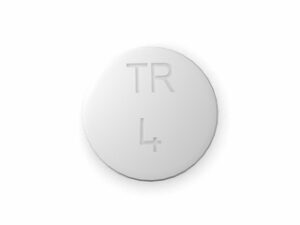
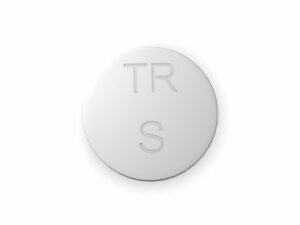
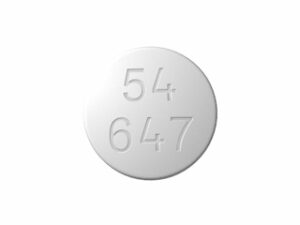
Common tablet presentation: Packs often follow a 21-active-tablet pattern with a subsequent break or hormone-free interval. Some variants include placebo/low-hormone days. The exact schedule depends on the specific Levlen pack you have.
What to expect: Many people experience regular bleeding during the hormone-free interval (often lighter and more predictable than natural periods).
How Levlen works (mechanism of action)
Levlen prevents pregnancy primarily through three complementary actions:
- Inhibits ovulation (stops the ovaries from releasing an egg).
- Thickens cervical mucus, making it harder for sperm to reach the egg.
- Alters the endometrium (uterine lining) so implantation is less likely.
When you take the pill consistently, these mechanisms work together to provide effective contraception.
Pharmacokinetics (how your body handles the medicine)
“Pharmacokinetics” describes how the body absorbs, distributes, metabolises, and eliminates the active hormones.
Ethinyl estradiol
- Absorption: Well absorbed after oral administration.
- Distribution: Binds to plasma proteins.
- Metabolism: Extensively metabolised, mainly in the liver.
- Elimination: Metabolites are excreted via urine and bile.
Levonorgestrel
- Absorption: Rapid and well absorbed after oral administration.
- Distribution: Binds to sex-hormone binding globulin (SHBG) and other plasma proteins.
- Metabolism: Metabolised in the liver.
- Elimination: Excreted as metabolites, mainly via bile/urine pathways.
Important practical meaning: The timing of dosing and any medicine that affects liver enzymes can influence hormone levels and contraceptive effectiveness.
Typical use
Contraception: Levlen is used to prevent pregnancy.
Other potential benefits (for some individuals):
- More predictable bleeding patterns
- Lighter, less painful periods for some people
- Support for certain menstrual-related symptoms (depending on eligibility and clinical advice)
Use for non-contraceptive indications should be guided by your healthcare professional and the local product information.
How to start Levlen: timing and effectiveness
When you start a combined pill, you may not be protected immediately in all situations. Your protection depends on:
- Where you are in your cycle when you begin
- Whether you have recently used another hormonal method
- Whether you miss any doses in the first days
General guidance (UK-aligned, but check your specific pack/leaflet)
- Starting within the recommended early window of your cycle is often associated with faster protection.
- If you start later, you may need additional contraception (e.g., condoms) for a short period.
- After a break or missed doses, follow the “missed pill” instructions in the leaflet.
Tip: If you are unsure whether you are fully protected, use condoms and seek advice. This is especially important after unprotected sex.
Dosing (how much and how often)
Standard dosing: One tablet daily, at about the same time each day, following the schedule in your pack.
Consistency matters: Take the pill every day. If you change timing frequently or miss doses, contraceptive effectiveness may reduce.
If you vomit or have severe diarrhoea
- If you vomit soon after taking a tablet, it may not have been fully absorbed.
- If you have severe or prolonged diarrhoea, absorption may be affected.
In both cases, follow the guidance in the leaflet and consider using additional contraception until you have taken tablets reliably again.
Food interactions
Food does not typically have a major effect on how Levlen is absorbed.
- You can usually take Levlen with or without food.
- Try to take it at a consistent time to reduce the risk of missed doses.
Practical note: Severe vomiting or diarrhoea is more relevant than normal meals.
Alcohol and medicine interactions
Alcohol
Moderate alcohol intake does not generally directly reduce contraceptive effectiveness in the way that some medicines do.
However, alcohol can increase the chance of missed doses if it affects your routine. For best protection:
- Keep a consistent pill-taking time
- Consider setting a daily reminder
Medicine interactions (important)
Certain medicines can reduce the effectiveness of combined pills by increasing the metabolism of the hormones or affecting enterohepatic recycling.
Examples of medicines that may interact include (not exhaustive):
- Some anti-epileptics (certain barbiturates, carbamazepine, phenytoin, topiramate—depending on dose)
- Rifampicin and similar antibiotics used for specific infections
- Medicines for HIV (some combinations)
- St John’s wort (a herbal remedy)
- Some antifungals and antivirals may also interact
What to do:
- Tell your pharmacist or prescriber about all medicines and supplements you take (including herbal products).
- If an interacting medicine is started, additional contraception may be required during treatment and for a period afterwards.
- Always check the leaflet for the interaction section relevant to your pack.
Antibiotics: Many common antibiotics do not significantly affect the pill. However, some exceptions may exist—especially rifampicin. Follow professional guidance and leaflet instructions.
Indications (what Levlen is used for)
In the UK, Levlen is indicated for:
- Contraception (preventing pregnancy).
Some combined oral contraceptives may also be used for other menstrual or hormonal symptoms if deemed appropriate. This depends on the product licence and your personal medical history.
Safety profile: important considerations
Like other combined oral contraceptives, Levlen may not be suitable for everyone. The most important safety topic for combined pills is the increased risk of blood clots (venous thromboembolism) and, in certain circumstances, arterial events such as stroke or heart attack.
Who needs extra caution?
You should seek medical advice before using Levlen if you have any of the following:
- A history of blood clots (DVT/PE) or known clotting disorders
- Migraine with aura
- High blood pressure
- Smoking, especially if you are older (risk increases with age and number of cigarettes)
- Diabetes with vascular disease or other serious risk factors
- Major surgery requiring long immobilisation
- Postpartum period (timing depends on individual circumstances)
Warning signs (seek urgent help) – stop and get medical assistance immediately if you experience:
- Possible clot in a leg: painful swelling, warmth, redness
- Possible lung clot: sudden shortness of breath, chest pain, coughing blood
- Stroke symptoms: sudden numbness/weakness, difficulty speaking, severe headache, vision changes
- Severe chest pain or symptoms suggestive of a heart attack
This list is not exhaustive. If you are worried, contact a healthcare professional promptly.
Other potential side effects
Side effects can vary between individuals. Commonly reported effects may include:
- Nausea
- Breast tenderness
- Headache
- Changes in bleeding pattern (spotting or breakthrough bleeding, especially in the first months)
- Changes in mood
Most side effects often settle after the first few months. Persistent or severe symptoms should be discussed with a clinician.
When to take extra care
- If you miss tablets or restart after a break, follow the missed-pill instructions.
- If you develop jaundice (yellowing of skin/eyes), severe abdominal pain, or significant changes in vision, seek advice.
- If you have planned surgery, discuss whether you need temporary discontinuation to reduce clot risk.
Practical use tips for reliable contraception
- Pick a routine time: e.g., after breakfast or before bed.
- Set reminders: phone alarms or pill calendar packs.
- Keep tablets in the original packaging: to reduce confusion and to track the schedule.
- Plan for travel: bring enough tablets for the full trip and account for time zone changes.
- Don’t rely on “spot checks”: contraception isn’t guaranteed if doses are missed.
- If you start interacting medicines: ask whether you need extra protection while taking them.
If you miss a tablet: follow the “missed pill” guidance in the leaflet carefully, as recommendations depend on how many tablets are missed and when.
Alternative options
If Levlen isn’t suitable (or you prefer another method), there are several alternatives available in the UK:
Other combined pills
- Different estrogen/progestogen combinations
- Different dosing schedules (e.g., 21/7, 24/4, or other regimes depending on product)
Progestogen-only methods
- Progestogen-only pill (POP)
- Long-acting reversible contraception (LARC) such as hormonal IUS (coil), implant, or injection
Non-hormonal contraception
- Copper intrauterine device (IUD)
- Barrier methods (condoms), including for STI protection
Which option is best? It depends on your health history, bleeding preferences, convenience, and plans for the future. A healthcare professional can help you choose.
UK market and legal context (overview)
In the United Kingdom, combined oral contraceptives are regulated medicines and are supplied under UK medicines legislation and guidance.
Availability may vary by brand and pack presentation. Online pharmacies in the UK typically follow legal requirements for medicines supply, identity checks where needed, and provision of appropriate information for safe use.
Local guidance emphasis: Contraceptive use must consider individual suitability and clot risk factors, and users should be aware of warning signs and interaction risks.
Patient information matters: Always ensure you have the correct pack and read the leaflet included with your medicine.
Recent guidance and clinical considerations (what’s commonly emphasised in the UK)
UK contraception guidance generally highlights the following themes for combined pills:
- Individual risk assessment (particularly clot and cardiovascular risks)
- Clear instructions on starting and on missed tablets
- Interaction awareness, including enzyme-inducing medicines and herbal products like St John’s wort
- Recognising danger signs of thrombosis or stroke
- Smoking cessation support where relevant, due to increased cardiovascular risk with age and smoking
Guidance can be updated over time by professional bodies, and your healthcare professional’s advice should take priority for your situation.
Delivery and availability (UK)
Availability: Levlen availability can vary by supplier, pack size, and stock levels. Online pharmacies may offer delivery options based on local distribution networks.
Delivery: Delivery timeframes and costs depend on the pharmacy and your postcode. Some pharmacies use standard and express services. If a pack is temporarily out of stock, delivery timelines may change.
Storage: Store Levlen according to the instructions on the pack (typically at room temperature, away from excessive heat and moisture). Keep out of reach of children.
Before you travel: Check whether your delivery is scheduled to arrive before you leave, and keep tablets in their original packaging.
FAQ
1) How soon does Levlen start working?
Protection timing depends on when you start in relation to your natural cycle and how you previously used contraception. Some people may be protected immediately when starting in the recommended window, while others may need additional contraception for a short period. Consult your pack leaflet for the exact starting guidance.
2) What should I do if I miss a tablet?
Follow the missed pill instructions in the patient leaflet. Recommendations vary depending on how many tablets were missed and how far into the pack you are. If you have missed tablets and had sex, additional contraception guidance may be needed.
3) Can I take Levlen with food?
Yes. Levlen can generally be taken with or without food. The bigger concern is vomiting or severe diarrhoea soon after taking a tablet, which may reduce absorption.
4) Do antibiotics affect the pill?
Most commonly used antibiotics do not significantly affect combined pills. However, some exceptions may exist (for example, rifampicin). If you’re prescribed any medicine, check interaction guidance in the leaflet or ask a pharmacist.
5) Can I drink alcohol while taking Levlen?
Moderate alcohol intake does not usually directly affect effectiveness. The main risk is missing tablets or forgetting your routine. Take your pill as planned and seek advice if vomiting occurs.
6) What side effects are common?
Common effects include nausea, breast tenderness, headaches, and changes in bleeding patterns (spotting or breakthrough bleeding), especially during the first few months.
7) Is Levlen safe for everyone?
No. Combined pills are not suitable for all users due to risk factors for blood clots and other conditions. Your medical history and personal risk profile are important. If you have risk factors (such as clot history, migraine with aura, or smoking), speak to a healthcare professional.
8) What should I do if I get severe symptoms?
Seek urgent medical attention if you experience symptoms suggestive of a clot or stroke—such as sudden shortness of breath, chest pain, one-sided weakness, severe headache, or leg swelling with pain.
9) Will Levlen protect me against sexually transmitted infections (STIs)?
No. Like all oral contraceptives, Levlen does not protect against STIs. Condoms are recommended for STI protection, especially with new or multiple partners.
10) Are there alternatives to Levlen?
Yes. Options include other combined pills, progestogen-only pills, long-acting reversible contraception (like implants and hormonal IUS), and non-hormonal methods such as copper IUDs and condoms.
Product overview table
| Category | Levlen details |
|---|---|
| Active ingredients | Ethinyl estradiol + Levonorgestrel |
| Medicine type | Combined oral contraceptive pill (COC) |
| Main purpose | Prevents pregnancy |
| How it works | Suppresses ovulation, thickens cervical mucus, changes uterine lining |
| Dose schedule | Typically one tablet daily, following pack schedule (e.g., 21 active days with a hormone-free interval) |
| Food interaction | Usually none; vomiting/diarrhoea soon after a dose may affect absorption |
| Alcohol interaction | No direct interaction expected; avoid missing doses; seek advice if vomiting occurs |
| Medicine interactions | Certain enzyme-inducing medicines and herbal products may reduce effectiveness |
| Key safety risk | Higher risk of blood clots compared with not using a combined pill |
Reminder: This information is for general guidance. Your suitability for Levlen depends on your individual health and circumstances. If you have questions about starting, switching, missed tablets, or interactions, consult a pharmacist or healthcare professional and read the leaflet provided with your pack.