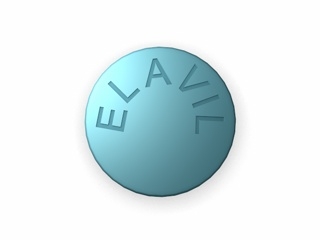


Elavil (Amitriptyline) — Patient Information (UK)
Elavil is the brand name for amitriptyline, a medicine used for a range of conditions. It belongs to a group of antidepressant medicines known as tricyclic antidepressants (TCAs). In the UK, amitriptyline is prescribed for several common long-term conditions, particularly when used at doses lower than those used for depression.
This guide is designed to be patient-friendly and practical. It explains how Elavil works, how it behaves in the body, what it’s used for, and what to expect when taking it. If you have questions about your specific situation, speak to a qualified healthcare professional.
Basic product information
- Medicine: Elavil
- Active ingredient: Amitriptyline
- Medicinal type: Tricyclic antidepressant (TCA)
- Common forms: Tablets (strengths vary by manufacturer)
- How it may be used: Often once daily, typically in the evening
- Availability in the UK: Widely used; availability depends on supply and pharmacy stock
How Elavil works (mechanism of action)
Amitriptyline works mainly by affecting chemical messengers in the brain and nervous system. It helps increase the levels of certain neurotransmitters involved in mood and pain pathways, particularly: serotonin and noradrenaline.
It also has effects on several receptors in the body, including those involved in sleep, pain sensation, and muscle/nerve signalling. These combined actions can explain why amitriptyline is used not only for mood-related symptoms, but also for certain chronic pain conditions and sleep-related problems.
Pharmacokinetics (how the medicine moves through the body)
Understanding pharmacokinetics can help you know what to expect over the course of the day and why taking it consistently matters.
- Absorption: Amitriptyline is absorbed from the gut after taking a tablet.
- Distribution: It distributes widely throughout the body, including the brain.
- Metabolism: It is metabolised in the liver (primarily via the CYP system). A related active metabolite called nortriptyline also contributes to the overall effect.
- Half-life: The effects may last well beyond the moment you swallow the tablet. Amitriptyline and its metabolite can persist for a long time, contributing to steady symptom control over days and weeks.
- Excretion: Metabolites are removed mainly through the kidneys (urine).
Because of the long-lasting nature of TCAs, side effects may take time to settle after starting, and benefits for some conditions may build gradually.
Typical use in the UK: what it’s prescribed for
In the UK, amitriptyline is used for a range of conditions. Common indications include:
Indications (examples)
- Chronic pain conditions, including neuropathic pain (pain caused by nerve signals).
- Prevention of migraine and some headache-related conditions, as determined by your clinician.
- Irritable bowel syndrome (IBS) with pain (in some patients), typically as part of a broader plan.
- Fibromyalgia-related symptoms (where clinically appropriate).
- Depression (for some patients, particularly where TCAs are suitable).
- Sleep difficulties linked to pain or mood issues (where appropriate).
The exact use depends on your diagnosis, other medications, medical history, and individual risk factors. Your clinician will choose the starting dose and whether dose changes are suitable.
Timing: when to take Elavil
Many people are advised to take amitriptyline in the evening, often before bed, because it can cause drowsiness in the early stages of treatment. If it makes you sleepy, evening dosing can help you manage this.
- Once daily dosing: Usually taken at the same time each evening.
- Starting dose: Often low, then adjusted slowly.
- If split doses are used: Some regimens may divide the total daily dose; follow your clinician’s instructions.
- If you forget a dose: Refer to your prescribing information and pharmacy guidance. In many cases, you may be advised to take it when remembered unless it’s close to the next dose.
Food interactions (what to know)
Food can influence how medicines are absorbed, though amitriptyline is generally taken as directed and does not typically require specific dietary changes. The most important points are:
- Take consistently: If you take it with food, keep taking it the same way each time; if you take it on an empty stomach, do the same daily for consistency.
- Stomach effects: If you experience nausea, taking your dose with a light meal may help.
- Grapefruit: Some medicines are affected by compounds in grapefruit. If you regularly consume grapefruit products, discuss with a pharmacist, because metabolism pathways can vary between individuals.
Alcohol and medicine interactions
Alcohol
It is generally not recommended to drink alcohol while taking amitriptyline, especially when starting or when your dose is being increased. Alcohol can increase side effects such as:
- drowsiness or sedation
- dizziness and impaired concentration
- worsened balance and fall risk
- slower reaction times (important for driving)
Other medicines (important interactions)
Amitriptyline can interact with several types of medicines. Always check interactions with your pharmacist or clinician, particularly if you take any of the following:
- Other antidepressants (including SSRIs, SNRIs, MAO inhibitors): may increase the risk of serotonin-related effects or other adverse reactions.
- Medicines affecting heart rhythm (antiarrhythmics or some antibiotics/antifungals): may affect the electrical activity of the heart.
- Medicines that increase sedation: sleeping tablets, opioids, some antihistamines, and anxiety medicines can add to drowsiness.
- Anticholinergic medicines: may increase dry mouth, constipation, or blurred vision.
- Medicines that change liver enzymes: some drugs can raise or lower amitriptyline levels.
- Tramadol and similar pain medicines: may increase seizure risk or serotonin-related effects in some cases.
Keep a list of all medicines you take (including over-the-counter products and herbal remedies) and show it to your pharmacist when you start Elavil or when you change dose.
Dosing: what’s typical and how treatment is adjusted
Doses vary widely depending on the condition being treated, your age, other medical conditions, and how you respond. For this reason, only your prescriber can determine your correct dose.
General dosing approach
- Start low: Many people begin with a small dose to reduce the chance of side effects.
- Increase slowly: Dose changes are usually gradual, especially during the first few weeks.
- Ongoing adjustments: If the medicine is effective and tolerated, the dose may be maintained.
- If stopping: TCAs are typically reduced gradually rather than stopped suddenly to avoid withdrawal-like symptoms.
Example dose ranges (illustrative)
These ranges are for general understanding only and do not replace individual medical advice:
| Use | Typical starting approach | Range commonly used* | Notes |
|---|---|---|---|
| Neuropathic pain / chronic pain | Low evening dose | Low to moderate dose | Often taken once daily; effect can build over 1–4+ weeks |
| Migraine prevention | Gradual evening dosing | Low to moderate dose | May be adjusted according to headache diary response |
| Depression | Lower dose initially, then adjust | Moderate to higher dose | Response typically takes several weeks |
*Exact doses vary by patient factors and local guidance. Always follow the dose on your label.
What to expect after starting Elavil
The timeline depends on what it’s being used for. Some people notice improvements in sleep or pain signals relatively early, while other benefits may take longer.
- First days: Drowsiness, dry mouth, or constipation may occur. These can improve as your body adjusts.
- 1–2 weeks: You may notice changes in sleep or comfort. Your clinician may decide whether to adjust the dose.
- Several weeks: For pain, mood, or migraine prevention, full benefit often takes time.
Safety profile and side effects
Like all medicines, Elavil can cause side effects. Many are manageable and often reduce with time, but some require urgent medical attention.
Common side effects
- Sleepiness or drowsiness (more noticeable early on)
- Dry mouth
- Constipation
- Dizziness or light-headedness
- Blurred vision
- Increased appetite and possible weight gain
- Sweating or feeling flushed
- Reduced sex drive or other sexual side effects
Less common but important risks
- Changes in heart rhythm and heart rate: TCAs can affect the heart’s electrical activity, especially at higher doses or in people with existing heart conditions.
- Seizure risk: Risk can be higher with certain co-medications or predisposition.
- Confusion (particularly in older adults or at higher doses)
- Urinary retention (difficulty passing urine), especially in those with prostate problems
Seek urgent help if you have
Contact emergency services or seek urgent medical attention if you experience symptoms that could indicate a serious reaction, such as:
- fainting, severe dizziness, or a very fast/irregular heartbeat
- chest pain or shortness of breath
- severe allergic reaction (swelling of face/lips, difficulty breathing, widespread rash)
- signs of severe confusion or extreme agitation
- thoughts of harming yourself or worsening mental health (urgent support is important)
Practical use tips for patients
- Start and adjust patiently: Benefits can take weeks and side effects may settle after dose adjustments.
- Be cautious with driving: Avoid driving or operating machinery until you know how Elavil affects you.
- Manage dry mouth: Sip water, use sugar-free chewing gum, and maintain good oral hygiene. Some people benefit from saliva substitutes.
- Prevent constipation: Drink adequate fluids, include fibre in your diet, and stay active. Ask a pharmacist about suitable fibre supplements or stool softeners if needed.
- Rise slowly: If you feel light-headed, get up gradually, especially from bed or a chair.
- Keep track of symptoms: If using for migraine or pain, keeping a headache/pain diary can help you and your clinician assess response.
- Don’t stop suddenly: Discuss stopping plans with a clinician; gradual reduction is often recommended.
Alternative options
Depending on why you’re taking amitriptyline, there may be alternative treatments. Your clinician may consider other medicines or non-medicine approaches.
Possible alternatives (examples)
- Other antidepressants used for nerve pain (for example, some SSRIs/SNRIs) depending on your condition.
- Other tricyclics (for example nortriptyline) when suitable and tolerated.
- Neuropathic pain medicines (such as gabapentin or pregabalin in appropriate patients).
- Headache preventives for migraine (medicines differ by individual risk profile).
- Non-drug strategies for chronic pain and IBS, such as physiotherapy, psychological therapies, dietary changes, and sleep management.
Alternatives are not interchangeable in dose or effectiveness, and suitability depends on your medical history and other medicines. Seek tailored advice.
Market and legal context in the UK
In the United Kingdom, amitriptyline products are regulated medicines. Availability and supply can vary between pharmacies and over time due to manufacturing and distribution factors.
Your local pharmacy can advise on stock availability, expected delivery times, and whether a specific strength or formulation may be temporarily unavailable.
Recent guidance and safety updates (what to watch)
Guidance around antidepressant and TCA use is updated periodically by health authorities and professional bodies. In practice, clinicians commonly emphasise:
- Careful risk assessment in people with heart disease, older adults, and those on interacting medicines.
- Slow titration to reduce side effects and improve tolerability.
- Monitoring when risk factors are present (for example, heart rhythm concerns).
- Mental health vigilance, particularly during early treatment or dose changes.
If you have specific risk factors (such as heart rhythm problems, fainting episodes, or a history of seizures), it’s especially important to discuss them with your healthcare team.
Delivery and availability
Elavil (amitriptyline) is generally widely available in the UK through community pharmacies and online pharmacy services that comply with UK regulations.
- Stock: Availability depends on strength and formulation. Some strengths may be ordered in.
- Delivery times: Delivery schedules vary by provider and location; most services aim for standard delivery windows and will notify you if a delay occurs.
- Packaging: Medicines should arrive in the manufacturer’s packaging when possible.
- Storage: Store at room temperature and follow the instructions on the outer packaging.
FAQ about Elavil (Amitriptyline)
1) Is Elavil used for depression?
Yes, amitriptyline is an antidepressant and may be used for depression. In the UK, it is also widely used for other conditions such as chronic pain and migraine prevention, depending on individual circumstances.
2) When will I feel better?
This depends on the reason you’re taking it. For some people, sleep and pain may improve within days, but for migraine prevention, nerve pain, or depression, it can take several weeks for the full benefit.
3) Why do people take it in the evening?
Many people experience drowsiness, especially when starting or after dose increases. Evening dosing can make those effects easier to manage and may support sleep.
4) Can I take Elavil with food?
Usually yes. Take it consistently in the way you’ve been advised (with or without food). If you feel nauseous, taking it with a light meal may help.
5) What happens if I drink alcohol?
Alcohol can increase sedation and dizziness and may worsen side effects. It’s generally best to avoid alcohol while taking Elavil, especially when starting or adjusting dose.
6) Can Elavil be taken with other medicines?
Some medicine combinations can be unsafe or increase side effects. In particular, medicines that affect heart rhythm, increase sedation, or affect serotonin pathways may interact. Tell your pharmacist about all your medicines and supplements.
7) Are there people who should take extra care?
Yes. Extra caution is often needed for people with heart problems, a history of seizures, urinary retention, glaucoma, significant liver disease, or those taking multiple interacting medicines. Older adults may also be more sensitive to side effects.
8) Is it safe to stop Elavil suddenly?
It’s usually not recommended to stop suddenly. Gradual reduction is often advised to reduce the risk of withdrawal-like symptoms and to maintain symptom control. Discuss any changes with your healthcare professional.
9) What should I do if I miss a dose?
Follow the advice provided with your medicine label or pharmacy instructions. If you’re unsure, contact a pharmacist for guidance. Do not take a double dose to make up for a missed tablet unless told to do so.
10) What are the most common early side effects?
Common early effects include drowsiness, dry mouth, constipation, and dizziness. These may lessen as your body adjusts, but you should seek advice if they are severe or persistent.
11) Can Elavil cause weight gain?
It can. Increased appetite and slower metabolism effects may contribute in some people. Maintaining a balanced diet and regular activity can help manage weight changes.
12) Is Elavil addictive?
Amitriptyline is not typically considered addictive in the way some other medicines can be. However, sudden stopping can cause unpleasant symptoms, which is why gradual reduction is important when discontinuing.
Need further help?
If you’re unsure about how to take Elavil, manage side effects, or whether it’s compatible with your other medicines, a pharmacist can provide tailored guidance. Keep your medicine label and patient information leaflet to hand.