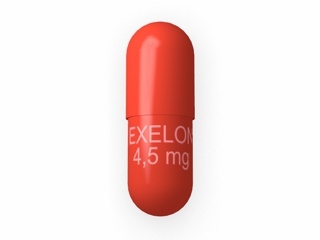


Exelon (Rivastigmine Tartrate) — Patient Information (UK)
Exelon contains rivastigmine tartrate, a medicine used to treat symptoms of certain types of dementia. It works by helping to improve levels of chemicals in the brain that are important for memory, thinking and daily functioning.
This guide explains how Exelon works, what it’s used for, how it’s typically taken, practical tips for everyday use, and important safety information relevant to people in the United Kingdom.
1) Basic product information
| Detail | Information |
|---|---|
| Active ingredient | Rivastigmine tartrate |
| Brand name | Exelon |
| Medicinal forms (commonly available in the UK) | Capsules, oral solution (and in some cases patch forms depending on brand availability) |
| How it works | Increases brain acetylcholine by inhibiting acetyl- and butyrylcholinesterase |
| Common uses | Alzheimer’s disease; dementia associated with Parkinson’s disease |
| Who it is for | Adults diagnosed with the relevant dementia type |
| Country context | UK medicines are regulated by MHRA and supplied via licensed channels |
2) What Exelon does (mechanism of action)
In dementia conditions such as Alzheimer’s disease and dementia associated with Parkinson’s disease, chemicals in the brain involved in memory and thinking can become reduced. One key chemical is acetylcholine.
Rivastigmine works by inhibiting enzymes that break down acetylcholine:
- Acetylcholinesterase
- Butyrylcholinesterase
By blocking these enzymes, Exelon helps increase and support acetylcholine activity. This may help maintain or slow decline in certain symptoms such as memory, attention, and the ability to carry out daily activities.
3) Pharmacokinetics (how the body handles it)
Pharmacokinetics describes how the medicine is absorbed, distributed, metabolised, and eliminated. While exact values can vary between individuals, the key points for rivastigmine are:
- Absorption: After oral administration, rivastigmine is absorbed from the gut.
- Onset: Symptom improvement is not usually immediate; dosing is typically increased gradually to help the body adjust.
- Metabolism: Rivastigmine is mainly metabolised in the body.
- Elimination: The metabolites are eliminated primarily via the kidneys (urine).
- Half-life: Effects generally last long enough to support regular dosing schedules; however, the medicine is often given in divided doses or as directed depending on formulation.
Because rivastigmine is broken down rapidly compared with some other dementia medicines, taking doses consistently at the prescribed times is important.
4) What Exelon is used for (indications)
In the UK, Exelon is used to treat:
- Alzheimer’s disease (mild to moderate stages are commonly targeted; the exact range depends on clinical assessment and product licence wording).
- Dementia associated with Parkinson’s disease in adults.
Exelon is used as part of overall dementia care, which may include support for carers, assessment of safety at home, and management of other health conditions.
5) Timing and how to take Exelon
The best timing depends on the formulation you have and the dose schedule recommended by your clinician. In general, rivastigmine doses are often taken twice daily (commonly morning and evening) and should be spaced according to the instructions.
General practical timing tips
- Take at the same times each day to maintain steady levels.
- Use a consistent routine (e.g., with breakfast and dinner).
- If you miss a dose: follow the instructions provided with your product or as advised by your clinician/pharmacist. In many cases, missed doses are skipped—do not take a double dose unless specifically instructed.
- Do not stop suddenly without advice: symptoms may worsen if the medicine is withdrawn; discuss changes with your healthcare professional.
6) Food interactions (what to know)
Exelon can be taken with or without food, but taking it with food may help reduce side effects, particularly nausea and vomiting. For many people, this improves tolerability during dose increases.
- With food: often better tolerated.
- Without food: may increase gastrointestinal side effects in some people.
If you experience nausea, vomiting, abdominal discomfort, or loss of appetite, discuss strategies with your pharmacist or clinician. They may advise adjusting the dosing schedule, ensuring it is taken with food, or modifying the dose escalation.
7) Alcohol and medicine interactions
Alcohol
Alcohol can affect memory, balance, and overall wellbeing—factors that may already be affected by dementia or Parkinson’s disease. Alcohol may also worsen side effects such as dizziness or stomach upset.
If you drink alcohol, speak to a healthcare professional about what is safe for you. In general, keeping alcohol intake low and monitoring for side effects is sensible.
Drug interactions
Rivastigmine may interact with medicines that affect the cholinergic system or that can increase risk of slow heart rate. Also, medicines that contribute to nausea, vomiting, or dizziness may add to Exelon’s side effects.
Tell your healthcare professional about all medicines you take, including:
- Prescription medicines
- Over-the-counter products
- Herbal remedies and supplements
- Medicines used for sleep, anxiety, or pain
Interaction categories to consider
- Medicines for heart rhythm or heart rate (risk of slow heart rate may be increased).
- Medicines with anticholinergic effects (may reduce rivastigmine effectiveness).
- Other cholinergic drugs (may increase side effects).
- Medications causing gastrointestinal effects (may worsen nausea/vomiting).
This is not a complete list. Always check with a pharmacist for person-specific interaction advice.
8) Dosing (how the dose is typically built up)
Exelon is usually started at a low dose and then increased gradually. This helps reduce common side effects—especially nausea, vomiting, diarrhoea, loss of appetite, and dizziness.
The dose depends on:
- The condition being treated (Alzheimer’s vs Parkinson’s-related dementia)
- Your age and general health
- How well you tolerate the medicine
- Whether you miss doses during the early stages
- Other medical conditions and kidney function
Typical approach (gradual dose escalation)
Clinicians often follow a stepwise schedule, increasing dose every few weeks if tolerated. If side effects occur, the dose may be reduced, delayed, or restarted at the previous tolerable dose.
Important: Exact dosing can vary by formulation (capsule vs oral solution vs patch) and the product you have. Always follow the dosing instructions on your label and the guidance provided by your clinician.
Practical dosing tips
- Start low and go slow: follow the planned increase schedule.
- Take with food: may improve tolerability during titration.
- Monitor side effects: especially during the first weeks and after any dose increase.
- Report significant vomiting or dehydration: early medical advice may be needed.
9) Safety profile (common and serious side effects)
Like all medicines, Exelon can cause side effects. Not everyone will get them, and many improve as your body adjusts—particularly with careful dose titration and taking the medicine with food.
Common side effects
- Nausea
- Vomiting
- Diarrhoea or stomach upset
- Loss of appetite
- Weight loss (sometimes linked to reduced appetite)
- Dizziness or feeling unsteady
- Headache
- Fatigue
Less common but important effects
- Slow heart rate (bradycardia), fainting, or feeling light-headed
- Muscle cramps or increased sweating (reported in some patients)
- Worsening of tremor can occur in Parkinson’s disease (individual response varies)
Seek urgent medical help if you experience
- Severe vomiting or signs of dehydration (very little urine, marked weakness, confusion)
- Fainting, severe dizziness, or symptoms of very slow pulse
- Allergic reaction (swelling of face/lips, difficulty breathing, widespread rash)
- Black/tarry stools or blood in vomit (rare but serious)
People at higher risk
Caution may be needed if you have conditions such as:
- Heart rhythm problems or a history of fainting
- Low body weight or poor appetite
- Significant stomach or bowel conditions
- Severe vomiting risk or difficulty staying hydrated
- Kidney problems (dose adjustments may be considered)
10) Practical use tips for better tolerance
Many people find Exelon easier to tolerate with the right routine and monitoring. Consider the tips below.
- Use reminders: alarms or a weekly pill organiser can reduce missed doses.
- Hydration matters: especially if you feel nauseated—small sips regularly can help.
- Eat small, regular meals: nausea may improve with lighter meals.
- Track side effects: note timing (e.g., shortly after a dose) and severity—this helps clinicians adjust safely.
- Be cautious when standing: dizziness may occur; rise slowly and keep support nearby.
- Maintain weight monitoring: if appetite decreases, a healthcare professional may advise strategies or dose review.
If vomiting or diarrhoea is persistent: do not simply stop on your own. Seek timely advice so you can avoid dehydration and ensure the dose plan is safe.
11) Alternative options (other treatments for dementia)
Dementia care is individual. If Exelon is not suitable or not tolerated, a clinician may consider other options depending on diagnosis, stage, and overall health.
Possible alternative medicines
- Other cholinesterase inhibitors (for Alzheimer’s disease): such as donepezil or galantamine (choice depends on clinical factors and tolerability).
- Memantine (often used for moderate to severe Alzheimer’s disease; sometimes in combination with other therapies in selected patients).
- For Parkinson’s disease dementia, treatment plans may include symptom-targeted approaches and adjustment of Parkinson’s medicines where appropriate.
Non-medicine support
Alongside medication, support can include memory aids, structured daily routines, physiotherapy or occupational therapy, carer support, and appropriate hearing/vision care—these can improve quality of life and reduce distress.
12) Market and legal context in the United Kingdom
Exelon is a regulated medicine within the UK framework. Medicines sold in the UK must be authorised by the relevant regulatory bodies, and legitimate supply is through licensed manufacturers and wholesalers.
Pharmacy retailers must follow UK laws and professional standards regarding sourcing, storage, labelling, and patient information. If you use an online pharmacy, choose a UK-licensed service that provides clear product details, secure payment, and appropriate support channels.
Important note for patients: Use only products that come from legitimate supply channels to reduce the risk of counterfeit or incorrect medicines.
13) Recent guidance and clinical practice (UK-relevant)
Clinical practice for dementia medicines commonly emphasises:
- Careful diagnosis and staging of dementia before starting therapy.
- Gradual titration and close monitoring for tolerability, especially gastrointestinal side effects.
- Regular review of benefits and adverse effects (medicines may be continued if there is meaningful benefit for the individual).
- Safety monitoring for issues like weight loss, dehydration, falls risk (dizziness), and cardiovascular effects.
- Carer involvement to support adherence and monitor changes.
Guidelines and advice may evolve over time, and local healthcare services may have specific protocols. Always follow the current plan provided by your clinician or dementia care team.
14) Delivery and availability (online pharmacy)
Exelon may be available in different strengths and forms depending on supply. Delivery times can vary by retailer, stock levels, and your location within the UK.
What to expect when ordering online
- Product listing details: strength, formulation, pack size, and instructions.
- Packaging: medicine is typically delivered in manufacturer packaging with clear labelling.
- Storage guidance: follow the instructions on the outer carton (keep away from excessive heat and moisture).
- Delivery updates: tracking information may be provided.
If a product is temporarily out of stock, reputable pharmacies will usually offer alternatives or notify you about expected restocking dates.
15) FAQ
How long does Exelon take to work?
Some people notice changes over weeks rather than days. Exelon is generally assessed over time to see whether symptoms are stabilised or progressing more slowly. Your clinician may review your response at follow-up appointments.
Should I take Exelon with food?
Many people tolerate Exelon better with food. If you get nausea, taking it with meals may help. Keep consistent with your routine unless your healthcare professional advises otherwise.
What should I do if I miss a dose?
Follow the guidance provided with your medicine or your pharmacist’s instructions. Do not take a double dose to make up for a missed one. If you miss multiple doses—especially early in treatment—your clinician may advise restarting at a lower dose to reduce side effects.
Can I drink alcohol while taking Exelon?
It’s best to keep alcohol low and be cautious. Alcohol can worsen dizziness, balance, and memory, and may increase the chance of side effects. Discuss a safe amount with your healthcare professional.
Are there medicines I should avoid?
Interaction risks depend on your personal medication list. Tell your pharmacist about everything you take, including over-the-counter medicines and herbal products, so they can check for likely interactions—particularly those that affect heart rate or the nervous system.
What side effects are most common?
The most common are nausea, vomiting, diarrhoea, loss of appetite, dizziness and weight loss. These often occur during dose increases and may improve as your dose stabilises.
Should I stop Exelon if I feel unwell?
If you have significant side effects such as persistent vomiting, fainting, or severe dizziness, seek advice promptly. Do not stop suddenly without discussion, as the safest next steps depend on your symptoms and how long you’ve been taking Exelon.
Is Exelon safe for everyone?
Exelon isn’t suitable for everyone. Suitability depends on your diagnosis, health conditions, and other medicines. Your clinician will consider factors such as heart rate, risk of dehydration, gastrointestinal history, body weight, and kidney function.
Can carers help with Exelon use?
Yes. Carers can support adherence by helping with reminders, monitoring appetite/weight, observing side effects after each dose, and ensuring doses are taken consistently with food where recommended.
What if I’m using another dementia medicine too?
Some dementia treatments are used together in certain cases, but combinations must be chosen carefully. If you already take a dementia medicine or another treatment for memory, discuss it with your pharmacist to confirm the plan is appropriate.
16) Summary
Exelon (rivastigmine tartrate) is a medicine used in the UK for Alzheimer’s disease and dementia associated with Parkinson’s disease. It works by increasing acetylcholine activity in the brain through inhibition of cholinesterase enzymes. Because side effects such as nausea and dizziness can occur—especially during dose changes—treatment typically begins low and is increased gradually, often with food to improve tolerability.
If you have concerns about interactions, side effects, or how to take your doses, speak to your pharmacist or clinician for personalised advice.