
Tiotropium Bromide (Inhalation) — Patient Information (UK)
Tiotropium bromide is a medicine used to help breathe more easily by relaxing and opening the airways. It belongs to a group of medicines called anticholinergics (also known as muscarinic receptor antagonists). In the UK, tiotropium bromide is commonly used for chronic lung conditions such as COPD (chronic obstructive pulmonary disease). Depending on the specific inhaler/device, it may also be used in certain situations to support breathing.
This page provides clear, patient-friendly information about what tiotropium bromide is, how it works, how to use it, and what to consider for safety and interactions.
Basic product information
| Category | Details |
|---|---|
| Generic name | Tiotropium bromide |
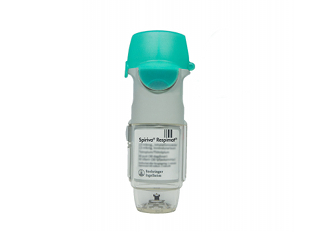
| Medicinal form | Inhalation (available in different inhaler/device types, e.g., capsule with inhalation device, or inhaler systems) |
| Medicine type | Long-acting anticholinergic / bronchodilator |
| Main conditions | COPD (and in some UK contexts, other chronic obstructive airway conditions as advised by clinicians) |
| How it’s used | Once daily inhalation is typical (varies by device and formulation) |
| Key benefit | Helps keep airways open and reduces breathing symptoms |
How tiotropium bromide works (mechanism of action)
Tiotropium bromide works by blocking muscarinic receptors in the airways. Normally, when these receptors are activated by nerve signalling, they can cause the airways to narrow and increase mucus production. By blocking these signals, tiotropium helps to:
- Relax airway smooth muscle (bronchodilation)
- Reduce tightening of the airways that can make breathing difficult
- Improve airflow and reduce symptoms such as breathlessness
Because it is designed to act over a long period, it is typically used as a maintenance medicine to support day-to-day breathing.
Pharmacokinetics (absorption, distribution, metabolism, and excretion)
After inhalation, tiotropium primarily acts locally in the lungs. Only a portion is absorbed into the bloodstream. The overall pharmacokinetic profile may differ depending on the specific inhaler/device used.
Absorption
Tiotropium is inhaled as an aerosol or inhalation powder. Absorption from the lungs into the circulation occurs gradually. Peak blood levels are typically achieved within several hours, depending on the formulation.
Distribution
Tiotropium distributes into body tissues, with a long residence time in the lungs due to its binding to muscarinic receptors.
Metabolism
Tiotropium is not extensively metabolised. The contribution of metabolic breakdown to clearance is relatively small.
Elimination
The medicine is mainly eliminated through the kidneys. This means kidney function can be relevant when assessing safety in people with significant kidney impairment.
Typical use in the UK
In the UK, tiotropium bromide is commonly used to manage COPD. For many people, it helps to:
- Improve symptoms such as breathlessness
- Reduce variability of symptoms during the day
- Support overall lung function over time
- Help reduce the need for rescue medicines by improving baseline airflow
It is generally intended as a long-term maintenance medicine rather than an immediate relief treatment. If you need rapid symptom relief, you should use your reliever inhaler (often a short-acting bronchodilator) as directed by your healthcare professional.
Indications (what it’s used for)
Indications can depend on the exact product and device type. In UK practice, tiotropium bromide is most commonly indicated for:
- Chronic obstructive pulmonary disease (COPD) — for long-term bronchodilator treatment to relieve symptoms
Your healthcare professional may advise use in other chronic obstructive airway conditions only if appropriate for your diagnosis and treatment plan.
Dosing and timing
The correct dose depends on the exact inhaler/device. Always follow the instructions provided with your product and the plan made with your healthcare team.
Typical adult dosing
For many commonly used tiotropium bromide inhaler products in the UK, the usual dosing schedule is:
- Once daily inhalation (often at the same time each day)
How to time your dose
- Choose a time you can remember (e.g., morning or evening).
- Take it at the same time each day to maintain consistent bronchodilation.
- If you miss a dose, take it when you remember unless it’s close to your next dose; do not double up.
If you are unsure about your specific device instructions or what to do after a missed dose, check the patient information leaflet supplied with your medicine or ask your pharmacist.
Practical use tips (to get the best effect)
Correct inhaler technique is essential. If the medicine doesn’t reach your lungs properly, you may not get the full benefit. The advice below applies generally; your specific device may have unique steps.
General technique reminders
- Do not swallow capsules if your device uses capsules (follow the device instructions).
- Exhale fully before inhaling the dose (away from the mouthpiece).
- Seal your lips around the mouthpiece and inhale steadily and deeply.
- Hold your breath for a few seconds if you are able, to help deposition in the lungs.
- Rinse your mouth if your product’s leaflet advises it, particularly if you use other medicines that can irritate the mouth.
- After using your inhaler, check whether you need to clean the mouthpiece or follow maintenance instructions.
Check your inhaler technique regularly
Breathing device techniques can change over time. If symptoms remain poorly controlled, a common first step is to review technique. Your pharmacist, nurse, or GP practice can often check this with you.
Food interactions
Because tiotropium bromide is administered by inhalation and primarily acts in the lungs, food is not expected to significantly affect absorption. In most people, you can take your inhaled dose with or without food.
That said, if you have trouble breathing while eating, you may find it helpful to take your inhaler at a time when you can sit upright, breathe comfortably, and focus on inhaler technique.
Alcohol interactions
Tiotropium bromide is not known for a direct, common interaction with alcohol. However, alcohol may worsen breathing in some people by affecting sleep, coordination, or symptom perception—especially in COPD.
If you choose to drink alcohol, do so moderately and be alert to any increase in breathlessness.
Medicine interactions
Interactions can occur when medicines affect the same body pathways or when combined medicines increase side effects. Always tell your pharmacist or clinician about all medicines you use, including inhalers and over-the-counter products.
Other anticholinergic medicines
Combining tiotropium with other anticholinergic medicines may increase the chance of anticholinergic side effects (e.g., dry mouth, constipation, blurred vision). Your healthcare professional can advise whether combination therapy is suitable for you.
Inhaled bronchodilators
Tiotropium may be used alongside other COPD medicines in a stepwise treatment plan, such as:
- Short-acting relievers for sudden symptoms
- Other long-acting inhalers if prescribed
- Inhaled corticosteroids in selected patients (device and regimen dependent)
It is important not to change or stop any medicines without advice.
Eye-related interactions (caution)
Inhaled anticholinergics can rarely cause eye symptoms if mist gets into the eyes. If you use tiotropium and ever experience eye pain, redness, halos around lights, or blurred vision, seek urgent medical advice.
Safety profile and side effects
Like all medicines, tiotropium bromide can cause side effects. Not everyone will experience them. Side effects are typically mild and may reduce as your body adjusts.
Common side effects (may include)
- Dry mouth
- Throat irritation
- Constipation (in some people)
- Cough or mild changes in voice
Less common but important side effects
- Urinary retention (difficulty passing urine) — especially in people with prostate enlargement or bladder outflow problems
- Blurred vision or eye discomfort
- Palpitations or fast heartbeat (uncommon)
Seek urgent help if you get
- Severe allergic reaction symptoms (e.g., swelling of face/lips, difficulty breathing, hives)
- Severe eye symptoms (eye pain/redness, halos around lights)
- Worsening breathing soon after inhalation that does not settle
Special populations
- Kidney impairment: because tiotropium is mainly cleared by the kidneys, your clinician may review suitability or dosing strategy.
- Older adults: many older people take tiotropium safely, but side effects like constipation or urinary changes should be monitored.
- Pregnancy and breastfeeding: discuss risks and benefits with a healthcare professional if relevant.
- Children: use depends on product licence and clinical judgement; follow professional advice.
This is general information. Your product’s patient leaflet may list specific side effects and frequencies for your exact formulation.
What to do if you miss a dose
If you forget your tiotropium dose, take it when you remember unless it is nearly time for the next dose. Do not take a double dose to make up for a missed one.
If you frequently forget doses, consider setting a daily alarm or linking the dose with a routine activity (e.g., after brushing teeth).
Practical use tips for day-to-day living
- Use at the same time each day for steadier control of symptoms.
- Keep track of your supply so you don’t run out—especially if symptoms flare.
- Store correctly as directed on the packaging (e.g., protect from moisture and extreme temperatures).
- Don’t share your inhaler with others.
- Review technique with a healthcare professional if you notice reduced effect.
- Know your rescue plan: keep your reliever inhaler accessible and follow your action plan for flare-ups.
Alternative options (UK)
COPD and other chronic airway conditions can be treated with different inhaled medicines. Alternatives to tiotropium bromide include other long-acting bronchodilators, which may be prescribed depending on your symptoms, lung function, and history of exacerbations.
Common alternative classes
- Other long-acting muscarinic antagonists (LAMAs) (different molecules within the same class)
- Long-acting beta2 agonists (LABAs) for bronchodilation (often used in combination strategies)
- Combination inhalers (e.g., dual bronchodilator therapy or triple therapy, depending on your diagnosis)
- Short-acting bronchodilators for immediate symptom relief (relievers)
The “best” alternative depends on your individual needs, inhaler device preferences, and whether you are experiencing frequent symptoms or exacerbations. Discuss options with your healthcare professional before switching.
Market and legal context for the UK
In the United Kingdom, medicines such as tiotropium bromide are regulated to ensure safety, quality, and effectiveness. The medicine is supplied through licensed channels and is subject to UK medicines standards.
Availability may vary by brand, strength, and device type. Your local pharmacy can advise on which product fits your prescribed or recommended regimen.
Healthcare decisions should be based on an assessment of your medical history, diagnosis, and the specific product information (including the patient leaflet for the exact device you are using).
Recent guidance (overview)
UK clinical guidance for COPD typically emphasises:
- Individualised maintenance therapy based on symptoms and exacerbation history
- Stepwise use of long-acting bronchodilators
- Correct inhaler technique and adherence support
- Non-medicine approaches such as smoking cessation, vaccinations, pulmonary rehabilitation, and exercise where appropriate
Tiotropium bromide may be selected as part of long-acting maintenance treatment for appropriate patients. Treatment may be reviewed periodically to ensure the regimen still matches your needs.
Delivery and availability
Tiotropium bromide may be supplied in different inhaler formats and strengths depending on the product line. Availability can vary, and stock may be influenced by device type and packaging.
When ordering online from a UK pharmacy, you should expect:
- Packaging delivered in line with standard pharmaceutical distribution practices
- Clear labelling and patient information leaflets included with the product where required
- Discreet delivery to your nominated address
If you have a specific tiotropium bromide device in mind, check that the product listed matches your current inhaler (device type can be important for correct use).
FAQ — Tiotropium bromide
1) Is tiotropium bromide a reliever inhaler?
No. Tiotropium bromide is generally a maintenance medicine for long-term control. It is not intended for instant relief of sudden symptoms. Use your reliever inhaler (e.g., a short-acting bronchodilator) as advised by your healthcare professional.
2) How quickly will I feel better?
Some people notice improvement within days, while full benefit may take longer as your baseline symptoms settle. If your breathing does not improve as expected, the inhaler technique, timing, and overall treatment plan should be reviewed.
3) What happens if I forget a dose?
Take it when you remember if it’s not too close to the next dose. Do not take a double dose. If you’re unsure, speak to your pharmacist.
4) Can I take it with food?
Yes. Food is not expected to significantly affect inhaled tiotropium. Many people take it at a routine time without needing to coordinate with meals.
5) Does alcohol affect tiotropium bromide?
There is no widely recognised direct interaction between tiotropium and alcohol, but alcohol may worsen COPD symptoms in some people. If you drink, do so in moderation and monitor how it affects your breathing.
6) Can tiotropium cause dry mouth?
Yes. Dry mouth is a common anticholinergic side effect. Managing it may include sipping water, maintaining good oral hygiene, and discussing persistent symptoms with a pharmacist.
7) What eye symptoms mean I should get urgent help?
If medicine accidentally gets into the eyes, rare eye problems can occur. Seek urgent advice if you experience eye pain, redness, blurred vision, or halos around lights.
8) Are there any kidney-related concerns?
Tiotropium is mainly cleared by the kidneys. If you have kidney impairment, your clinician may review suitability and monitor for side effects.
9) Can I use other inhalers at the same time?
Many COPD regimens use multiple inhalers. Your healthcare professional will advise which inhalers to use and when. It’s important not to change your inhaler plan without guidance.
10) What should I do if I experience side effects?
If side effects are mild, you can often monitor them while continuing treatment. However, if side effects are bothersome or worsening—or if you experience warning signs such as urinary retention, severe allergic symptoms, or eye problems—seek medical advice promptly.
Important: This information is intended to help you understand tiotropium bromide. Always read the patient information leaflet supplied with your specific product and follow the instructions on your inhaler. If you have any questions about your treatment, speak to your pharmacist or healthcare professional.