Fluticasone (Inhaled / Nasal): Patient Guide (UK)
Fluticasone is a widely used medicine in the UK for treating inflammatory conditions affecting the nose and airways. Depending on the formulation, it can help reduce swelling and irritation, making symptoms such as congestion, sneezing, runny nose, wheeze, and shortness of breath less frequent and severe.
This guide explains how fluticasone works, how it is used, what to expect, and important safety information. It is written to be patient-friendly and UK-focused. If you are unsure which specific fluticasone product you have (e.g., inhaler vs nasal spray), check your pack for the strength and instructions.
Basic product information
| Category | Details |
|---|---|
| Generic name | Fluticasone |
| Common forms (UK) |
Inhalers for asthma/COPD (e.g., fluticasone propionate), nasal sprays for allergic rhinitis (e.g., fluticasone propionate), other routes may exist depending on brand. |
| Drug type | Corticosteroid (anti-inflammatory) |
| Typical role | Prevention and long-term control of symptoms |
| Key benefit | Reduces inflammation in the nose/airways |
How fluticasone works (mechanism of action)
Fluticasone is a corticosteroid. When used in the nose or inhaled into the lungs, it primarily works locally to reduce inflammation. It helps by:
- Reducing the activity of inflammatory cells involved in allergic and airway inflammation
- Decreasing release of inflammatory mediators (chemical signals that drive symptoms)
- Helping relax and stabilise inflamed tissues, which can reduce symptoms over time
- Lowering mucus production and airway/nasal swelling, improving breathing and nasal comfort
Important: Fluticasone is not designed to relieve sudden symptoms immediately. It works best as a regular controller to prevent symptoms from building up.
Pharmacokinetics (what the body does with it)
Pharmacokinetics describes absorption, distribution, metabolism, and elimination.
Inhaled or nasal use
- Absorption: Most of the medicine acts locally in the target area (lungs or nasal passages). A small amount may be swallowed (especially with inhalers) and absorbed through the gut.
- First-pass metabolism: If swallowed, it is extensively metabolised in the liver, reducing systemic exposure.
- Protein binding: Fluticasone binds strongly to plasma proteins.
- Metabolism: Primarily via the CYP3A4 enzyme system.
- Elimination: Metabolites are mainly cleared through bile and the gastrointestinal tract.
Clinical implication: Because metabolism involves CYP3A4, medicines that strongly affect this pathway (e.g., certain antifungals or HIV medicines) can influence fluticasone levels.
Typical uses in the UK
Fluticasone is used for conditions where inflammation contributes to symptoms. Common UK indications include:
- Allergic rhinitis (hay fever): runny nose, sneezing, itchy/watery eyes, nasal blockage
- Asthma (airways inflammation): prevention and long-term control of wheeze, cough, and shortness of breath
- Chronic Obstructive Pulmonary Disease (COPD) in selected patients: helps reduce exacerbation risk and improve symptom control (depending on local guidance and product suitability)
It may also be recommended as part of an overall plan alongside other medicines (e.g., bronchodilators for asthma/COPD or antihistamines for allergy).
When to take it and timing
Regular use is key. Fluticasone works gradually. Many people notice improvement within a few days, but the full effect—especially for nasal symptoms or asthma control—may take longer.
Nasal fluticasone (allergic rhinitis)
- Often taken once daily, though some products are designed for twice-daily use.
- Best taken at a consistent time each day.
- If symptoms are seasonal (e.g., pollen), starting before the season begins can be beneficial.
Inhaled fluticasone (asthma/COPD)
- Typically taken once or twice daily depending on your inhaler strength and device instructions.
- For asthma, using it daily helps keep airways inflammation under control.
- Choose a time you can easily remember; many people link it to routine activities.
Missed dose: Take it when you remember unless it is close to your next dose. Do not take double doses to make up for a missed one.
Food interactions
For most patients, fluticasone has no clinically important food interaction when used as a nasal spray or inhaler.
- Nasal use: Absorption is mainly local; food is unlikely to change effectiveness significantly.
- Inhaled use: Some medication may be swallowed, but metabolism largely occurs through the liver and is not generally affected by meals.
General tip: If you are also taking other medicines, follow each product’s specific instructions. If you notice stomach upset or reflux worsening symptoms, speak to a pharmacist or clinician for advice.
Alcohol and medicine interactions
Alcohol
There is no direct interaction between fluticasone and alcohol that applies to every patient. However, alcohol may worsen underlying conditions by:
- Increasing reflux or irritation, which can aggravate cough or breathing symptoms in some people
- Potentially affecting sleep and overall asthma control
If you have asthma, COPD, or allergic symptoms, moderate alcohol intake and monitor whether it triggers symptoms.
Medicine interactions (important)
The most important interactions involve medicines that affect CYP3A4, the enzyme that metabolises fluticasone.
- Strong CYP3A4 inhibitors (may increase fluticasone levels and side effects):
- Some antifungals (e.g., ketoconazole, itraconazole)
- Medicines used for HIV (e.g., ritonavir-boosted regimens)
- Other inhaled/nasal medicines:
- Do not double up on similar steroid products without advice.
- Some combination therapies exist; follow the specific regimen provided with your product.
- Oral steroids or other steroid medicines:
- Using high doses or multiple steroid sources may increase overall steroid exposure.
- Discuss with a healthcare professional if you are using other corticosteroids.
Always check your medicine list: If you are starting, stopping, or changing any medicines, ask a pharmacist if there are any interaction concerns with your fluticasone product.
Indications and what you might feel
How fluticasone helps depends on the condition being treated.
Allergic rhinitis
- Less nasal congestion and runny nose
- Fewer sneezing fits
- Reduced itching and irritation
Asthma
- Fewer symptoms such as wheeze, cough, chest tightness
- Reduced flare-ups and need for rescue reliever medicines (where applicable)
- Improved breathing control over time
COPD (selected patients)
- May reduce exacerbations for certain patients, especially when used with other COPD medicines according to guidance
- Improves symptom control as part of a broader plan
When to seek urgent help: If you experience severe breathing difficulty, a rapidly worsening asthma/COPD attack, or you are struggling to speak in full sentences, seek urgent medical assistance immediately.
Dosing guidance (general information)
Because dosing depends on the exact product, strength, and your condition, always follow the instructions on your pack or the directions given by your healthcare professional. Below is general guidance to help you understand what dosing commonly looks like in the UK.
Nasal fluticasone (typical pattern)
- Commonly once daily in many preparations
- Some may be twice daily (depending on product and age group)
- Children may have different dosing depending on formulation and strength
Inhaled fluticasone (typical pattern)
- Usually once or twice daily
- Often chosen based on severity and symptom control
- Some regimens use fluticasone with a long-acting bronchodilator (combination inhalers)
Technique matters: Correct inhaler or nasal spray technique is crucial for effectiveness and for reducing side effects (see practical tips below).
Safety profile: side effects and precautions
Most people tolerate fluticasone well, especially when used at recommended doses. However, as with all medicines, side effects can occur.
Common side effects
- Nasal: mild nose/throat irritation, dryness, nosebleeds, headache
- Inhaled (asthma/COPD): hoarse voice (dysphonia), throat irritation
Less common but important side effects
- Oral thrush (inhaled fluticasone): white patches in the mouth, soreness, or bad taste
- Infections: steroid medicines may slightly increase susceptibility to infections in some contexts
- Reduced growth in children (inhaled steroids): usually related to higher doses over time; monitoring is important
When to stop and get medical advice
Contact a pharmacist, GP, or urgent care promptly if you experience:
- Severe or persistent nosebleeds
- Worsening breathing or wheezing despite correct use
- Signs of a mouth infection (thrush) that does not improve
- Allergic reaction symptoms such as facial swelling, rash, or difficulty breathing
Precautions
- Rinsing after inhaled use: reduces risk of thrush and throat irritation.
- Use the correct device technique: poor technique increases side effects and reduces benefit.
- Infections: If you have active infections (e.g., chest infections), ask for advice before adjusting steroid treatment.
- Long-term use considerations: Most patients do not experience major systemic effects at inhaled/nasal doses, but ongoing review is good practice.
Pregnancy and breastfeeding: Many corticosteroids are used during pregnancy and lactation when the benefits outweigh risks. Discuss suitability with a healthcare professional, particularly if you have asthma or severe rhinitis.
Practical use tips (to get the best results)
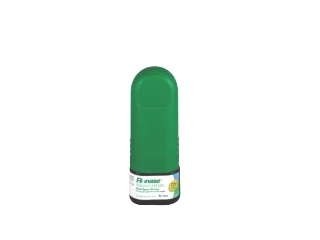
How to use a nasal spray correctly
- Gently blow your nose before using if you can.
- Shake the bottle if your product instructions say to do so.
- Keep your head upright.
- Insert the nozzle into one nostril and aim slightly outwards (toward the ear), not straight up or toward the septum.
- Breathe in gently through your nose while spraying.
- Repeat for the other nostril if instructed.
- Wipe the nozzle and replace the cap.
If you get nosebleeds: Check technique, use gentle spraying, and aim away from the middle of the nose. Persistent bleeding should be reviewed by a pharmacist or clinician.
How to use an inhaler correctly
There are different inhaler types (e.g., pressurised metered-dose inhalers and dry powder inhalers). The correct steps vary by device. Always follow the instructions specific to your inhaler.
General principles include:
- Check your technique regularly (many people benefit from a demonstration).
- If using a pressurised inhaler, coordinate actuation with inhalation.
- If advised, use a spacer—this can improve delivery and reduce throat deposition.
- Rinse your mouth or brush your teeth after using inhaled fluticasone to reduce thrush risk.
- Keep devices clean and store them as instructed.
Expected timeline
- Nasal allergy: improvement may begin within days; best control often takes longer.
- Asthma control: it is common to notice benefit after several days, with ongoing improvement over weeks.
Alternative options
If fluticasone is not suitable, does not control symptoms adequately, or side effects occur, alternatives may be considered. Your best option depends on the condition (allergy vs asthma vs COPD), age, severity, and your other medicines.
For allergic rhinitis
- Other intranasal corticosteroids (similar role, different formulations)
- Antihistamine tablets or nasal sprays (may help with sneezing/runny nose)
- Leukotriene receptor antagonists (more relevant in asthma with allergy overlap)
For asthma / COPD
- Other inhaled corticosteroids
- Combination inhalers (inhaled steroid plus long-acting bronchodilator)
- Different controller strategies based on assessment of symptoms and exacerbations
Note: Don’t switch products without guidance, especially for asthma/COPD where dosing equivalence matters.
UK market, legal and guidance context
In the UK, fluticasone products are used widely in both primary and specialist care. The availability of specific brands and strengths may differ depending on whether a product is:
- Available through pharmacy supply routes (where allowed), or
- Provided as part of routine prescribing and ongoing management through healthcare services.
For asthma and COPD, UK care pathways emphasise “stepwise” management. In most asthma guidelines, inhaled corticosteroids are a cornerstone of long-term control. For allergic rhinitis, intranasal corticosteroids are commonly recommended for moderate to severe symptoms or when symptoms persist.
Recent emphasis in general practice and pharmacy practice across the UK includes:
- Regular review of symptoms and medicine technique
- Ensuring the controller medicine is taken consistently
- Reducing avoidable side effects through correct use (e.g., spacer use, mouth rinsing)
- Individualised stepping up or stepping down based on symptom stability
Local and national guidance may vary by year and patient profile. Your pharmacist can help you understand where your product fits in your plan.
Delivery and availability (UK)
Availability can vary by brand, formulation, and strength. Many fluticasone products are stocked regularly by UK online pharmacies, with delivery typically available across the UK mainland (and sometimes beyond, depending on the pharmacy’s courier service).
- Stock status: Some strengths may sell out seasonally, particularly nasal products during allergy seasons.
- Delivery times: Vary by provider and delivery method; check the checkout page for estimated dispatch and delivery windows.
- Packaging: Medicines are normally dispatched in secure packaging to protect devices from damage.
Tip: If you rely on fluticasone during seasonal flare-ups, consider ordering early to avoid delays.
FAQ: Fluticasone (UK)
1) Is fluticasone a steroid?
Yes. Fluticasone belongs to the group of medicines called corticosteroids. When used in the nose or inhaled into the lungs, it acts mainly where inflammation occurs, with lower whole-body exposure than many oral steroid treatments.
2) How quickly will it work?
Many people notice improvement within a few days, but full benefit may take longer—especially for asthma control and some nasal symptoms. If symptoms are not improving after a reasonable trial, speak to a pharmacist or clinician rather than stopping suddenly.
3) Will it treat sudden attacks?
No. Fluticasone is a controller medicine. It helps prevent inflammation over time. Sudden flare symptoms typically require a different “reliever” approach as part of your overall asthma/COPD plan.
4) Can I use fluticasone with other allergy or breathing medicines?
Often yes, but it depends on what you’re taking. Some medicines can increase side effects or duplicate steroid therapy. If you are unsure, check with a pharmacist and share your full list of medicines.
5) Do I need to rinse my mouth after using the inhaler?
Yes—rinsing your mouth (or brushing teeth) after inhaled fluticasone is strongly recommended. It helps reduce the risk of oral thrush and throat irritation.
6) What if I miss a dose?
Take it as soon as you remember, unless it is close to your next dose. Do not take extra to compensate for a missed dose.
7) Can alcohol affect my symptoms?
There is no universal direct drug interaction, but alcohol may worsen reflux, sleep, or breathing in some people. If you notice symptoms worsen after alcohol, consider reducing intake and seek advice if problems continue.
8) Are there any foods I should avoid?
Food interactions are not typically a major concern for nasal sprays or inhaled use. The bigger consideration is often medicine-to-medicine interactions, especially those involving CYP3A4.
9) What are the signs of thrush?
Thrush can cause white patches in the mouth, soreness, or a persistent unpleasant taste. If you suspect thrush, speak to a pharmacist promptly for advice and treatment options.
10) Can children use fluticasone?
Children may use fluticasone depending on age and the specific product strength and formulation. Dosing should be guided by the pack instructions and/or a clinician’s direction, and growth should be monitored during long-term use.
When to get advice
If you are not sure how to use your fluticasone product, if symptoms are not improving, or if you experience side effects, a pharmacist can help check technique, timing, and suitability. For severe breathing problems or rapidly worsening symptoms, seek urgent medical help.