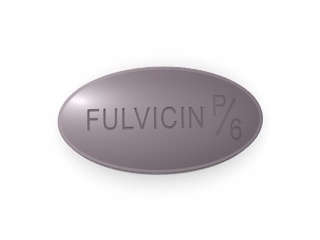
Fulvicin (Griseofulvin) – Antifungal Medicine (UK)
Fulvicin (active ingredient: griseofulvin) is an antifungal medicine used to treat certain fungal infections of the skin, scalp, and nails. It works by interfering with how fungi grow and multiply. This page explains how Fulvicin works, how it’s used in practice, and important safety information for people in the United Kingdom.
Note: Always follow the instructions provided by your healthcare professional and the medicine label. Information below is designed to help you understand your treatment and what to expect.
Quick overview
- Medicinal product: Fulvicin (griseofulvin)
- Medicinal class: Antifungal (systemic)
- How it’s taken: By mouth (tablets/suspension depending on product form)
- Common uses: Fungal infections of the skin, scalp, and/or nails
- Why it takes time: The treatment often continues for weeks or months, depending on the site and severity
- Key practical tip: Taking it with food—especially with a fatty meal—may improve absorption
How Fulvicin works (mechanism of action)
Griseofulvin is a systemic antifungal. It targets fungi by:
- Disrupting fungal cell division (fungi rely on intact microtubules to replicate).
- Interfering with fungal mitosis by binding to fungal microtubules, thereby slowing or stopping growth.
- Helping infected skin or hair to gradually replace with normal tissue as the drug clears the infection in the deeper layers.
Because your body needs to generate new, uninfected skin, hair, or nail growth, symptom improvement may lag behind starting treatment.
Pharmacokinetics (what the body does to the medicine)
Understanding how griseofulvin is handled by the body can help you take it at the right time and with the right food.
- Absorption: Griseofulvin absorption can be variable. Taking it with food (often a meal with some fat) improves absorption compared with taking it on an empty stomach.
- Distribution: It distributes into the tissues where fungal infection occurs, including the skin and keratin-containing structures such as hair and nails.
- Metabolism: It is processed by the liver (metabolised).
- Elimination: Metabolites are excreted primarily via the kidneys and/or bile pathways (exact proportions may vary by product and individual).
- Onset and steady effect: Antifungal activity builds as drug levels accumulate and as the infection gradually clears.
Practical takeaway: Consistency matters. Missing doses can reduce effectiveness and prolong recovery.
Typical uses and indications in the UK
Fulvicin/griseofulvin is used for dermatophyte infections—fungi that commonly affect skin, hair, and nails.
Depending on local diagnosis and clinical assessment, it may be used for:
- Fungal infections of the scalp (e.g., tinea capitis)
- Fungal infections of the body (tinea corporis) when extensive or not responding to topical treatment
- Fungal infections of the groin (tinea cruris) in selected cases
- Fungal nail infection (onychomycosis) when appropriate and confirmed to be caused by susceptible fungi
- Other dermatophyte infections as advised by a clinician
Not typically used for many yeast infections (e.g., candidiasis) unless specifically judged appropriate by a clinician, and it may not be suitable for all fungal species.
Dosing: general principles
Dosing must be individualised based on the infection site, severity, and the product strength. Your prescriber will specify an exact dose and schedule.
In general terms:
- Adults and children: Dose is commonly based on body weight, especially in children.
- Frequency: Often given once daily or in divided doses depending on the regimen chosen.
- Duration: Treatment duration can be prolonged:
- Scalp infections often require weeks to months.
- Nail infections frequently require longer courses (often many weeks to allow new nail growth).
- Skin infections may resolve faster, but still may need several weeks.
| Infection type (examples) | Typical treatment length (general guide) | What to expect |
|---|---|---|
| Tinea capitis (scalp) | Often several weeks to months | Less itching/redness may appear first; full clearance may take longer as hair growth replaces infected tissue |
| Tinea corporis/cruris (body/groin) | Often a number of weeks | Skin may improve gradually; continue as directed even if symptoms settle |
| Onychomycosis (nails) | Often many weeks to months | New nail growth is the key sign of improvement; the nail may look abnormal for a while |
Do not stop early simply because you feel better. The fungal infection may still be present.
When and how to take Fulvicin
Timing: Take Fulvicin at the same time(s) each day. Your clinician/pharmacist will give specific instructions.
Food interactions (important): Griseofulvin absorption tends to be improved when taken with food. For best results:
- Take your dose with a meal, ideally one that contains some fat.
- If you usually take it with breakfast or after dinner, try to keep that routine consistent.
- If you have been advised to take it fasting for any reason, follow that advice, but discuss with a clinician if you’re unsure.
Swallowing: Swallow tablets whole with water unless your product instructions say otherwise. If you have difficulty swallowing, check the specific product form (tablet vs suspension) and ask a healthcare professional.
If you miss a dose: Take it as soon as you remember unless it’s close to the next dose. Do not take a double dose to make up for the missed one. If you’re unsure, ask a pharmacist.
Alcohol and medicine interactions
Griseofulvin is metabolised in the liver, so alcohol and other liver-stressing medicines may increase the risk of adverse effects.
Alcohol
- General advice: Keep alcohol intake moderate and avoid binge drinking.
- Why it matters: Alcohol may increase the load on the liver and may make side effects such as nausea, dizziness, or tiredness more noticeable.
- Seek advice urgently if you develop signs of liver problems (see the Safety section).
Medicines that may interact
Interactions depend on your individual medicine list. Tell your pharmacist or prescriber about all medicines you take, including over-the-counter products and herbal supplements.
Important categories to consider include:
- Medicines affecting the liver: Because griseofulvin is metabolised in the liver, combining it with other hepatotoxic medicines may increase risk.
- Warfarin (blood thinner): Antifungal therapy can alter bleeding risk. Your INR may require monitoring if used together.
- Hormonal contraceptives: Griseofulvin may reduce effectiveness of some hormonal contraceptives for some people. Use additional reliable contraception during treatment and for a period after finishing (confirm timing with your clinician/pharmacist).
- Other antifungals: Combining treatments may be considered in complicated infections but can also affect tolerability and overall strategy.
- Enzyme-inducing medicines: Some drugs can affect how griseofulvin levels are maintained, potentially altering effectiveness or side-effect risk.
Safety tip: Maintain a current list of your medicines and show it to your pharmacist when starting Fulvicin.
Food interactions and dietary considerations
The most significant dietary point for Fulvicin is absorption.
- Taking with food: Generally improves absorption.
- Empty stomach: May reduce absorption and potentially lower effectiveness.
- Consistency: Try not to switch between empty stomach and full meals day-to-day.
There are no major “forbidden” foods for most people, but if you have a digestive condition (vomiting, malabsorption, severe diarrhoea), discuss it—these can reduce absorption.
Safety profile: important precautions
Like all medicines, Fulvicin/griseofulvin can cause side effects. Most people experience mild effects, but some reactions may be serious.
Common or mild side effects
- Nausea, stomach upset, loss of appetite
- Headache
- Dizziness or tiredness
- Skin sensitivity or mild rash
- Diarrhoea or gastrointestinal discomfort
Less common but potentially serious risks
- Allergic reactions: Swelling of face/lips, severe rash, breathing difficulties (seek urgent help).
- Liver problems: Yellowing of skin/eyes (jaundice), dark urine, unusual fatigue, persistent nausea/vomiting, pain in the upper abdomen.
- Blood disorders: Unusual bruising, bleeding, severe sore throat, infections that do not improve.
- Severe skin reactions: Blistering, peeling, or widespread rash—urgent medical assessment is required.
When to get urgent medical help: If you develop signs of a serious allergic reaction, severe rash, breathing trouble, or signs of liver injury, stop taking the medicine and seek urgent medical assistance.
Who should use caution
- Liver disease or a history of abnormal liver function tests
- Kidney impairment (dose and monitoring may be needed)
- People taking multiple interacting medicines
- Children and elderly may be more sensitive—dosing and monitoring should be individualised
Practical tips for successful treatment
Fulvicin can be very effective when used correctly. These tips can improve outcomes and reduce the chance of recurrence:
- Complete the full course even if symptoms improve—fungal infections often take time to clear.
- Take with food to support absorption.
- Improve hygiene: Keep affected areas clean and dry; change towels and clothing regularly.
- Avoid sharing personal items: Do not share towels, hats, combs, or nail tools.
- Treat close contacts if advised: Some dermatophyte infections can spread; your clinician may advise screening or treatment for household contacts.
- Monitor the infection: If there is no improvement after the expected timeframe, re-check diagnosis (some “ringworm-like” rashes can be other conditions).
- For nail infections: Trim thick nails if safe/comfortable, and allow time for new nail growth—this is often the key indicator of response.
- Use supportive topical therapy if recommended: In some cases, a topical antifungal (like an allylamine or azole cream) may be used alongside systemic treatment.
Alternative treatment options
Alternatives depend on the type of fungus, body site, severity, and your medical history. In the UK, healthcare professionals may consider:
- Topical antifungals for limited skin lesions (e.g., creams/ointments available for tinea where appropriate).
- Other oral antifungals such as:
- Terbinafine (commonly used for dermatophyte skin infections)
- Itraconazole (may be used for selected nail/scalp infections)
- Fluconazole (sometimes used off-label or in selected situations)
- Shampoos or scalp preparations (often used with oral treatment for scalp infections to reduce spread and fungal load).
Your clinician will choose the most suitable option based on fungal type, location, severity, and safety considerations.
Fulvicin in the UK: market and legal context
Griseofulvin products (including Fulvicin or equivalent brands depending on availability) have long been used as systemic antifungal medicines in the UK. Availability can vary over time due to manufacturing changes, supply logistics, and local prescribing preferences.
Regulatory and pharmacy guidance considerations in the UK:
- Medicines are classified and supplied according to UK regulations. Supply may involve prescription routing depending on current product licensing and NHS/community practices.
- Pharmacies must check your medicine history and interaction risk, and advise you on correct use and monitoring.
- When a product is not available, pharmacists may advise therapeutic alternatives or equivalent formulations if suitable.
Recent guidance themes you may see:
- Greater emphasis on confirming diagnosis (and considering non-fungal mimics for persistent rashes).
- Using appropriate duration of therapy for nails/scalp and avoiding premature discontinuation.
- Monitoring for tolerability and recognising signs of liver injury in systemic antifungal therapy.
Delivery and availability (UK online pharmacy)
Availability of Fulvicin can differ by pharmacy and by current stock status. When ordering online:
- Check stock status on the product page.
- Delivery times depend on your postcode area and courier service.
- If a particular presentation/strength is temporarily unavailable, we may offer a suitable alternative (equivalent medicine or another regimen) based on advice from a clinician or pharmacist, where appropriate.
Storage: Store at room temperature, away from moisture and direct heat. Keep out of reach of children. Follow the packaging instructions.
FAQ – Fulvicin (Griseofulvin)
1) How long does it take for Fulvicin to work?
Improvement can start within days to a couple of weeks for skin symptoms, but full clearance may take much longer—especially for scalp and nail infections. Nails may take months because they must grow out.
2) Should I take Fulvicin with food?
Yes—taking griseofulvin with food is generally recommended to improve absorption. Follow your specific instructions, but if you’re unsure, check with a pharmacist.
3) Can I drink alcohol while taking Fulvicin?
It’s best to keep alcohol moderate and avoid binge drinking. Because griseofulvin is processed by the liver, alcohol may increase the chance of side effects. If you have liver concerns or heavy alcohol intake, ask a pharmacist for tailored advice.
4) What should I do if I develop a rash?
Mild skin irritation can happen, but if you develop a widespread rash, blistering, facial swelling, or breathing problems, seek urgent medical help. For any new rash, contact a clinician or pharmacist promptly.
5) Will Fulvicin interact with other medicines?
It can. Common interaction concerns include blood thinners (like warfarin), hormonal contraceptives, and medicines that affect the liver. Provide your full medicine list to your pharmacist to check safety.
6) Can Fulvicin be used for ringworm?
Griseofulvin is used for dermatophyte infections (often called “ringworm” in everyday language). The correct treatment depends on where the fungus is (skin vs scalp vs nails) and which fungus is responsible.
7) If my symptoms improve, can I stop early?
No. Stopping early can lead to recurrence. Continue for the full course specified by your healthcare professional—even if the rash looks better.
8) What if I miss a dose?
Take it when you remember unless it’s close to the next dose. Do not take double doses. If you miss several doses or you’re unsure, speak to a pharmacist.
9) Is Fulvicin suitable for children?
It can be used in children when appropriate, with dosing based on age/weight and infection type. Children may need extra monitoring for side effects.
10) How do I know my infection is responding?
Look for gradual reduction in redness, itching, and scaling. For nails, the clearest sign is healthier new growth. If there’s no improvement after an expected period, ask for reassessment.
Further help: If you have questions about how to take Fulvicin, interactions, or side effects, speak to a qualified healthcare professional or a pharmacist. They can advise based on your specific medical history.