Griseofulvin (Gresiofulvin) – Patient Information for the UK
Gresiofulvin is a long-established antifungal medicine used to treat certain fungal infections of the skin, scalp and (less commonly) nails. In the UK, griseofulvin products may be prescribed for specific indications depending on the type of fungus and the site of infection.
This guide is designed to help you understand how griseofulvin works, how it’s typically taken, what to watch for, and how to use it safely. It does not replace advice from a healthcare professional.
Quick overview
- Active ingredient: Griseofulvin
- What it treats: Fungal infections (dermatophytes) affecting skin, scalp and sometimes nails
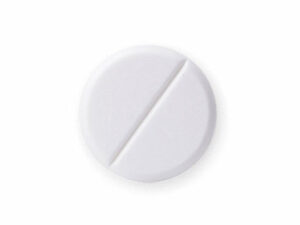
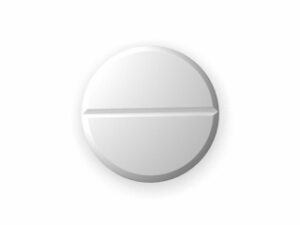
- Common forms: Tablets (strengths vary by brand)
- Typical treatment length: Often weeks to months (depending on site and severity)
- Key practical point: Works best when taken with fat-containing food
- Common side effects: Headache, nausea, stomach upset, rash, dizziness
Basic product information
| Category | Details |
|---|---|
| Medicine | Gresiofulvin (griseofulvin) |
| Medicinal type | Antifungal (for dermatophyte infections) |
| Use in the UK | Used for specific fungal infections of skin/scalp/nails caused by dermatophytes |
| Class | Systemic antifungal |
| Typical route | Oral tablets |
Important: The name “Gresiofulvin” may appear as a brand listing online. The active ingredient is griseofulvin. Always check the label/pack for the exact strength and formulation.
How griseofulvin works (mechanism of action)
Griseofulvin is an antifungal that targets dermatophytes (fungi that grow in keratin-rich tissues such as skin, hair and nails). It works mainly by:
- Disrupting fungal cell function by interfering with fungal growth and cell division.
- Specifically affecting fungal cells during the growth phase, helping stop the infection from spreading.
- Allowing healthier skin, hair and nails to grow in over time, replacing infected material.
Because hair and nails grow slowly, symptoms may improve gradually rather than immediately.
Pharmacokinetics (absorption, distribution, metabolism, elimination)
Understanding how the body handles griseofulvin can help explain why certain instructions—like taking it with food—matter.
Absorption
- Griseofulvin absorption can be enhanced by taking it with fatty food (for example, meals containing milk, cheese, or other fats).
- Absorption may be reduced if taken on an empty stomach, which can lower effectiveness.
Distribution
- Once absorbed, griseofulvin distributes through the body and reaches sites where fungi infect, including skin and keratin-containing tissues.
- It is particularly relevant for infections where fungus is inside hair shafts or deeper layers of skin/nail.
Metabolism
- Griseofulvin is metabolised in the liver.
- Patients with liver disease may be at higher risk of complications, so medical assessment is important.
Elimination
- Metabolites are mainly eliminated via urine and/or bile pathways.
- Clearance can vary between individuals.
Practical takeaway: Consistency is important. Taking each dose at the right time with suitable food helps maintain effective levels during treatment.
Typical uses and indications
Griseofulvin is typically used for dermatophyte infections such as:
- Tinea capitis (fungal infection of the scalp, sometimes causing scaling, patches of hair loss, or inflammation)
- Tinea corporis (ringworm of the body)
- Tinea pedis (athlete’s foot) in selected cases
- Tinea cruris (jock itch) in selected cases
- Some cases of onychomycosis (fungal nail infections) depending on severity and the infecting organism
Not for every fungus: Griseofulvin is most suitable for dermatophytes. Other antifungal medicines may be preferred for yeast (e.g., Candida) or for certain moulds.
Timing: when to take doses and how long treatment usually takes
When to take it
- Take griseofulvin at the same times each day.
- Take with food that contains fat (examples include meals with milk, cheese, yoghurt, eggs, or other dietary fats).
- Swallow tablets with water; avoid skipping meals right after dosing.
How long to treat
Treatment length varies by infection site and response. Typical patterns include:
- Scalp infections (tinea capitis): often weeks and sometimes longer
- Skin infections: often weeks
- Nail infections: may require months because nails must regrow
Even if you feel better, the fungus may still persist in hair or nail. Stopping too early can lead to relapse.
Food interactions and what to eat
Food can affect how much griseofulvin your body absorbs.
Best practice
- Take with a substantial meal when possible.
- Include some fat to improve absorption.
Alcohol and food considerations
- In general, avoid heavy alcohol intake during treatment, especially since griseofulvin is processed by the liver.
- Stay well hydrated and continue your usual balanced diet.
Tip: If you’re prone to nausea, consider taking the dose after you start eating rather than right before.
Alcohol and medicine interactions
It’s sensible to be cautious with alcohol while taking griseofulvin.
Alcohol
- Moderate alcohol may be tolerated by some people, but heavy or frequent drinking increases risk of liver stress and can worsen side effects such as dizziness or nausea.
- If you have liver problems, avoid alcohol unless your healthcare professional says it’s safe.
Other medicines that may interact
Griseofulvin can interact with certain medicines, particularly those affecting liver enzymes or medications that require reliable levels. Tell a clinician or pharmacist about all medicines you take, including:
- Other antifungals and antibiotics
- Warfarin and other blood thinners
- Hormonal contraceptives (the possibility of reduced contraceptive effectiveness is a key concern)
- Anti-epileptic medicines
- Immunosuppressants
- Medicines for diabetes or cholesterol (depending on your regimen)
- Herbal products (for example, St John’s wort)
Important: Interaction risk varies depending on the exact product, dose and patient factors. If you’re unsure whether your medicines interact, ask a pharmacist.
Dosing: how the dose is usually set
Dosing of griseofulvin is individualised based on factors such as age, weight, infection type and site, and tolerance.
- Follow the dosing instructions on your medicine label.
- Do not change your dose without medical advice.
- Children may receive weight-based dosing; adults may receive a fixed dose depending on formulation and indication.
Because dosing can vary across different griseofulvin products and strengths available in the UK, always confirm your regimen with the specific pack you are using.
Missed dose advice
- If you miss a dose, take it when you remember unless it is close to the next scheduled dose.
- Do not take a double dose to make up for a missed tablet.
- If you’re uncertain, ask your pharmacist for tailored advice.
Safety profile and side effects
Most people tolerate griseofulvin reasonably well, but side effects can occur. Many are mild and improve when your body adjusts. Stop and seek urgent medical help if you develop signs of a serious reaction.
Common side effects
- Headache
- Nausea, stomach discomfort, indigestion
- Diarrhoea
- Rash or itching
- Dizziness
- Fatigue
Less common but important
- Liver effects (unusual fatigue, dark urine, yellowing of eyes/skin)
- Blood count changes (unexplained bruising, sore throat with fever, persistent infections)
- Severe skin reactions (blistering rash, peeling skin, mouth ulcers)
Seek urgent advice if you notice
- Signs of an allergic reaction such as swelling of the face/lips, wheezing, severe rash
- Symptoms suggesting liver injury: jaundice, severe upper abdominal pain, marked loss of appetite
- High fever or widespread rash
Monitoring (what your clinician may check)
Depending on your health history and duration of therapy, your clinician may arrange blood tests to monitor liver function and blood counts. This is especially relevant if you have:
- Long treatment courses
- Existing liver disease
- Other medicines that affect the liver
Practical use tips for better outcomes
Fungal infections often improve slower than expected. The tips below can help you get the best results and reduce spread or relapse.
- Take with fatty food each day to support absorption.
- Complete the full course even if symptoms improve—stopping early can lead to recurrence.
- Check hygiene measures: wash hands after treating affected areas; avoid sharing towels or hairbrushes.
- Clean and manage clothing: keep towels, hats, and bedding clean; change socks regularly.
- Nail infections: keep nails trimmed and clean; consider gloves during household work if nails are affected (to reduce irritation).
- Prevent reinfection: treat athlete’s foot in people/household members if needed, as it can seed other areas.
- Watch for treatment response: skin scaling and itching often improve over time, but the infection may not disappear immediately.
When to re-check with a healthcare professional: if there is no improvement after a reasonable period, worsening redness/swelling, significant pain, spreading infection, or signs of bacterial infection (e.g., pus, increasing warmth).
Alternative options (UK-typical options)
The best treatment depends on the fungal species, the site of infection, and severity. Depending on your diagnosis, healthcare professionals may consider:
- Topical antifungal treatments (for suitable skin/scalp cases), such as creams/lotions or antifungal shampoos.
- Terbinafine (often used for certain dermatophyte skin and nail infections; may have shorter courses for some conditions).
- Itraconazole or fluconazole (for some nail or difficult infections, depending on the case and guidance).
- Combination approaches (e.g., oral antifungal plus topical preparations) for scalp or nail involvement.
If your infection does not respond to griseofulvin, a clinician may:
- Confirm the diagnosis (sometimes culture or microscopy is used)
- Check adherence and dosing with food
- Consider switching to an alternative antifungal better suited to the fungus and site
Market and legal context in the United Kingdom
In the UK, availability and regulatory requirements for medicines depend on the product’s classification and marketing authorisation. For medicines containing active substances like griseofulvin, access is typically through appropriate healthcare routes. Online pharmacy listings may include information about strength, form, and suitability, while clinicians decide which medicine is appropriate for a given fungal infection.
Why diagnosis matters: Fungal rashes can mimic eczema, psoriasis, bacterial infections, or inflammatory conditions. Getting the correct diagnosis helps ensure the chosen medicine is effective.
Guidance and clinical practice: UK antifungal management often follows evidence-based approaches from dermatology and primary care practice. Treatment selection depends on site (skin vs scalp vs nails), suspected causative organism, and individual patient factors such as liver function and potential medicine interactions.
Recent trends: In many settings, oral antifungals are increasingly reserved for proven or extensive dermatophyte infections, with topical therapy used for limited disease. Healthcare systems may also emphasise careful review of response and consideration of alternative therapy when treatment fails.
Delivery and availability (UK online pharmacy)
Availability can vary between brands and strengths. When ordering online, check:
- Pack size and strength (e.g., tablet mg)
- Formulation and whether it matches what your healthcare professional intends
- Estimated delivery times shown at checkout
- Storage instructions (commonly store below 25°C and protect from moisture, but follow the pack guidance)
If you require a longer course, it can be helpful to order in advance so you don’t run out mid-treatment. Ask customer support if you need assistance calculating how many tablets you’ll require for your course.
FAQ
1) Is Gresiofulvin the same as griseofulvin?
Yes. “Gresiofulvin” commonly refers to a brand listing containing the active ingredient griseofulvin. Always check the active ingredient and strength on the product label.
2) How quickly should I feel better?
Some people notice improvement within the first couple of weeks, but fungal infections—especially scalp and nail infections—often take longer. Skin may look better before all fungal elements have cleared, and hair/nails regrow slowly.
3) What should I do if my skin looks worse at the start?
Mild changes can happen as the body responds. However, rapidly worsening redness, pain, swelling, pus, fever, or spreading rash may indicate complications or a different diagnosis. Seek medical advice promptly.
4) Can I take it on an empty stomach?
For best absorption, griseofulvin is usually taken with fatty food. Taking it without food may reduce effectiveness for some people.
5) Are there any diet restrictions?
No specific diet is universally required, but taking your dose with fat-containing meals can support absorption. If you have liver disease or are advised to follow a liver-friendly diet, follow that guidance.
6) Can I drink alcohol while taking griseofulvin?
It’s best to limit alcohol during treatment, especially due to liver metabolism and the possibility of worsening side effects. If you have liver problems, avoid alcohol unless your healthcare professional says it is safe.
7) What about other medicines and contraceptives?
Griseofulvin may interact with several medicines. Hormonal contraceptives may be affected, so it’s important to discuss contraception options with a pharmacist or clinician before starting.
8) Can I use topical antifungal creams as well?
Often, topical treatment is used alongside oral therapy for certain infections, but the best plan depends on the site and diagnosis. Ask a pharmacist about suitable topical products.
9) Will I be contagious?
Fungal infections can spread through direct contact and shared items (towels, hats, hair tools). It’s sensible to follow hygiene measures throughout treatment. Your clinician may advise when you’re less likely to spread the infection.
10) What if I miss a dose?
Take it when you remember unless it’s near the next dose. Do not take a double dose. If you’re unsure, ask your pharmacist.
11) When should I stop and seek medical help?
Seek urgent help if you develop signs of severe allergy, breathing difficulty, blistering rash, or symptoms suggestive of liver problems (e.g., jaundice, dark urine, severe abdominal pain).
Further support
If you’re unsure whether griseofulvin is suitable for your symptoms, or you have questions about interactions with your other medicines, speak to a pharmacist. They can guide you on safe use, how to take the tablets with food, and what to monitor during treatment.